---
Table of Contents
Table of Contents
- Fireplace Insert Vs Freestanding Stove: What Each One Is
- Heat Output and Efficiency
- Installation: What Your House Needs
- Cost Comparison
- Looks and Room Feel
- Heat Distribution Through the House
- Maintenance and Cleaning
- Safety and Clearances
- Emissions and the Neighborhood
- Which One Should You Choose?
- Gas and Pellet Versions
- Making the Surround Work
- The Bottom Line
- References
You have an old wood fireplace that eats logs and gives back little heat. Or you have no fireplace at all and want real wood heat. Two upgrades keep coming up: a fireplace insert and a freestanding stove. Both burn wood far better than an open hearth. Both can heat a real living space. But they install differently, look different, and suit different homes. The rest of this guide covers fireplace insert vs freestanding stove in plain language.
There is no single winner. The right choice depends on what you already own, how much heat you need, and how much you want to spend on the install. Here is the full comparison, point by point, so you can pick with confidence.
Fireplace Insert Vs Freestanding Stove: What Each One Is
When it comes to fireplace insert vs freestanding stove, getting the details right makes all the difference.
When it comes to fireplace insert vs freestanding stove, getting the details right makes all the difference.
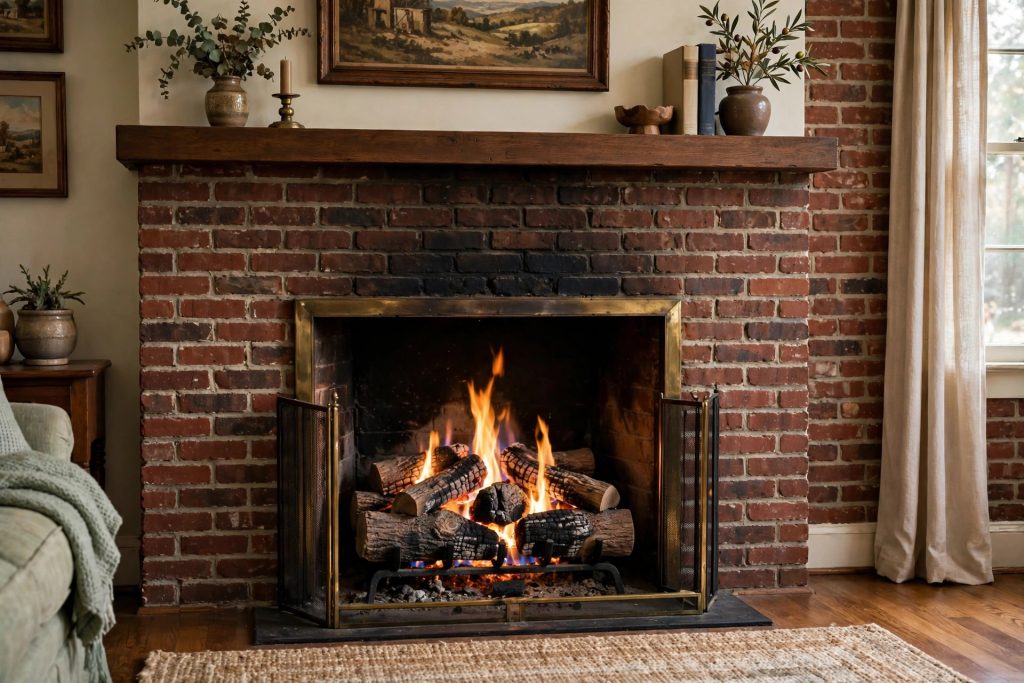
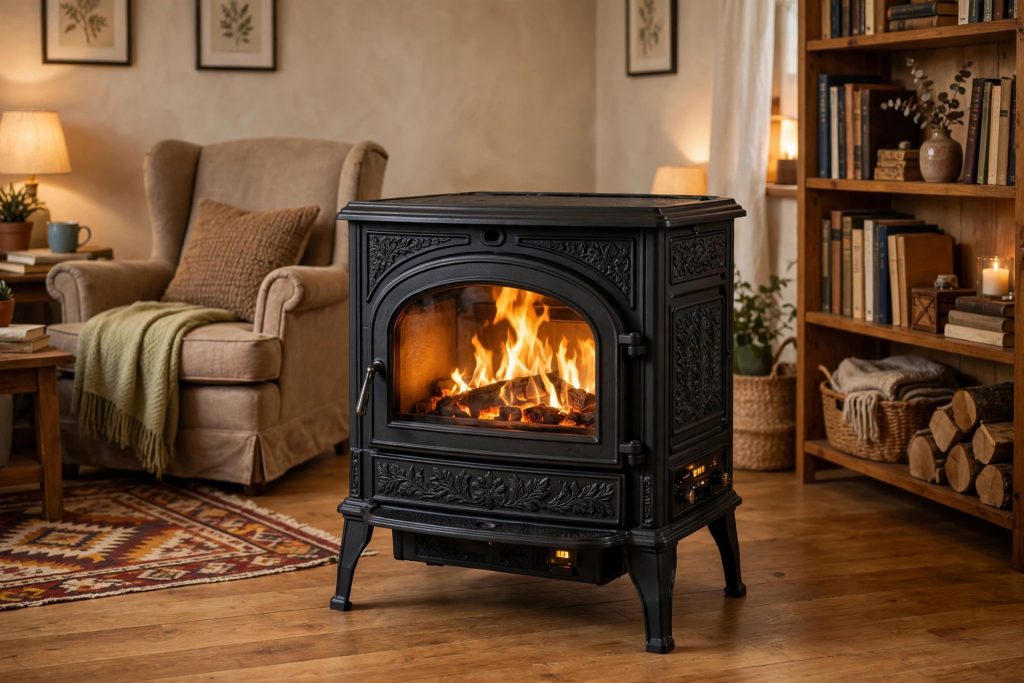
Many homeowners find that fireplace insert vs freestanding stove is easier than they expected once they know the basics.
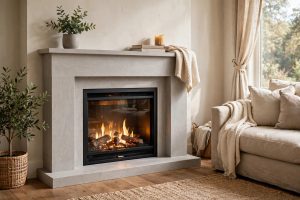
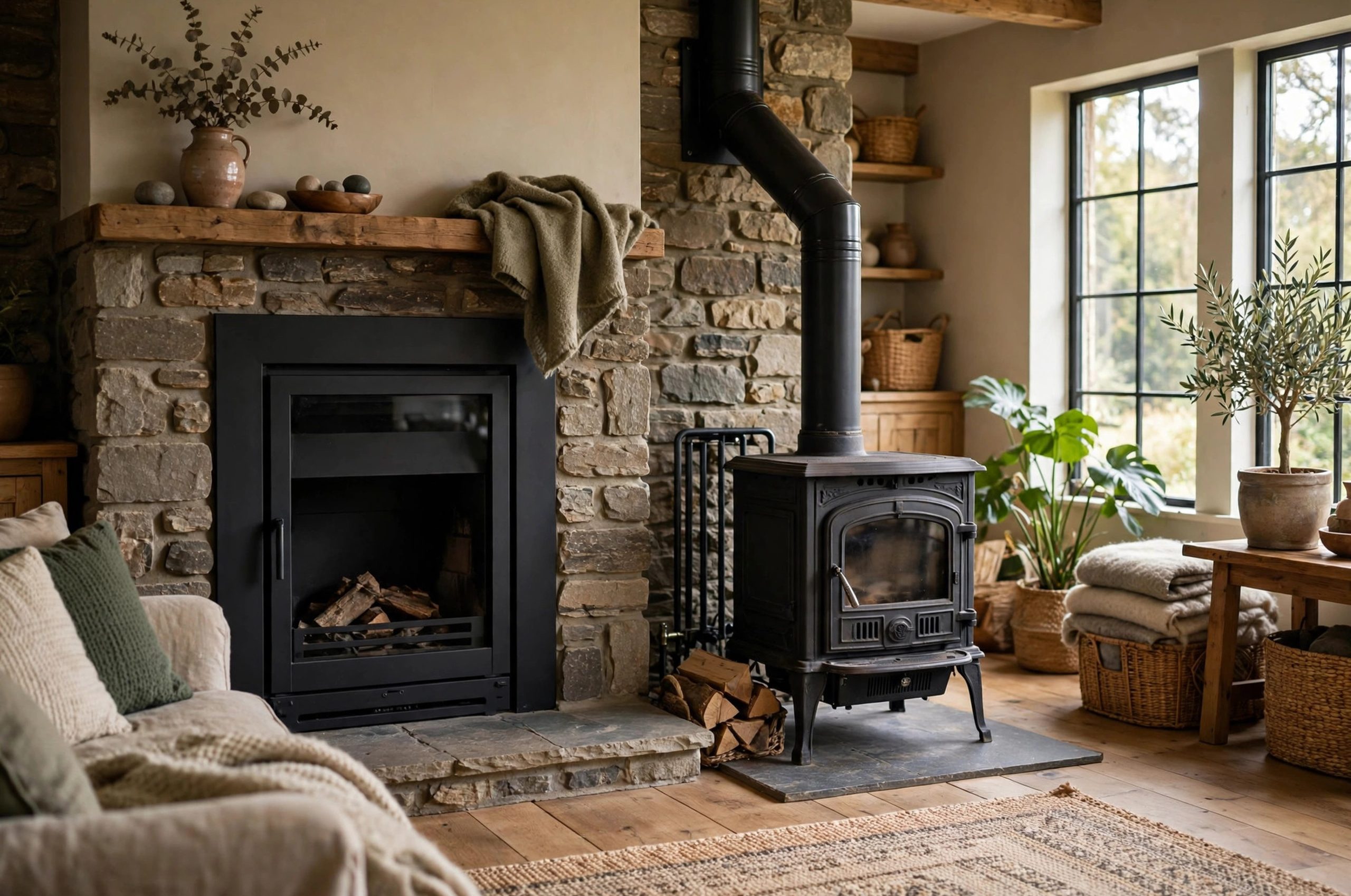
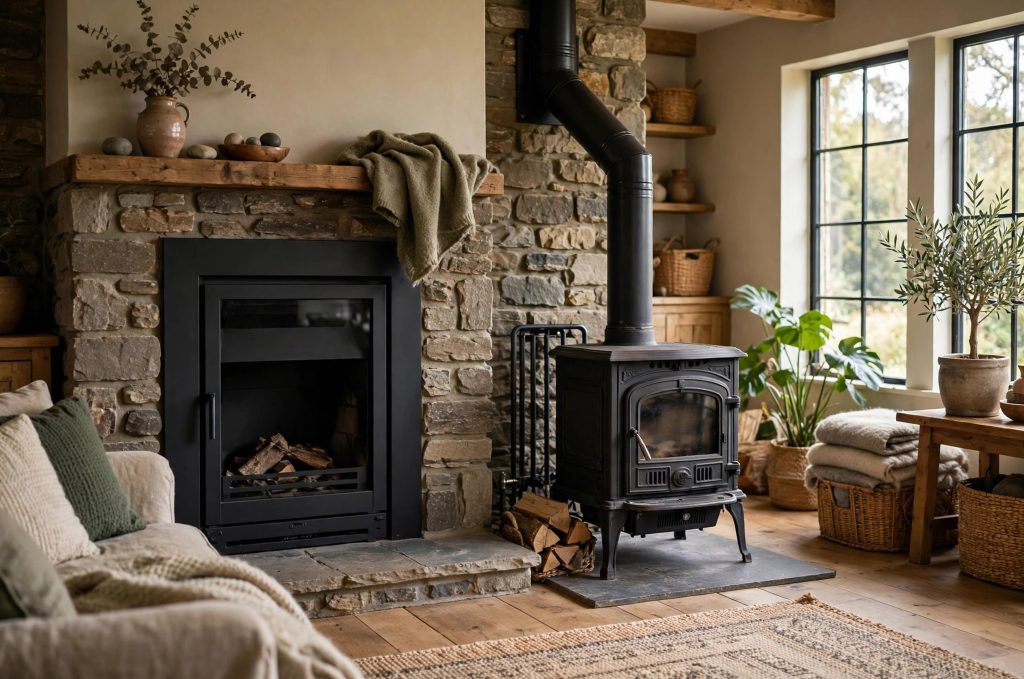
A fireplace insert is a sealed metal firebox made to slide into an existing fireplace opening. It has a glass door, air controls, and often a built-in blower fan. It connects to the old chimney through a stainless liner. Once installed, it turns the old fireplace from a pretty hole in the wall into a real heater. The masonry around it stays, so the room keeps its fireplace look.
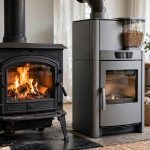
A freestanding stove is a self-standing metal box on legs. It sits in the room, usually on a non-combustible hearth pad, and vents up through its own stovepipe and chimney. It does not need an existing fireplace. It radiates heat from all sides into the room. Many people think of the classic cast-iron box stove, but modern freestanding stoves come in sleek steel designs too.
Both can burn wood, and both come in EPA-certified models that burn far cleaner than old stoves. Pellet and gas versions of each exist as well.
Heat Output and Efficiency
Many homeowners find that fireplace insert vs freestanding stove is easier than they expected once they know the basics.
Many homeowners find that fireplace insert vs freestanding stove is easier than they expected once they know the basics.
The key to fireplace insert vs freestanding stove is choosing the right approach for your space and budget.
This is where both options shine compared to an open fireplace. A traditional open fireplace returns only about 10 to 15 percent of the wood's energy as room heat. The rest goes up the chimney. A freestanding wood stove runs around 70 to 80 percent efficient. A fireplace insert runs about the same, roughly 65 to 80 percent, when it is sized and sealed right. These are not small gains. They mean far less wood for far more heat.
So which heats better? It is close. A freestanding stove radiates from every exposed side, so it can warm a space fast and spread heat into nearby rooms. An insert relies more on its blower to push warm air out of the firebox, and the surrounding masonry soaks up some heat too. In practice, a well-sealed insert can match or even beat a stove in its own room. A stove has the edge when you want heat to travel through an open floor plan. As one stove comparison guide puts it, the efficiency gap between an open fireplace and either option is not marginal. It is night and day.
The EPA backs this up. Its energy efficiency page notes that EPA-certified stoves use about a third less wood for the same heat, cut creosote buildup, and pollute far less than old models or open fireplaces. Both inserts and freestanding stoves can carry that certification, so check the label either way.
Installation: What Your House Needs
The key to fireplace insert vs freestanding stove is choosing the right approach for your space and budget.
With a little planning, fireplace insert vs freestanding stove can fit even a busy schedule.
Here the two part ways. An insert needs an existing fireplace in good shape. The installer slides the insert into the firebox, runs a stainless liner up the old flue, seals the gaps, and caps the top. No new chimney is built. That keeps the install simpler and cheaper, since the insert uses the chimney you already have. The catch is fit. The firebox opening must be big enough and square enough for the insert you want. A very small or oddly shaped firebox limits your choices. And if the old chimney is damaged, it may need repair or a full reline first, which adds cost.
A freestanding stove needs no fireplace at all. It needs a safe spot in the room, a hearth pad, proper clearances to walls and furniture, and a chimney system. That chimney is the big cost. Running a new insulated chimney up through the roof or along an outside wall is real work and real money. But you gain freedom. You can put the stove where the heat is needed, even in a room that never had a fireplace.
If you are shopping for a wood burning stove, plan the chimney route before you fall in love with a model. The chimney often costs as much as the stove itself.
Cost Comparison
With a little planning, fireplace insert vs freestanding stove can fit even a busy schedule.
Before you start, it helps to understand how fireplace insert vs freestanding stove works in real homes.
Inserts usually win on install cost. The unit itself runs less than many freestanding stoves, and the install uses the chimney you already have. Total installed cost for an insert often lands well below a stove-plus-new-chimney job. A freestanding stove can cost less as a bare unit, but the new chimney brings the total up fast. One insert-versus-stove cost comparison puts inserts at the lower end for installed cost, since they skip the new chimney entirely.
Running costs are close. Both burn far less wood than an open fireplace. Both need the same dry, seasoned fuel. Inserts with blowers use a small amount of electricity for the fan, which is worth knowing if power outages are common where you live. Some blowers can be run off a small battery backup, and many inserts still give off radiant heat with the fan off.
Looks and Room Feel
Before you start, it helps to understand how fireplace insert vs freestanding stove works in real homes.
A good plan for fireplace insert vs freestanding stove saves time, money, and frustration.
This one is personal. An insert keeps the fireplace as the room's centerpiece. The stone or brick surround stays. The mantel stays. Guests still see a fireplace, just one with a neat glass door and a real fire behind it. If you love the traditional hearth look, an insert gives you heat without changing the room's character.
A freestanding stove makes its own statement. It is a piece of furniture in itself, with visible black steel or cast iron, a pipe rising to the ceiling, and heat you can feel from across the room. In a cabin, a great room, or a home with no fireplace, it can be the best-looking heat source you can buy. It does take up floor space, and the pipe and clearances shape the room around it.
Heat Distribution Through the House
A good plan for fireplace insert vs freestanding stove saves time, money, and frustration.
For most people, fireplace insert vs freestanding stove comes down to a few smart choices.
A stove radiates from all sides, so one unit can push warmth into nearby spaces if the floor plan is open. Inserts depend on their blower and on natural air flow out of the firebox opening. Both benefit from help moving the air. A heat-powered stove fan perched on or near either unit can stir warm air into the room without using power. In a big or split-up house, neither option alone will heat every room. Think of both as zone heaters that warm the rooms you live in most.
The key to fireplace insert vs freestanding stove is to take it one step at a time.
Maintenance and Cleaning
For most people, fireplace insert vs freestanding stove comes down to a few smart choices.
If you are new to fireplace insert vs freestanding stove, start with the simplest option and build from there.
Both need the same basic care. Empty ashes, clean the glass, check the door gasket, and have the chimney swept when creosote builds up. Inserts can be a bit more fiddly because the firebox is tucked inside the old fireplace, which makes the liner harder to reach. A maintenance comparison notes that both are airtight by design, so both can make worse creosote than an open fireplace if you run them damped down and smoldering. The fix is the same for both: burn dry wood, keep fires hot, and sweep on schedule.
The blower on an insert adds one more chore. Dust the fan and check that it runs free before each season. It is a small job, but do not skip it. A dead blower on a cold night is no fun.
Safety and Clearances
If you are new to fireplace insert vs freestanding stove, start with the simplest option and build from there.
When it comes to fireplace insert vs freestanding stove, getting the details right makes all the difference.
Both are safe when installed to the manual and the local code. Freestanding stoves need strict clearances to walls, floors, and furniture, or approved heat shields that shrink those clearances. The stovepipe and chimney must be the right type and installed right. Inserts need the liner sealed properly so no smoke or gases leak into the old chimney's gaps. Both need a carbon monoxide alarm in the room and a smoke alarm nearby.
One safety plus for inserts: the old masonry around them is already non-combustible. One safety plus for stoves: everything is visible and easy to inspect, with no hidden gaps behind a surround.
Emissions and the Neighborhood
When it comes to fireplace insert vs freestanding stove, getting the details right makes all the difference.
Old wood burning was dirty. New EPA-certified models are far cleaner. Current EPA standards cap particulate emissions from new wood stoves and inserts at a low level, and many models on the market run well under the limit. That means less smoke in the yard, less creosote in the flue, and fewer complaints from neighbors. Whether you pick an insert or a stove, buy the EPA-certified model. The EPA's retrofit device guide explains how inserts and retrofit devices cut pollution from old fireplaces by a large share.
Check local rules too. Some areas with winter air quality problems limit wood burning on bad-air days or require certified models only. Know the rules before you buy.
Which One Should You Choose?
Many homeowners find that fireplace insert vs freestanding stove is easier than they expected once they know the basics.
Pick an insert when you have a fireplace you want to keep, you want the lowest install cost, and you mainly want to heat the room the fireplace is in. It is the classic fix for the drafty old hearth.
Pick a freestanding stove when you have no fireplace, you want heat in a spot the old fireplace cannot reach, or you want the strongest radiant heat in an open space. It is the classic fix for a cold cabin or a great room.
A detailed insert-versus-stove breakdown reaches the same verdict: the insert is the better pick for efficient heating with less heat loss in an existing fireplace, while the stove gives more control over heat output and placement.
Gas and Pellet Versions
The key to fireplace insert vs freestanding stove is choosing the right approach for your space and budget.
The same choice exists in gas and pellet. Gas inserts drop into an old fireplace and give push-button fire. Gas freestanding stoves look like wood stoves with no wood handling. Pellet inserts and stoves burn compressed wood pellets with automatic feed. Our guide to direct vent gas fireplaces can help if gas appeals to you. The efficiency and install logic stays the same: insert uses the old fireplace, stove stands alone.
Making the Surround Work
With a little planning, fireplace insert vs freestanding stove can fit even a busy schedule.
If you go the insert route, the old surround gets a new job as a frame. A fresh stone fireplace surround can update the whole look without touching the insert. Just keep all trim and mantel clearances to the manual's numbers. Wood trim too close to a hot insert is a fire risk.
The Bottom Line
A fireplace insert and a freestanding stove are both huge steps up from an open fireplace. They burn a third less wood, put out far more heat, and pollute far less. The insert is cheaper to install and keeps your hearth's look. The stove goes anywhere and radiates heat in every direction. Match the choice to your house: existing fireplace points to insert, no fireplace points to stove. Either way, buy EPA-certified, burn dry wood, and have the chimney swept on schedule. Do that and you will wonder why you waited so long. Keep this guide handy the next time fireplace insert vs freestanding stove comes up.
References
Build With Rise. (n.d.). Wood burning insert stoves: Upgrade your fireplace for efficiency & warmth. https://www.buildwithrise.com/stories/wood-burning-insert-stoves-upgrade-your-fireplace
Chimney Bear. (n.d.). Wood stove vs. fireplace insert: Which to choose? https://Www.chimneybear.com/the-bears-den-blog/wood-stove-vs-fireplace-insert-differences
Find Chimney Sweeps. (n.d.). Wood stove vs fireplace insert: Maintenance differences. https://findchimneysweeps.com/blog/wood-stove-vs-fireplace-insert-maintenance
Fire Pit Surplus. (n.d.). Wood stove vs fireplace: Which heats better and costs less? https://www.firepitsurplus.com/blogs/shopping-guides/fireplace-vs-wood-stove-comparison
Fireplace Adviser. (n.d.). Wood burning stove vs fireplace insert. https://fireplaceadviser.com/wood-burning-stove-vs-fireplace-insert/
Golden Gate Chimney. (n.d.). Freestanding wood stove vs fireplace inserts: Which wins? https://goldengatechimney.com/freestanding-wood-stove-vs-fireplace-inserts/
U.S. Environmental Protection Agency. (n.d.). Energy efficiency and your wood-burning appliance. http://www.epa.gov/burnwise/burn-wise-energy-efficiency
U.S. Environmental Protection Agency. (n.d.). Choosing the right fireplace or fireplace retrofit device. https://www.epa.gov/burnwise/choosing-right-fireplace-or-fireplace-retrofit-device
Was this guide helpful?

About My Garden US
The My Garden US editorial team writes practical, in-depth home and garden guides for American homeowners — tested advice, no fluff.
You May Also Like
Top Rated Chimney Inspection Services Reviews: A Homeowner's Guide
May 13, 2026 16 views
Top Rated Reclaimed Wood Mantels for California Apartments
February 22, 2026 15 views
Smart Smart Electric Fireplaces Buying Guide
January 28, 2026 23 views