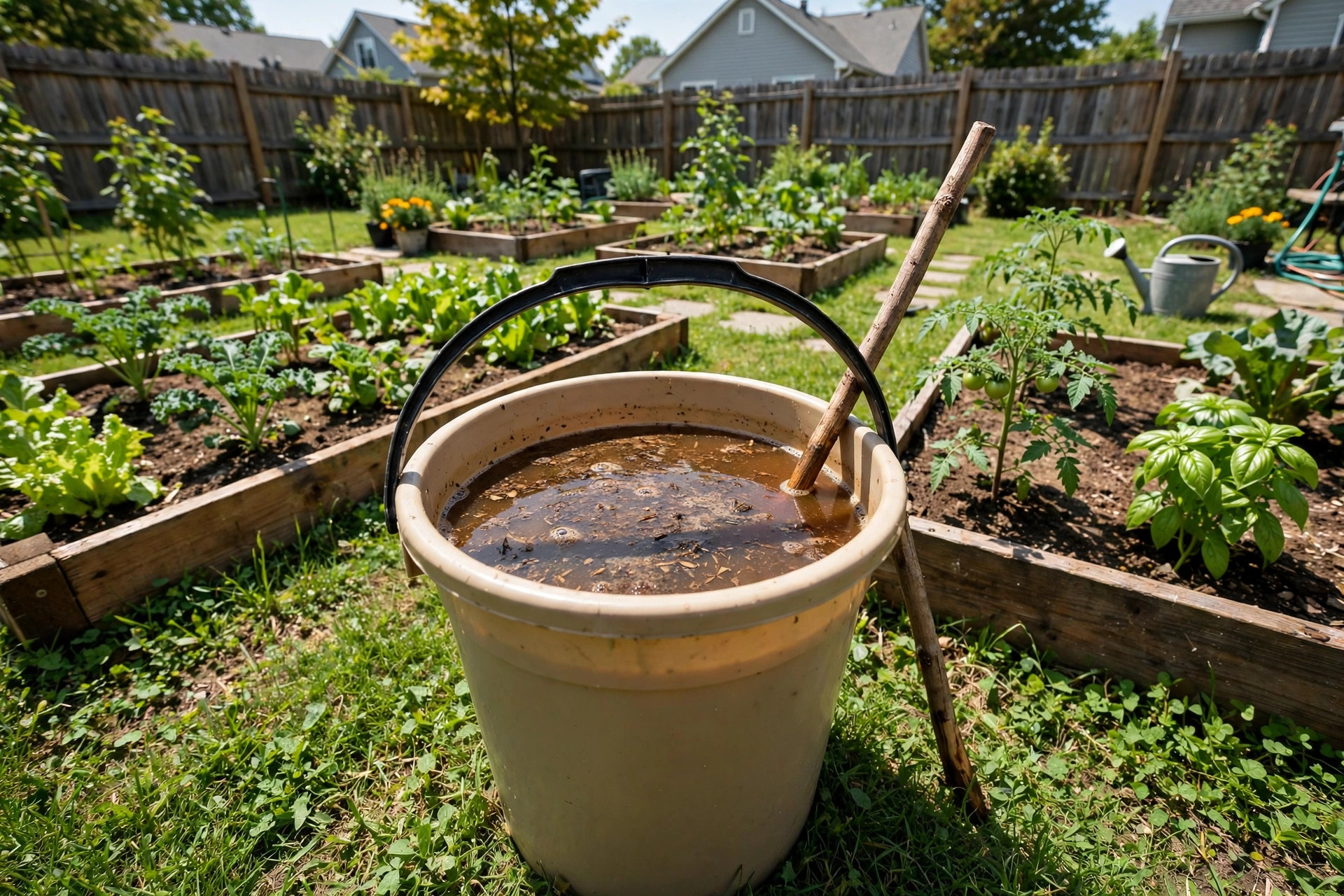
Many gardeners ask how to make compost tea for plants. The answer is simple. Compost tea is water mixed with finished compost. You let the mixture sit or bubble for a day or two. Then you pour or spray the liquid on your plants. The tea feeds the soil and gives plants a mild boost of food. It costs almost nothing to make. This guide walks you through the whole process in plain steps.
Why Compost Tea Matters for Your Garden
Soil is more than dirt. Good soil is full of tiny living things. These tiny life forms help roots take up food. They break down dead leaves and old roots. They make the soil soft and dark. When you add compost to soil, you add these helpers. When you make compost tea, you spread them in liquid form. The liquid reaches the roots fast. It also coats the leaves when you spray it.
Compost tea will not replace good soil habits. It works best as an extra help. Plants grown in poor soil still need solid compost mixed into the bed. A solid base of rich soil matters most. If you want to learn more about building that base, read our guide on the raised garden bed soil mix recipe. Good soil plus compost tea is a strong pair.
Gardeners like compost tea for three reasons. First, it is cheap. A bag of compost costs a few dollars and makes many gallons of tea. Second, it is gentle. The tea is weak enough that it rarely harms plants. Third, it uses what you already have. Many homes already keep a pile or bin of food scraps and yard waste. You can learn how to build a compost bin cheap and then use that finished compost to brew your tea.
What You Need Before You Start: How to Make Compost Tea for Plants
You do not need special gear to brew compost tea. Most of the tools are already in a garden shed. Here is what to gather.
The Compost
The compost is the heart of the tea. Use finished compost only. Finished compost is dark, crumbly, and smells like forest soil. It should look nothing like the food scraps you started with. For photos of what done compost should look like, the garden pages at The Spruce are a handy reference. If you can still see banana peels or eggshells, the compost is not ready. Wait a few more weeks.
Do not use fresh manure or half-rotted waste. Fresh manure can carry germs that harm people. It can also burn plant roots. Compost that is fully done is safe and stable. A home compost pile that has sat for six months is usually ready. A compost bin for kitchen scraps can also give you finished compost if you let it work long enough.
You need about one shovelful of compost for a five-gallon bucket. That is roughly two pounds. More compost does not make better tea. The right amount matters less than the brewing time.
The Tools
You need a clean bucket. A five-gallon plastic bucket works well. Wash it first with plain water. Do not use soap. Soap residue can harm the tiny life forms in the compost.
You need water without chlorine if you can manage it. Tap water often has chlorine. Chlorine kills the helpful life in the tea. Let tap water sit in an open bucket for one full day. The chlorine will fade on its own. Rainwater is even better.
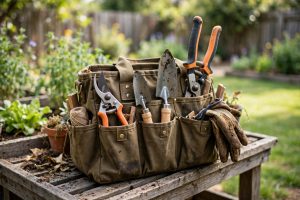
You need a stirring stick or a wooden spoon. If you plan to brew the aerated type, you need a small air pump and an air stone. These are the same pumps sold for fish tanks. They cost only a few dollars. Before you buy, you can compare test results on gear sites like Consumer Reports. You also need a piece of old cloth, burlap, or an old pillowcase. This holds the compost like a tea bag. Strong hand tools help you turn and move compost before brewing. A sturdy fork makes the job easy for turning the pile, and good loppers from makers such as Fiskars help you cut spent stems into small pieces that rot faster.
You may also want a food for the microbes, such as a spoonful of unsulphured molasses. Molasses is sugar. It feeds the tiny life forms and helps them grow during the brew. It is not required. Plain water and compost will still make a good tea.
How to Make Compost Tea for Plants, Step by Step
There are two main methods. The first is the simple steep method. The second is the brewed method with air. Both are easy. Start with the method that fits your tools.
The Simple Steep Method
Fill your clean bucket about three-quarters full with water. Remember to let tap water sit out for a day first. Place your shovelful of finished compost in the cloth. Tie the cloth closed with string. Lower the bag into the water like a giant tea bag.
Let the bag sit in the water for two to three days. Stir the water with the stick at least twice a day. Each stir adds air to the mix. The water will turn a light brown color, like weak tea. That color is a good sign.
After two or three days, lift the bag out. Squeeze the bag gently over the bucket to press out the last liquid. Spread the solids left in the bag on the garden as mulch. Your compost tea is now ready to use.
The Brewed Method with Air
The brewed method makes a stronger tea. Set up the same bag of compost in the bucket of water. Add one tablespoon of unsulphured molasses to the water. Stir it until the molasses melts.
Place the air pump on a dry surface near the bucket. Drop the air stone to the bottom of the bucket. Connect the tube and turn the pump on. The water should bubble at a steady pace. Small bubbles are best. Big splashing bubbles are not needed.
Let the pump run for twenty-four to thirty-six hours. Do not brew longer than two days. After two days, the food runs out and the helpful life starts to die. When the time is up, turn off the pump. Remove the bag. Use the tea at once. Aerated tea should be used within four hours for the best effect.
Two Types of Compost Tea
Gardeners talk about two types of compost tea. They differ only in how they are made.
Aerated Compost Tea
Aerated tea uses the air pump method described above. The constant bubbles keep oxygen in the water. Oxygen helps the good microbes grow fast. This tea is rich and active. It works well for leaf sprays and for feeding tired soil. It takes a little more work, but the results please many gardeners.
Non-Aerated Compost Tea
Non-aerated tea uses the simple steep method. No pump is needed. You only stir by hand. This tea is milder. It is still useful as a soil soak. Many old garden books describe this method. It was common long before air pumps were cheap. If you are new to this, start here. You can move to the aerated method later.
Both types share one rule. Use the tea fresh. Do not store it for a week.
How to Use Compost Tea on Plants
You can use compost tea in two ways. You can pour it on the soil. You can also spray it on the leaves.
For a soil soak, pour the tea around the base of the plant. Give each plant about one to two cups. Water the ground first if the soil is dry. Wet soil takes in the tea better than hard dry soil. For leafy crops, seed sellers such as Burpee also publish plain guides on feeding young plants, and tool brands like Corona Tools make the digging forks many gardeners use to work compost into beds.
For a leaf spray, pour the tea through a fine cloth into a spray bottle or a garden sprayer. Spray the tops and bottoms of the leaves. Spray early in the morning or in the cool evening. Strong sun can dry the spray too fast. A simple watering can also works for small jobs, and shops like Gardener’s Supply sell cloth strainer bags that make the tea bag step easy.
Use the tea once every two to four weeks during the growing season. Do not use it every day. Too much of a good thing can still upset the soil. Watch your plants after each feeding. Dark green leaves and steady growth tell you the tea is helping.
If the tea smells very bad, like rotten eggs, do not use it on leaves. That smell means the brew went without air for too long. Pour it on the compost pile and start a new batch.
Cost and Price
Compost tea is one of the cheapest garden feeds you can make. If you already have compost, each batch costs almost nothing. The water, the bucket, and the stir stick are free. A five-gallon batch needs only one shovelful of compost. One bag of compost can make dozens of batches.
If you need to buy supplies, the costs stay low. A small air pump and air stone cost about ten to twenty dollars. A roll of burlap or a pack of paint strainer bags costs a few dollars. A bottle of unsulphured molasses costs a few dollars and lasts many brews. All of these items are sold at garden centers and hardware stores.
Compare this to bottled liquid feeds. A bottle of liquid fertilizer can cost ten to thirty dollars and feeds only a small garden for a short time. Compost tea costs a few cents per gallon once your tools are bought. You can check current prices on garden gear at Home Depot or Lowe’s before you shop.
Care and Upkeep
Compost tea needs little upkeep, but the brew setup needs care. Wash the bucket with plain water after each batch. Let it dry in the sun. A clean bucket keeps each batch fresh.
Rinse the air stone after each brewed batch. Soak it in plain water for an hour. Let it dry fully before you store it. A clogged stone makes weak bubbles. Weak bubbles make weak tea.
Store the pump in a dry place. Keep the tube clean and free of cracks. Check the power cord for damage before each use. These small steps make the gear last for years.
Keep your compost pile healthy too. The tea is only as good as the compost. Turn the pile once a month. Keep it as damp as a wrung-out sponge. Add a mix of green scraps and brown leaves. A best soil for raised vegetable beds guide can also teach you what finished compost should look and feel like. Good compost habits give you good tea.
Safety
Compost tea is safe when made with care. Still, a few rules matter.
Use only finished compost. Never use fresh manure, pet waste, or compost that smells rotten. Fresh waste can carry germs that make people sick. If you are not sure the compost is done, do not brew it.
Wash your hands after handling compost and tea. Wear garden gloves if you have cuts on your hands. Keep the brewing bucket where small children and pets cannot reach it.
Do not spray tea on plants you plan to eat raw within the next few days. Rinse all fruits and vegetables before you eat them. This is a good habit no matter what you feed your garden.
Clean up spills on paths and patios. Wet compost tea can make stone steps slippery. A quick rinse with the hose keeps walkways safe. For more guidance on safe garden practices, the advice pages at Bob Vila and Family Handyman are worth a look.
Frequently Asked Questions
How long does it take to make compost tea? The simple steep method takes two to three days. The aerated brewed method takes twenty-four to thirty-six hours. Plan ahead so the tea is ready when your garden needs it.
Can I use compost tea on all plants? Yes, most garden plants enjoy it. Vegetables, flowers, shrubs, and lawns all respond well. Use a weaker mix on young seedlings.
How often should I feed plants with compost tea? Once every two to four weeks is enough during the growing season. Stop in late fall when plants rest. More is not better. Watch your plants and adjust.
Why does my compost tea smell bad? A strong rotten smell means the brew lost its air. The good microbes died and bad ones took over. Dump that batch on the compost pile and start again.
Can I store leftover compost tea? Use it fresh. Aerated tea should be used within four hours. Steeped tea keeps for a day or two at most. The living part fades fast once brewing stops. Brew only what you need.
Do I need molasses for compost tea? No, molasses is not required. It feeds the microbes and speeds the brew, but plain water and compost still make a useful tea.
A Final Word
Learning how to make compost tea for plants is a skill that pays back for years. It turns waste into food for your garden. It costs pennies per gallon. Brew your first batch this week. With steady care, your soil will grow darker, softer, and more alive each season.
References
Bob Vila. (n.d.). Home improvement advice. https://www.bobvila.com Burpee. (n.d.). Seeds, plants, and gardening supplies. https://www.burpee.com Consumer Reports. (n.d.). Product reviews and ratings. https://www.consumerreports.org Corona Tools. (n.d.). Garden and landscape tools. https://www.corona-tools.com Family Handyman. (n.d.). DIY home repair and maintenance. https://www.familyhandyman.com Fiskars. (n.d.). Garden and cutting tools. https://www.fiskars.com Gardener’s Supply Company. (n.d.). Gardening tools and supplies. https://www.gardeners.com Lowe’s. (n.d.). Home improvement products. https://www.lowes.com The Home Depot. (n.d.). Home improvement products. https://www.homedepot.com The Spruce. (n.d.). Home and garden advice. https://www.thespruce.com
Was this guide helpful?

About David Wilson
The My Garden US editorial team writes practical, in-depth home and garden guides for American homeowners — tested advice, no fluff.