
A Good Start Below the Surface
Every gardener who builds a raised bed soon asks the same question: what is the best soil for raised vegetable beds. The frame stands in the sun. The seeds wait in their packets. But the soil decides whether the season ends in baskets of tomatoes or in thin, pale plants. Soil is the home of the roots. Roots cannot move. They must find food, water, and air exactly where they are.
This guide covers the whole task in plain terms: what raised bed soil should be, which kinds to buy or mix, what it costs, and how to keep it rich year after year. By the end, you will be able to fill any raised bed with confidence.
Why the Soil in a Raised Bed Matters So Much: Best Soil for Raised Vegetable Beds
A raised bed is not like the ground beneath your lawn. The ground has deep layers that worms and roots have worked for years. A raised bed is a fresh box. What you put in it is all the plant gets.
Good soil does three jobs at once. It holds water long enough for roots to drink. It lets extra water drain away so roots can breathe. And it stores food in a form plants can take up. It is loose and dark. It smells like the forest floor after rain. When you squeeze a handful, it holds together for a moment, then breaks apart with a light touch.
A bed that was full to the top in April sits two inches lower by August. Plan to add fresh matter each year. It is normal.
What Good Raised Bed Soil Feels Like
You do not need a laboratory to judge soil. Your hands are the first test.
Color and Smell
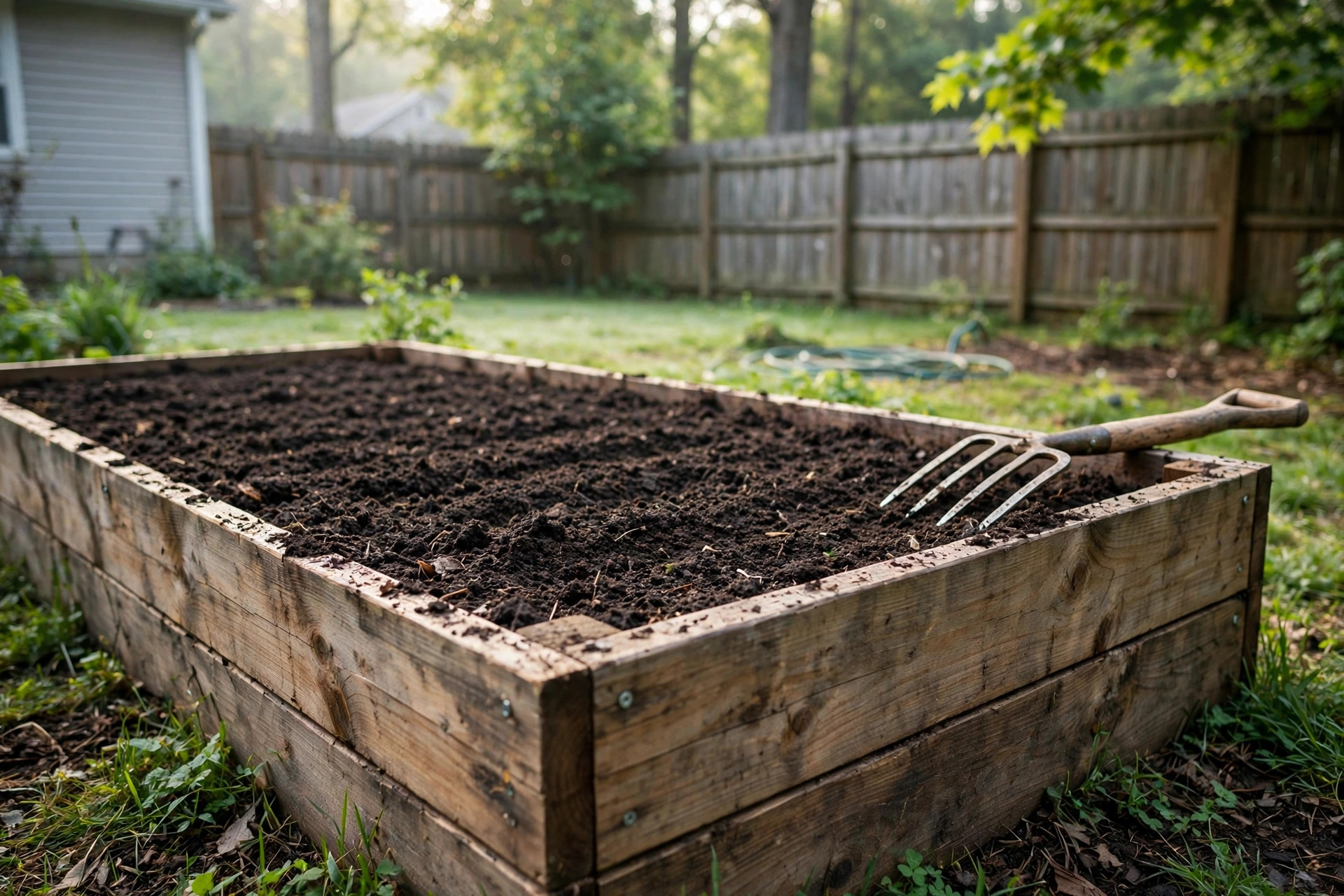
Good soil is dark brown, nearly black. The dark color comes from old plant matter that has broken down, which gardeners call humus. Humus is the main food store of the soil. Pale tan soil has little humus and feeds plants poorly. Smell the soil. It should smell sweet and earthy. A sour smell means it is too wet and airless.
Texture in the Hand
Pick up a handful of moist soil and squeeze it. Then open your hand. The best mix forms a loose ball that crumbles when you poke it. If the ball stays hard like clay, the mix is too heavy. If the soil runs through your fingers like beach sand, it is too light. The middle ground is called loam: a balanced mix of sand, silt, and clay, with plenty of humus worked in.
Water Behavior
Pour water on the soil and watch. In good soil, water sinks in at a steady pace. It does not sit on top in a puddle, and it does not vanish in a second. A simple bed test: dig a hole six inches deep, fill it with water, let it drain, then fill it again and time the second draining. One to four hours is about right for vegetables.
Types of Soil You Can Use
Three paths lead to a filled bed. You can buy bagged soil, build your own mix, or mix the two. Your choice depends on your budget, your time, and how many beds you must fill.
Bagged Raised Bed Mix
The garden center sells bags marked for raised beds. Most hold a blend of composted bark, compost, and mineral matter. Quality varies. Cheaper bags often hold a lot of ground wood that is not fully broken down. Such wood can steal food from the soil as it rots, leaving young plants hungry in their first season. Better bags hold finished compost that is dark and fine. Read the label and look for compost, aged bark, and peat or coco coir.
For one or two beds, bagged mix is often the smart choice. You open the bag, pour it in, and plant. Guides at The Spruce and reviews at Consumer Reports can help you compare brands. A raised garden bed soil mix recipe guide compares store mixes with mixes made at home.
Topsoil From a Yard or Dealer
Topsoil is the upper layer of the earth, sold by the truckload or by the bag. On its own, it is rarely the best soil for raised vegetable beds. Some is fine and dark. Some is heavy clay. Some is full of weed seeds. If you buy topsoil, mix it half and half with finished compost, and look at the pile before you buy.
Your Own Mix
Many old hands mix their own soil. The classic recipe is simple: one part compost for food, one part perlite or coarse sand for air space, and one part peat moss or coco coir to hold water. This mix drains well, holds food, and stays light enough for roots to push through. It costs more in time but less in money for big jobs.
How to Choose a Bagged Mix at the Store
Stand in the garden aisle with a plan. The front of the bag makes promises. The back lists the actual parts.
Check the parts list first. The best bags list several kinds of compost, such as composted manure, mushroom compost, or leaf compost. Bark fines are fine if they are aged. Fresh wood chips are not. Peat moss and coco coir both hold water well. Perlite, the little white puffs, keeps the mix open so air can reach the roots.
Check the bag for weight and feel. A forty quart bag of good mix feels heavy but not like a stone. The very light bag is mostly fluff and will sink a lot in the first weeks.
Think about food in the bag. Some mixes come with plant food added, enough for the first weeks. That helps a new gardener. It is not a must. If the bag has added food, do not add more of the same kind right away. Too much food burns young roots.
Buy one extra bag beyond your math. Beds always take a little more than the numbers say. An extra bag is cheaper than a second trip to the store. Shoppers often compare stock and prices at Home Depot and Lowe’s before they haul, since both carry the main national brands.
A Simple Filling Recipe That Works
Here is a recipe that has filled thousands of beds. It is simple and hard to get wrong. Measure by volume:
– Forty percent finished compost. Use two or three kinds if you can. Bagged compost from the store is fine. Compost from your own pile is better. – Thirty percent peat moss or coco coir. This holds water and keeps the mix light. Wet it well before you mix, since dry peat sheds water. – Thirty percent coarse perlite or coarse sand. This opens the mix so roots can breathe. Do not use fine play sand. It packs tight.
Mix on a tarp with a shovel until the color is even. Fill the bed and water it well. Let it sit a day, then top it up, since the first watering settles the mix. Then plant. Some gardeners add a slow-release vegetable plant food at this stage. Follow the label rate. Do not double it.
If your budget is tight, fill the bottom half of a deep bed with clean straw or fall leaves, which break down slowly. Fill the top six to eight inches with the good mix, since the roots of most vegetables live in the top eight inches. Each year, add two inches of compost on top.
Cost and Price: What a Bed Really Costs to Fill
A common bed is four feet by eight feet and ten inches deep. That bed holds about twenty seven cubic feet of soil. A two cubic foot bag of raised bed mix fills one thirteenth of that bed, so you need about fourteen bags. At six to ten dollars a bag, the fill costs roughly eighty five to one hundred forty dollars for one bed. Deeper beds cost more in the same ratio.
Bulk buying cuts the cost hard. A cubic yard of a compost and topsoil blend from a landscape yard often costs half the bagged price per cubic foot, or less. One cubic yard fills a four by eight bed at ten inches deep, with a little left over. If you have three beds or more, call the local yard and look at the pile before it is loaded.
Remember the yearly cost too. Each spring, every bed wants one to two inches of fresh compost. For a four by eight bed, that is about five cubic feet, or three bags. Plan fifteen to twenty five dollars per bed per year. Fresh compost each year is what turns a good bed into a great one.
Putting the Soil in the Bed
A little care at filling time saves trouble later. Clear the ground under the bed first. Pull up grass and weeds. Lay down cardboard or several layers of newspaper to block weeds from below. It breaks down in a few months and costs nothing.
Fill in layers. Add six inches of mix, water it well, then add more. Watering in layers settles the soil evenly and finds air pockets before your plants do. A bed filled all at once can sink badly in the middle.
Leave one inch of space below the top of the boards. This lip holds water in when you water and keeps mulch from washing out in rain. Wait a day if you can, then top up. Fresh mix settles, and topping up now is easy. Topping up around young plants later is a nuisance.
A sturdy fork from a maker like Fiskars makes the turning and leveling work easier on your back. Gardeners keeping beds for years often order tools and parts from Gardener’s Supply Company.
Care and Upkeep Through the Seasons
Soil is not a one-time purchase. Here is a simple yearly rhythm.
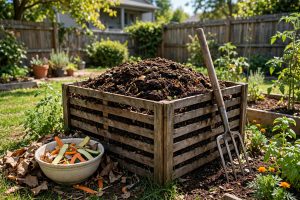
In spring, before planting, spread one to two inches of finished compost over each bed. Work it lightly into the top few inches with a fork. Do not turn the whole bed over. Deep digging breaks the tiny tunnels that worms and roots have built.
In summer, mulch the bare soil. Three inches of straw or shredded leaves keeps the soil cool, holds water, and feeds the soil as it breaks down.
In fall, after the last harvest, do not leave the soil bare. Bare soil washes away in winter rain. Plant a cover crop like winter rye, or spread a thick layer of fallen leaves. Both turn into food when you work them in come spring.
Watch for warning signs. If water puddles on top, the surface has sealed and wants mulch or compost. If the bed level drops more than two inches a year, make the spring compost layer thicker.
Safety Notes for the Vegetable Gardener
Soil work is safe work, but a few cautions are worth noting. Wear gloves. Soil holds bacteria that can enter through cuts. Wash your hands when you come inside.
Use compost that is finished. Manure that has not broken down can carry germs that do not belong near food. Bagged compost is safe. Your own pile is safe when it has heated and aged fully.
Read every label on plant food and pest products. Store them away from children and pets. The label rate is the safe rate. More product does not mean more harvest.
Check the wood of old beds. Very old treated lumber can leach chemicals into the soil. If your beds are decades old and you do not know the wood, a soil test can check for metals. Project guides at Bob Vila and step-by-step builds at Family Handyman cover safe materials and methods.
Frequently Asked Questions
Can I use garden soil from my yard in a raised bed?
You can, but mix it half and half with finished compost, and add perlite if it still feels dense. Screen out rocks and roots. If your yard soil grows weeds well, expect weed seeds in the bed too, and mulch from day one.
How deep should the soil be in a raised bed?
Ten to twelve inches of good soil grows almost every vegetable. Six inches works for lettuce, herbs, and radishes. Carrots and parsnips want the full twelve inches, loose all the way down.
Do I need to replace raised bed soil every year?
No. Good soil gets better with age if you feed it. Add compost each spring and it improves year after year. Replace soil only if it is badly contaminated.
Is peat moss or coco coir better for raised beds?
Both work. Peat moss is cheap and light, but it is harvested from bogs that regrow very slowly. Coco coir is made from coconut husks, a farm byproduct, and holds water a little longer. Choose by price and by what your conscience prefers.
Can I start seeds directly in raised bed mix?
You can, but fine seeds do better in a finer mix. Raised bed soil is chunky, and tiny seeds can fall too deep or dry out between the chunks. For small seeds, fill the planting row with an inch of fine seed starting mix. The difference between a seed starting mix vs potting soil matters here.
What is the cheapest good soil for a large number of beds?
A bulk blend from a landscape yard, half compost and half topsoil, is the cheapest good option at scale. Order by the cubic yard and look at the pile first. Seeds for those beds can come from a trusted seed house like Burpee.
A Short Final Word
The best soil for raised vegetable beds is not a brand name. It is a set of qualities: dark, loose, sweet-smelling, and full of food. You can buy it in bags, mix it on a tarp, or order it by the truckload. Squeeze it. Smell it. Watch how water moves through it. Then fill the bed, water it in, and plant with confidence. Feed it compost each spring, mulch it each summer, and cover it each fall.
Related guides on this site include best pruning shears for rose bushes.
References
Bob Vila. (n.d.). Home improvement advice. https://www.bobvila.com Burpee. (n.d.). Seeds, plants, and gardening supplies. https://www.burpee.com Consumer Reports. (n.d.). Product reviews and ratings. https://www.consumerreports.org Family Handyman. (n.d.). DIY home repair and maintenance. https://www.familyhandyman.com Fiskars. (n.d.). Garden and cutting tools. https://www.fiskars.com Gardener’s Supply Company. (n.d.). Gardening tools and supplies. https://www.gardeners.com Lowe’s. (n.d.). Home improvement products. https://www.lowes.com The Home Depot. (n.d.). Home improvement products. https://www.homedepot.com The Spruce. (n.d.). Home and garden advice. https://www.thespruce.com
Was this guide helpful?

About Lisa Anderson
The My Garden US editorial team writes practical, in-depth home and garden guides for American homeowners — tested advice, no fluff.
You May Also Like
Best Garden Hose Reel Cart Reviews: Which One Is Worth Your Money
January 11, 2026 0 views
A Raised Bed Watering Schedule for Vegetables
August 20, 2026 1 views
Best Garden Soil Test Kit Reviews: What Your Garden Soil Is Telling You
April 12, 2026 1 views