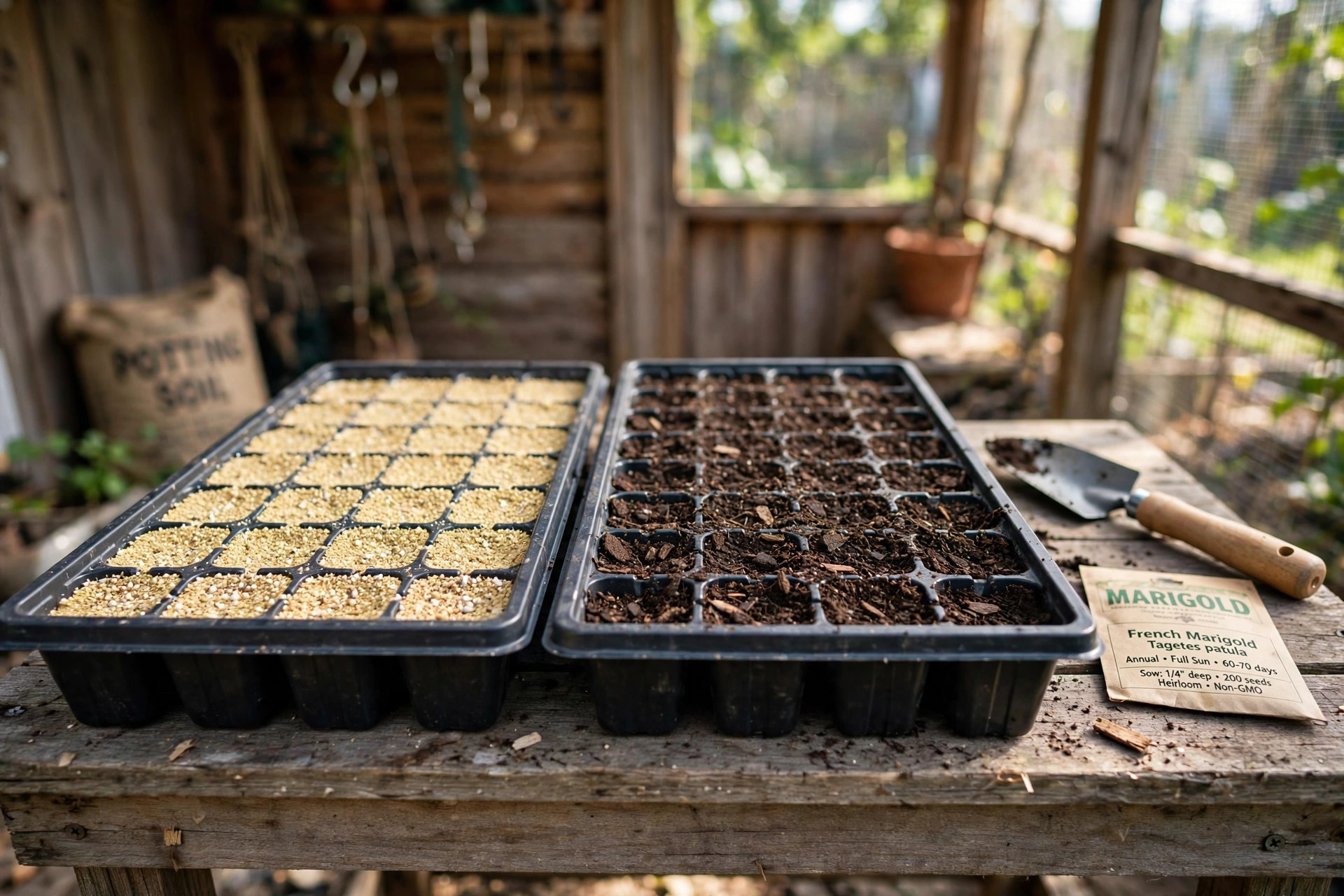
Many gardeners stand in the store aisle and ask the same question. The bag of seed starting mix looks much like the bag of potting soil. Both are dark, crumbly, and sold in the same section. Yet they are made for different jobs. In this seed starting mix vs potting soil guide, we explain what each one is, how they differ, and when to use which. The right choice gives your seeds a stronger start and saves you money.
Why the Difference Matters
A seed is a small package of stored food. It does not need plant food from the soil to sprout. It needs water, warmth, and air around it. A fine, light mix lets tiny roots push through with ease. A heavy mix can trap water and rot the seed before it ever grows.
Once the seedling has leaves and roots, its needs change. It begins to pull food from the soil. At that point, a richer mix with nutrients helps it grow fast and strong. Using the wrong mix at the wrong time causes weak stems, slow growth, and damping off, a disease that kills young seedlings at the soil line.
Many gardeners lose their first trays each year for one simple reason. They filled the tray with the wrong bag. Knowing the seed starting mix vs potting soil difference takes only a few minutes to learn and pays back all season.
What Seed Starting Mix Is: Seed Starting Mix vs Potting Soil
Seed starting mix is a soilless blend made for germination. It contains no true garden soil. Most brands use peat moss or coconut coir as the base. They add vermiculite or perlite for air space and moisture control. Some add a small amount of lime to balance the pH.
The mix is milled very fine. Fine particles wrap around small seeds and hold steady moisture against the seed coat. That contact is what softens the coat and wakes the embryo inside.
Seed starting mix holds little or no fertilizer. Seed companies design it this way on purpose. Tender new roots can burn in strong fertilizer. A clean, gentle bed is safer. Gardeners who start tomatoes, peppers, and flowers indoors in late winter depend on this quality. Burpee, one of the oldest seed houses in the country, notes that a sterile, fine-textured medium is the best home for new seeds; more on their growing advice can be found at Burpee.
What Potting Soil Is
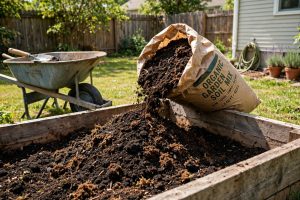
Potting soil is a heavier blend made for growing plants in pots and containers. It usually contains composted bark, peat or coir, and some garden soil or compost. It also carries added fertilizer, often enough to feed a plant for several weeks or months.
The texture is coarser than seed starting mix. Small chunks of bark and compost give it body. That body holds a pot together and keeps a larger root ball anchored. The fertilizer feeds the plant while it lives in the pot.
Potting soil is the right pick for transplanting seedlings once they outgrow their starter trays. It is also the right pick for houseplants, hanging baskets, and patio containers. Many gardeners check the selection at The Home Depot when they need a reliable bagged mix for containers.
Seed Starting Mix vs Potting Soil: Head-to-Head
The two mixes differ in four main ways.
Texture. Seed starting mix is fine and light. Potting soil is coarse and chunky.
Nutrients. Seed starting mix has almost none. Potting soil is charged with fertilizer.
Density. Seed starting mix stays loose so roots spread fast. Potting soil packs down more, which suits bigger plants.
Cost. Potting soil is usually cheaper per bag. Seed starting mix costs a bit more because of the extra milling and sterile handling.
A seed has everything it needs inside itself for the first days of life. It asks only for moisture and air. Seed starting mix answers that call. A growing seedling asks for food and support. Potting soil answers that call. Match the mix to the stage, and the plant does the rest.
How to Choose for Your Project
Starting Seeds Indoors
Use seed starting mix in cell trays, peat pots, or soil blocks. Fill the cells, water them, and sow at the depth on the seed packet. Keep the tray warm and covered until the seeds sprout. A fine mist keeps the surface moist without washing seeds away.
When the seedlings grow their first true leaves, begin feeding with a weak liquid fertilizer at half strength. This is the bridge stage. The mix has no food, so you supply a little. After two to four weeks, move the seedlings into larger pots filled with potting soil.
Transplanting Seedlings
When roots fill the starter cell, it is time to pot up. Fill the new pot with potting soil, make a hole, and set the seedling in at the same depth. Water well. The fertilizer in the potting soil now feeds the plant as it grows.
This two-step method is the standard in home gardening. It mirrors what professional growers do in greenhouses. Guides at The Spruce walk through the timing of potting up seedlings step by step.
Direct Sowing Outdoors
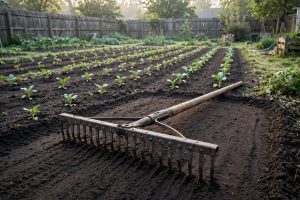
For seeds sown straight into the garden bed, neither bagged mix is required. Work the bed soil until it is fine and crumbly. Small seeds need a fine seedbed, much like what seed starting mix gives indoors. Large seeds like beans and corn push through rougher soil with ease.
If your garden soil is heavy clay, mix in compost to lighten it. Compost improves both drainage and texture. For raised beds, many gardeners follow a raised garden bed soil mix recipe to build the bed from scratch.
Houseplants and Containers
Always use potting soil for houseplants. It has the weight and food that a plant living in one pot for months or years needs. Seed starting mix is too light and too poor for this job. The plant would starve and the pot would dry out too fast.
Can You Use Potting Soil to Start Seeds?
Yes, but with care. Many gardeners do it and get fair results. To make potting soil work for seeds, sift it through a coarse screen to remove the large bark chunks. Mix in extra perlite or vermiculite to lighten it. This brings the texture closer to seed starting mix.
The risk is the fertilizer. Some potting soils are hot, meaning they carry strong fertilizer that can burn tender roots. If the bag says it feeds for six months, it is a poor pick for seeds. A plain, low-fertilizer potting soil is safer.
For small or costly seeds, do not take the chance. Use true seed starting mix. The cost difference is small, and the germination rate is higher. Consumer testing groups such as Consumer Reports have compared bagged soils and found real differences in quality between brands.
Can You Grow Plants in Seed Starting Mix?
Only for a short time. Seedlings can live in seed starting mix for a few weeks if you feed them. But a full-size plant will suffer. The mix has no lasting food and dries out too quickly for a big root system.
Think of seed starting mix as a nursery bed and potting soil as a family home. The nursery is perfect for the first weeks of life. Nobody lives in a nursery forever. Pot up on time, and your plants will thank you.
Making Your Own Mixes
Many gardeners mix their own to save money and control quality.
A simple seed starting mix recipe: – 4 parts fine peat moss or coconut coir – 2 parts vermiculite – 2 parts perlite
Moisten the blend before filling trays. Dry peat repels water, so mix in warm water until it holds together when squeezed but does not drip.
A simple potting soil recipe: – 3 parts composted bark or compost – 2 parts peat moss or coir – 2 parts perlite – A balanced slow-release fertilizer per the label rate
Homemade mixes are not sterile. If damping off has been a problem, bake small batches of the seed starting blend at 180 degrees for 30 minutes to kill pathogens. Let it cool before sowing. Family Handyman offers practical advice on mixing and sterilizing soil at home; see Family Handyman.
Cost and Price
A bag of seed starting mix usually costs a little more per quart than potting soil. You use less of it, though, since starter trays are small. One bag fills many trays.
Potting soil comes in bigger bags at a lower price per quart. For filling large pots and raised beds, it is the economical pick. Prices vary by brand and region, so compare the cost per quart on the bag label rather than the bag price alone.
Buying in bulk saves money if you garden at scale. Some garden centers sell loose compost and bark by the cubic yard. For most home gardeners, a few bags each spring cover the whole season. Store open bags in a dry shed so the fertilizer does not break down and the mix does not grow mold.
Care and Upkeep
Both mixes need proper storage. Keep bags sealed and dry. Wet, warm storage breeds fungus gnats and mold. Once a bag is open, use it within the season for best results.
Watering technique matters more than the bag you buy. Seed trays like steady, light moisture. Letting them dry out kills sprouting seeds. Keeping them soggy rots them. Bottom watering, setting the tray in a shallow pan of water, gives even moisture without disturbing seeds.
After potting up, water deeply but less often. Let the top inch of potting soil dry between waterings. This trains roots to grow deep and strong. A moisture meter takes the guesswork out for beginners.
Feed seedlings in seed starting mix once they show true leaves. Use liquid fertilizer at half the label strength every one to two weeks. Once they move to potting soil, follow the fertilizer schedule on the bag, since most potting soils feed for a set number of weeks.
Safety
Bagged mixes are generally safe, but a few precautions help.
Wear a dust mask when handling dry peat or perlite. The fine dust irritates lungs. Moisten the mix before working with it to keep dust down.
Wash your hands after handling soil mixes. Some carry bacteria that can trouble people with weak immune systems. Gardeners Supply and other retailers remind growers that clean tools and washed hands cut disease spread; see Gardener’s Supply for handling tips.
Keep fertilizer-containing potting soil away from pets and small children. Store bags out of reach. Some fertilizers are harmful if eaten.
Sterilize reused trays and pots with a ten percent bleach solution before refilling. Old soil can harbor disease. Fresh mix in clean containers gives each new crop a fair start. Tool care matters too; clean blades and trowels between uses, as advised by Corona Tools at Corona Tools.
Timing Your Seed Starting
Starting seeds at the right time matters as much as the mix. Most packets list the weeks before the last frost to sow indoors. A seed starting schedule by zone guide helps you match sowing dates to your climate.
Cool-season crops like lettuce and cabbage start earlier. Warm-season crops like tomatoes and peppers need warm soil to sprout. A heat mat under the tray speeds germination for heat lovers. Remove the cover as soon as seeds sprout so air can move.
For gardeners growing food in small spaces, containers are a fine home for many crops. Radishes, for example, grow fast in pots of potting soil. Read how to grow radishes in containers for a simple first project.
Fiskars and other tool makers note that the right hand tools make transplanting cleaner and faster; their guides are at Fiskars. Good tools, good timing, and the right mix are the three legs of seed-starting success.
Frequently Asked Questions
Is seed starting mix the same as potting soil?
No. Seed starting mix is a fine, soilless blend with almost no fertilizer, made for germination. Potting soil is a coarser, richer blend with added fertilizer, made for growing plants in containers.
Can I start seeds in regular potting soil?
You can, but sift out the large chunks and lighten it with perlite first. Avoid hot, heavily fertilized potting soils for small seeds. For best germination, true seed starting mix is the safer pick.
When should I move seedlings from seed starting mix to potting soil?
Move them when they have two to four sets of true leaves and roots fill the starter cell. This is usually two to four weeks after sprouting, depending on the plant.
Do I need to fertilize seedlings in seed starting mix?
Yes, once true leaves appear. The mix has almost no food. Feed with half-strength liquid fertilizer every one to two weeks until you pot up into potting soil.
Can I reuse seed starting mix?
It is better to start fresh each year. Old mix may carry disease and has lost its structure. Used mix can go into the compost pile or be mixed into outdoor beds.
Which is cheaper, seed starting mix or potting soil?
Potting soil is usually cheaper per quart. But you use far less seed starting mix, since starter trays are small. For most gardeners, the yearly cost of seed starting mix is modest.
A Final Word
The seed starting mix vs potting soil question has a simple answer. Start seeds in the fine, gentle mix. Grow plants in the rich, hearty soil. Match the mix to the stage of life, and you remove one of the most common causes of seedling failure. Your trays will sprout faster, your transplants will be sturdier, and your garden will show the difference all season long. Bob Vila’s gardening section offers more side-by-side product comparisons for home growers at Bob Vila, and Lowe’s garden center carries both mix types for easy comparison at Lowe’s.
References
Bob Vila. (n.d.). Home improvement advice. https://www.bobvila.com Burpee. (n.d.). Seeds, plants, and gardening supplies. https://www.burpee.com Consumer Reports. (n.d.). Product reviews and ratings. https://www.consumerreports.org Corona Tools. (n.d.). Garden and landscape tools. https://www.corona-tools.com Family Handyman. (n.d.). DIY home repair and maintenance. https://www.familyhandyman.com Fiskars. (n.d.). Garden and cutting tools. https://www.fiskars.com Gardener’s Supply Company. (n.d.). Gardening tools and supplies. https://www.gardeners.com Lowe’s. (n.d.). Home improvement products. https://www.lowes.com The Home Depot. (n.d.). Home improvement products. https://www.homedepot.com The Spruce. (n.d.). Home and garden advice. https://www.thespruce.com
Was this guide helpful?

About Lisa Anderson
The My Garden US editorial team writes practical, in-depth home and garden guides for American homeowners — tested advice, no fluff.