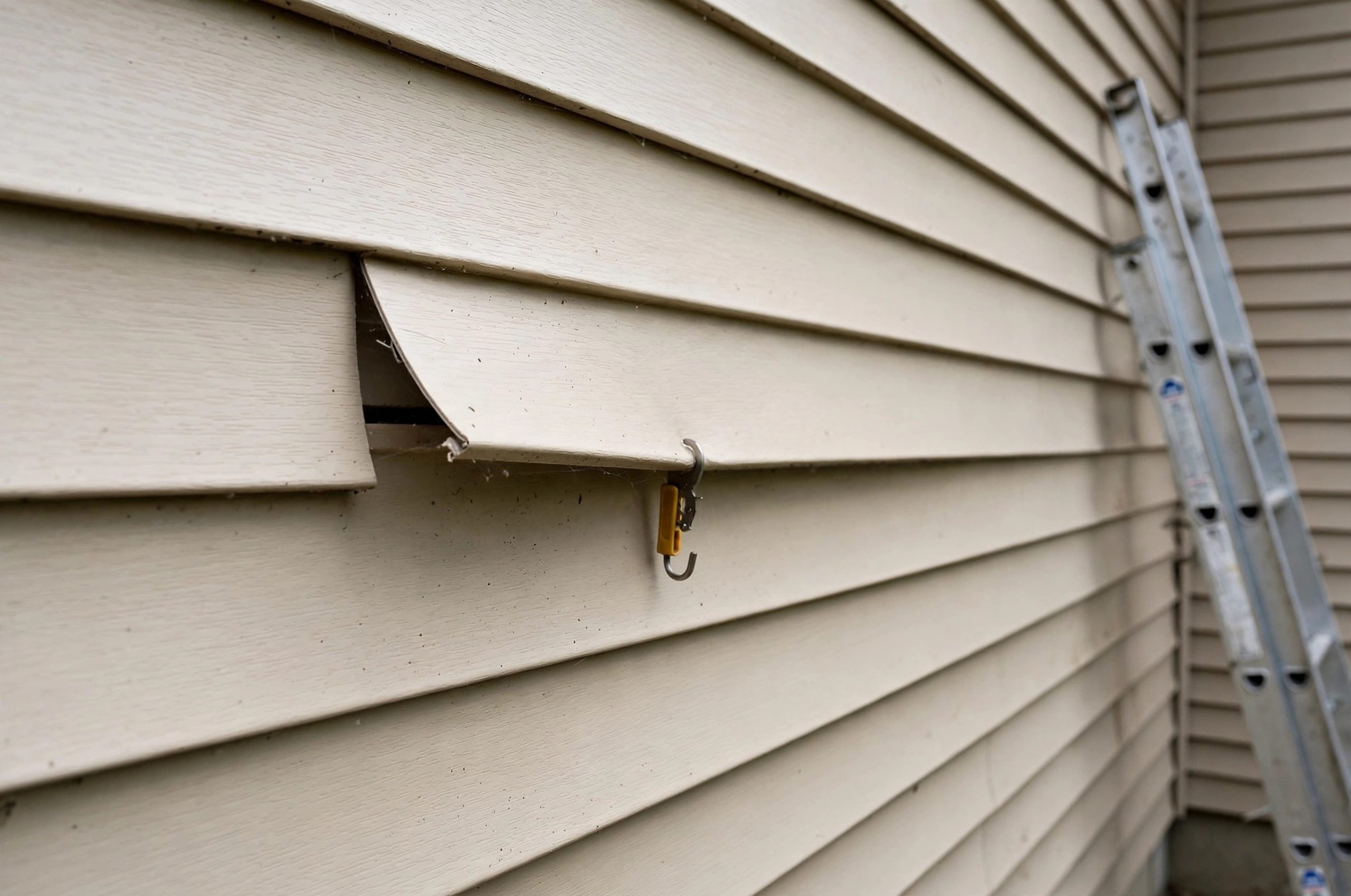
Storms are rough on siding. High winds grab loose panels and work them free. Flying branches crack vinyl. Hail dents aluminum. After the weather clears, you walk around the house and find a panel hanging, flapping, or lying in the yard. It looks bad. It also leaves your wall open to rain. The steps below show how to repair loose siding panels after storms in plain language.
Table of Contents
Table of Contents
- Repair Loose Siding Panels After Storms: Safety First
- Assess the Damage
- Tools and Materials
- How to Relock a Loose Vinyl Panel
- Step 1: Start at One End
- Step 2: Check the Nailing Hem
- Step 3: Renail Properly
- Step 4: Lock the Panel Back In
- How to Replace a Cracked Panel
- Step 1: Remove the Damaged Panel
- Step 2: Cut the Replacement to Length
- Step 3: Install the New Panel
- Fixing Corner Posts and Trim
- What Not to Do
- When to Call a Professional
- Preventing the Next Round of Damage
- The Bottom Line
- References
The good news: most loose siding panels are an easy fix. Vinyl siding is designed to lock together. A loose panel often just needs to be snapped back into place. With a cheap tool called a zip tool and a free afternoon, you can repair loose siding panels after storms yourself.
This guide covers vinyl siding, since it is the most common type in American homes. You will learn how to assess the damage, relock loose panels, replace cracked ones, and know when the job is bigger than a DIY fix.
Repair Loose Siding Panels After Storms: Safety First
When it comes to repair loose siding panels after storms, getting the details right makes all the difference.
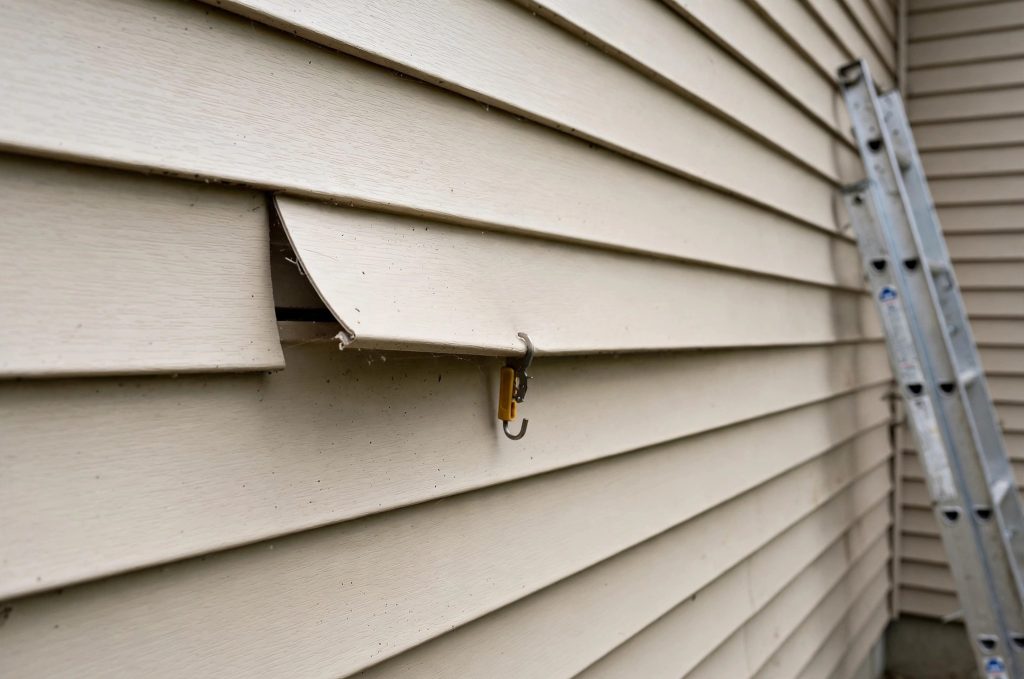
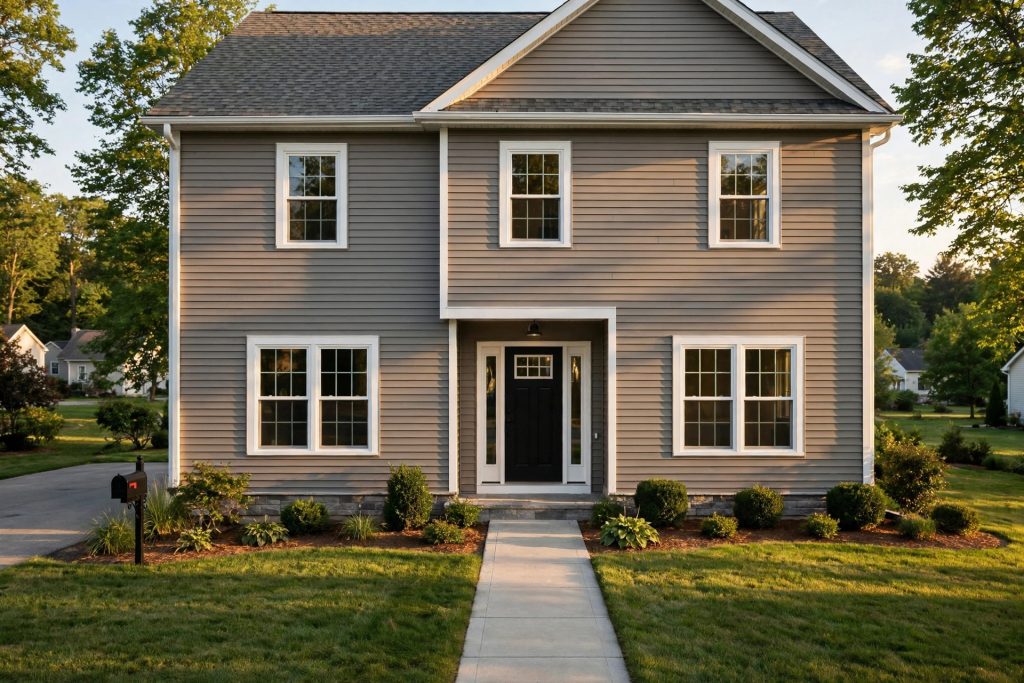
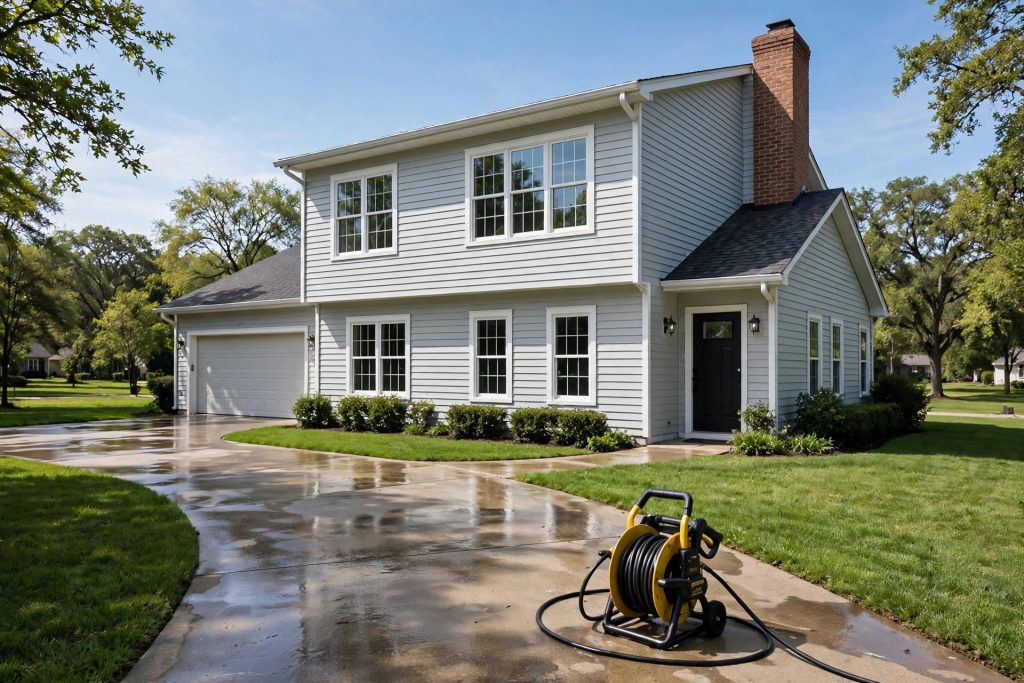
Many homeowners find that repair loose siding panels after storms is easier than they expected once they know the basics.
Storm damage means ladders, broken material, and possibly damaged wiring. Keep these rules in mind.
- Never work on a wet roof or a wobbly ladder. Wait for dry ground.
- Look up before you set a ladder. Stay clear of power lines.
- Wear gloves. Cracked vinyl has sharp edges.
- Wear safety glasses when pulling panels or using tools overhead.
- If a panel is high on a two-story wall, consider hiring a pro. Falls are not worth the savings.
- Watch for downed wires or damaged electrical fixtures on the wall. If you see sparking or smell burning, call the power company and stay back.
Assess the Damage
Many homeowners find that repair loose siding panels after storms is easier than they expected once they know the basics.
The key to repair loose siding panels after storms is choosing the right approach for your space and budget.
Walk the whole house. Storms rarely loosen just one panel. Check each wall, corner, and gable end. Look for:
- Panels that have popped out of their lock but are still hanging
- Panels lying on the ground
- Cracked or split panels
- Bent or missing corner posts and J-channel
- Exposed house wrap or sheathing
Mark problem spots with painter's tape so you do not miss any. Take photos of everything. You will need them if you file an insurance claim.
Check the wall behind any loose panel. If the house wrap is torn or the sheathing is soft and wet, water may have gotten in. Small tears in house wrap can be patched with house wrap tape. Soft or dark sheathing means a bigger problem. Malick Brothers Exteriors walks through this inspection step in its loose siding repair guide.
Tools and Materials
The key to repair loose siding panels after storms is choosing the right approach for your space and budget.
With a little planning, repair loose siding panels after storms can fit even a busy schedule.
You do not need much.
- A siding zip tool (also called an unlocking tool), a few dollars at any home center
- Hammer
- Galvanized or aluminum siding nails
- Tape measure
- Utility knife and straightedge
- Tin snips for trimming
- Pry bar (use gently, never to pry vinyl directly)
- Replacement panels that match your siding profile and color
- House wrap tape for small wrap repairs
- Ladder and a spotter
Bring a scrap of your siding to the store when buying replacements. Color and profile matching matters. Slight shade differences are common between production runs. If your siding is old, an exact match may be impossible. In that case, take panels from a hidden spot, like behind a bush, and use the new panels there.
How to Relock a Loose Vinyl Panel
With a little planning, repair loose siding panels after storms can fit even a busy schedule.
Before you start, it helps to understand how repair loose siding panels after storms works in real homes.
Most storm-loosened panels are simply unlocked. The bottom lock popped out of the panel below. Here is the fix.
Step 1: Start at One End
Find where the panel is still locked. Start there. Hook the zip tool under the bottom edge of the loose panel at the locked end. Pull down and slightly out. You will feel the lock release. Slide the tool along the seam to unzip the full length.
Step 2: Check the Nailing Hem
With the panel hanging free, look at the nailing hem along the top. This is the strip with slots where nails hold the panel to the wall. Check for pulled nails, bent nails, or torn slots. If nails backed out, that is why the wind won. EngineerFix explains the zip tool technique in detail in its storm damage repair guide.
Step 3: Renail Properly
This step matters most. Vinyl siding must hang loose on its nails. Drive nails through the center of the slots, never at the slot ends. Leave about a dime's thickness of space between the nail head and the panel. The panel should slide side to side a little. Nails driven tight will cause buckling when the vinyl expands in heat.
Space nails about every 16 inches, hitting studs or solid sheathing where you can. Use galvanized or aluminum nails. Plain steel nails rust and stain the siding.
Step 4: Lock the Panel Back In
Lift the panel's bottom lock up into the top lock of the panel below. Press along the length until you hear and feel it snap in. Run the zip tool under the seam again, pulling down and out, to make sure the full length is engaged. Tug gently on the panel. It should feel solid but still slide a touch side to side.
Michelle Hirsch's DIY repair walkthrough covers this relocking sequence with clear photos of each step.
How to Replace a Cracked Panel
Before you start, it helps to understand how repair loose siding panels after storms works in real homes.
A good plan for repair loose siding panels after storms saves time, money, and frustration.
Sometimes the panel is not just loose. It is split, holed, or the lock is broken. Replacement is the answer.
Step 1: Remove the Damaged Panel
Unzip the panel above the damaged one with the zip tool. Pull its nails with the pry bar or hammer claw. Be gentle with the surrounding panels. Cold vinyl cracks easily, so work on a mild day if you can. Lift the damaged panel out.
Step 2: Cut the Replacement to Length
Measure the space. Vinyl panels overlap at the ends by about an inch. Cut the new panel with a utility knife and straightedge, scoring and snapping, or use tin snips. Leave room for expansion. Do not jam it tight between corner posts.
Step 3: Install the New Panel
Slide the bottom lock of the new panel into the panel below. Nail the top hem loosely, centered in the slots, every 16 inches. Then relock the panel above it over the new piece using the zip tool. Check that the locks are fully engaged along the whole run.
EngineerFix's step-by-step loose siding guide has a good rundown of the nailing rules that prevent repeat failures.
Fixing Corner Posts and Trim
A good plan for repair loose siding panels after storms saves time, money, and frustration.
For most people, repair loose siding panels after storms comes down to a few smart choices.
Storms love to rip off corner posts. These are the vertical trim pieces at house corners. Replacement corner posts slide over the old ones or nail directly to the corner. Remove the damaged post, check the wrap behind it, and nail the new post with the same loose-nailing rule. Do not face-nail through the front of the post if you can avoid it. Use the nailing hem hidden inside.
J-channel around windows and doors can also pull loose. Press it back and renail through the slots. If it is bent, replace the section. Bent J-channel holds water against the wall instead of shedding it.
What Not to Do
For most people, repair loose siding panels after storms comes down to a few smart choices.
If you are new to repair loose siding panels after storms, start with the simplest option and build from there.
Do not caulk the panel seams. Vinyl siding is a rain screen. It is supposed to let water drain out behind it. Caulking the laps traps moisture in the wall. Caulk belongs around windows, doors, and trim, not between siding panels. Malick Brothers makes this point clearly: seal where siding meets trim, never the panels themselves.
Do not glue panels down. Adhesive stops the vinyl from moving. It will buckle or tear the lock in the first hot spell. Some contractors suggest tape or sealant as a storm emergency hold. Treat that as temporary only. The real fix is proper nailing and locking.
Do not nail tight. This is the most common DIY error. Tight nails are why panels buckle and pop loose in the first place. A dime's gap. Every time.
Do not mix profiles. A replacement panel must match the exposure and profile of the original. A close-enough panel will not lock right and will look wrong.
When to Call a Professional
If you are new to repair loose siding panels after storms, start with the simplest option and build from there.
Some storm damage goes beyond a zip tool. Call a siding contractor when:
- Large sections are missing or the damage spans multiple walls
- You find rotted sheathing or soaked insulation behind the panels
- The house wrap is shredded over big areas
- Matching siding is discontinued and whole walls need redoing
- Damage is high up and you are not comfortable on a tall ladder
- You suspect structural damage to the wall itself
Get three quotes. Ask each contractor how they handle the nailing and locking. A good installer will talk about expansion gaps and slot-centered nailing without prompting.
If the storm was severe, call your insurance company before you start repairs. Document everything with photos. Keep receipts for any emergency repairs. Most policies cover storm damage to siding, minus your deductible. K&M Construction's repair guide includes a solid list of when DIY should stop and a pro should step in.
Preventing the Next Round of Damage
When it comes to repair loose siding panels after storms, getting the details right makes all the difference.
You cannot stop storms. You can make your siding harder to damage.
- After any repair, check nearby panels. Wind loosens whole runs, not just one piece.
- Keep trees trimmed back from the house. Branches are the number one siding killers.
- Make sure all panels are properly locked and nailed. A pre-storm walk-around each spring catches weak spots.
- Consider impact-rated siding if you live in hail country. Insulated vinyl siding is thicker and tougher than basic hollow vinyl.
- If your siding is old and brittle, replacement may beat endless repairs. Our vinyl siding installation guide explains what proper installation looks like, and budget vinyl siding installation covers costs.
For wood siding homes, the repair approach is different. Filling and board replacement replace the zip tool. Our guide to wood siding replacement covers that path.
The Bottom Line
Many homeowners find that repair loose siding panels after storms is easier than they expected once they know the basics.
Repairing loose siding panels after storms is one of the most doable exterior repairs. A zip tool, the right nails, and patience handle most cases. Unzip, inspect, renail loosely, relock, and check your work. Replace panels that are cracked beyond saving. Never caulk the seams. Never nail tight.
Do the job right and the repair will hold through the next storm. Do it wrong and you will be back on the ladder after the next windy night. Take your time, follow the locking sequence, and your siding will be solid again. Keep this guide handy the next time you repair loose siding panels after storms.
References
The key to repair loose siding panels after storms is choosing the right approach for your space and budget.
Boss Exteriors. (n.d.). Vinyl siding maintenance: The handy homeowner's DIY guide. https://boss-exteriors.com/blog/vinyl-siding-maintenance/
Builder-Questions.com. (n.d.). Quick fix for vinyl siding. https://www.builder-questions.com/quick-fix-for-vinyl-siding/
EngineerFix. (n.d.). How to fix loose siding: Step-by-step repair. https://engineerfix.com/how-to-fix-loose-siding-step-by-step-repair/
EngineerFix. (n.d.). How to repair storm damage to your siding. https://engineerfix.com/how-to-repair-storm-damage-to-your-siding/
Facetra. (n.d.). Dealing with loose siding boards: The complete repair and prevention guide. https://facetra.halonusa.com/dealing-with-loose-siding-boards-the-complete-repair-prevention-guide/
Hirsch, M. (n.d.). DIY vinyl siding repair: A quick fix for loose panels. https://michellehirsch.com/blog/diy-vinyl-siding-repair-a-quick-fix-for-loose-panels/
K&M Construction. (n.d.). How to repair vinyl siding (Step-by-step for homeowners). https://www.kmconstructionpros.com/blog/how-to-repair-vinyl-siding-step-by-step-for-homeowners
Malick Brothers Exteriors. (n.d.). Easy steps to fix loose siding. https://malickbrothersexteriors.com/easy-steps-to-fix-loose-siding/
Was this guide helpful?

About My Garden US
The My Garden US editorial team writes practical, in-depth home and garden guides for American homeowners — tested advice, no fluff.
You May Also Like
Basement Waterproofing Services Cost Guide USA
March 4, 2026 18 views
Best Exterior Stair Railings for Midwest Homes: A Plain Guide
April 23, 2026 13 views
How to Paint Aluminum Siding Without Peeling
November 21, 2026 5 views