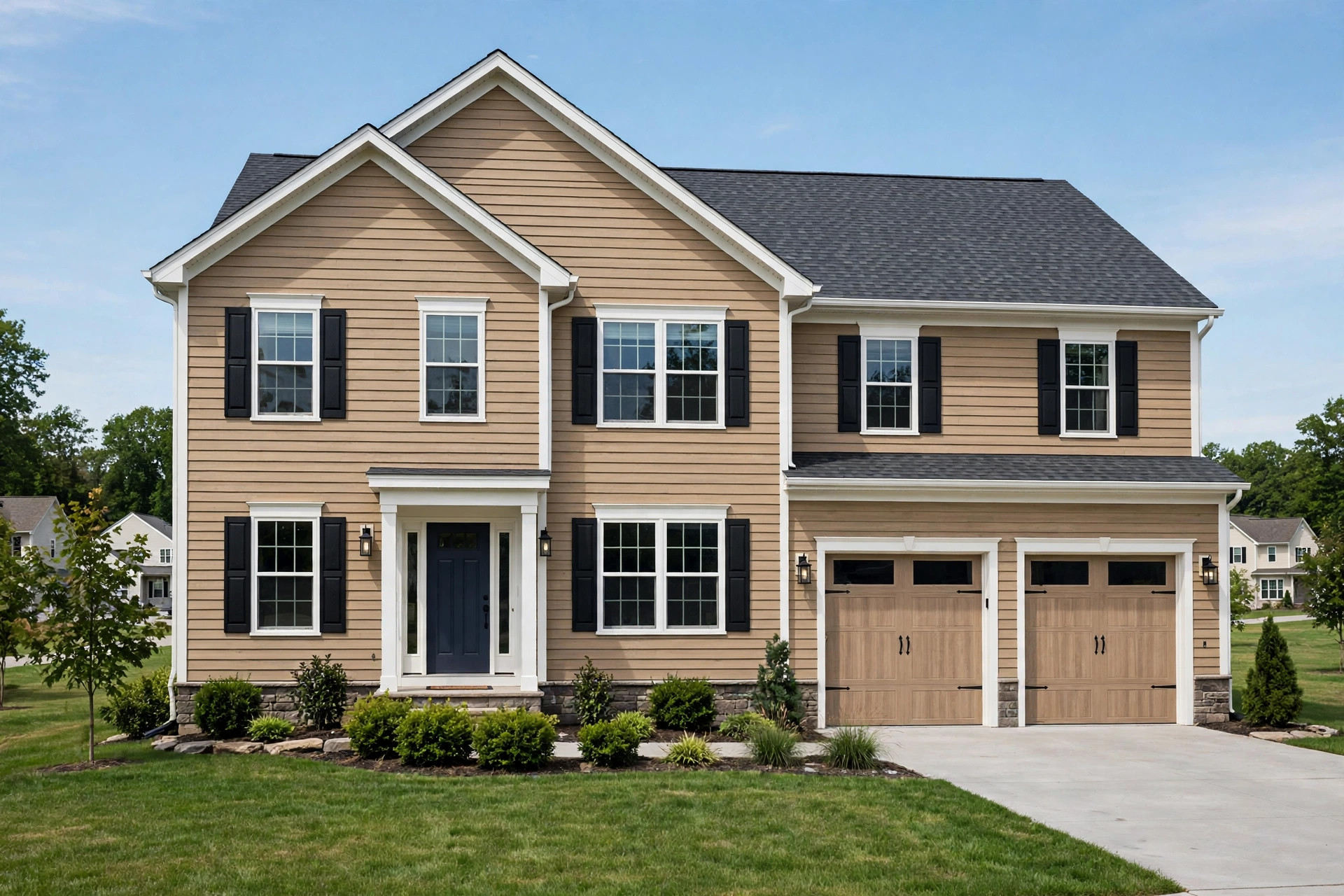

Wood siding has long been a favorite among American homeowners. It looks warm. It fits many styles. It gives a house a solid, natural feel. But wood siding does not last forever. Rain, sun, wind, and insects all wear it down. When boards crack, warp, or rot, the time comes to act. Choosing the best wood siding replacement for homeowners is a big decision. It affects the look of the home, the budget, and how much work the house will need in the years ahead. This guide walks through the key facts in plain words, so you can make a sound choice with ease.
Why Wood Siding Replacement Matters
Siding is more than decoration. It is the first shield between a home and the weather. Good siding keeps rain out of the walls and heat in during winter. When wood siding fails, water finds its way in. Wet walls lead to rot, and rot leads to high repair bills. A small problem with siding can grow into a large problem for the whole house.
Old wood siding also hurts the look of a home. Peeling paint and gray, weathered boards drag down the value of the property. A new layer of siding gives the house a fresh face. It raises curb appeal. Many homeowners find that the cost of the work pays back when the house is sold. Exterior updates rank high among projects that hold their value.
Another reason to act is energy. Old siding often hides old insulation. A replacement job is a fine time to add better sheathing or wrap. The house becomes tighter. Heating and cooling bills drop. Government guides on how the outer shell of a home affects energy use are easy to find, and a siding project is a good moment to put that advice to work.
What to Look For in a Replacement: Best Wood Siding Replacement for Homeowners
Not every siding product suits every home. A wise buyer looks past ads and studies the facts. The points below help you judge each option on its own merits.
Durability
Durability comes first. Ask how long the material lasts. Real wood can last for decades when it is cared for, but it is open to rot and insect harm. Fiber cement boards can last fifty years or more with little care. Engineered wood holds up well and resists pests. Vinyl is tough but can crack in hard cold. Look for products with a strong written warranty. A long warranty shows that the maker trusts its own board.
Look and Style
The look of the siding must fit the house. Wood siding comes in many shapes: clapboard, shingles, board and batten, and logs. Many replacement products copy these shapes. Hold samples against the house. Look at them in morning light and in evening light. A color that pleases in the store may look wrong on the wall.
Style also touches the street. A colonial home suits narrow clapboard. A ranch home suits wide boards. A craftsman home suits shingles. Think of what fits the block. A siding choice that matches the area helps hold the value of every home on the street.
Upkeep Needs
Be honest about upkeep. Real wood needs paint or stain every few years. If you skip it, the wood grays and weakens. Fiber cement holds paint much longer, often ten to fifteen years. Vinyl needs only a wash now and then, but it cannot be painted in the same way.
Ask yourself how much work you want. A homeowner who enjoys yard and house work may be glad to care for cedar. A homeowner who wants to forget the walls should pick a low-care product. There is no wrong answer, only a match between the product and the person.
Types of Wood Siding Replacement Options
The market holds many products that can take the place of old wood siding. Each has strengths and weak points. The most common choices are listed here.
Fiber Cement Siding
Fiber cement is one of the most popular wood replacements in the United States. It is made from cement, sand, and wood fiber. It looks much like wood when painted. It will not rot. It will not feed insects. It stands up to fire better than wood. Many makers back it with a thirty to fifty year warranty. Guides at This Old House walk through fiber cement installs and note the tools that make the job go well.
The main drawback is weight. Fiber cement boards are heavy. A crew must cut them with special blades and nail them with care. The job is not a good first project for a new do-it-yourself worker. It is best left to a skilled crew.
Engineered Wood Siding
Engineered wood is made from wood strands and resins pressed into boards. It is treated to resist rot and insects. It looks like real wood and takes paint well. It is lighter than fiber cement, which makes the install easier and faster. The price often sits below fiber cement and real cedar. Bob Vila has clear notes on engineered wood products and where they work best on a home.
The weak point is water. If water gets behind the boards at a joint or near the ground, the boards can swell. A good install with proper flashing and gaps keeps this risk low. Pick a product with a treated core and follow the maker rules to the letter.
Natural Cedar and Redwood
Some homeowners want true wood again. Cedar and redwood are the top choices. They have natural oils that fight rot and insects. They look rich and warm. They can be stained in many tones. The cost is high, and the upkeep is real: stain or paint every three to five years. If you love the look and accept the work, real wood is still a fine pick.
Vinyl and Composite Alternatives
Vinyl siding is the most common siding in America. It is low cost. It needs little care. It comes in many colors. Newer lines of insulated vinyl add a foam back that helps with energy. For a look at price ranges side by side, the buying guides at The Home Depot lay out many siding lines in one place, which makes comparison shopping much easier.
Composite siding made from recycled plastic and wood fiber is another choice. It looks like wood grain. It resists rot. It costs more than vinyl but less than fiber cement. Each brand differs, so read the warranty and the test data before you buy.
For owners who like the shake look, cedar shake style boards are worth a look. There are fine write-ups of cedar shake options for warm states; see also our notes on the best cedar shake siding for southern states.
Cost and Price Guide
Cost is often the first question. The price of a siding job rests on four things: the material, the size of the house, the labor rate in the area, and the state of the walls under the old siding.
As a rough guide for the United States, vinyl siding often runs three to seven dollars per square foot installed. Engineered wood often runs five to ten dollars per square foot installed. Fiber cement often runs six to thirteen dollars per square foot installed. Real cedar often runs seven to fourteen dollars per square foot installed. These ranges move with the market and the region.
A one-story ranch of twelve hundred square feet will cost far less than a two-story colonial of three thousand square feet. Tall walls need scaffolds. Cut-up walls with many windows need more labor. If the old siding hid rot, the crew must fix the sheathing before the new boards go up. That repair adds cost but must be done.
Get at least three written bids. Each bid should name the product, the brand, the color, the warranty, and the full scope of work. Bids that are far below the rest should raise doubt. A low bid may mean thin boards or rushed work. Price guides at Lowe’s can help you check whether a bid is in a fair range before you sign.
Think of total cost over time, not just day one. A cheap product that needs paint every four years may cost more over twenty years than a dear product that needs paint every twelve. Do the math. Add the cost of paint, stain, and repairs. The best value is not always the lowest bid.
Homeowners who want a deep dive into vinyl pricing will find our vinyl siding installation cost guide usa a useful companion to this page.
Care and Upkeep After Replacement
New siding still needs care. The care is simple, and a little work each year keeps the walls sound for a long time.
Wash the siding once a year. A garden hose and a soft brush take off dust, pollen, and mildew. Do not use a hard pressure wash on wood or fiber cement. High pressure can drive water behind the boards and strip paint. If you hire a washer, ask for a soft wash method.
Walk around the house each spring and each fall. Look for cracked boards, loose nails, gaps at joints, and peeling paint. Check near the ground, under windows, and where pipes pass through the wall. Small fixes now stop big rot later. The repair how-to articles at Family Handyman show many of these small jobs with clear photos.
Keep plants and mulch away from the siding. Leave at least six inches of space between soil and the first board. Trim bushes so air can move behind them. Wet plants pressed on siding hold water against the wall and invite decay.
Repaint or restain on time. Do not wait until the paint is gone. Paint that is failing lets water in. When you repaint, wash the wall first and let it dry. Two thin coats last longer than one thick coat.
Safety Tips for the Project
A siding job has real risks. Plan for safety from the start.
If you hire a crew, check that the firm is licensed and insured in your state. Ask for proof. A crew on ladders and scaffolds must have workers compensation cover. Without it, an injury on your lot can become your bill. Read reviews at trusted spots like Consumer Reports and ask the crew for local references you can call.
If you do any of the work yourself, wear eye guards and a dust mask when cutting boards. Fiber cement dust holds silica, which harms the lungs. Cut those boards outdoors with a dust-collecting saw. Keep a firm footing on ladders. Never lean past the rails. If the house was built before 1978, have the paint tested for lead before you scrape or sand.
Frequently Asked Questions
How long does a wood siding replacement take?
Most jobs take one to three weeks. A small one-story home may be done in a week. A large two-story home with rot repair may take three weeks or more. Weather can slow the work. Ask the crew for a written schedule before the job starts.
Can new siding go over old wood siding?
Sometimes, but it is often a poor idea. Old siding may hide rot. It may be uneven, which leaves waves in the new boards. Most makers want their product on flat sheathing with proper wrap. Taking the old boards off costs more, but it lets the crew find and fix hidden harm. In most cases, a full tear-off is the sound choice.
Which replacement lasts the longest?
Fiber cement often lasts the longest with the least care, often forty to fifty years. Engineered wood can last thirty years or more with good care. Real cedar can last thirty years or more with steady stain and paint. Vinyl can last twenty to forty years but may fade or crack with age. The install matters as much as the board. A fine product put up poorly will fail early.
Will new siding lower my energy bills?
It can, if the job adds house wrap and fills gaps in the walls. Siding alone adds little insulation. Insulated vinyl and added foam board help more. The largest gain comes from sealing air leaks under the new boards.
How do I pick a color that will not date the house?
Pick from classic tones: warm whites, soft grays, deep blues, and earth browns. These shades suit most styles and age well. Bright or bold colors can date fast and may clash with the street. Many brands offer visualizer tools online. Upload a photo of your home and test shades before you buy. Siding color guides at The Spruce show how light changes the look of a shade through the day. For more owner reviews of siding choices, see our page on top rated wood siding replacement reviews.
Is fiber cement worth the higher price?
For many homeowners, yes. It costs more up front, but it lasts long, holds paint well, resists fire and insects, and needs little care. Over thirty years, the total cost can beat cheaper boards that need paint and repair more often. Makers like James Hardie and CertainTeed publish full product and warranty details on their sites, so you can compare lines side by side. Style inspiration for the finished look is easy to find at HGTV, which shows real homes with many siding styles.
A Final Word
Finding the best wood siding replacement for homeowners comes down to a clear head and good facts. Know your weather. Know your budget. Know how much care you will give the walls. Then match the product to the house and to your life. Get bids in writing. Check the crew. Keep up with small care each year. A siding job done well will guard the home and lift its looks for decades.
References
Bob Vila. (n.d.). Home improvement advice. https://www.bobvila.com CertainTeed. (n.d.). Building materials and exterior products. https://www.certainteed.com Consumer Reports. (n.d.). Product reviews and ratings. https://www.consumerreports.org Family Handyman. (n.d.). DIY home repair and maintenance. https://www.familyhandyman.com HGTV. (n.d.). Home and garden ideas. https://www.hgtv.com James Hardie. (n.d.). Fiber cement siding and exterior products. https://www.jameshardie.com Lowe’s. (n.d.). Home improvement products. https://www.lowes.com The Home Depot. (n.d.). Home improvement products. https://www.homedepot.com The Spruce. (n.d.). Home and garden advice. https://www.thespruce.com This Old House. (n.d.). Home renovation guidance. https://www.thisoldhouse.com
Was this guide helpful?

About Lisa Anderson
The My Garden US editorial team writes practical, in-depth home and garden guides for American homeowners — tested advice, no fluff.
You May Also Like

Budget Friendly Pergola Installation Kits with Free Shipping: A Homeowner’s Guide
April 9, 2026 0 views
How to Buy Stone Veneer Panels Online in California
March 10, 2026 0 views
Best Gutter Installation Services Near Me: A Complete Guide
September 4, 2026 0 views