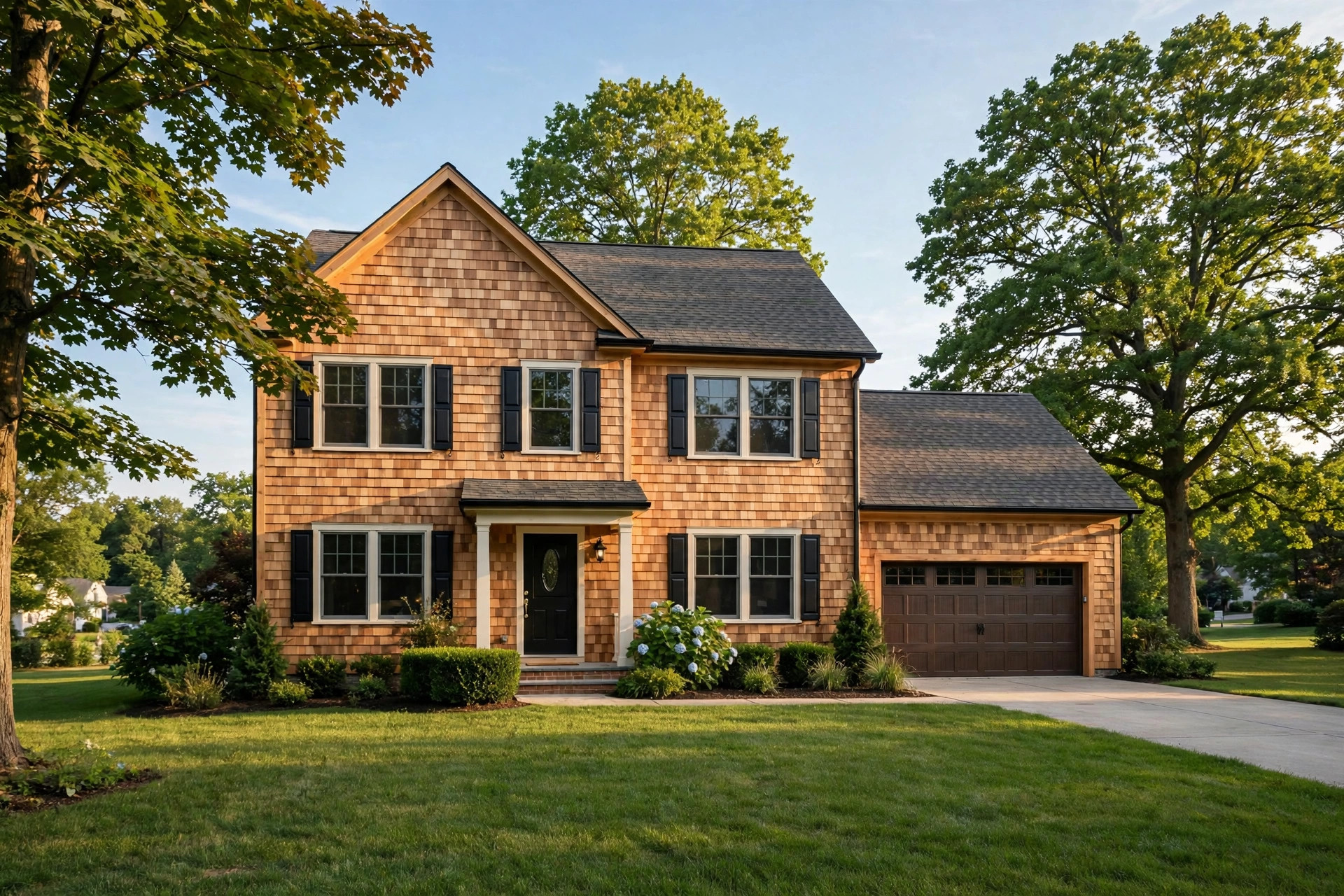

The search for top rated wood siding replacement reviews often begins the same way. A homeowner walks around the house one spring morning and notices boards that look tired. Paint is peeling. A few boards feel soft under a thumb. Maybe water stains run down one wall. The question follows at once: is it time for a repair, or is it time to replace the siding altogether? This guide answers that question in plain language. It explains how to read reviews, what the best-rated wood products have in common, how to choose a contractor, what the work costs, and how to keep new siding in good shape for decades.
Why Wood Siding Replacement Matters
Siding does more than make a house look finished. It is the first shield against rain, wind, snow, and sun. When boards crack or rot, water slips behind them. Water behind siding can ruin the sheathing, feed mold, and invite insects. A small problem left alone often grows into a large one.
Wood siding also carries a look that many buyers love. It has warmth and texture that man-made boards try to copy. Many older homes wear cedar or redwood boards that have lasted fifty years or more. When such siding finally wears out, replacing it with quality wood keeps the character of the house. Top rated wood siding replacement reviews consistently praise jobs where the new boards matched the old style so well that the change was hard to spot.
A full replacement is also a chance to fix hidden trouble. Once the old boards come off, a contractor can check the wall for rot and add house wrap or flashing where it is missing. Many reviewers say this hidden repair was the most valuable part of the job.
What to Look for in Reviews: Top Rated Wood Siding Replacement Reviews
Not all reviews help. Some are too short to say anything. Some come from sellers, not buyers. When reading top rated wood siding replacement reviews, look for a few marks of trust.
First, look for detail. A useful review names the product, the grade of wood, and the finish. It says how many winters the siding has seen. Short praise with no detail tells you little.
Second, look for balance. The best reviews mention small faults along with the praise. A reviewer who notes that one bundle had knots or that the stain faded on the south wall is likely writing from real experience.
Third, check the date and the climate. A review from a wet coastal town matters more if you live near the sea. A review from a dry mountain region matters more if you live inland. Wood behaves very differently in damp air than in dry air.
Fourth, notice who wrote it. Reviews from licensed contractors and long-time homeowners carry more weight than reviews with no name. National suppliers like Home Depot collect many verified buyer reviews, which makes it easier to separate real reports from noise.
Finally, read the middle ratings as well as the top ones. Three and four star reviews often give the truest picture of what a product does well and where it falls short.
Types of Wood Siding and How They Rank
Reviews cover several kinds of wood siding. Each has its own price, look, and life span.
Cedar
Cedar is the most reviewed wood siding in America. Western red cedar boards resist rot and insects on their own. Reviewers praise the rich color and the way cedar takes stain. Factory-primed cedar earns some of the highest marks because the coating bonds better in the factory than in the field. For a deeper look at one cedar style, see this energy efficient cedar shake siding buying guide.
Redwood
Redwood is another old favorite. It is strong, stable, and naturally resistant to decay. It costs more than cedar in most markets and can be harder to find. Reviews from the West Coast, where redwood is common, rate it very highly for long life.
Pine and Fir
Southern yellow pine and Douglas fir cost less than cedar or redwood. They must be treated or painted well to last outdoors. Pressure-treated pine earns fair reviews when it is installed with care and kept painted. Bargain grades get poor reviews because they twist and check.
Engineered Wood
Engineered wood siding is made from wood strands bound with resin. It is not solid wood, but many buyers compare it with wood. Top rated reviews like its lower price and its resistance to rot. Purists prefer solid boards, but engineered products have earned a place in the market. Manufacturers such as James Hardie are better known for fiber cement, yet shoppers often compare engineered wood against such man-made boards when reading home care guides like The Spruce.
Shingles and Shakes
Wood shingles and shakes give a textured, hand-made look. They cost more to install because each piece goes on by hand. Reviews praise the beauty and the long life of thick shakes. They also warn that the work takes time and that a careless crew can ruin the look.
How to Choose the Right Product
Start with your climate. In wet regions, choose cedar or redwood, or a treated product rated for ground contact. In dry regions, pine and fir do fine if painted on all sides. In hot sun, a light-colored stain lasts longer than a dark one.
Next, match the grade to the job. Clear grades have few knots and look best on the front of the house. Knotty grades cost less and suit cabins, sheds, and rear walls. Reviews warn against mixing grades on one wall, where the difference shows.
Check the moisture content. Good siding leaves the mill at a controlled moisture level. Boards that are too wet shrink and open gaps. Boards that are too dry can split during nailing. Reputable mills stamp the grade and the moisture rating on the boards.
Ask about the finish. Factory-finished siding costs more up front but often earns better long-term reviews. The coating goes on evenly in a clean shop, and every edge gets covered. Field-applied stain works well too, but it depends on the weather and the painter.
Finally, compare warranties. Solid wood carries no factory warranty against rot in most cases, because wood is natural. Engineered products carry written warranties, sometimes thirty years or more. Read the terms. Many warranties cover only the product, not the labor to replace it.
Cost and Price: What Reviews Reveal
Prices move with lumber markets, so any figure here is a guide, not a promise. In recent years, American homeowners have reported the following ranges.
A simple repair, where a contractor replaces a few damaged boards, often costs a few hundred to a couple of thousand dollars. This suits small patches of rot near the ground or around windows.
A partial replacement, such as re-siding one or two walls, often runs from five to fifteen thousand dollars, depending on the size of the wall and the grade of wood.
A full-house replacement with mid-grade cedar typically runs from twenty to forty thousand dollars for an average two-story home. Premium grades, hand-split shakes, or complex house shapes can push the price higher.
Labor is usually the largest share of the bill. Removing old siding, fixing what is behind it, and hanging new boards takes skill and time. Reviews that praise low bids sometimes turn sour a year later when boards loosen or gaps open. The reviewers with the fewest regrets are often those who chose a middle bid from a contractor with strong local references.
Get at least three written bids. Each bid should list the species, grade, and finish of the wood, the scope of tear-off, the type of house wrap, and the payment schedule. Never pay the full price before the work begins. A common pattern is one third at the start, one third at the midpoint, and the rest when the job is done and you have walked the house with the contractor.
Painting or staining adds cost but protects the wood. Budget for a quality stain every three to seven years, depending on sun and weather. Many reviewers call this the hidden cost of wood siding, and they say it is worth it for the look.
Care and Upkeep
Wood siding lasts longest when it is kept clean and dry. Wash the walls once a year with a garden hose and a soft brush. A mild soap helps on dirty spots. Avoid high-pressure washers, which can drive water behind the boards and scar the surface.
Keep plants and soil away from the siding. Leave at least six inches between the ground and the lowest board. Trim bushes so air can move behind them. Reviewers who skipped this step often report rot at the base of the walls.
Re-stain or re-paint on schedule. South and west walls fade first. When water no longer beads on the surface, it is time for a new coat. Light sanding before the new coat helps it grip.
Check caulk lines each year. Caulk around windows, doors, and trim cracks over time. Fresh caulk keeps water out of the joints. Step-by-step repair tips from Family Handyman show how a homeowner can handle small caulk and board repairs with simple tools.
Inspect after storms. High wind can loosen boards. Hail can dent soft woods. A quick walk around the house after bad weather catches problems while they are small.
Safety During Replacement
Siding work involves ladders, nail guns, and old paint. Safety deserves real attention.
Old houses may have lead paint under the siding or on the trim. Federal rules require special handling when lead paint is disturbed. If your home was built before 1978, have the paint tested before work starts.
Workers should wear eye protection, gloves, and dust masks when cutting wood. Cedar dust can irritate the lungs. Ladders must stand on firm ground and extend three feet past the edge they serve.
Keep children and pets away from the work area. Nails and sharp scraps fall during tear-off. A magnetic sweep of the yard at the end of each day picks up stray nails.
Power tools and sawdust near dry grass call for care. Keep a fire extinguisher on site during cutting. Practical project advice from Bob Vila reminds readers that most siding injuries come from rushing, not from the tools themselves.
Frequently Asked Questions
How long does wood siding last?
With good care, cedar and redwood siding can last forty to sixty years. Pine and fir last twenty to thirty years when kept painted. The finish matters as much as the wood. Boards that are re-stained on schedule outlive boards that are left bare.
Is wood siding better than vinyl?
Each has its place. Wood looks richer and can be repaired one board at a time. Vinyl costs less and needs no paint. Top rated wood siding replacement reviews often come from homeowners who chose wood for the look and accepted the upkeep that comes with it.
Can I replace siding myself?
A skilled do-it-yourselfer can replace a few boards. A full house is a different task. It calls for scaffolding, long straight cuts, and knowledge of flashing and house wrap. Most reviewers who tried a full house alone say they wish they had hired a crew. If you do try small repairs, experienced builders featured by This Old House offer measured guidance on technique.
What is the best stain for cedar siding?
Most reviewers favor a penetrating oil or semi-transparent stain for cedar. It soaks in, shows the grain, and is easy to re-coat. Solid stains hide the grain but last longer on rough wood. Avoid cheap stains that peel in sheets, because they are hard to remove.
How do I find a good siding contractor?
Ask neighbors, check local reviews, and confirm the license and insurance. A good contractor gives a written bid, names the exact product, and offers local references you can visit. Large home improvement retailers such as Lowe’s also connect buyers with local installers, which some reviewers found convenient.
Should I replace siding or just repaint?
Repaint when the boards are sound and the paint is simply worn. Replace when boards are soft, split through, or rotten in many places. If more than a fifth of the wall needs patching, replacement often costs less in the long run than endless repairs.
A Short Final Word
Top rated wood siding replacement reviews point to the same lessons again and again. Choose the right wood for your climate. Buy a fair grade, not the cheapest bundle. Hire a careful crew. Keep the finish fresh. Do those four things, and new wood siding will guard your house and please your eye for decades. For readers weighing other exterior projects, related guides cover storm door installation reviews and stucco repair services in Arizona.
See CertainTeed for more detail.
References
Bob Vila. (n.d.). Home improvement advice. https://www.bobvila.com CertainTeed. (n.d.). Building materials and exterior products. https://www.certainteed.com Family Handyman. (n.d.). DIY home repair and maintenance. https://www.familyhandyman.com James Hardie. (n.d.). Fiber cement siding and exterior products. https://www.jameshardie.com Lowe’s. (n.d.). Home improvement products. https://www.lowes.com The Home Depot. (n.d.). Home improvement products. https://www.homedepot.com The Spruce. (n.d.). Home and garden advice. https://www.thespruce.com This Old House. (n.d.). Home renovation guidance. https://www.thisoldhouse.com
Was this guide helpful?

About James Carter
The My Garden US editorial team writes practical, in-depth home and garden guides for American homeowners — tested advice, no fluff.
You May Also Like

Best Outdoor Security Cameras for California Apartments
February 23, 2026 0 views
Exterior Stair Railings: Reviews and Buying Guide
September 26, 2026 0 views
Top Rated Cedar Shake Siding for Southern States
February 5, 2026 0 views