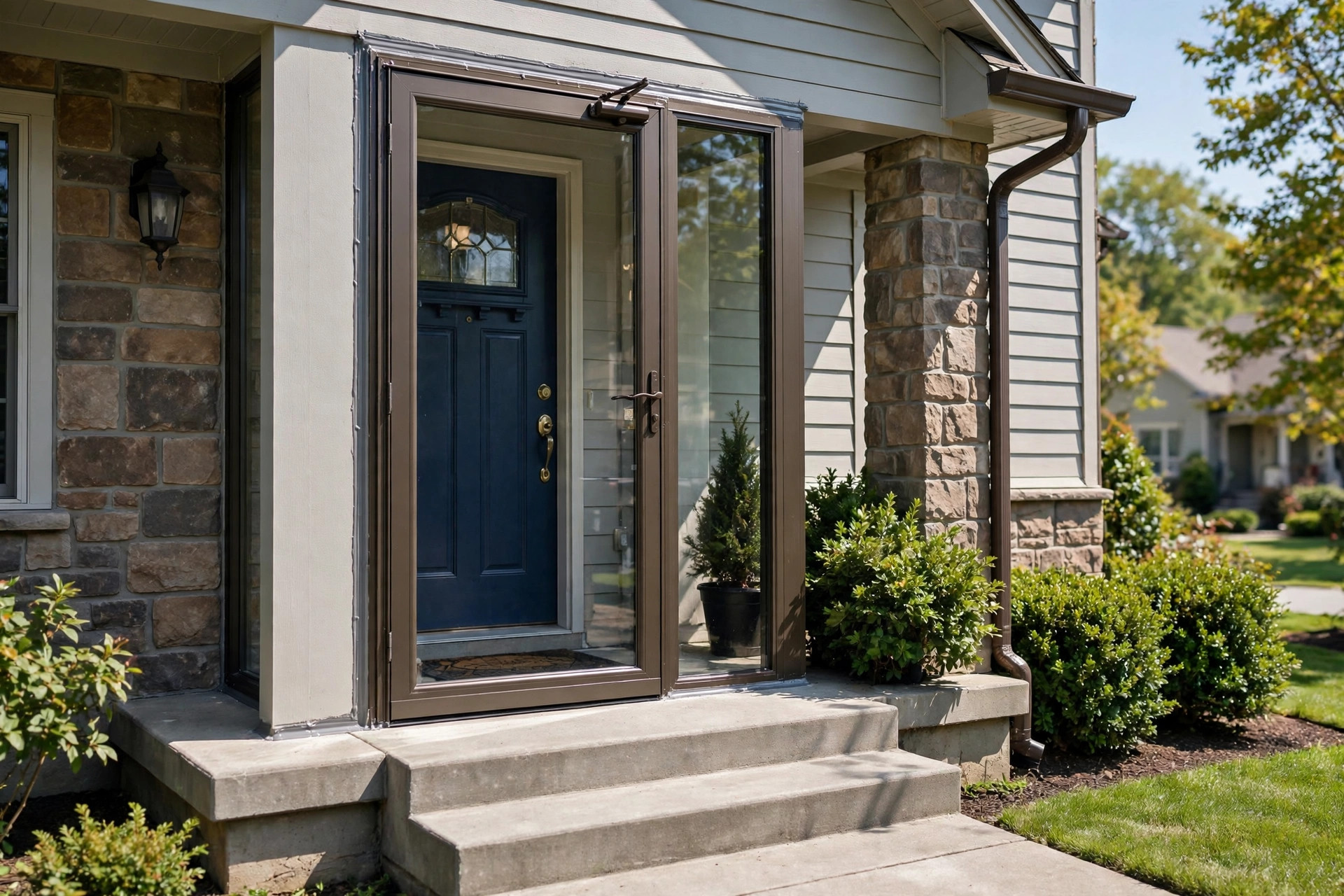

A storm door is a second door that stands outside your main entry door. It lets in light and air while it keeps out rain, wind, and bugs. When you look at top rated storm door installation reviews, you are reading what other homeowners say about the people who put these doors in. This guide shows how to read such reviews with a clear head, how to pick a good installer, what kinds of storm doors exist, what the work costs, and how to keep your new door in good shape for many years.
Why Storm Door Reviews Matter
A storm door costs real money. The door itself may run from one hundred to five hundred dollars. The labor to hang it may add another one hundred to three hundred dollars. That is too much money to hand to a stranger without checking his name first. Top rated storm door installation reviews give you a record of how that stranger treated other homes. They tell you whether he showed up on time, whether he measured twice, and whether he cleaned up when the job was done.
A storm door is not a hard job for a skilled man, but it is a fussy one. The frame must sit square. The sweep must brush the threshold. The closer must catch the door at the right speed. A poor fit leaves a gap. A gap lets in cold air and insects, which defeats the purpose of the door. Reviews from people who paid for the same work show whether an installer takes these small details seriously or rushes past them.
Reviews also show how a company acts after the sale. A door may warp or a latch may stick months after the installer leaves. The way a firm answers those calls is worth more than a low price. Look for reviewers who write about a follow-up visit. Those stories show a business that stands behind its work.
How to Read Top Rated Storm Door Installation Reviews
Not every review deserves the same weight. Learn to separate a helpful review from a useless one.
Check the Date of the Review
A review from three years ago may describe a company that has changed hands since. Give most weight to reviews written in the last twelve months.
Look for Detail, Not Just Stars
A five-star review that says “great job” tells you almost nothing. A four-star review that says the installer arrived at nine, spent two hours, shimmed the frame, adjusted the closer twice, and swept the porch tells you everything. Detail is the mark of an honest reviewer. Skim past the short praise and read the long stories.
Watch for Patterns Across Many Reviews
One complaint about a late arrival may mean nothing. Ten complaints about late arrivals mean a habit. The same rule holds for praise. When many reviewers mention the same strength, such as neat caulking or clear explanations of the price, that strength is probably real. Patterns matter more than single voices.
Read the One, Two, and Three Star Reviews
Happy customers often leave short notes. Unhappy customers often leave long ones. The middle and low reviews hold the best lessons about what can go wrong. Note whether the company answered these reviews. A calm, specific reply from the owner is a good sign. Silence, or a rude reply, is a warning.
Be Wary of Review Tricks
Some reviews are not from real customers. A flood of short five-star notes posted in one week may be fake. A reviewer who praises three companies in three towns in one day is not to be trusted. Real reviews are spread out over time and sound like real people. Trust your common sense. If a review page looks planted, move on to the next company.
What to Look for When You Choose an Installer
Reviews point you to names. Before you hire, check a few facts yourself. A careful homeowner does his own homework.
First, ask for proof of insurance and a license where your state requires one. A storm door job is small, but an installer still drills into your frame and handles heavy glass. If he is hurt on your porch, his insurance should pay, not you. A honest man shows these papers without a fuss.
Second, ask how he measures. A good installer measures the opening in three places for width and three places for height. Doors and frames are rarely perfect squares in older homes. A man who measures once may order a door that does not fit. A man who measures three times knows his trade.
Third, ask what is included in the price. Does the price cover the old door removal? Does it cover new weather stripping and a door sweep? Does it cover caulking around the outside frame? A low bid that leaves out these basics can cost more in the end than a higher bid that covers everything. Ask for the quote in writing.
Fourth, ask about the schedule. A standard storm door goes up in one to two hours once the door is on hand. If the door must be ordered, ask how long the order takes.
Many homeowners start their search with a phrase like best storm door installation near me. That is a fine start, but do not stop there. Call two or three of the best-reviewed names. Compare their quotes and their manner. The right installer answers questions in plain words and never rushes you to sign.
For larger entryway projects, some homeowners weigh a full replacement instead of a storm door alone. A guide to professional grade exterior door replacement can help you compare the two paths. And if your back door needs attention too, you may find an energy efficient sliding patio doors buying guide useful before you call anyone.
Types of Storm Doors Worth Knowing
Reviews often mention the type of door installed. Know the types so the reviews make sense.
Full View Storm Doors
A full view door is mostly glass with a thin frame. It shows off your main entry door and lets in the most light. The glass panel on many models swaps out for a screen in summer. These doors look sharp, but they offer less protection for the glass because there is more of it.
Mid View Storm Doors
A mid view door has glass on the upper half and a solid panel below. The solid panel hides scuffs from pets and children. Many reviewers with dogs pick this style. It costs a bit less than a full view model and stands up better to daily wear.
High View Storm Doors
A high view door, sometimes called a three-quarter view, sits between the two. It gives a large glass area with a kick panel at the bottom. Reviewers often praise it as a good middle ground for homes with active families.
Security Storm Doors
A security storm door has a steel frame and heavy mesh or bars. It resists kicks and pry bars. It costs more and weighs more, so the installer must anchor it with care. If reviews mention an installer who handled a heavy security door well, that says much about his skill.
Cost and Price of Storm Door Installation
Prices move with the door you choose and the part of the country you live in. Use the ranges below as a rough map, not a promise.
A basic mid view storm door from a large home improvement retailer may cost one hundred to two hundred fifty dollars. A full view door with better hardware may cost two hundred to four hundred dollars. A heavy security storm door may cost four hundred to nine hundred dollars or more.
Labor for a standard install runs about one hundred to three hundred dollars. The job takes one to two hours for an experienced hand. A difficult frame, such as one that is out of square or rotted at the sill, can add to the bill.
Watch for extra fees. Removal of the old door may cost twenty-five to seventy-five dollars. New interior trim or a threshold repair can add more. A honest quote lists these items by name so you are not surprised at the end of the day.
Money guides from hardware store buying resources can help you compare door models before you call for quotes. And if you plan other exterior work at the same time, such as siding, the price lists kept by exterior product makers and building material suppliers give a sense of what home projects cost in your region.
Do not pick an installer on price alone. The cheapest bid often cuts corners on caulking, shimming, or the closer adjustment. Aim for the middle, and give extra weight to the company whose reviews praise careful work.
Care and Upkeep
A storm door asks for little, but it asks for it every year. A small habit of care keeps it working for fifteen to twenty years.
Wash the glass in spring and fall with mild soap and water. Do not use harsh cleaners that can dull the finish on the frame. Wipe the frame dry so water does not sit in the corners.
Check the weather stripping once a year. It sits around the inside of the frame and seals the door shut. If it is cracked or flat, pull it out and press in new stripping. The job takes ten minutes and costs a few dollars.
Look at the door sweep at the bottom. It should brush the threshold along its full width. If the sweep is worn, the door will leak air at the base. Most sweeps slide out of a channel and slide back in by hand.
Test the closer in each season. The closer is the tube at the top that controls how fast the door shuts. Heat makes the air inside it thin, so the door may slam in summer. Cold makes the air thick, so the door may creep shut in winter. A small screw on the closer adjusts the speed. Turn it a quarter turn at a time until the door latches without slamming.
Oil the hinges and the latch with a drop of light oil once a year. Wipe off the extra oil so it does not catch dust. Guides from home repair teachers and DIY how-to writers show these small jobs in clear steps if you have never done them before.
Safety Notes
The door swings outward, so make sure it does not strike a light fixture or a low step when it opens. A good installer checks the swing before he drills the closer.
A locked storm door with glass can trap heat between the two doors on a hot day. On a door that faces full afternoon sun, this heat can warp some entry door finishes. If your entry door has a dark stain and faces west, ask the installer about venting or a door with a screen option for summer.
Keep the closer adjusted so the door does not slam on small fingers. Teach children to use the handle, not the glass, to pull the door shut. These are small habits, but they prevent the injuries that reviewers mention most.
Frequently Asked Questions
How long does storm door installation take? A standard job takes one to two hours once the door is on hand. Measuring and ordering the door can add one to three weeks in busy seasons. A difficult frame or a heavy security door may stretch the install to a half day.
Can I install a storm door myself? Many handy homeowners do. The job needs a drill, a level, a tape measure, and patience. The hard part is measuring the opening right and keeping the frame square. If your frame is out of square or rotted, hire a professional.
Should the storm door match the color of the house? It should match or blend with the trim, the entry door, or the shutters. White is the safe choice on most homes. A color that matches the front door can look sharp. Exterior design writers offer color pairing ideas if you want a second opinion.
Do storm doors really save energy? They help, though they will not cut your bill in half. A storm door adds a layer of still air in front of your entry door. That layer slows heat loss in winter and heat gain in summer. The gain is largest on older entry doors with thin panels or loose seals.
What should I do if the door slams shut? Adjust the closer. Find the small screw on the closer tube and turn it a quarter turn toward the slower setting. Test the door. Repeat until it latches softly. The job takes two minutes. Seasoned project advisors note that this is the most common storm door complaint and the easiest to fix.
How do I know the installer did a good job? Open and close the door ten times. It should latch every time without a push. Look at the frame from the side. The caulk line should be smooth and even. Feel around the edges on a windy day. You should feel no draft. If anything is off, call the installer back before you write your review.
A Final Word
Top rated storm door installation reviews are a tool, not a verdict. Use them to build a short list of names. Then do your own checks. Ask for insurance. Ask how the man measures. Ask what the price includes. Compare two or three quotes. The best reviews share one theme: the installer treated the home as if it were his own. Find that man, and your new storm door will serve you well for years.
References
Bob Vila. (n.d.). Home improvement advice. https://www.bobvila.com CertainTeed. (n.d.). Building materials and exterior products. https://www.certainteed.com Family Handyman. (n.d.). DIY home repair and maintenance. https://www.familyhandyman.com James Hardie. (n.d.). Fiber cement siding and exterior products. https://www.jameshardie.com Lowe’s. (n.d.). Home improvement products. https://www.lowes.com The Home Depot. (n.d.). Home improvement products. https://www.homedepot.com The Spruce. (n.d.). Home and garden advice. https://www.thespruce.com This Old House. (n.d.). Home renovation guidance. https://www.thisoldhouse.com
Was this guide helpful?

About David Wilson
The My Garden US editorial team writes practical, in-depth home and garden guides for American homeowners — tested advice, no fluff.
You May Also Like

The Best Siding Color Visualizer Tools for Cold Climates
July 7, 2026 0 views
Foundation Crack Repair Cost Guide USA: What Homeowners Should Know
January 29, 2026 0 views
Best Deck Building Contractors Near Me: How to Choose the Right Deck Builder
March 11, 2026 0 views