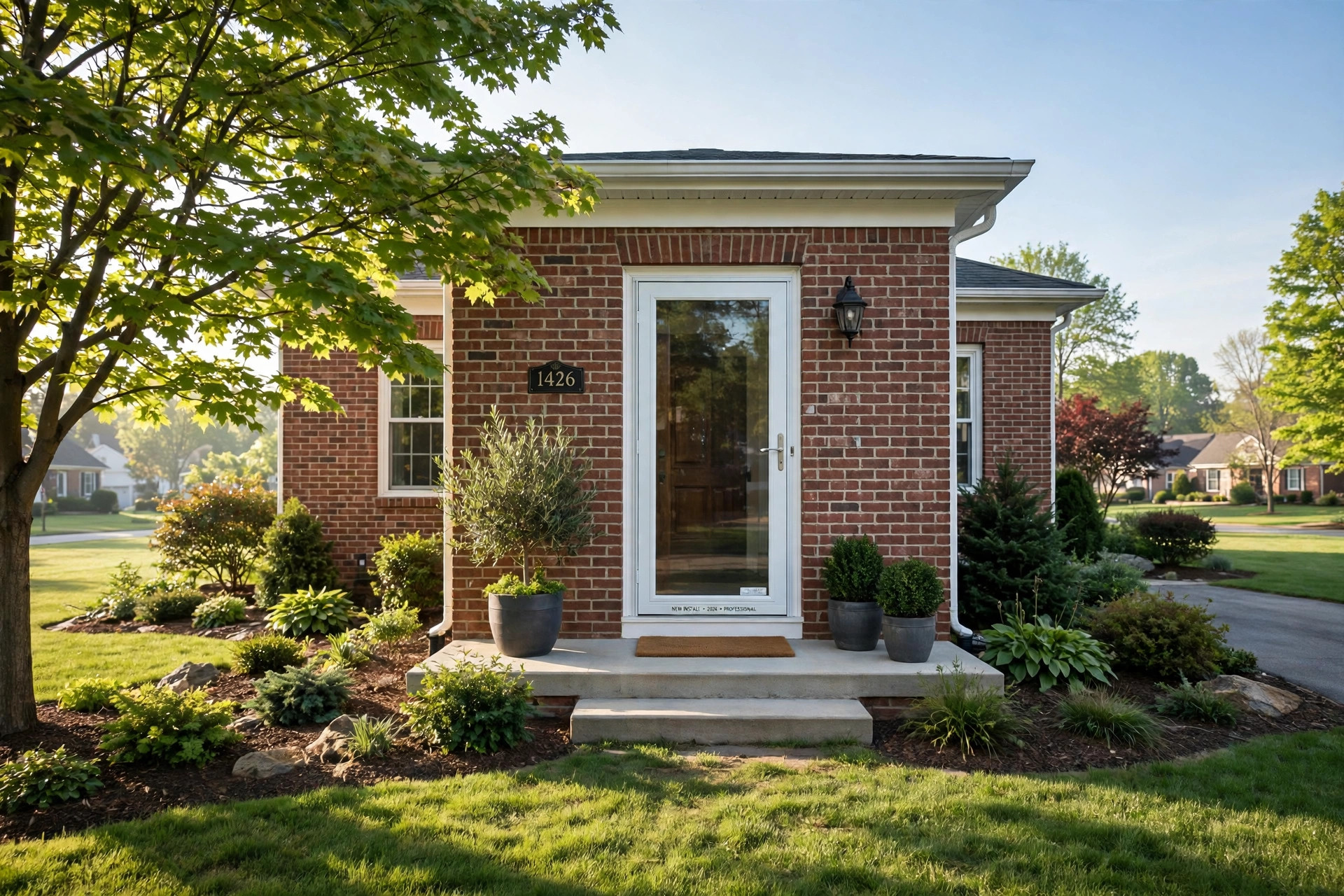

A good storm door is one of the plainest ways to make a home feel better. It lets in light. It lets in fresh air. It keeps out wind, rain, and insects. Many home owners search for the best storm door installation near me when the old door sticks, rusts, or lets in a draft. A proper install makes the door swing straight, close tight, and last for years.
A storm door is a second door that sits outside the main entry door. It has a frame with glass panels, screen panels, or both. The glass keeps the cold out in winter. The screen lets a breeze through in summer. The main door stays safe behind it. Some people call it a screen door. Others call it a combination door. The name does not matter much. What matters is the fit.
A poor fit causes trouble. A door that is not square will not latch. A frame that is not sealed will let in rain. Over time the metal can bow or the screen can tear. This is why the install matters as much as the door itself. A well made door with a poor install will fail early. A fair door with a fine install can last twenty years.
Why a Storm Door Matters
A storm door protects the main entry door from weather. Sun, rain, snow, and wind wear down wood and paint. The storm door takes that wear instead. This keeps the main door looking good for a long time. It also cuts down on paint and repair work.
A storm door also saves energy. An extra layer of glass slows heat loss in winter. It slows heat gain in summer. The home feels warmer or cooler near the door. The heating and cooling bills may fall a little. The gain is not large, but it is real.
Fresh air is another gain. In mild months the glass can be swapped for a screen. Open air flows through the hall. The house feels open without the risk of insects.
Security grows too. A storm door adds a second lock and a clear view of who is at the door. The inner door can stay closed while the storm door is shut and locked.
What to Look for in an Installer: Best Storm Door Installation near Me
Finding a good installer takes some care. The phrase best storm door installation near me brings up many names. Not all are equal. A few checks will sort the strong from the weak.
First, look for experience. A worker who has set hundreds of doors knows how to square a crooked frame. Ask how long the firm has done door work. A shop that has served the town for ten years is a safer bet than a new crew with no record.
Second, ask about insurance and license. A real contractor carries liability insurance. In many states a license is needed for home work. Ask to see both. A firm that shows them with pride is usually a firm that does honest work.
Third, read reviews. Past customers tell the plain truth. Look at a few review sites, not just one. Note the words that repeat. “On time,” “clean,” and “fits well” are good signs. “Late,” “messy,” and “would not come back” are bad ones.
Fourth, ask about the warranty. A good shop stands behind its labor. One year of labor warranty is common. Two is better. The door itself carries a factory warranty. Know what each covers before the work starts.
Fifth, get the quote in writing. The paper should list the door model, the labor cost, and any extra fees. It should state the start date and the finish date. A verbal promise is easy to forget. A written quote keeps both sides honest.
A fair installer will also measure twice. Door openings are often not square. Old houses shift with time. The worker should take exact measures and note any twist in the frame. A firm that orders a stock door without measuring may be cutting corners.
Types and Options
Storm doors come in a few main types. Each suits a different need.
Full view doors have one large glass panel. They give the most light. They show off the main door behind them. They cost a bit more. They are a fine pick for a handsome wood entry door.
Mid view doors have glass on the upper half and a panel below. The lower panel hides kicks and scuffs. Pets and children cannot harm the glass low on the door. This is a common choice for busy homes.
Retractable screen doors hide the screen in the frame. When the glass is in place, the screen rolls away. This gives a clean look. It costs more and needs more care.
Glass thickness matters. Single glass is light and cheap. Double glass insulates better. Low E glass has a thin coat that slows heat flow. In cold states this can pay for itself over time.
Frames come in aluminum, steel, and wood. Aluminum is light and will not rust. Most home owners pick aluminum for the balance of weight and price.
Colors and hardware add the finish. White and bronze are common. Handles range from plain to ornate. A good lock set adds safety and ease of use.
When you shop, compare doors the way you compare other home products. Many buyers also look at related exterior goods, such as premium asphalt shingle roofing for sale, when they plan a full exterior update.
Cost and Price
Cost is the question every home owner asks first. The answer rests on the door and the labor.
A basic storm door from a home center may cost one hundred to two hundred dollars. A mid range door with better glass runs two hundred to four hundred. A top door with full glass and fine hardware can pass five hundred.
Labor adds to this. A plain install on a square frame may cost one hundred to two hundred fifty dollars. A crooked frame takes more work. Old trim may need to be fixed. Extra parts add a small charge. In high cost cities the labor may run higher.
The total for a common job lands between two hundred fifty and seven hundred dollars. Most homes fall in the middle of that range. A firm that quotes far below this may skip steps. A firm far above it should explain why.
Ask what the price covers. Does it include the old door removal? Does it include haul away? Does it include sealant and screws? A clear list keeps the bill free of surprise.
Payment terms matter too. A small deposit is normal. Paying the full sum up front is not. Keep the last part of the payment until the job is done and you have tested the door.
How the Install Day Goes
A good install takes one to three hours. The worker takes down the old door and cleans the opening. Rot or loose trim is fixed at this point. The new frame is set in place, checked for square, and screwed in. Caulk seals the outside edge against rain. Then the door is hung, the closer and handle are fixed, and the glass or screen panels slide in. The last step is testing. The door should swing free and close on its own. The latch should catch each time. Walk through and test it yourself before the worker leaves.
Care and Upkeep
A storm door asks for little care. A few plain habits keep it working well for years.
Wash the glass twice a year. Warm water and mild soap do the job. A soft cloth keeps the glass free of streaks. Do not use harsh cleaners on coated glass.
Oil the hinges and the closer once a year. A drop of light oil on each hinge keeps the swing smooth. The closer has a small screw to set the closing speed. Turn it until the door shuts firm but soft.
Check the weather seal each fall. The foam or rubber strip around the frame wears down. If light shows through, it is time to swap the seal. New seal strips cost little and press into place by hand.
Keep the bottom sweep clean. Dirt and leaves can block it. A quick wipe keeps the seal tight. If the sweep wears flat, a new one slides on in minutes. These small tasks take less than an hour a year. They add years to the life of the door.
Safety Notes
A storm door is safe when it is set right. A few points deserve care.
The door closer needs the right speed. A door that slams can catch fingers. Set the closer so the door shuts in four to six seconds. Test it with children in the house. Teach them to use the handle, not the glass edge.
Glass should be tempered. Tempered glass breaks into small dull pieces, not sharp shards. Most new doors use it by law. If you buy an old door second hand, check the glass type first.
The screen is not a guard. A child can push through a screen and fall. Keep cribs and play areas away from open screen doors on upper floors.
Locks add safety but need a clear key path. In a fire, every second counts. Make sure all family members can open the storm door fast from inside. A thumb turn is safer than a keyed lock inside.
If your home has an alarm, test the door sensor after the install. The new frame may sit in a new spot. Move the sensor so the alarm reads the door right.
Where to Buy the Door
You can buy the door yourself and hire labor, or buy door and labor as one package. Both ways work.
Home centers carry common sizes. Their staff can help with measures. Big stores often keep lists of local installers. You can browse options and compare prices at major home improvement retailers such as Home Depot and Lowe’s before you choose.
Door makers sell through dealers too. A dealer may carry higher grade models than the big stores. They often have their own install crews. This can mean one firm answers for both the door and the work.
A handyman can do the job, but check the skill level first. A storm door is not hard, yet a crooked frame tests real skill. Ask for past door jobs and call the owners.
Some home owners like to read how-to guides before they hire. Plain guides from This Old House, Bob Vila, and Family Handyman show what a proper install looks like, so you can judge the work as it goes.
Questions to Ask Before You Hire
Bring a short list to each meeting. The answers tell you much.
Ask how many storm doors the crew sets each month. A high number means steady skill.
Ask who will do the work. The owner may sell the job and send a helper. Know who shows up at your door.
Ask what happens if the frame is rotten. Old wood hides water harm. A good firm has a plan and a price for the fix.
Ask about cleanup. Old screws, scrap, and dust should leave with the crew.
FAQ
How long does a storm door last?
A well made aluminum door lasts twenty to thirty years. The closer may need a swap at ten years. Seals wear faster. With plain care the door outlives its hardware.
Can a storm door be set on any entry door?
Most homes can take one. The frame needs about one inch of flat trim to hold the new frame. Very thin or odd trim may need extra work. The installer should check this at the measure visit.
Does a storm door help in summer?
Yes. Swap the glass for a screen and open the inner door. Air flows through the house. The screen keeps insects out. Many owners use the screen from late spring to early fall.
Will a storm door void my entry door warranty?
It can. Some entry door makers limit storm door use on dark doors in full sun. Trapped heat can harm the finish. Check the main door warranty paper first.
What is the best time of year to install?
Any mild dry week works. Spring and fall are kind to workers and to caulk. Winter installs are fine in mild states. Avoid rainy days, since sealant needs dry trim to stick well.
Should I buy the door myself or let the installer supply it?
Letting the installer supply the door is often best. The firm then answers for both parts and labor. If you buy the door and it is wrong, the blame game starts. One source keeps things plain.
A Final Word
The search for the best storm door installation near me ends with a few plain steps. Know what you want. Check the firm. Read the quote. Test the work. A storm door is a small job, but it touches your home every day. Done right, it brings light, air, and quiet comfort for years to come.
Pair the project with other exterior care for a full result. Many owners who fix the entry also look at energy efficient asphalt shingle roofing with free shipping and best carriage style garage doors for small apartments when they refresh the whole face of the home. A strong door, a sound roof, and trim in good shape make the house look cared for.
For more plain advice on doors, siding, and trim, browse the home guides at The Spruce. Makers of siding and trim such as James Hardie and CertainTeed also keep useful care notes on their sites.
References
Bob Vila. (n.d.). Home improvement advice. https://www.bobvila.com CertainTeed. (n.d.). Building materials and exterior products. https://www.certainteed.com Family Handyman. (n.d.). DIY home repair and maintenance. https://www.familyhandyman.com James Hardie. (n.d.). Fiber cement siding and exterior products. https://www.jameshardie.com Lowe’s. (n.d.). Home improvement products. https://www.lowes.com The Home Depot. (n.d.). Home improvement products. https://www.homedepot.com The Spruce. (n.d.). Home and garden advice. https://www.thespruce.com This Old House. (n.d.). Home renovation guidance. https://www.thisoldhouse.com
Was this guide helpful?

About Michael Thompson
The My Garden US editorial team writes practical, in-depth home and garden guides for American homeowners — tested advice, no fluff.
You May Also Like
Best Deck Building Contractors Near Me: How to Choose the Right Deck Builder
March 11, 2026 0 views
Metal Roofing Installation Cost Guide USA: What American Homeowners Should Know
June 12, 2026 0 views
Top Rated Insulated Garage Doors for USA Homes
April 6, 2026 0 views