
Buying dahlia tubers in large numbers is one of the smartest moves a flower lover can make. This dahlia bulbs bulk buying guide usa walks you through the whole process. You will learn why bulk orders cost less per tuber, how to judge quality, and how to plant for a long season of color. The advice fits every state in the United States, from the cool North to the warm South.
Why Buying Dahlia Bulbs in Bulk Matters
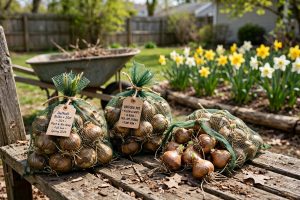
Dahlias give more bloom for the money than almost any summer flower. A single tuber can fill a large space by late summer. When you buy in bulk, the price per tuber drops. Sellers pack bags of twenty-five, fifty, or one hundred tubers for growers, clubs, and home gardeners with big beds.
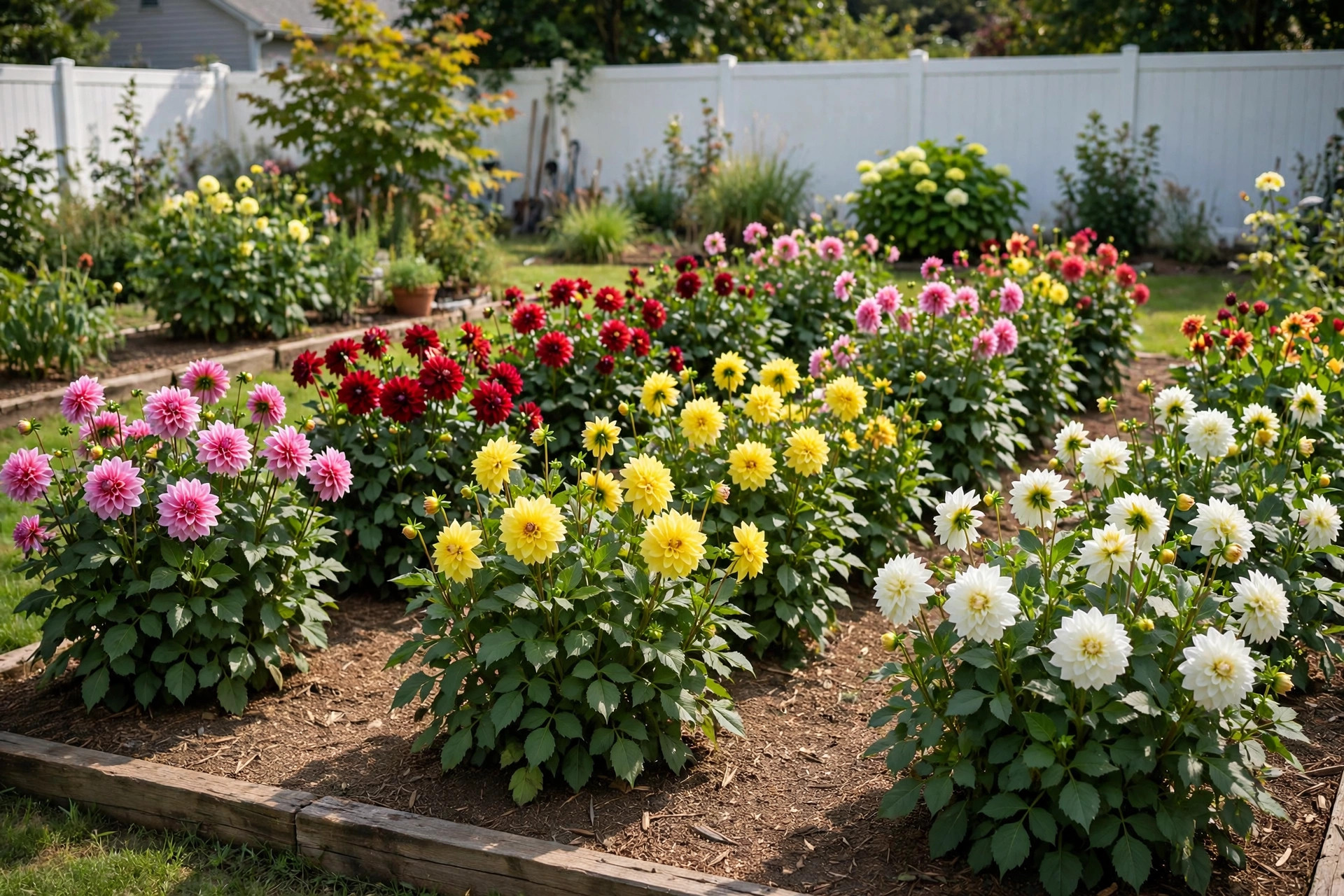
Bulk buying also gives you variety. One order can hold five or six colors. You can fill a whole border with one shipment. Garden clubs often place a group order and split the cost. That way each member pays less and still gets many plants.
Bulk orders fit the way Americans garden now. Many people plant cutting gardens. They cut armfuls of flowers for the house all summer. Dahlias are ideal for this. They bloom from July until frost. The more tubers you plant, the more stems you cut.
There is one more gain. Bulk dahlia tubers sold in the United States are checked by state inspectors in many cases. Reputable sellers sort out soft or broken tubers before shipping. When you buy from a trusted source, most tubers in the bag will grow. Resources like the USDA National Institute of Food and Agriculture explain how research supports healthy planting stock across the country.
What to Look For When Choosing Bulk Dahlia Bulbs: Dahlia Bulbs Bulk Buying Guide Usa
A dahlia “bulb” is really a tuber. It is a thick root with a neck and a crown. The crown must hold at least one eye, which is the small bud that sprouts. Tubers without eyes will not grow. Good bulk sellers make sure most tubers in the bag have eyes.
Tuber Firmness and Size
Pick up the tubers if you buy in person. Firm tubers feel solid, like a fresh potato. Soft or shriveled tubers are weak. They may still grow, but the plants will be poor. In a bulk bag, look for firm tubers with smooth skin. A little dirt on the skin is fine. Cuts and bruises are not.
Size matters less than firmness. Big tubers are not always better. A medium tuber with a clear eye beats a large tuber with none. Some growers sell “clumps,” which are several tubers joined at the crown. Clumps give strong plants. Single tubers are easier to divide and share.
Variety and Bloom Type
Dahlias come in many forms. Dinner-plate types make huge blooms up to a foot wide. Pompon types make small round balls. Cactus types have spiky petals. Waterlily types have flat open faces. For bulk planting, mix types for a full season of interest. Plant catalogs from sellers like Burpee and Park Seed show clear photos of each form.
Check the bloom time too. Some varieties start early in July. Others peak in September. A mixed bag gives color all season. If you sell at a market, plant several bloom times so you always have flowers to cut.
Types of Dahlia Tubers Sold in Bulk in the USA
Bulk sellers in America offer a few common types of packs.
Mixed color bags. These hold a mix of colors and forms. They cost the least. They are best for big borders where any color works.
Single variety packs. These hold one named variety, such as a pink dinner-plate type. They cost more. They are best for cutting gardens where uniform stems matter.
Border or bedding dahlias. These are short plants, about one foot tall. They suit front edges of beds and pots. Bulk packs of bedding types fill large planters fast.
Cut-flower mixes. These are chosen for long stems and many buds. Flower farmers buy these by the hundred. Home gardeners who love bouquets can buy smaller counts of the same mixes.
When you order, read the label. It should list the variety names, the count, and the growing zone advice. Trusted guides such as Gardening Know How and The Spruce give plain planting charts by region.
Cost and Price of Bulk Dahlia Bulbs
Bulk dahlia tubers in the United States usually cost between two and six dollars each when bought in large lots. Small packs of five tubers cost more per tuber. Bags of fifty or one hundred bring the unit price down. Shipping adds cost, so order early in the season when sellers run sales.
Here is how to judge a fair price. Divide the total by the number of tubers. Compare that number to the price of a five-pack at a garden center. If the bulk price is lower by a third or more, it is a good deal. Watch for extra fees. Some sellers charge for the box or for heat packs in cold months.
Group orders save the most. A garden club can order five hundred tubers at the wholesale rate. Members split the box and the shipping. Everyone gets strong plants at a low price.
Do not chase the cheapest bag blindly. Very cheap tubers are often old stock. They may have dried out in storage. A fair price from a known seller beats a bargain from an unknown one. Company sites like White Flower Farm and Gurneys list their tuber grades and guarantees in plain terms.
How to Plant Bulk Dahlia Tubers
Plant after the last frost in your area. The Old Farmer’s Almanac frost charts, found at The Old Farmer’s Almanac, help you pick the date. Soil should be at least sixty degrees. Cold wet soil rots tubers.
Dig a hole six inches deep. Lay the tuber on its side with the eye facing up. Cover with soil. Space tubers twelve to eighteen inches apart. Tall varieties need stakes. Drive the stake in at planting time so you do not stab the tuber later.
Water once after planting. Then wait. Too much water before sprouts appear causes rot. When green shoots reach a few inches, water well each week. Mulch with straw to hold moisture.
Pinch the center stem when the plant is one foot tall. This makes the plant branch and bloom more. Feed with a low-nitrogen fertilizer once a month. Too much nitrogen gives leaves and few flowers.
Rows of bulk tubers look best with a clean edge. Cut a shallow trench along the bed line. This stops grass from creeping in. Lay landscape fabric between wide rows if weeds are a problem. Cover the fabric with bark so the bed still looks neat.
Gardeners planting large beds may also want to read about native grass seed for American homes for the lawn around their flower beds.
Care and Upkeep Through the Season
Dahlias need steady care from June to October. Cut spent blooms often. This is called deadheading. It keeps new buds coming. Cut stems deep, down to a side leaf. Long stems on dinner-plate types may need extra stakes in wind.
Watch for pests. Slugs eat young shoots. Japanese beetles chew blooms. Aphids gather on buds. Hand picking works for small plantings. For large beds, insecticidal soap is a simple choice. Keep the bed weeded so air moves freely. Good air flow cuts down on mildew. A simple trick is to water at the base of the plant in the morning. Wet leaves at night invite fungus. Mulch keeps soil moist and roots cool during hot weeks in July and August.
In late fall, frost kills the tops. Dig the tubers before the ground freezes hard. Shake off the soil. Let them dry in a cool shed for a few days. Store in boxes of peat or wood shavings at forty to fifty degrees. Check once a month. Throw out any tuber that turns soft. This routine lets one bulk purchase serve you for many years.
For readers who grow food as well as flowers, our guide on organic herb seeds and where to buy them in the USA pairs well with a cutting garden plan.
Safety Tips for Bulk Buyers
Bulk buying is safe when you follow a few rules. Wear gloves when handling tubers treated with fungicide. Some bulk lots are dusted to stop rot in storage. Wash your hands after planting.
Keep tubers away from children and pets before planting. They are not food. Store boxes out of reach. A locked shed shelf or a high garage shelf works well.
Order from sellers inside the United States when you can. Imported lots can carry soil pests. American growers follow state rules for clean stock. If you buy from a new seller, start with a small bag. Test the quality before you order hundreds.
Tools matter too. Clean your shovel and pruners between beds. This stops disease from spreading. Monrovia and Proven Winners both publish plant care pages that stress clean tools and healthy soil.
Frequently Asked Questions
How many dahlia tubers should I order in bulk?
Order based on bed size. A border ten feet long and three feet wide holds about twenty tubers spaced eighteen inches apart. A cutting garden of one hundred square feet can hold fifty to sixty tubers. Start with twenty-five if you are new. You can always order more next year after you see how they grow.
When is the best time to buy bulk dahlia tubers in the USA?
Order in late winter or early spring. Sellers ship from March to May depending on your zone. Early orders get the best picks of varieties. Late orders face sold-out lists. Tubers ship when your zone is safe for planting.
Do bulk dahlia tubers come with planting instructions?
Most do. Reputable sellers include a card with depth, spacing, and zone advice. If the bag has no instructions, plant six inches deep with eyes up after the last frost. Water lightly until sprouts show.
Can I divide bulk tubers to get more plants?
Yes. In spring, before planting, you can cut large clumps apart. Each piece must have a piece of crown with at least one eye. Let cut ends dry for a day before planting. This turns one clump into two or three plants.
How long do stored dahlia tubers last?
Stored well, tubers last one winter and grow the next spring. They do not last for years in storage. Each year the plant makes new tubers. You dig and store those. One bulk purchase can keep going for many seasons through this cycle.
Are bulk dahlia tubers good for beginners?
Yes, if you buy firm tubers from a trusted seller. Dahlias are not hard to grow. They need sun, decent soil, and regular water. Beginners should start with mixed bags and bedding types. These forgive small mistakes and still bloom well.
A Short Final Word
A dahlia bulbs bulk buying guide usa comes down to three habits. Buy from a trusted seller. Check for firm tubers with eyes. Plant at the right time and care for them through the season. Do those three things and a bulk order will pay you back in color for years.
Start small if you are unsure. A bag of twenty-five tubers teaches you the routine. Next spring you can order a hundred with confidence. For more color around your beds, see our roundup of wildflower seed mixes and USA online deals.
References
Burpee. (n.d.). Seeds, plants, and gardening supplies. https://www.burpee.com Gardening Know How. (n.d.). Gardening guides and plant care. https://www.gardeningknowhow.com Gurney’s Seed & Nursery Co. (n.d.). Seeds, plants, and garden supplies. https://www.gurneys.com Monrovia. (n.d.). Plants for home gardens. https://www.monrovia.com National Institute of Food and Agriculture. (n.d.). Agricultural research and extension. https://www.nifa.usda.gov Park Seed. (n.d.). Seeds, plants, and gardening supplies. https://www.parkseed.com Proven Winners. (n.d.). Plants and gardening inspiration. https://www.provenwinners.com The Old Farmer’s Almanac. (n.d.). Gardening calendars and advice. https://www.almanac.com The Spruce. (n.d.). Home and garden advice. https://www.thespruce.com White Flower Farm. (n.d.). Plants, bulbs, and garden supplies. https://www.whiteflowerfarm.com
Was this guide helpful?

About Sarah Mitchell
The My Garden US editorial team writes practical, in-depth home and garden guides for American homeowners — tested advice, no fluff.
You May Also Like
Where to Find a Good Monstera Plants Sale for Sale USA
April 12, 2026 0 views
Garlic Bulbs Planting Buying Guide USA: How to Choose and Grow Seed Garlic
February 11, 2026 0 views
Organic Herb Seeds Texas Homes USA: A Plain Guide for Texas Growers
June 17, 2026 0 views