
When it comes to how to grow fennel, getting the details right makes all the difference.
Table of Contents
Table of Contents
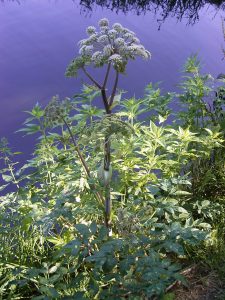
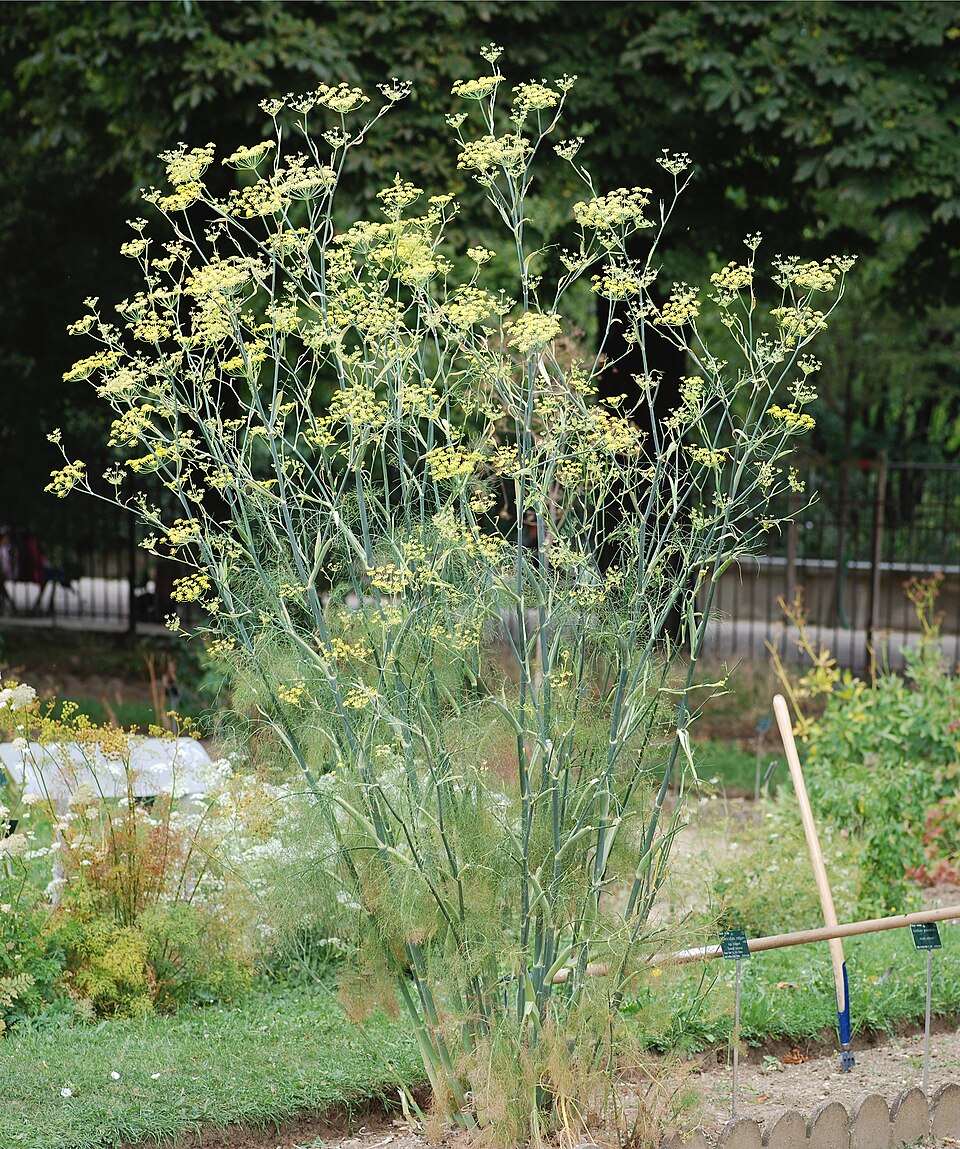
Photo: Wikimedia Commons
Fennel plays two roles in the garden: crisp, anise-scented bulbs for the kitchen and feathery foliage that feeds black swallowtail caterpillars. Bulb fennel needs steady water and room to swell, but the reward is a vegetable you cannot buy truly fresh anywhere.
Few garden projects pay back faster than a herb patch. Fresh herbs transform ordinary cooking, cost almost nothing to grow, and most are far easier than vegetables - fewer pests, less feeding, and many shrug off drought. Whether you grow in a bed, a raised planter, or pots on a sunny step, the steps below will carry this herb from planting to a steady supply of fresh leaves.
Bulb fennel grows a long taproot that resents transplanting, so sow seed directly about half an inch deep once the soil has warmed. Thin ruthlessly to 10 to 12 inches apart, because crowded plants form skinny, disappointing bulbs. Give it full sun and rich, moisture-retentive soil worked with plenty of compost; dry soil makes bulbs bolt and turn stringy.
At a Glance
When it comes to how to grow fennel, getting the details right makes all the difference.
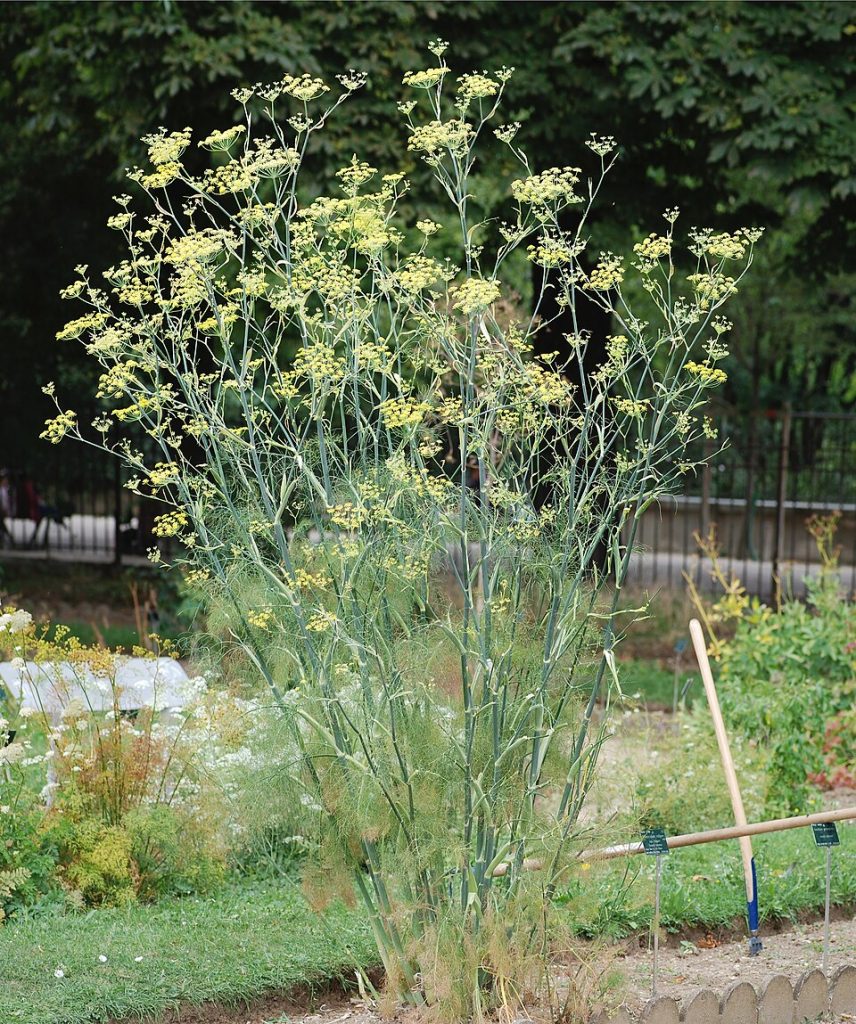

Many homeowners find that how to grow fennel is easier than they expected once they know the basics.
- Plant: Fennel (Foeniculum vulgare)
- Type: Herb
- Sun: Full sun
- Soil: Rich, evenly moist soil
- Water: Steady water for bulb fennel
- Spacing: 12 inches
- Planting depth: Plant about a quarter inch deep
- Time to maturity: 80 to 100 days
- USDA zones: 4–10
Getting Started: Picking the Right Variety
Many homeowners find that how to grow fennel is easier than they expected once they know the basics.
The key to how to grow fennel is choosing the right approach for your space and budget.
Start with the end in mind: how you plan to use the herb decides what to plant. Heavy kitchen use calls for the most vigorous, productive type you can find, while a single ornamental-edible plant can be a prettier, slower variety. Check whether the herb is perennial in your zone - perennials are a one-time planting, while tender types get replanted each spring or overwintered indoors. Buy from a reputable nursery rather than a discount rack; healthy roots at planting time predict everything that follows.
Botanically this is Foeniculum vulgare, and how you start it shapes the whole season. Sow directly about two weeks after your last spring frost. Buy healthy, stocky starts - leggy, root-bound plants never fully recover. UF/IFAS Gardening Solutions covers growing basics that apply well beyond Florida. You can confirm the native range and growing conditions in the USDA PLANTS Database.
When and How to Plant
The key to how to grow fennel is choosing the right approach for your space and budget.
With a little planning, how to grow fennel can fit even a busy schedule.
Get the timing right and half the battle is won. Everything below is tied to your last spring frost and first fall frost, so it works whether you garden in the North or the South. Sow directly about two weeks after your last spring frost.
Plant about a quarter inch deep. Space plants about 12 inches apart. From sowing to harvest takes roughly 80 to 100 days. Firm the soil gently around seeds or roots and water everything in well - that first watering settles soil against the roots and starts growth off right.
To pin down the right week for your zip code, check your USDA zone planting dates on our planting calendar. It lists indoor sowing, transplanting, and direct sowing windows for hundreds of plants by zone, so you can plan the whole season in one sitting.
Sowing Directly Outdoors
Sow directly about two weeks after your last spring frost. Rake the bed smooth, sow at the depth noted above, and keep the seedbed evenly moist until seedlings are up - a light mulch of straw or a floating row cover holds moisture and foils birds. Thin seedlings to their final spacing on time; crowded seedlings compete, stretch, and never quite recover. The University of Minnesota Extension publishes detailed, research-based growing guides for home gardeners.
Soil and Sun
With a little planning, how to grow fennel can fit even a busy schedule.
Before you start, it helps to understand how how to grow fennel works in real homes.
Fennel wants full sun. Aim for at least six hours of direct sun a day - more is better for flavor, bloom, and disease resistance.
For soil, give it rich, evenly moist soil. Drainage matters more than fertility for most herbs. If your ground stays wet after rain, build a raised bed or grow in containers with a gritty potting mix. A light top-dressing of compost in spring is plenty of food for the year. Gravel mulch around Mediterranean herbs keeps their crowns dry and reflects warmth up into the plant.
Zone-wise, it is at home in USDA zones 4 through 10. If you are at the warm edge of that range, afternoon shade and deep mulch help; at the cold edge, a sheltered microclimate near a south-facing wall can make the difference. The Missouri Botanical Garden plant profiles are excellent for checking mature size and culture.
Watering and Feeding
Before you start, it helps to understand how how to grow fennel works in real homes.
A good plan for how to grow fennel saves time, money, and frustration.
Plan your watering around this: steady water for bulb fennel. Mulch is your best friend here - it holds moisture in the root zone and keeps watering even between rains.
When it comes to feeding herbs, restraint is a virtue. A single light feeding in spring covers nearly everything; container herbs may want a half-strength liquid feed monthly through summer. Let pots dry slightly between waterings - most herbs would rather be a touch dry than soggy. Snip often; harvesting is the best fertilizer for bushy growth. The USDA National Agricultural Library holds deep reference material on this plant's cultivation and history.
Care Through the Season
A good plan for how to grow fennel saves time, money, and frustration.
For most people, how to grow fennel comes down to a few smart choices.
Water steadily so the soil never dries out during bulb swelling, and mound soil gently around the base of the bulb to blanch it white and tender. Expect black swallowtail caterpillars on the feathery foliage; most gardeners leave them, since they become beautiful butterflies and rarely destroy the plant. Aphids can be washed off with a strong spray of water.
A few grower tips specific to fennel: Keep away from dill to avoid cross-pollination. Bulb types need consistent water to swell properly. With herbs, less is usually more - resist the urge to fuss, and let the plant's natural toughness do the work.
Herbs thrive on attention, not pampering. Harvest a little every week and the plant responds with fresh growth; ignore it and it goes woody and sparse. Cut back perennial herbs by a third in midsummer if they get rangy - most bounce back with tender new leaves. In fall, pot up tender types before frost or take cuttings to root on a windowsill. The Old Farmer's Almanac offers practical, beginner-friendly growing advice for this crop.
Harvest
For most people, how to grow fennel comes down to a few smart choices.
If you are new to how to grow fennel, start with the simplest option and build from there.
Harvest bulbs when they reach tennis-ball size, cutting just above the soil line before the plant sends up a flower stalk. Use the fronds as an herb and save the seeds as a spice. Pro tip: never plant fennel near dill, because the two cross-pollinate and the resulting seed grows into neither plant properly.
Fresh herbs are a daily luxury once the patch is going - snip what you need, when you need it. To put some by, dry leafy herbs quickly in a warm, dark, ventilated spot; slow drying in humidity turns them brown and musty. Freezing in oil or water preserves flavor better than drying for soft herbs. Label everything; dried herbs all look alike by winter. Gardenia.net offers clear, gardener-written growing guides for this plant.
A Season With Fennel
If you are new to how to grow fennel, start with the simplest option and build from there.
When it comes to how to grow fennel, getting the details right makes all the difference.
A herb year runs itself if you keep the rhythm. Spring: clean up, divide, plant, and sow - most herbs want to be in the ground as early as frost allows. Summer: harvest weekly, which is also pruning; dry bundles hang in a dark, airy room while the flavor is at its peak. Fall: bring the tender ones inside, mulch the hardy ones, and sow a last round of cool-season annuals where winters are mild. Winter: tend the windowsill pots, use up the dried stores, and plan next year's additions. Few garden routines are this simple or this rewarding.
Troubleshooting
When it comes to how to grow fennel, getting the details right makes all the difference.
Many homeowners find that how to grow fennel is easier than they expected once they know the basics.
Perennial only in mild zones; grown as an annual in zones 4-6. In practical terms, match the plant to your climate before you buy - fighting a plant's nature is a losing game, while choosing one suited to your zone makes everything else easy.
Why no flavor? Herbs grown in too much shade or too much fertilizer taste weak - sun and lean soil concentrate the oils. Why brown leaf tips? Usually inconsistent watering or salt buildup in pots; flush containers occasionally. Why is it flowering? Most herbs bolt in heat or long days - pinch flowers to prolong leaf harvest, or let them bloom for the bees and harvest the seeds.
Do not aim for perfection in the first season. Get the plant in the ground at the right time, keep up with water and weeds, and you will learn more in one summer than from a shelf of books. For pest and disease identification, Clemson's Home and Garden Information Center is one of the best free resources available. Clemson Cooperative Extension has solid fact sheets on planting and care.
Keep Exploring
If you enjoyed this guide, keep going with our guide to growing anise, our guide to growing cumin, our guide to growing nigella - and check your USDA zone planting dates on our planting calendar to plan what goes in next.
References
University of Florida IFAS Extension. (n.d.). Growing fennel in home gardens. https://gardeningsolutions.ifas.ufl.edu/
University of Minnesota Extension. (n.d.). Growing fennel in home gardens. https://extension.umn.edu/
Missouri Botanical Garden. (n.d.). Plant finder. https://www.missouribotanicalgarden.org/
U.S. Department of Agriculture. (n.d.). National Agricultural Library. https://www.nal.usda.gov/
Was this guide helpful?

About My Garden US
The My Garden US editorial team writes practical, in-depth home and garden guides for American homeowners — tested advice, no fluff.