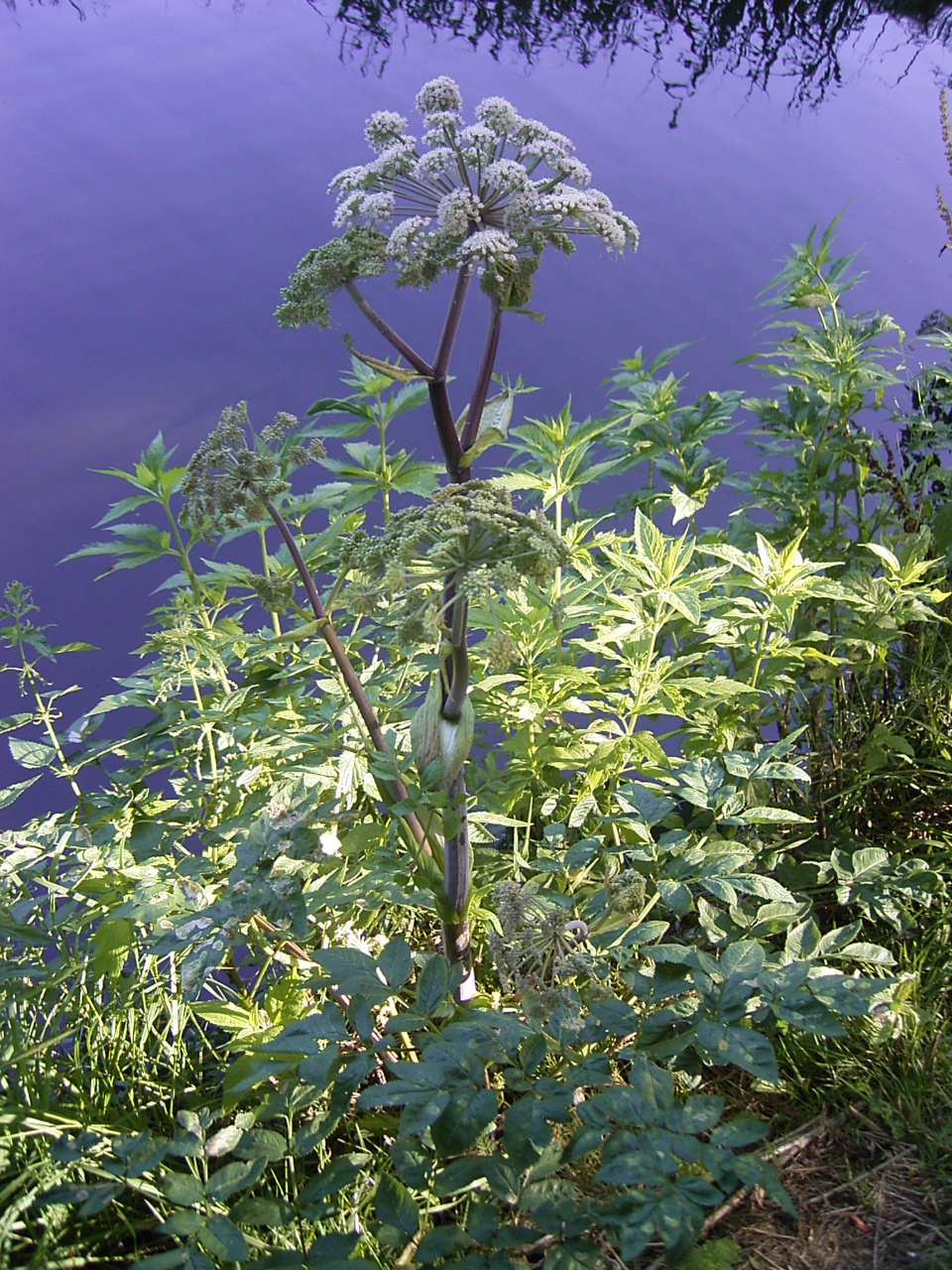
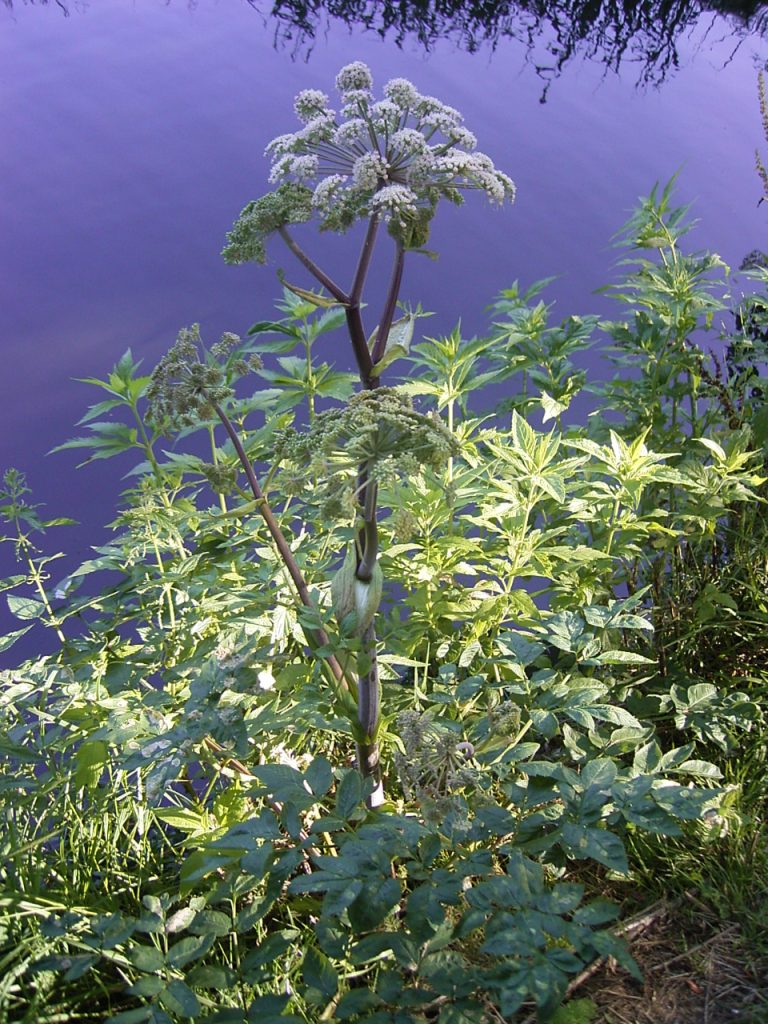
Angelica is the herb garden's drama queen - a towering biennial that can reach six feet in its second year, with huge divided leaves, stout hollow stems, and great umbels of greenish-white flowers. It flavors liqueurs, candies beautifully, and looks like nothing else in the garden. Learning how to grow angelica means understanding its two-year rhythm: leaves the first year, flowers and seed the second, then it dies - so you always keep both ages growing at once.
Table of Contents
Table of Contents

Photo: Wikimedia Commons
Angelica (Angelica archangelica) suits zones 4 through 9 and wants part shade with rich, moist soil. It is a cool-climate biennial - the warmest zones stay too warm for it to complete its cycle properly. Check the USDA zone planting dates on our planting calendar to time your sowing.
Choosing Seed
When it comes to how to grow angelica, getting the details right makes all the difference.
Many homeowners find that how to grow angelica is easier than they expected once they know the basics.
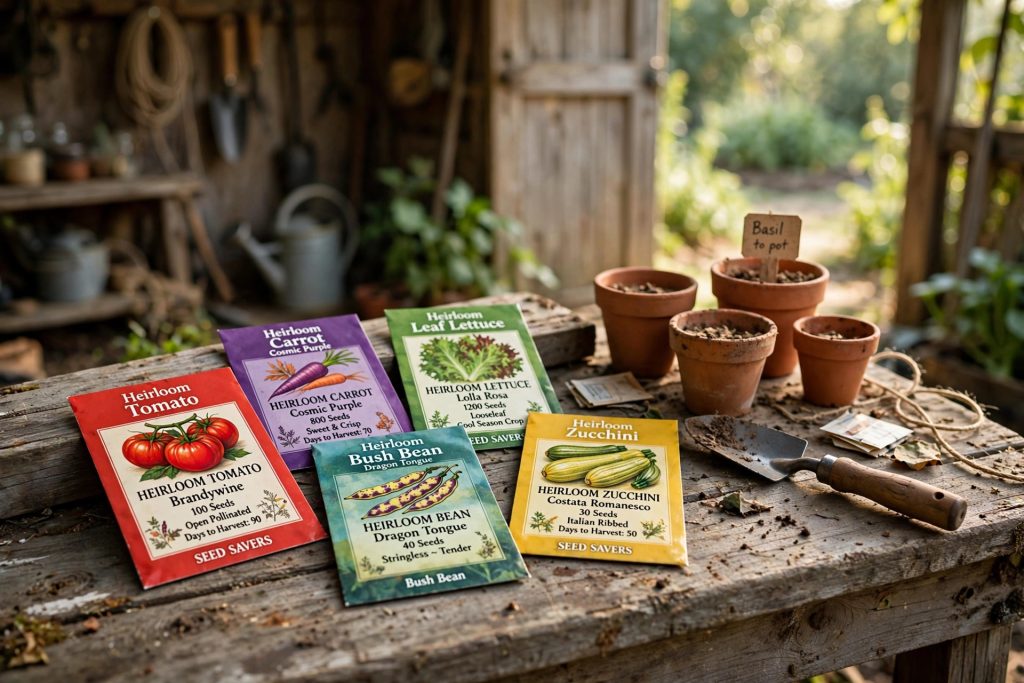
Buy fresh seed every time - angelica seed loses viability within months, and old seed simply does not sprout, no matter how perfectly you sow it. Order from a reputable herb supplier and sow promptly on arrival; do not save the packet for next year. The USDA National Agricultural Library has seed-viability resources for herb growers. This is the single most important fact in how to grow angelica, because everything else fails if the seed is dead.
There are no named varieties to fuss over; the species is the herb. Do not confuse it with wild look-alikes - true angelica seed from a supplier is the safe route, especially since some wild relatives are toxic. If a gardening friend grows it, accept fresh seed in late summer and sow immediately; that is the traditional way it has been shared for centuries.
When and How to Sow
Many homeowners find that how to grow angelica is easier than they expected once they know the basics.
The key to how to grow angelica is choosing the right approach for your space and budget.
Sow fresh seed in late summer or early fall, about eight weeks before your first fall frost - the seed benefits from a cold period and germinates with spring. Alternatively, sow in early spring directly where plants will grow, a quarter inch deep. Germination is erratic even with fresh seed; sow thickly and thin later.
Space plants about 3 feet apart - remember, these become enormous in year two, and crowding produces weak, spindly specimens. Choose a bold, uncrowded spot at the back of the herb bed or in a damp corner where its size is an asset, not a problem - this plant earns its space. Water gently and keep the seedbed moist until seedlings establish. The Old Farmer's Almanac notes angelica among herbs best sown fresh in late summer, and that timing gives the strongest plants. Gardenia.net describes angelica's biennial habit in detail.
Sowing Cheat Sheet
- Buy fresh seed; sow promptly - viability fades fast.
- Sow 1/4 inch deep in late summer or early spring.
- Space 3 feet apart in part shade and rich, moist soil.
- Keep both first-year and second-year plants growing always.
Soil and Sun
The key to how to grow angelica is choosing the right approach for your space and budget.
With a little planning, how to grow angelica can fit even a busy schedule.
Part shade and rich, moist soil - angelica is a plant of damp meadows and stream banks, not dry sunny banks. Work plenty of compost or well-rotted manure into the bed before sowing; it is a heavy feeder for a herb. The soil should stay consistently moist but not waterlogged - think damp sponge, not puddle.
A pH near neutral suits it. It shares its love of rich, moist ground with lovage, another big perennial herb for the damp corner of the garden. In hot regions, deeper shade keeps plants happy; in cool regions, half-day sun with afternoon shade is ideal. Mulch well to hold moisture - three inches of compost or shredded leaves - since angelica wilts quickly in dry spells and drought-stressed plants bolt weakly or die. This love of moisture sets it apart from most herbs; where thyme wants lean and dry, angelica wants rich and damp. Clemson HGIC covers moisture needs for bold perennial herbs.
Watering and Feeding
With a little planning, how to grow angelica can fit even a busy schedule.
Before you start, it helps to understand how how to grow angelica works in real homes.
Keep the soil consistently moist - this is the golden rule. Water deeply whenever the top inch of soil dries, and mulch heavily to buffer moisture - a three-inch layer is the minimum for this thirsty plant. Angelica wilts dramatically in dry spells, and while established plants usually recover, repeated wilting weakens them and can trigger premature decline. In a damp corner with good mulch, natural rainfall often suffices; everywhere else, water on a schedule.
Feed well: top-dress with compost in spring of both years, and side-dress with a balanced fertilizer if growth is pale or slow. Angelica is a big, fast-growing plant that eats accordingly - hunger shows as yellowing lower leaves and stunted second-year stems. A well-fed plant in year two is a magnificent thing; a starved one is a sad, spindly disappointment.
Care Through the Season
Before you start, it helps to understand how how to grow angelica works in real homes.
A good plan for how to grow angelica saves time, money, and frustration.
First-year plants form a rosette of large leaves - handsome, but just the prelude. Keep them watered, weeded, and mulched; slugs love the young foliage, so protect seedlings with barriers, traps, or a ring of diatomaceous earth. Aphids may colonize the flower heads in year two but rarely harm the plant; blast them off if they bother you.
In the second year, the flower stalk rockets up - sometimes six feet or more - and opens its great umbels. This is the plant's grand finale: it flowers, sets seed, and dies. Let at least one plant complete the cycle to collect seed for the next generation; cut others at peak bloom if you want the flowers for arrangements (they are spectacular, if short-lived, in big vases).
Since it dies after seeding, always keep first-year and second-year plants going at once - sow fresh seed every year without fail. Miss a year, and the cycle breaks. Experienced angelica growers sow a small patch annually the way others sow annual flowers: it is just part of the routine. Keep a simple record of which patch is which age - a plant label with the sowing year saves confusion when the second-year giants tower over the first-year rosettes.
The Two-Year Rhythm
Think of angelica as a relay, not a perennial. Year one: sow and grow the rosette. Year two: the plant flowers, you harvest stems and seed, and it dies. The baton passes to the year-one plants sown last season, which are now ready for their second year - while you sow fresh seed for the year after. Once this rhythm is established, you have angelica forever from a single initial sowing, as long as you never skip the annual sowing.
Harvest
A good plan for how to grow angelica saves time, money, and frustration.
For most people, how to grow angelica comes down to a few smart choices.
Harvest tender young stems and leaves in the first year for candying or cooking - cut outer stems as needed, never stripping the plant. The classic use is candied angelica: simmer young stems in sugar syrup until translucent, then dry - the old-fashioned cake decoration that tastes of musky, junipery sweetness. Young leaves flavor salads and cooked dishes in small amounts; the flavor is strong, so use sparingly.
In the second year, before flowering, dig roots for drying - the root is the most strongly flavored part, used in liqueurs and traditional preparations. After flowering, collect the ripe seed heads: cut them when the seeds turn brown but before they scatter, drying further in paper bags. The seeds flavor baked goods and spirits, and of course provide next year's sowing. The Old Farmer's Almanac has traditional recipes using angelica seed. Store dried seed in a cool, dry place and sow within months - remember, viability fades fast, so last year's seed is this year's sowing, never next year's.
Always leave one plant to set seed fully - your seed supply for the coming year depends on it, and the seed heads are handsome in their own right. And handle the sap with care; like many umbel-family plants, it can irritate sensitive skin in sunlight.
Troubleshooting
For most people, how to grow angelica comes down to a few smart choices.
If you are new to how to grow angelica, start with the simplest option and build from there.
Seeds never germinated. Old seed - the number one angelica failure. Buy fresh each year and sow promptly; test old seed on a damp paper towel before wasting garden space.
Seedlings damped off. Too wet and airless. Sow in well-drained but moist soil, space for air flow, and water gently.
Slugs ate the young plants. Protect with barriers, traps, or bait; angelica seedlings are slug favorites. A ring of crushed eggshells or diatomaceous earth helps.
Second-year plant is spindly. Hunger or drought in year one. Feed and water generously - a big second year is built on a strong first year.
Plant died without flowering. It may have been stressed into premature decline, or winter-killed in an exposed spot. Mulch crowns in cold regions and keep the biennial relay going so one loss never ends the planting.
No self-sown seedlings. You harvested every seed head. Always let one plant scatter seed naturally - the volunteers are often the strongest plants of all. If you want insurance, shake a ripe head over the bed in fall and let winter do the stratifying.
For gardeners in zones 4 through 9 with a damp, partly shaded corner, learning how to grow angelica adds unmatched drama to the herb garden - towering stems, architectural foliage, candied stems for the kitchen, fragrant seed for baking, and a two-year rhythm that becomes second nature. Buy fresh seed, sow every year without fail, keep it moist and well fed, and the relay runs forever, beautifully.
References
If you are new to how to grow angelica, start with the simplest option and build from there.
Missouri Botanical Garden. (n.d.). Angelica archangelica. https://www.missouribotanicalgarden.org/
University of Minnesota Extension. (n.d.). Growing herbs in home gardens. University of Minnesota. https://extension.umn.edu/
Old Farmer's Almanac. (n.d.). Growing herbs. Yankee Publishing. https://www.almanac.com/
Gardenia.net. (n.d.). Angelica archangelica. https://www.gardenia.net/
When it comes to how to grow angelica, getting the details right makes all the difference.
Was this guide helpful?

About My Garden US
The My Garden US editorial team writes practical, in-depth home and garden guides for American homeowners — tested advice, no fluff.
You May Also Like
Sunflower Seed Packs for Sale USA: A Plain Buyer's Guide
August 15, 2026 2 views
How to Grow Garden Phlox: A USA Guide
October 13, 2026 4 views
How to Grow New England Aster: Fall Color
October 14, 2026 1 views