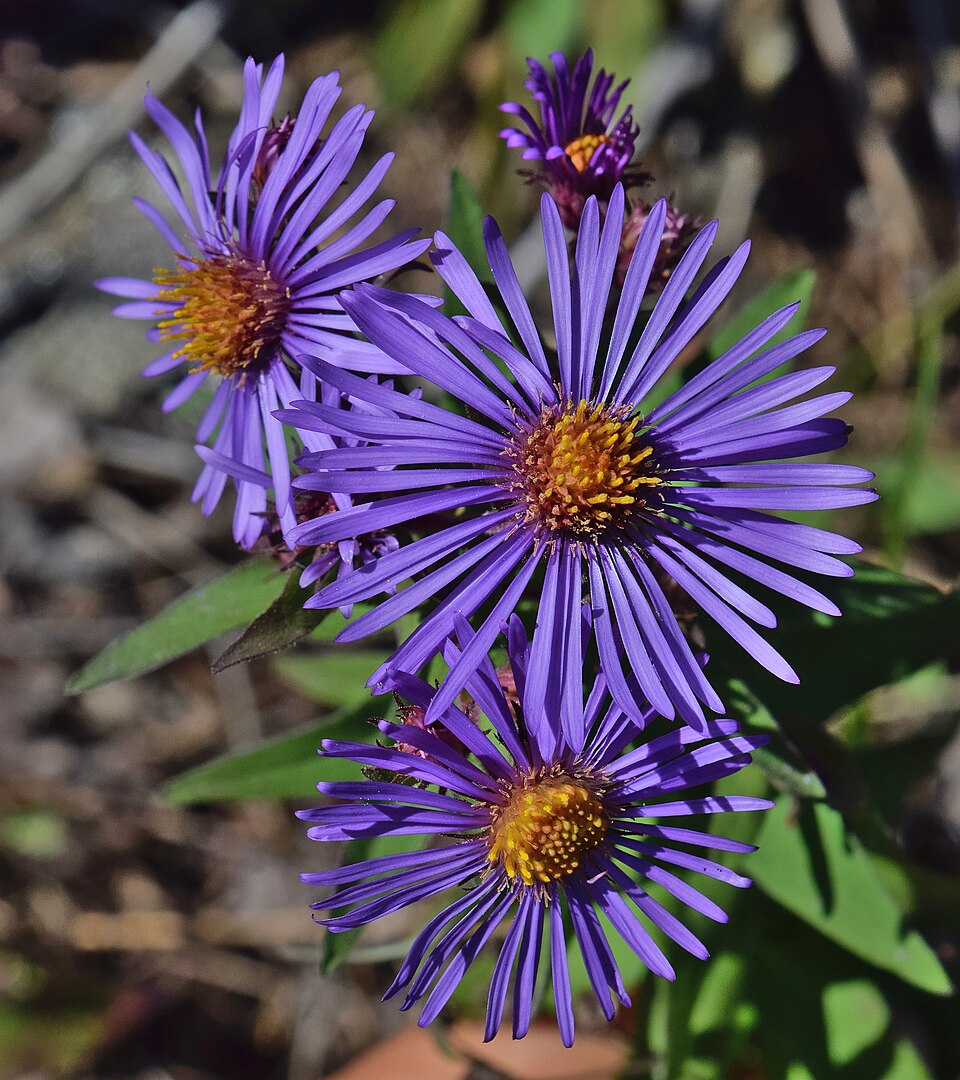
When the rest of the perennial border is winding down, New England aster explodes - great clouds of purple, pink, and magenta daisies that carry the garden from late summer deep into fall. It is one of the great native wildflowers of eastern North America, tough as nails, and a magnet for migrating butterflies. If you want to learn how to grow New England asters, the essentials are full sun, a midseason haircut to keep them compact, and division every few years.
Table of Contents
Table of Contents
New England aster (Symphyotrichum novae-angliae) is hardy in zones 4 through 8. It needs real winter chill and cool fall nights to bloom well, so it struggles in frost-free climates past zone 9. Given a cold winter and a sunny spot, it is one of the most reliable fall perennials you can plant.

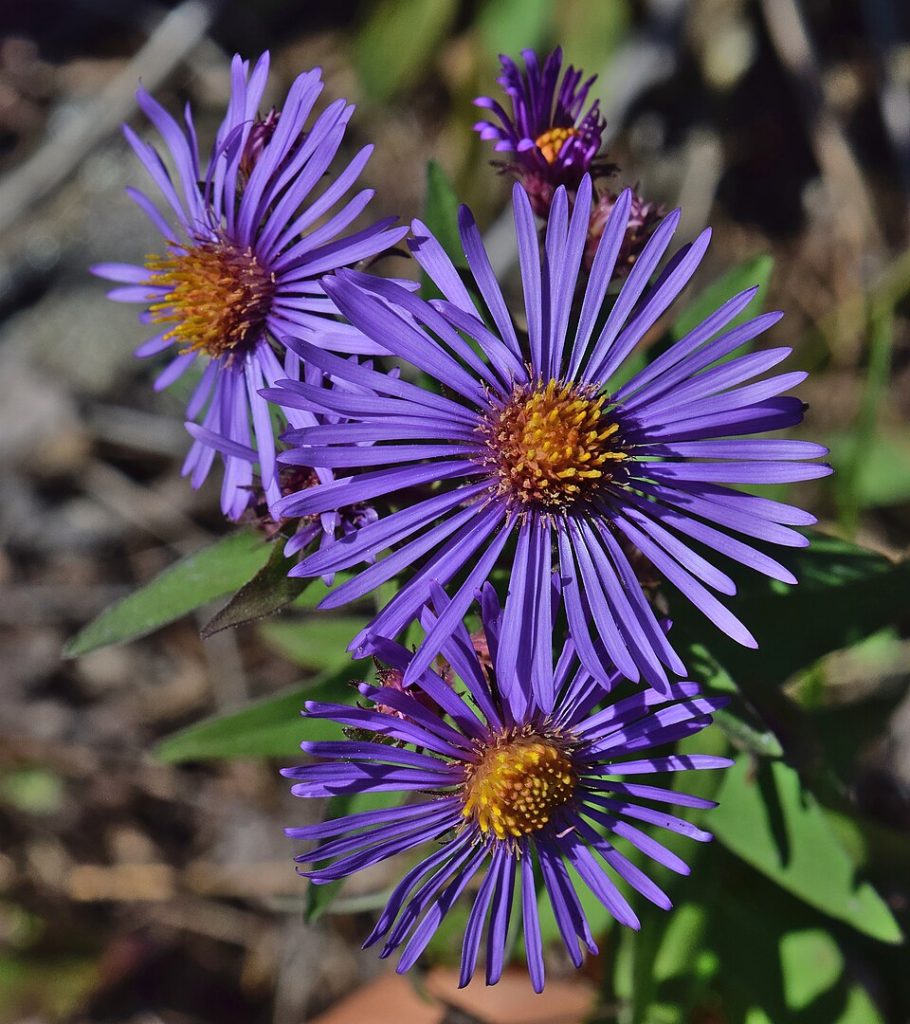
Photo: Wikimedia Commons
Choosing a Variety
When it comes to how to grow new england asters, getting the details right makes all the difference.
Many homeowners find that how to grow new england asters is easier than they expected once they know the basics.
Wild-type New England asters grow 4 to 6 feet tall with vivid purple-pink flowers - spectacular, but big. Garden selections come in more controlled heights, from compact 2-foot dwarfs to the full-sized giants, and in a wider color range including deep purple, rose, pink, and white. Shorter varieties suit the middle of the border; the tall originals belong at the back where they can tower.
Buy nursery plants rather than seed for named varieties - seedlings vary and take a season or two to bloom well. Fall is also a fine time to plant in mild climates, giving roots a head start before spring growth. When you shop, check mildew resistance on the tag; asters can get powdery mildew in humid summers, and resistant selections stay cleaner. The Lady Bird Johnson Wildflower Center profiles the native species beautifully, and Gardenia.net compares garden cultivars.
This is a big plant, so plan for it. One well-grown clump can span 3 feet wide. Give it room at the back of the border and it will reward you with the grand finale of the garden year. If space is tight, the compact selections give you the same brilliant fall color on 2-foot plants that never need staking.
When and How to Plant
Many homeowners find that how to grow new england asters is easier than they expected once they know the basics.
The key to how to grow new england asters is choosing the right approach for your space and budget.
Plant transplants in spring, about a week after your last spring frost. Spring planting gives roots a full growing season to establish before the fall bloom show - and before the first winter. Find your frost dates on our planting calendar to time it.
Space plants 18 inches apart. That may look sparse, but asters fill out fast and need airflow to hold off mildew. Plant at the same depth the plant grew in its pot. Water deeply at planting and mulch with two to three inches of organic mulch to hold moisture through the first summer.
If you are starting from seed, sow indoors about six weeks before the last spring frost, barely covering the fine seed, or direct sow around the frost date. Seed-grown plants often bloom lightly the first fall and hit full stride in year two.
Soil and Sun
The key to how to grow new england asters is choosing the right approach for your space and budget.
With a little planning, how to grow new england asters can fit even a busy schedule.
Full sun - six or more hours - for the most flowers and the sturdiest stems. Unlike many perennials, New England aster tolerates clay and even damp spots; it is one of the few border plants that does not demand perfect drainage. Average to moist soil suits it. In fact, drought stress is what invites its two big problems, powdery mildew and lace bugs, so soil that holds some moisture is a plus.
Work compost into the planting hole and top-dress yearly. Asters are moderate feeders - they do not need rich soil, but they bloom best with steady nutrition. A soil test every few years keeps you honest; University of Minnesota Extension and Clemson Cooperative Extension both explain home soil testing simply.
Watering and Feeding
With a little planning, how to grow new england asters can fit even a busy schedule.
Before you start, it helps to understand how how to grow new england asters works in real homes.
Water during dry spells, especially in the weeks before bloom. Drought-stressed asters mildew, attract lace bugs, and produce sparse flowers - steady moisture prevents all three. About an inch a week when rain falls short, applied at the base to keep foliage dry.
Feed in spring as growth emerges - compost or a balanced fertilizer. A second light feeding in early summer supports the big bloom push to come. Do not overfeed; too much nitrogen makes tall, floppy stems that need staking. The Clemson HGIC perennial pages give sensible feeding rates, and the Old Farmer's Almanac garden guides keep the schedule simple.
The Midsummer Haircut
Before you start, it helps to understand how how to grow new england asters works in real homes.
A good plan for how to grow new england asters saves time, money, and frustration.
Here is the technique that separates great asters from floppy ones: pinch or shear the stems back by about half in early summer. Unpinched plants grow tall, then flop open just as they bloom, showing bare centers. Pinched plants stay compact and bushy, bloom a little later, and carry far more flowers on sturdy stems.
You can pinch stem tips two or three times from late spring into midsummer, stopping by midseason so flower buds have time to form. If mildew strikes in summer despite your care, cut the whole plant back by half - it regrows clean foliage and still blooms on schedule. This plant forgives hard treatment.
Divide every two to three years in spring. Lift the clump, discard the woody center, and replant the vigorous outer pieces. Division keeps bloom strong and gives you free plants to spread around - or share. Asters are generous that way.
Spring is the best time to divide because the plants establish through the whole growing season before bloom. Water divisions well for the first few weeks. If a clump has grown into a solid mat, a sharp spade or even a pruning saw may be needed to cut it apart - do not be gentle. Each piece needs a few strong shoots and a healthy mass of roots. Replant immediately at the same depth, and the divisions will bloom that same fall.
New England aster pairs beautifully with ornamental grasses. The airy grass foliage hides the aster's often-ragged lower stems, and the combination looks intentional all season. It also mingles well with coneflowers and black-eyed Susans for a native-powered late-season border.
Bloom, Seedheads, and Wildlife
A good plan for how to grow new england asters saves time, money, and frustration.
For most people, how to grow new england asters comes down to a few smart choices.
This is the grand finale of the perennial border. Bloom runs from late summer into fall, exactly when migrating monarch butterflies need nectar most - a patch of asters in bloom hums with life. Leave the seedheads standing after bloom for birds; goldfinches work them for weeks. The dried stems also give winter structure to the border.
Cut stems for arrangements just as the flowers open; they last well in water. For the longest bloom, deadhead the first spent flowers, though most gardeners let the later ones go to seed for the birds. In late fall or early spring, cut the old stems to the ground and compost them.
Do not cut everything back in fall if you value winter wildlife. The hollow stems shelter beneficial insects through the cold months, and the seedheads feed birds into winter. A slightly untidy fall border is a living one. Come spring, cut the old growth down before new shoots emerge and add a fresh layer of compost - the plants will surge up through it, and by the time bloom season arrives you will have forgotten the spring cleanup entirely.
In the first year, do not be discouraged if the show is modest - asters spend their first season building roots, and the spectacular fall display arrives from year two onward. A spring-planted aster that blooms lightly its first fall will return twice the plant the next spring.
Troubleshooting
For most people, how to grow new england asters comes down to a few smart choices.
If you are new to how to grow new england asters, start with the simplest option and build from there.
Floppy, sprawling plants: Skipped the midsummer pinch. Shear by half in early summer next year; stake this year's if needed.
Powdery mildew: Drought stress plus poor airflow. Water at the base, space 18 inches apart, and cut back hard if it strikes - the plant regrows and still blooms.
Lace bugs (stippled, bleached leaves): A sign of drought stress. Water consistently; healthy plants outgrow light damage.
Few flowers: Too little sun, or an overcrowded clump overdue for division. Asters need full sun and division every two to three years.
No bloom in warm climates: The plant needs winter chill and cool fall nights. Past zone 9, it blooms poorly or not at all - choose a heat-adapted aster instead. The USDA PLANTS Database documents its native range and needs, and the USDA National Agricultural Library indexes research on native perennial culture. UF IFAS Gardening Solutions covers aster relatives for warm-climate gardeners.
Aster yellows (distorted, greenish flowers): A disease spread by leafhoppers. There is no cure - pull and destroy affected plants so it does not spread. Keeping weeds down around the bed reduces leafhopper habitat.
Ragged lower leaves: Normal for this species - the lower foliage often looks tired by bloom time. That is why the old advice pairs asters with ornamental grasses or front-of-border plants that hide the bare ankles.
References
If you are new to how to grow new england asters, start with the simplest option and build from there.
When it comes to how to grow new england asters, getting the details right makes all the difference.
Lady Bird Johnson Wildflower Center. (n.d.). Symphyotrichum novae-angliae. https://www.wildflower.org/plants/
Missouri Botanical Garden. (n.d.). Symphyotrichum novae-angliae. https://www.missouribotanicalgarden.org/
University of Minnesota Extension. (n.d.). Growing native perennials. https://extension.umn.edu/
Many homeowners find that how to grow new england asters is easier than they expected once they know the basics.
When it comes to how to grow new england asters, getting the details right makes all the difference.
Was this guide helpful?

About My Garden US
The My Garden US editorial team writes practical, in-depth home and garden guides for American homeowners — tested advice, no fluff.