
Photo: Wikimedia Commons
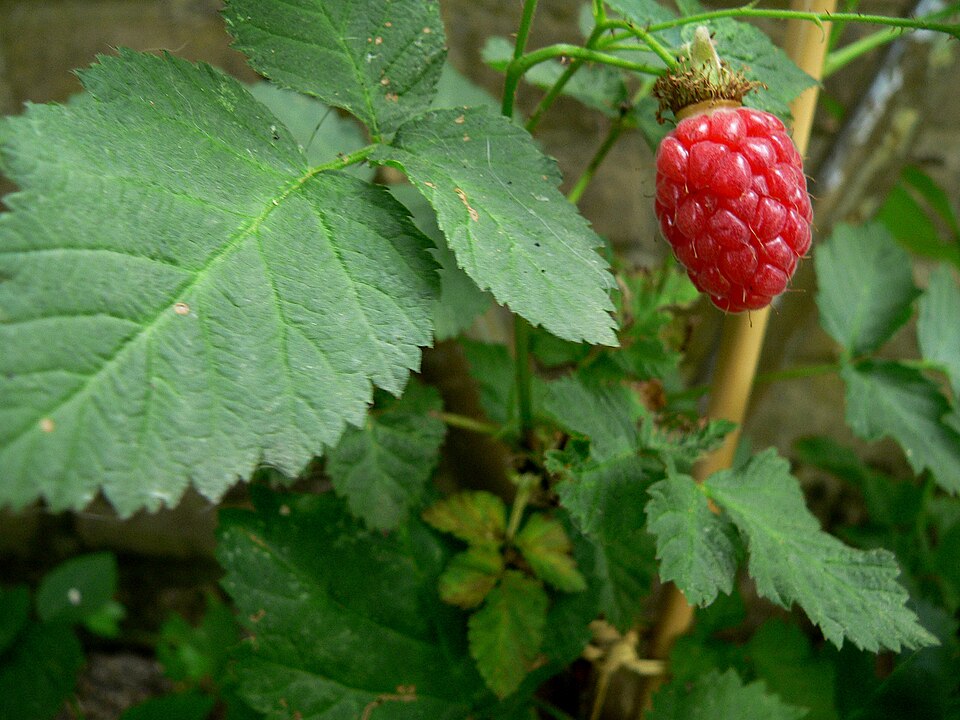
Tayberry is what happens when a raspberry and a blackberry have an outstanding child: long, deep purple-red berries with intense raspberry flavor and blackberry depth, on canes less thorny than its loganberry cousin. It crops heavily on a small footprint — but only with proper trellising and yearly removal of old canes. Neglected, it becomes a thorny tangle; trained, it is one of the most rewarding brambles a home gardener can grow. Learning how to grow tayberries is bramble management: tie in, tip, and cut out the fruited wood. The USDA PLANTS entry for the Rubus hybrid confirms its vigorous trailing habit. This guide covers planting, wire training, pruning, and the gentle harvest. For a quick botanical overview, see the USDA PLANTS entry for Rubus fruticosus x idaeus.
Choosing a Variety
Tayberry is sold as itself — a single named hybrid — so buy certified virus-free canes from a reputable nursery. The Old Farmer’s Almanac guide to tayberries notes its Scottish breeding for flavor and cropping. Plant dormant canes in early spring, setting crowns at soil level. Space six to eight feet apart in rows; the long canes need a wire trellis from day one. Wear gloves from the first handling — less thorny than loganberry still means thorns. One or two plants give a family plenty; the yield per foot is remarkable.
When and How to Plant
Timing your sowing
Tayberry is almost always planted from nursery stock, bare-root plants, or divisions rather than seed. Set plants out around your last spring frost, about a week after it, when the soil is workable and warming. Plant at the same depth the plant grew in its pot, firm the soil gently, and water it in well.
Spacing, depth, and days to harvest
The first season is mostly about roots and establishment; the real payoff begins in the second season, so plant with patience.
Nursery plants establish fastest when set out on a cloudy day or in the evening, giving roots a night to settle before facing sun. Water them in deeply — the first watering is the most important one.
Frost-date charts from a ZIP-code planting calendar help if you are new to reading your zone.
Soil and Sun
Light needs
Choose the sunniest spot you have. Full sun, six-plus hours, is what makes this plant productive.
Building good soil
For soil, aim for rich, well-drained soil. Work in a few inches of compost before planting; it loosens heavy ground and feeds sandy ground in one move.
Hardy in zones 5 through 9, it fits most of the country. If you garden at the cold edge of the range, a sheltered microclimate near a wall buys you a few degrees of safety.
Top the bed with compost and mulch at planting time. As the mulch decays it feeds the soil life that feeds your plants — the cheapest fertilizer program there is.
Soil testing labs listed through the University of Minnesota Extension can confirm your pH before you plant.
Watering and Feeding
Watering routine
Aim for steady moisture: water when the top inch of soil dries out, and mulch to keep it from swinging between soaked and parched.
Feeding
Compost mulch in spring; avoid heavy nitrogen that pushes soft, disease-prone canes. Feed lightly. A side-dress of compost mid-season is plenty for most soils; heavy chemical feeding pushes soft, pest-prone growth.
Morning watering is the rule: leaves dry fast in rising sun, denying fungal diseases the damp nights they love. Drip irrigation or a soaker hose waters roots without wetting leaves at all.
Irrigation basics from Clemson’s Home & Garden Information Center apply to all of these schedules.
Care Through the Season
Through the season, water consistently, especially while fruit swells — drought shrivels the berries. Manage like a bramble: tip new canes when they reach the top wire to force branching, train laterals along the wires, and tie in as they grow. After harvest, cut fruited canes to the ground and keep the best new canes for next year; this yearly renewal is the whole secret. Watch for cane borers (wilting cane tips) and raspberry beetle grubs in the fruit; net against birds, which learn ripeness fast. Clemson’s Home & Garden Information Center has bramble pruning diagrams that map directly onto tayberry. Keep the row accessible — the thorns are serious.
Companions and Placement
Tayberry anchors the fruit patch alongside Raspberry, Blackberry, and Loganberry, which share its love of sun and well-fed soil. Plan fruit plantings for the long term: bushes and trees stay put for decades, so give each its mature footprint from day one. Netting is worth planning before you plant — birds find ripe fruit faster than any gardener. Underplant with shallow-rooted companions like strawberries or herbs to use the ground between bushes, and mulch the whole patch to hold moisture and suppress weeds. A fruit patch near the kitchen gets picked; a distant one feeds the birds.
Harvest
Pick when the long berries are deep purple-red, soft, and release easily; underripe berries are tart and cling to the core. The flavor is intense — raspberry brightness with blackberry depth — and the Missouri Botanical Garden plant finder notes their excellence for jam and freezing. They are fragile, so pick into shallow containers and use or freeze within a day. Harvest every couple of days through the season; the canes crop over weeks. Tayberries make a jam so good it ruins store jam — cook them simply with sugar and lemon.
Troubleshooting
Few berries on vigorous canes usually means old wood was left standing — tayberry fruits on last year’s canes, so the post-harvest cut-out is essential. Wilting cane tips signal cane borers; prune below the damage and destroy the cuttings. In zones below 5, winter kills canes; the USDA National Agricultural Library‘s resources confirm its zone 5 limit — lay canes down and mulch in marginal areas. Poor fruit set in cool summers is climate, not care. Beetle grubs in the fruit are harmless but unappetizing; pick promptly and process quickly.
Through the Seasons
Spring
In spring, finish pruning, feed with compost, and mulch every bush and tree. Plant new fruit while dormant for the strongest start. Watch blossoms during late frosts; a floating cover on a cold night can save the crop. Get supports and trellises in place before growth makes it difficult.
Summer
Through summer, tayberries need steady water most of all — inconsistent moisture splits fruit and drops blossoms. Net before berries color, harvest every few days at the peak, and freeze or process the surplus the same day. A deep mulch keeps roots cool and moist through heat waves.
Fall and Winter
After harvest, tidy the patch: remove fallen fruit, prune as needed, and mulch for winter. Tayberry is hardy in zones 5 to 9 — beyond that range, container growing or a sheltered microclimate is the answer. Order new varieties in winter for the best selection come spring.
Quick Answers
How long until I can harvest tayberries?
The first season is about establishment; expect the real harvest to begin in the second season. Perennials reward patience.
Where will tayberries grow?
Zones 5 through 9. Inside that range it is hardy and reliable; outside it, grow as an annual or in containers.
Does tayberries need full sun?
Full sun. Give it the sunniest spot you have; shade-grown plants disappoint.
What spacing does tayberries need?
About 60 inches apart. Crowding stunts plants and invites disease, so give each one its room — the harvest is bigger, not smaller, for the space.
Using the Harvest
Tayberries make a jam so good it ends the store-bought era — intense raspberry-blackberry flavor that sets beautifully. Eat the ripest fresh, fold them into desserts, and freeze the rest on trays the day you pick; they are too fragile to wait. They cook into superb pies and sauces, and a tayberry fool (folded into whipped cream) is a revelation. Because the canes fruit over weeks, pick every couple of days into shallow containers. Process promptly; fragile berries forgive nothing. Browse more plant profiles at Gardenia.net’s plant profiles for ideas.
Keep Growing
How to grow tayberries: trellis from day one, tie in new canes, cut fruited wood after harvest, pick gently. Trained properly, a few plants out-produce far bigger plantings. For planting dates, check your USDA zone planting dates and grow them with their bramble relatives — our guides to how to grow raspberries, how to grow blackberries, and how to grow loganberries share the same wires and rhythm.
References
- U.S. Department of Agriculture. (n.d.). Tayberry (Rubus fruticosus x idaeus) plant profile. https://plants.usda.gov/home
- University of Minnesota Extension. (n.d.). Growing tayberries in home gardens. https://extension.umn.edu/
- Clemson University Cooperative Extension. (n.d.). Home & Garden Information Center. https://hgic.clemson.edu/
- Old Farmer’s Almanac. (n.d.). Growing tayberries in home gardens. https://www.almanac.com/
Was this guide helpful?

About My Garden US
The My Garden US editorial team writes practical, in-depth home and garden guides for American homeowners — tested advice, no fluff.