

Photo: Wikimedia Commons
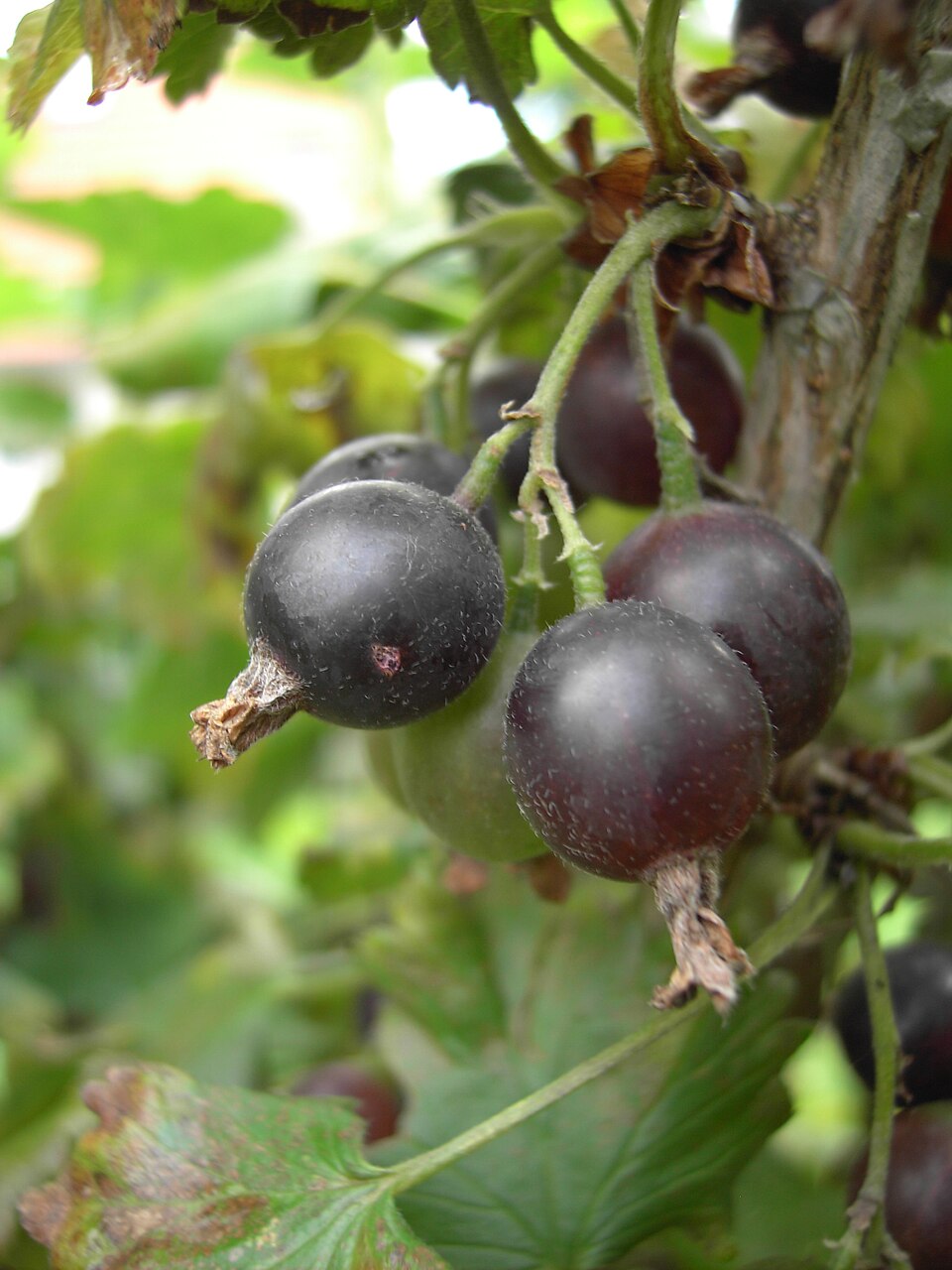
Jostaberry is the berry world’s best-kept secret — a cross between blackcurrant and gooseberry that keeps the best of both and drops the worst: no thorns, strong mildew resistance, and big crops of sweet-tart black berries on a vigorous bush. One bush is self-fertile and can feed a family, and the thornless stems make it the easiest currant-family fruit to pick. Learning how to grow jostaberries is straightforward bush-fruit gardening: rich soil, winter pruning, and patience while the big plant sizes up. The USDA PLANTS entry for Ribes x nidigrolaria confirms its hardy hybrid vigor. This guide covers planting, the blackcurrant-style prune, pests, and the long picking window. For a quick botanical overview, see the USDA PLANTS entry for Ribes x nidigrolaria.
Choosing a Variety
Jostaberry is usually sold under its own name with little varietal choice — buy a healthy bare-root or potted bush from a reputable nursery. The Old Farmer’s Almanac guide to jostaberries notes its thornless, mildew-resistant advantages over its parents. Plant dormant bare-root bushes in early spring; they establish fast. Space five to six feet apart — jostaberry is bigger and more vigorous than either parent, so give it room from the start. One bush genuinely suffices for most households; two gives surplus for the freezer.
When and How to Plant
Timing your sowing
Jostaberry is almost always planted from nursery stock, bare-root plants, or divisions rather than seed. Set plants out around your last spring frost, about a week after it, when the soil is workable and warming. Plant at the same depth the plant grew in its pot, firm the soil gently, and water it in well.
Spacing, depth, and days to harvest
The first season is mostly about roots and establishment; the real payoff begins in the second season, so plant with patience.
Set plants out on an overcast day if you can; it spares them transplant shock. Water deeply at planting, then mulch — that first deep drink connects roots to soil and starts establishment.
Frost-date charts from a ZIP-code planting calendar help if you are new to reading your zone.
Soil and Sun
Light needs
Give it full sun where you can, though it tolerates a half day of shade without complaint.
Building good soil
Plant in rich, well-drained soil. If your ground is heavy clay, plant a little high and mulch well; if it is sand, compost is your best friend.
It is rated for zones 3 to 8. Outside that range, treat it as an annual or grow it in containers you can move with the seasons.
Top the bed with compost and mulch at planting time. As the mulch decays it feeds the soil life that feeds your plants — the cheapest fertilizer program there is.
Soil testing labs listed through the University of Minnesota Extension can confirm your pH before you plant.
Watering and Feeding
Watering routine
Regular, even watering is the goal. Letting plants wilt and then drowning them stresses them and invites trouble.
Feeding
Compost mulch each spring is ideal; jostaberries are moderate feeders. Feed lightly. A side-dress of compost mid-season is plenty for most soils; heavy chemical feeding pushes soft, pest-prone growth.
Water in the morning so foliage dries by evening — wet leaves overnight invite disease. A rain gauge, or even a tuna can set out in the rain, tells you how much fell; adjust the hose accordingly.
Irrigation basics from Clemson’s Home & Garden Information Center apply to all of these schedules.
Care Through the Season
Through the season, water in dry spells while fruiting; established bushes are fairly tough. Prune in winter like a blackcurrant: remove the oldest stems at the base, keep an open center, and leave the younger wood, since it fruits on older wood — do not shear it hard like a red currant. Watch for gooseberry sawfly larvae, which can defoliate a bush fast; handpick or spray Bt at the first sign. Aphids cluster on shoot tips and rinse off. Good airflow from proper spacing limits mildew, and the thornless stems make inspection easy — run your hands along the stems without fear. Mulch with compost each spring; the University of Minnesota Extension has currant-family pruning diagrams.
Companions and Placement
The home orchard corner suits jostaberries planted near Red Currant, Gooseberry, and Black Currant, all wanting sun, air flow, and fertile ground. Space for mature size, not nursery size — crowding invites disease and makes harvest miserable. A grass-free mulched zone under each plant keeps mowers away from trunks and stems. Prune yearly to let light into the center, and thin fruit where needed for size. Keep a harvest calendar on the fridge; the season moves fast and each fruit has its week.
Harvest
Pick when berries are fully black, slightly soft, and sweet-tart; they hang on the bush well, so harvest over several weeks rather than in one rush. Less intense than blackcurrant, they make excellent jam, juice, and pies, and freeze well on trays — the Missouri Botanical Garden plant finder notes their fine freezing quality. Taste as you go; fully ripe berries are sweet with a pleasant tang, while underripe ones are sharply sour. One mature bush yields heavily — expect to give berries away, which is the proper fate of a jostaberry surplus.
Troubleshooting
Defoliation in early summer is usually gooseberry sawfly — small green larvae with black spots; treat promptly and the bush recovers. Poor fruiting in warm climates is lack of winter chill; jostaberry needs zones 8 and colder, as the USDA National Agricultural Library‘s resources confirm. If the bush is all leaves and no fruit, it was pruned wrong — it fruits on older wood, so stop shearing it. Birds take ripe berries; net the bush a week before harvest. Root suckers are minimal compared to other brambles, but dig out any that appear beyond the bed.
Through the Seasons
Spring
Spring is the busiest fruit season: prune before bud break, top-dress with compost, and mulch the root zones. Set out new plants early so roots establish before heat. Hang bird netting before fruit colors — once birds find the crop, netting is a rescue, not a plan.
Summer
Summer means water, netting, and harvest. Keep fruiting plants evenly watered — drought during fruit swell costs size and flavor. Pick at peak ripeness and process promptly; fruit waits for no one. After harvest, prune out spent wood where the type calls for it, and keep up with weeds.
Fall and Winter
In fall, clean up fallen fruit to break pest cycles, and do the dormant pruning each type needs. Mulch root zones after the ground cools. Winter is for planning and ordering — new bushes planted in early spring establish fastest. Sharpen pruners; spring comes fast.
Quick Answers
How long until I can harvest jostaberries?
The first season is about establishment; expect the real harvest to begin in the second season. Perennials reward patience.
Where will jostaberries grow?
Zones 3 through 8. Inside that range it is hardy and reliable; outside it, grow as an annual or in containers.
Does jostaberries need full sun?
Full sun to part shade. A little afternoon shade is welcome where summers run hot.
What spacing does jostaberries need?
About 60 inches apart. Crowding stunts plants and invites disease, so give each one its room — the harvest is bigger, not smaller, for the space.
Using the Harvest
Jostaberries make a jam with the best qualities of both parents — blackcurrant depth without the intensity, gooseberry brightness without the thorns. Cook them into pies, simmer into juice, or freeze on trays for winter baking. Fresh, fully ripe berries are pleasant out of hand, sweet-tart and juicy. Their long hang time on the bush means you pick at leisure over weeks, not in a panic. One bush yields generously; the surplus becomes gifts, and jostaberry jam converts everyone who tastes it. For the biggest harvest, pick every few days at the peak and freeze what you cannot use fresh — the berries’ long hang time on the bush means the picking never feels rushed. Browse more plant profiles at Gardenia.net’s plant profiles for ideas.
Keep Growing
How to grow jostaberries: one thornless bush, rich soil, blackcurrant-style winter pruning, pick over weeks. It is the easiest currant you will ever grow. For planting dates, check your USDA zone planting dates and complete the currant corner with our guides to how to grow red currants, how to grow gooseberries, and how to grow black currants — the whole delicious family.
References
- U.S. Department of Agriculture. (n.d.). Jostaberry (Ribes x nidigrolaria) plant profile. https://plants.usda.gov/home
- University of Minnesota Extension. (n.d.). Growing jostaberries in home gardens. https://extension.umn.edu/
- Clemson University Cooperative Extension. (n.d.). Home & Garden Information Center. https://hgic.clemson.edu/
- Old Farmer’s Almanac. (n.d.). Growing jostaberries in home gardens. https://www.almanac.com/
Was this guide helpful?

About My Garden US
The My Garden US editorial team writes practical, in-depth home and garden guides for American homeowners — tested advice, no fluff.
You May Also Like
Seed Starting Trays: Where to Buy in the USA
April 1, 2026 1 views
Lavender Seed Packets for Sale USA: How to Buy and Grow Them Well
March 5, 2026 3 views
Fiddle Leaf Figs American Homes Guide: Growing Tall Trees Indoors
July 19, 2026 2 views