
Table of Contents
Table of Contents
- Choosing a Variety
- When and How to Plant
- Timing your sowing
- Spacing, depth, and days to harvest
- Soil and Sun
- Light needs
- Building good soil
- Watering and Feeding
- Watering routine
- Feeding
- Care Through the Season
- Companions and Placement
- Harvest
- Troubleshooting
- Through the Seasons
- Spring
- Summer
- Fall and Winter
- Quick Answers
- Garden Design Ideas
- Keep Growing
- References
Photo: Wikimedia Commons
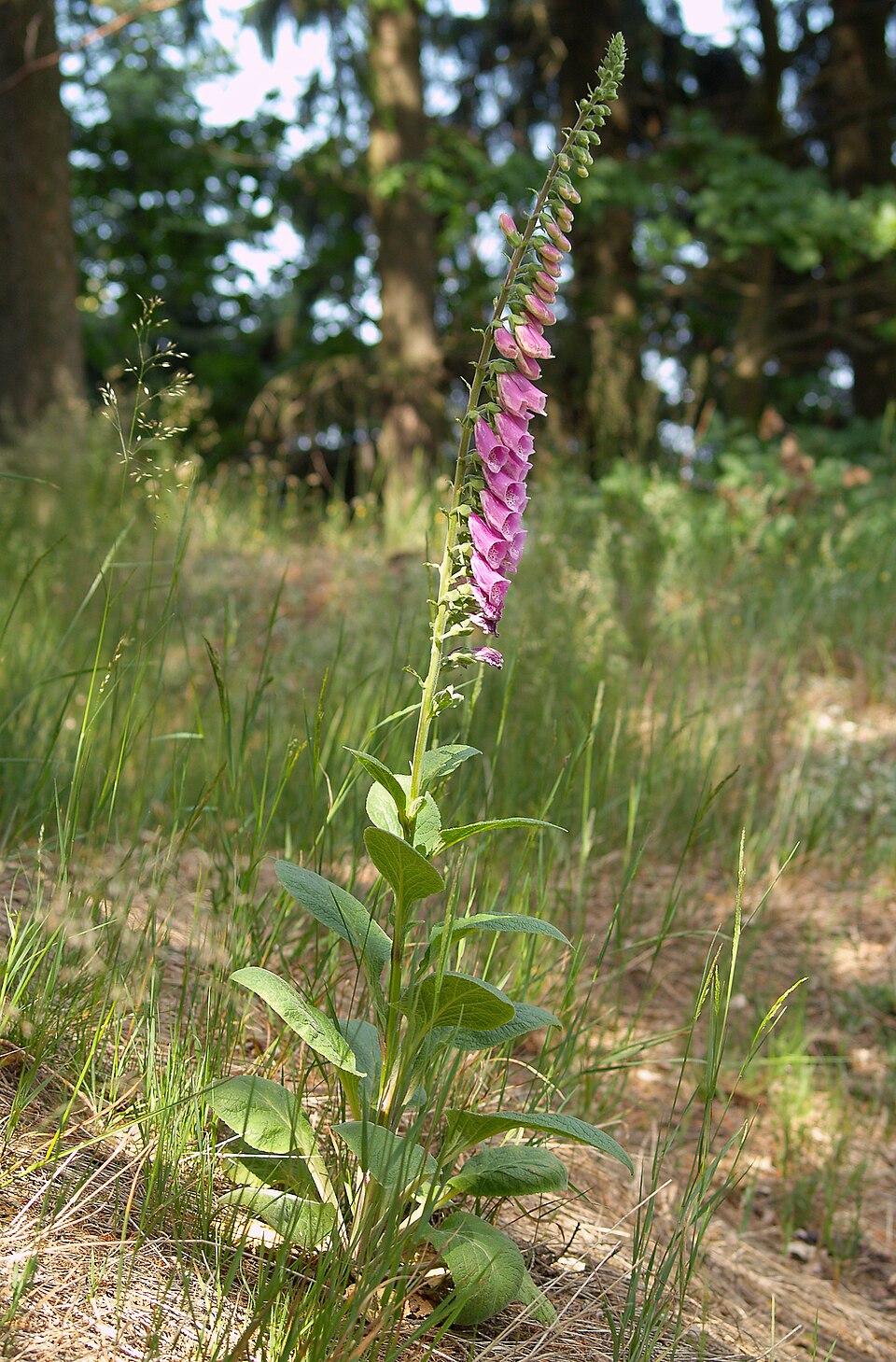
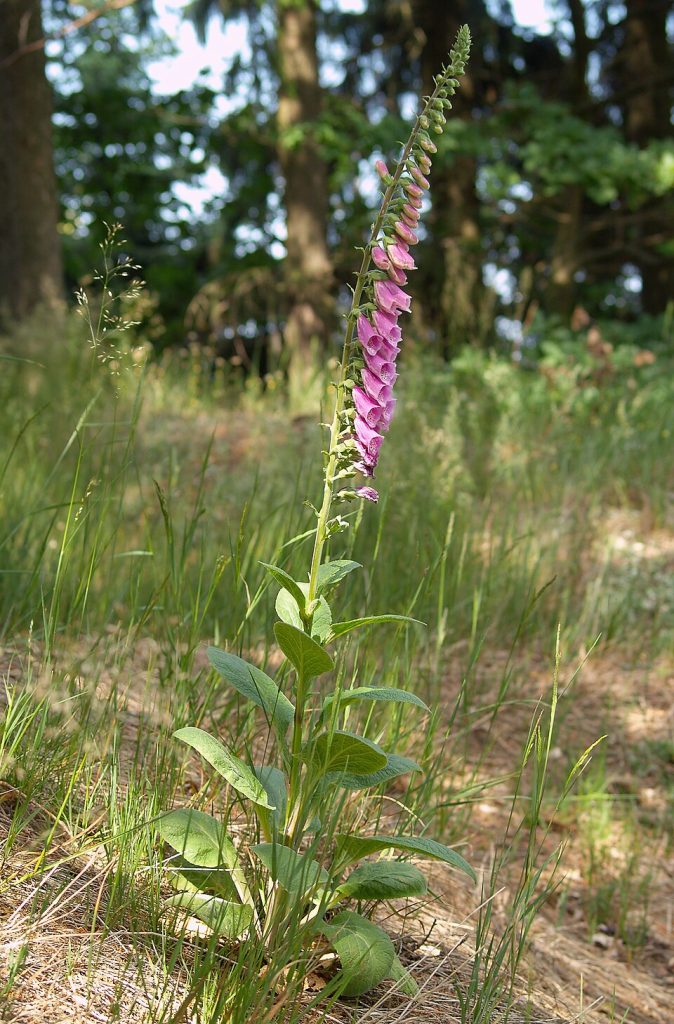
Foxgloves are the fairytale flower - tall spires of thimble-shaped bells in purple, pink, and white, freckled inside like something from a storybook. They bring vertical magic to shady borders where few tall flowers thrive. But they run on a two-year clock: leaves the first year, flowers the second, and then - for the common biennial types - the plant dies, trusting its seed to carry on. Learning how to grow foxglove means embracing that rhythm and sowing two years running for yearly displays. One more thing, stated plainly: every part is poisonous.
The USDA PLANTS entry for Digitalis purpurea confirms both its biennial habit and its toxicity. This guide covers sowing, the two-year cycle, safe siting, and cutting the spires. For a quick botanical overview, see the USDA PLANTS entry for Digitalis purpurea.
Choosing a Variety
When it comes to how to grow foxglove, getting the details right makes all the difference.

Many homeowners find that how to grow foxglove is easier than they expected once they know the basics.
The common Digitalis purpurea is the biennial cottage classic - Excelsior hybrids with outward-facing bells, and the soft apricot Foxy strain, are favorites. Perennial foxgloves like Digitalis grandiflora return yearly but with smaller flowers; they suit gardeners who dislike replanting. For the biennial rhythm, sow two batches a year apart so something is always blooming. The Old Farmer's Almanac guide to foxglove recommends buying first-year rosettes from nurseries to skip a season of waiting. Site them toward the back of the border, away from play areas and pets, and teach children the rule: look, never touch.
When and How to Plant
Many homeowners find that how to grow foxglove is easier than they expected once they know the basics.
The key to how to grow foxglove is choosing the right approach for your space and budget.
Timing your sowing
Start foxglove indoors about 8 weeks before your last spring frost. Use small pots or cell packs and keep them warm and bright; foxglove resent having their roots disturbed, so pot up promptly if seedlings outgrow their cells. Move them into the garden about a week after your last spring frost, when nights have steadied. Seeds are tiny, so cover them only about 0 inch deep and keep the mix evenly moist until they sprout.
Spacing, depth, and days to harvest
The first season is mostly about roots and establishment; the real payoff begins in the second season, so plant with patience.
Harden off indoor-started seedlings over seven to ten days, lengthening their outdoor time gradually. Plants moved straight from windowsill to garden stall out, while hardened ones take off running.
Frost-date charts from a ZIP-code planting calendar help if you are new to reading your zone.
Soil and Sun
The key to how to grow foxglove is choosing the right approach for your space and budget.
With a little planning, how to grow foxglove can fit even a busy schedule.
Light needs
It prefers part shade - morning sun with afternoon shade is the classic recipe, especially where summers run hot.
Building good soil
The soil recipe is simple: rich, well-drained soil. A generous digging-in of compost at planting time fixes most imperfect soils.
It is rated for zones 4 to 9. Outside that range, treat it as an annual or grow it in containers you can move with the seasons.
Mulch after planting with two to three inches of straw, shredded leaves, or bark. Mulch holds moisture, smothers weeds, and feeds the soil as it breaks down - it is the single easiest upgrade to any planting.
Soil testing labs listed through the University of Minnesota Extension can confirm your pH before you plant.
Watering and Feeding
With a little planning, how to grow foxglove can fit even a busy schedule.
Before you start, it helps to understand how how to grow foxglove works in real homes.
Watering routine
Regular, even watering is the goal. Letting plants wilt and then drowning them stresses them and invites trouble.
Feeding
Compost at planting is enough; overfeeding makes tall, weak spikes. It is not a heavy feeder. Rich soil plus compost is enough - save the strong fertilizer for the hungriest vegetables.
Water in the morning so foliage dries by evening - wet leaves overnight invite disease. A rain gauge, or even a tuna can set out in the rain, tells you how much fell; adjust the hose accordingly.
Irrigation basics from Clemson's Home & Garden Information Center apply to all of these schedules.
Care Through the Season
Before you start, it helps to understand how how to grow foxglove works in real homes.
A good plan for how to grow foxglove saves time, money, and frustration.
Through the season, keep the soil evenly moist - drought stunts the flower spikes. Mulch to hold moisture and feed lightly with compost in spring. Foxgloves need no staking in sheltered spots; in wind, a discreet stake saves the spire. Watch for aphids on the flower spikes and Japanese beetles chewing the blooms; both are manageable by hand. Remove spent spikes promptly unless you want self-sown seedlings everywhere - and you might, since a self-perpetuating patch is the cottage-garden ideal. The Lady Bird Johnson Wildflower Center notes foxglove's naturalization in woodland edges, which tells you the conditions it loves: rich, moist, partly shaded ground.
Companions and Placement
A good plan for how to grow foxglove saves time, money, and frustration.
For most people, how to grow foxglove comes down to a few smart choices.
Foxglove earns its place in a mixed perennial border with Delphinium, Hollyhock, and Columbine, where contrasting forms - spires against mounds, fine foliage against bold - create the real drama. Plant in generous drifts rather than ones and twos, and think about what the bed looks like in winter too; seed heads and evergreen foliage carry the off-season. Keep aggressive spreaders in check with yearly edging, and divide congested clumps before bloom suffers. A border is a slow painting; expect to move plants around for the first few years.
Harvest
For most people, how to grow foxglove comes down to a few smart choices.
If you are new to how to grow foxglove, start with the simplest option and build from there.
Cut flower spikes for tall arrangements when the bottom florets open - strip the lower leaves and they last a week in water, with upper buds continuing to open indoors. Wear gloves when cutting; the toxins absorb through skin slowly, but caution costs nothing. Let at least one spike mature seed if you want the patch to perpetuate itself - the Missouri Botanical Garden plant finder notes how readily foxglove self-sows in suitable spots. Shake ripe seed heads where you want next year's rosettes, or collect seed to sow deliberately. That self-sowing is the real harvest: a permanent, free colony.
Troubleshooting
If you are new to how to grow foxglove, start with the simplest option and build from there.
When it comes to how to grow foxglove, getting the details right makes all the difference.
No flowers in year one is normal - that is the biennial bargain; rosettes bloom the second year after a winter chill. Plants that die without seeding were deadheaded too thoroughly; leave one spike to set seed. In zones 10 and warmer, foxgloves fail for lack of winter vernalization, as the USDA National Agricultural Library's resources confirm - grow them as annuals there or choose another spike flower. Crown rot in soggy soil is fatal; drainage matters. If seedlings appear in the lawn, they transplant easily when small - move them to the border and the colony marches on.
Through the Seasons
When it comes to how to grow foxglove, getting the details right makes all the difference.
Spring
In spring, clear winter debris, divide overgrown perennials, and plant new additions. Drive stakes for tall varieties now, while you can still see what you are doing. A spring feeding of compost wakes everything up. Label new plantings; the garden is full of mystery shoots by midsummer.
Summer
Through summer, keep the blooms coming with regular deadheading and steady water. Foxglove looks its best with mulch keeping roots cool. Cut generously for arrangements - most perennials bloom more when cut. Patrol for slugs and beetles after rain, and tie in any stems the wind worries.
Fall and Winter
As the season ends, enjoy the last blooms, then put the bed to bed: cut back, mulch, and clean up diseased foliage (trash it, do not compost it). Order new varieties for spring while catalogs are fresh. A fall-planted perennial gets a head start - roots grow in cool soil long after tops quit.
Quick Answers
How long does foxglove take to grow?
The first season is about establishment; expect the real harvest to begin in the second season. Perennials reward patience.
What zones can I grow foxglove in?
Zones 4 through 9. Inside that range it is hardy and reliable; outside it, grow as an annual or in containers.
How much sun does foxglove need?
Part shade. A little afternoon shade is welcome where summers run hot.
How far apart should I plant foxglove?
About 14 inches apart. Crowding stunts plants and invites disease, so give each one its room - the harvest is bigger, not smaller, for the space.
Garden Design Ideas
Foxgloves are made for the woodland edge and the back of the shady border, where their spires rise above ferns, hostas, and astilbes. Plant them in drifts and let them self-sow; a naturalized colony that reappears yearly is the cottage-garden ideal. Their vertical lines contrast beautifully with mounded plants, and the spotted throats reward close inspection - site some along a path where children can look but are taught never to touch. Pair with columbines and bleeding hearts for a spring sequence. Remember always: every part is poisonous, so keep them out of reach and out of the vegetable garden. Browse more plant profiles at Gardenia.net's plant profiles for ideas.
Keep Growing
How to grow foxglove: surface-sow in part shade, wait out the rosette year, enjoy the spires, let seed fall - and always respect the toxicity. It is the easiest dramatic flower in the shade garden once the rhythm clicks. For sowing dates, check your USDA zone planting dates and plant them with other cottage-garden classics - our guides to how to grow delphiniums, how to grow hollyhocks, and how to grow columbine complete the storybook border.
References
- Missouri Botanical Garden. (n.d.). Foxglove. https://www.missouribotanicalgarden.org/
- Old Farmer's Almanac. (n.d.). Growing foxglove in home gardens. https://www.almanac.com/
- U.S. Department of Agriculture. (n.d.). Foxglove (Digitalis purpurea) plant profile. https://plants.usda.gov/home
- Lady Bird Johnson Wildflower Center. (n.d.). Foxglove. https://www.wildflower.org/plants/
Was this guide helpful?

About My Garden US
The My Garden US editorial team writes practical, in-depth home and garden guides for American homeowners — tested advice, no fluff.