Every garden has that damp, shady corner where nothing thrives. Astilbe is the answer to it. Its feathery plumes of pink, white, red, and lavender rise above fern-like foliage in early to midsummer, glowing in shade where sun-loving perennials would sulk. If you want to learn how to grow astilbe, there is really one rule that matters above all others: never let it dry out. Get the water right, and this plant is nearly indestructible.
Table of Contents
Table of Contents
Astilbe (mostly Astilbe × arendsii hybrids in gardens) is hardy in zones 3 through 8. It wants part to full shade and rich, consistently moist soil - the wetter the better, within reason. In hot, dry summers past zone 8 it burns and stalls, but where summers are moderate and shade is available, it is one of the most reliable perennials you can plant.

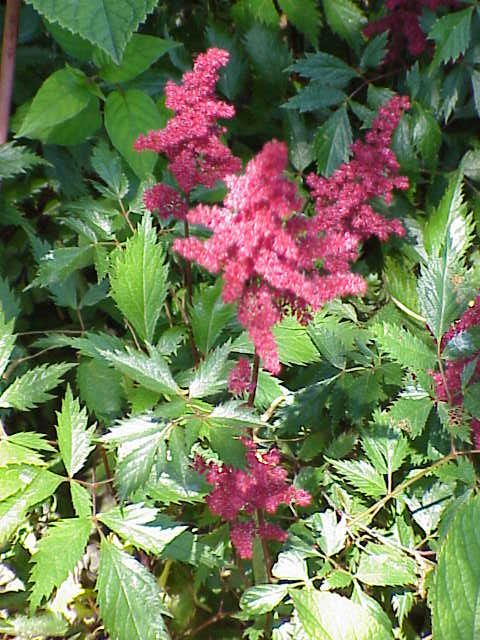
Photo: Wikimedia Commons
Choosing a Variety
When it comes to how to grow astilbe, getting the details right makes all the difference.

Many homeowners find that how to grow astilbe is easier than they expected once they know the basics.
Astilbe varieties are usually grouped by bloom time and size, and smart shopping means staggering both. Early, mid, and late types stretch the plume season from early summer well into late summer - plant all three groups and you get two months of bloom instead of three weeks. Heights run from 1-foot dwarfs for edging to 4-foot giants for the back of the border.
Color is a matter of taste and shade. White and pale pink plumes glow in deep shade, seeming to light up dark corners. Deep reds and magentas hold their own in brighter spots. The foliage matters too - some varieties carry bronze-tinged leaves that look good even out of bloom. When you shop, read tags for height, bloom time, and moisture needs. Gardenia.net has thorough cultivar comparisons with photos, and the Missouri Botanical Garden plant finder rates many for garden performance.
Buy divisions or potted plants rather than seed. Named varieties do not come true from seed, and divisions establish fast - a spring-planted division often blooms lightly its first summer and strongly by year two. Look for plants with healthy, firm crowns and no mushy spots.
When and How to Plant
Many homeowners find that how to grow astilbe is easier than they expected once they know the basics.
The key to how to grow astilbe is choosing the right approach for your space and budget.
Plant divisions or potted astilbe in spring, about a week after your last spring frost. Spring planting gives roots a full season to establish before winter, which matters for a plant whose whole strategy is building a big, moisture-hungry root system. Check your zone's frost dates on our planting calendar to time it.
Set the crown about an inch below the soil surface - slightly deeper than most perennials like. Astilbe crowns tend to rise over the years, and planting a touch deep buys time before they sit exposed. Space plants 18 inches apart; they fill in to make a lush, weed-smothering mass. Dig each hole wide, work compost into the backfill, water thoroughly at planting, and mulch immediately with two to three inches of compost or shredded leaves. That first deep watering and mulch layer set the tone for the plant's whole life: this plant must never go thirsty.
Fall planting works in mild climates where the ground does not freeze hard, but spring is safer in cold zones - fall-planted divisions can heave out of the ground over winter before their roots grip.
Soil and Sun: The Moisture Equation
The key to how to grow astilbe is choosing the right approach for your space and budget.
With a little planning, how to grow astilbe can fit even a busy schedule.
Rich, consistently moist soil - that is the whole secret. Astilbe is the plant for the damp shady corner where everything else fails: beside a downspout, at the edge of a rain garden, under trees where the soil stays cool. Amend the planting area generously with compost or leaf mold, which both feeds the plant and acts like a sponge. In sandy soil that dries fast, extra organic matter is not optional - it is the difference between thriving and merely surviving.
Sun exposure is flexible within shade. Part shade - morning sun, afternoon shade - gives the most flowers. Full shade still blooms, just a bit less. Deep, dark shade under dense evergreens is too much; dappled shade under deciduous trees is ideal, since spring sun reaches the plants before the leaves fill in. In cool northern climates, astilbe tolerates more sun as long as the soil stays moist - moisture matters more than shade.
Test your soil's moisture retention honestly. Dig a hole, fill it with water, and see how fast it drains. If it empties in minutes, you will be watering constantly or amending heavily. Your extension service can advise on improving water-holding capacity; University of Minnesota Extension and Clemson Cooperative Extension both cover shade-garden soil preparation.
Watering and Feeding: Never Let It Dry Out
With a little planning, how to grow astilbe can fit even a busy schedule.
Before you start, it helps to understand how how to grow astilbe works in real homes.
Water deeply and often - this is the non-negotiable habit. Even brief drought browns the leaf edges permanently for the season; wilted astilbe foliage never recovers its looks, though the plant itself usually survives. In dry spells, water deeply twice a week or more. A soaker hose under the mulch delivers water to the roots without wetting the plumes.
Mulch heavily - three to four inches of compost, shredded leaves, or bark - and top it up yearly. Mulch is your moisture insurance: it cuts evaporation, keeps roots cool, and slowly feeds the soil as it breaks down. In the hottest part of summer, check soil moisture with your finger; if the top two inches are dry, water.
Feed in spring as growth emerges. A top-dressing of compost is the ideal food - it feeds and mulches in one step. If you use granular fertilizer, apply a balanced type lightly in spring.
Do not feed late in the season. Fertilizer pushed in late summer forces soft growth that enters winter unprepared, and astilbe crowns heave worse when the fall growth is lush and tender. One spring feeding - compost preferred - is the entire yearly program. In truly rich, moisture-holding soil amended yearly with leaf mold, you may find established clumps need no feeding at all beyond the mulch; the breaking-down mulch feeds them continuously. Watch the plants: deep green foliage and strong plumes mean nutrition is right.
Astilbe is a moderate feeder; rich soil grows lusher plants, but the real driver of performance is water, not fertilizer. The Clemson HGIC shade perennial pages and the Old Farmer's Almanac garden guides both emphasize moisture over feeding for astilbe.
Care Through the Season
Before you start, it helps to understand how how to grow astilbe works in real homes.
A good plan for how to grow astilbe saves time, money, and frustration.
Division every three to four years, in spring, keeps clumps vigorous. Crowded crowns bloom poorly - if your astilbe blooms weakly despite moist soil, it is likely overdue for division. Lift the clump, cut it into fist-sized pieces with a sharp spade or knife, and replant immediately at the same depth. Water divisions well until they establish. This is also how you multiply your planting for free; a single mature clump can become five or six new plants.
Deadheading is optional. You can snip spent plumes after bloom, but many gardeners leave the rust-colored seed heads for winter interest - they look handsome with frost on them and feed no pests. Cut the old foliage to the ground in late fall or early spring; spring cleanup is safer in cold zones, where the old leaves protect the crown.
Astilbe has almost no pests. The main enemy is simply dry soil. Slugs occasionally chew new spring growth in damp gardens; trap them if they become a problem. Deer usually leave astilbe alone, which is a blessing in deer country.
Combine astilbe with other shade lovers that share its thirst: hostas, ferns, foxglove, and columbine make the classic moist-shade planting. The contrasting textures - feathery plumes, bold hosta leaves, lacy ferns - look designed even when you just tucked them into the same damp corner.
Cutting and Enjoying the Plumes
A good plan for how to grow astilbe saves time, money, and frustration.
For most people, how to grow astilbe comes down to a few smart choices.
Cut the feathery plumes for fresh arrangements when fully open - they last about a week in water and bring an airy texture no other cut flower quite matches. For dried arrangements, cut plumes at peak and hang them upside down in a dark, airy spot; they hold their shape and much of their color for months, even years.
Leave some plumes for the garden's winter look. The dried seed heads catch frost beautifully and give the shade border structure when everything else has collapsed. It is one of the few perennials that earns its keep in all four seasons without any extra work from you.
Troubleshooting
For most people, how to grow astilbe comes down to a few smart choices.
If you are new to how to grow astilbe, start with the simplest option and build from there.
Brown, crispy leaf edges: Drought - the classic astilbe complaint. Even one dry spell scars the foliage for the season. Mulch deeper and water more consistently; the plant will return fine next spring.
Weak bloom despite moist soil: Overdue for division. Lift and split every three to four years.
Crowns rising out of the soil: Normal aging. Top-dress with compost each spring to cover exposed crowns, and divide and replant deeper when you split the clump.
No flowers in deep shade: Too dark. Move to dappled or part shade; astilbe needs some light to bloom well.
Burning in hot climates: Past zone 8, heat overwhelms it even in shade. Gardeners in hot regions should choose heat-tolerant alternatives. UF IFAS Gardening Solutions suggests shade perennials for warm climates, and the USDA National Agricultural Library indexes shade-gardening references. The USDA PLANTS Database documents the genus.
Slugs on spring growth: Trap or hand-pick; iron phosphate bait is safe around pets and wildlife.
References
If you are new to how to grow astilbe, start with the simplest option and build from there.
When it comes to how to grow astilbe, getting the details right makes all the difference.
Missouri Botanical Garden. (n.d.). Astilbe × arendsii. https://www.missouribotanicalgarden.org/
Clemson University Cooperative Extension Service. (n.d.). Perennials for shade. https://hgic.clemson.edu/
University of Minnesota Extension. (n.d.). Growing astilbe in home gardens. https://extension.umn.edu/
Many homeowners find that how to grow astilbe is easier than they expected once they know the basics.
When it comes to how to grow astilbe, getting the details right makes all the difference.
Many homeowners find that how to grow astilbe is easier than they expected once they know the basics.
Was this guide helpful?

About My Garden US
The My Garden US editorial team writes practical, in-depth home and garden guides for American homeowners — tested advice, no fluff.
You May Also Like

Monstera Plants Sale California Homes USA: A Buyer’s Guide
February 20, 2026 16 views
Where to Find Sunflower Seed Packs USA Online Deals
January 30, 2026 17 views
Heirloom Vegetable Seeds for California Homes: A Plain Growing Guide
June 16, 2026 21 views