---
Table of Contents
Table of Contents
- Upstairs Hotter Than Downstairs: Heat Rises, but That Is Only the Start
- Your Ductwork May Be Starving the Upstairs
- The Thermostat Might Be Lying to the System
- Weak Insulation Turns the Upstairs Into an Oven
- Fixes You Can Do Yourself
- Bigger Fixes Worth the Money
- Heating Season Has Its Own Version
- When to Call a Professional
- The Bottom Line
- References
You walk up the stairs on a warm afternoon and feel it hit you like a wall. Downstairs the air is cool and pleasant. Upstairs it is stuffy, heavy, and five or more degrees warmer. The bedrooms feel like an attic. Sleep suffers. The air conditioner runs and runs, but the second floor never quite catches up. The rest of this guide covers upstairs hotter than downstairs in plain language.
This is one of the most common comfort complaints in two-story homes. It happens in houses old and new, with systems big and small. The good news is that the causes are well understood, and most of them can be fixed without replacing your equipment.
Yes, heat rises. That is real physics, and it plays a part. But it is only part of the story. Roof heat, weak attic insulation, leaky ductwork, poor airflow balance, and thermostat placement all pile on. Fix the right ones and the upstairs can feel almost as comfortable as the downstairs.
Upstairs Hotter Than Downstairs: Heat Rises, but That Is Only the Start
When it comes to upstairs hotter than downstairs, getting the details right makes all the difference.
Many homeowners find that upstairs hotter than downstairs is easier than they expected once they know the basics.
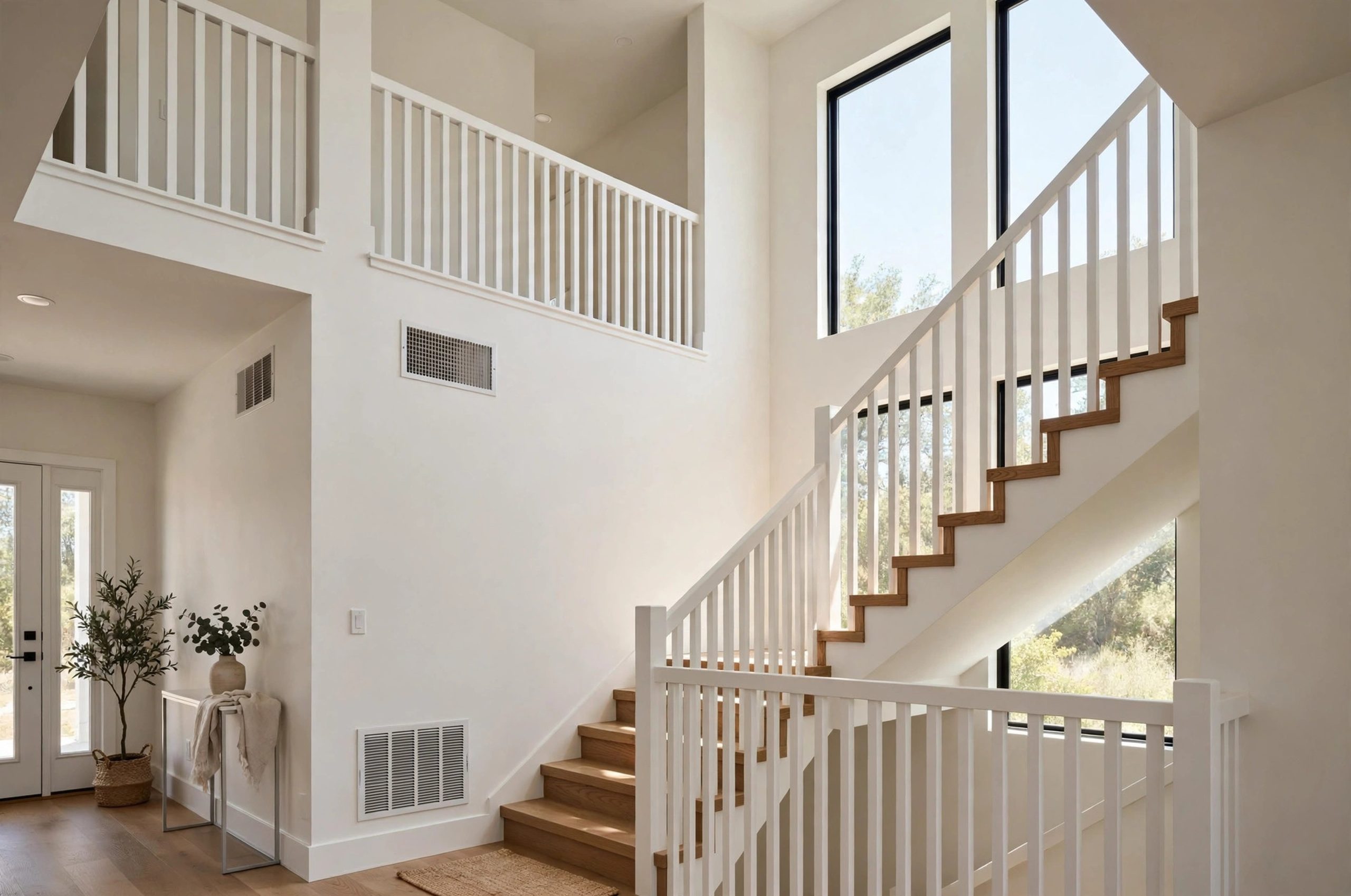
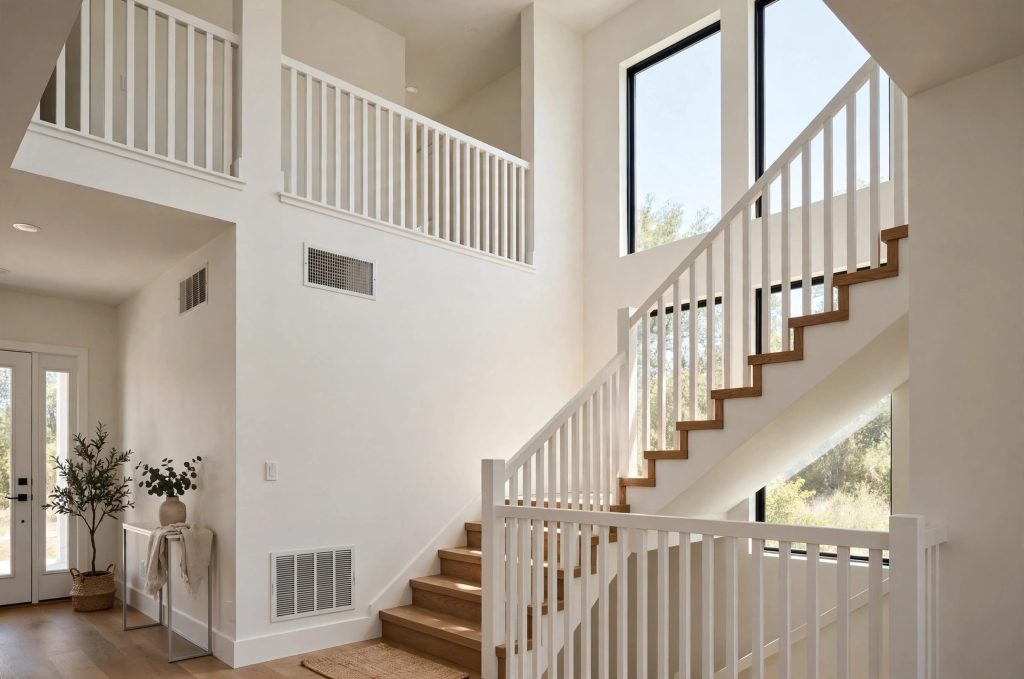
Warm air is lighter than cool air, so it drifts upward through stairwells and open spaces. Cool air sinks. In a two-story home this natural sorting means the upper floor collects warmth from the whole house. You cannot repeal physics, but you should know it explains only a few degrees of the difference. When the gap is large, other forces are at work.
The bigger culprit is usually the roof. Your roof soaks up sun all day, and the attic underneath can reach brutal temperatures. That heat presses down into the upstairs rooms through the ceiling. Attic heat buildup is a leading reason upper floors overheat, especially when insulation or ventilation falls short. Walk into your attic on a hot afternoon and you will feel the problem firsthand. The upstairs ceiling is the floor of a solar oven.
Upstairs rooms also catch more direct sun through their windows, particularly on the west and south sides. Long summer evenings pour heat through the glass right when you want the bedrooms to cool down for sleep.
Your Ductwork May Be Starving the Upstairs
Many homeowners find that upstairs hotter than downstairs is easier than they expected once they know the basics.
The key to upstairs hotter than downstairs is choosing the right approach for your space and budget.
Even with a strong air conditioner, cool air has to travel a long way to reach the second floor. It fights gravity through ducts that run up through walls and across hot attics. Along the way, three common duct problems steal the cooling.
First, leaks. Duct joints loosen over time, and every gap spills cooled air into the attic or wall cavities instead of the bedroom. Leaky or poorly sized ducts are a top cause of weak upstairs cooling. A system can lose a large share of its air before it ever reaches a vent.
Second, poor balance. Dampers and duct sizing decide how much air each room gets. If the system was never balanced, or if a past remodel changed the layout, the downstairs may hog the airflow while the upstairs gets scraps.
Third, missing returns. Supply vents push cool air in, but return vents pull warm air back to the system. Many upstairs rooms have supplies but no returns. Warm air gets trapped with no way out, so the room stays hot even with the AC running. Rooms without cold air returns trap warm air and defeat the cooling cycle.
The Thermostat Might Be Lying to the System
The key to upstairs hotter than downstairs is choosing the right approach for your space and budget.
With a little planning, upstairs hotter than downstairs can fit even a busy schedule.
In many two-story homes, a single thermostat sits on the first floor, often in a hallway. It reads the downstairs temperature and tells the system when to run. The problem is obvious once you see it. The downstairs cools down and satisfies the thermostat, which shuts the system off, while the upstairs is still sweltering. The warmest rooms in the house have no vote.
A single downstairs thermostat is a classic cause of uneven temperatures between floors. The system is not broken. It is simply taking orders from the coolest part of the house.
Other thermostat issues add to the trouble. A thermostat in direct sun or near a heat source reads wrong. An old manual thermostat may swing several degrees before reacting. And a system short on refrigerant or with a dirty filter cools weakly everywhere, which shows up worst upstairs where the load is highest.
Weak Insulation Turns the Upstairs Into an Oven
With a little planning, upstairs hotter than downstairs can fit even a busy schedule.
Before you start, it helps to understand how upstairs hotter than downstairs works in real homes.
Insulation slows heat moving into your home. When attic insulation is thin, compressed, or missing in spots, roof heat pours straight into the upstairs rooms. This is extremely common in older homes, where the original insulation has settled or was never enough to begin with.
Ventilation matters too. A hot attic needs a way to breathe. Soffit vents let cooler air in low, and ridge or gable vents let hot air out high. When vents are blocked by insulation or were never installed, superheated air sits trapped under the roof all afternoon and radiates down for hours, even after sunset. That is why upstairs bedrooms often feel hottest in the early evening.
Air sealing is the quiet partner of insulation. Gaps around attic hatches, recessed lights, plumbing pipes, and wiring holes let hot attic air leak directly into upstairs rooms. Sealing these bypasses can make a bigger difference than adding insulation alone. If you are unsure where you stand, our guide on how much attic insulation you need walks through the recommended levels, and our comparison of blown-in versus batt insulation helps you choose the right type.
Fixes You Can Do Yourself
Before you start, it helps to understand how upstairs hotter than downstairs works in real homes.
A good plan for upstairs hotter than downstairs saves time, money, and frustration.
Start with the simple, low-cost steps. Many homeowners close most of the comfort gap with these alone.
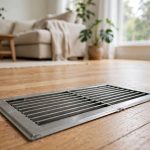
Open and clear all upstairs vents. Make sure every supply vent upstairs is fully open and not blocked by furniture, curtains, or rugs. Check that return vents, if you have them, are also clear. Vacuum the vent covers, since dust buildup restricts airflow.
Adjust the downstairs vents slightly. You can partially close a few downstairs supply vents to nudge more air upstairs. Do this gently. Closing too many vents raises pressure in the ducts and can harm the system. A good rule is to never close more than about a quarter of your vents, and never close them fully.
Run the fan continuously. Switch your thermostat fan from "Auto" to "On." This keeps air mixing through the house between cooling cycles, which evens out temperatures. It uses a little more electricity, but the comfort gain is often worth it.
Use ceiling fans upstairs. A ceiling fan does not cool the air, but moving air feels cooler on skin. Run bedroom fans counterclockwise in warm weather to push air downward. This lets you feel comfortable at a slightly higher thermostat setting.
Block the sun. Close blinds or curtains on west and south facing upstairs windows during the hottest part of the day. Even simple light-colored curtains cut heat gain noticeably. Keep upstairs doors open when possible so air can circulate between rooms.
Check and replace the air filter. A clogged filter chokes the whole system, and the upstairs suffers first and most. During heavy cooling season, check it monthly.
Bigger Fixes Worth the Money
A good plan for upstairs hotter than downstairs saves time, money, and frustration.
For most people, upstairs hotter than downstairs comes down to a few smart choices.
When the simple steps are not enough, these upgrades attack the root causes.
Add attic insulation. Bringing attic insulation up to the recommended level for your climate is one of the highest-payback improvements a homeowner can make. It slows roof heat in summer and holds warmth in winter. Pair it with air sealing for the full benefit.
Improve attic ventilation. Make sure soffit vents are clear and that hot air has an exit path. Proper ventilation drops attic temperatures dramatically, which directly cools the rooms below. A radiant barrier in the attic can also reflect roof heat before it soaks in, though results vary by climate.
Seal and insulate ductwork. Have leaky ducts sealed with mastic or metal tape, and insulate any ducts running through hot attics. Sealing alone can recover a large share of lost cooling. Professional duct sealing and balancing often fix upstairs comfort for good.
Balance the system professionally. An HVAC technician can measure airflow at each vent and adjust dampers to send more cooling upstairs. This is precise work with real instruments, and it beats guessing with vent louvers.
Consider zoning. A zoning system uses motorized dampers and a second thermostat to treat upstairs and downstairs as separate zones. Each floor gets exactly the cooling it needs. It costs more upfront but ends the battle permanently.
Add a second thermostat or smart sensors. Some modern thermostats support remote sensors you can place in upstairs bedrooms. The system then averages the temperatures or follows the bedroom at night, instead of obeying only the downstairs hallway.
Supplement stubborn rooms. For a bedroom that stays hot no matter what, a properly sized window air conditioner for the largest rooms can take the edge off during the worst heat without replacing the whole system.
Heating Season Has Its Own Version
For most people, upstairs hotter than downstairs comes down to a few smart choices.
If you are new to upstairs hotter than downstairs, start with the simplest option and build from there.
The upstairs-downstairs gap is not only a summer problem. In winter, some homes find the upstairs too cold instead. The causes rhyme: heat rises, so you would expect the upstairs to be warm, but poor insulation lets heat escape through the attic, and unbalanced ducts send too little warm air upstairs. Inadequate insulation and duct imbalance are the usual suspects when the upstairs will not heat properly. The fixes are the same family: insulation, air sealing, duct sealing, and professional balancing. A pro can find the imbalance with testing rather than guesswork.
When to Call a Professional
If you are new to upstairs hotter than downstairs, start with the simplest option and build from there.
When it comes to upstairs hotter than downstairs, getting the details right makes all the difference.
Bring in an HVAC technician if the temperature gap stays above four or five degrees after you have tried the simple fixes, if some upstairs vents blow weakly while others blast, if you suspect major duct leaks in the attic, or if the system itself seems weak everywhere. A pro can run a full airflow assessment, check the refrigerant charge, and tell you whether the equipment is sized right for the house. Persistent imbalance usually needs measured testing, not more guessing.
Also call if you are considering zoning or a second system. Those are design decisions that depend on your duct layout, and a load calculation for each floor will show what makes sense.
The Bottom Line
When it comes to upstairs hotter than downstairs, getting the details right makes all the difference.
Your upstairs is hotter than your downstairs for a handful of clear reasons: rising heat, a sun-baked roof, thin attic insulation, leaky or unbalanced ducts, and a thermostat that only listens to the first floor. Start with the free fixes, like opening vents, clearing blockages, and running the fan. Then invest where it counts: attic insulation, duct sealing, and professional balancing. Most two-story homes can be brought within a couple of degrees top to bottom. Even, quiet comfort on both floors is not a luxury. It is what the system was meant to deliver. Keep this guide handy the next time upstairs hotter than downstairs comes up.
References
Many homeowners find that upstairs hotter than downstairs is easier than they expected once they know the basics.
- A-Z Air Conditioning and Heating. (n.d.). Solved: Upstairs is a different temperature than downstairs. https://azaircond.com/blog/solved-upstairs-is-hotter-or-colder-than-downstairs/
- Bruce Massey Construction. (n.d.). Airflow balancing techniques. https://brucemasseyconstruction.com/airflow-balancing-techniques/
- Hafeman's HVAC. (n.d.). Why is my upstairs hotter than downstairs? https://hafemanshvac.com/why-is-my-upstairs-hotter-than-downstairs/
- Kilbourne Heating and AC. (n.d.). Solved: What to do when upstairs is too hot compared to downstairs. https://www.kilbourneairconditioning.com/blog/solved-upstairs-is-hotter-or-colder-than-downstairs/
- Santanna Energy Services. (n.d.). Why is my upstairs so hot? Common causes in summer and winter. https://santannaenergyservices.com/why-is-my-upstairs-so-hot/
- Snyder AC. (n.d.). Tips to balance cooling across rooms in Florida homes. https://snyderac.com/blog/how-to-troubleshoot-uneven-cooling-between-rooms/
- The Spruce. (n.d.). We asked HVAC pros why the upstairs is always so hot. https://www.thespruce.com/hvac-pros-explain-why-upstairs-hot-11988296
- West Michigan Heating and Air Conditioning. (n.d.). Solved: What to do when upstairs is too hot compared to downstairs. https://www.westmichiganheating.com/blog/solved-upstairs-is-hotter-or-colder-than-downstairs/
The key to upstairs hotter than downstairs is choosing the right approach for your space and budget.
Was this guide helpful?

About My Garden US
The My Garden US editorial team writes practical, in-depth home and garden guides for American homeowners — tested advice, no fluff.
You May Also Like

Best Geothermal Installers Near Me Reviews: A Homeowner's Guide
February 2, 2026 19 views
Solar Attic Fan Reviews for USA Homes
February 18, 2026 18 views
Garage Door Insulation R Value Guide USA
September 17, 2026 17 views