
A Plain Guide to Prices, Pros, and Trade Offs
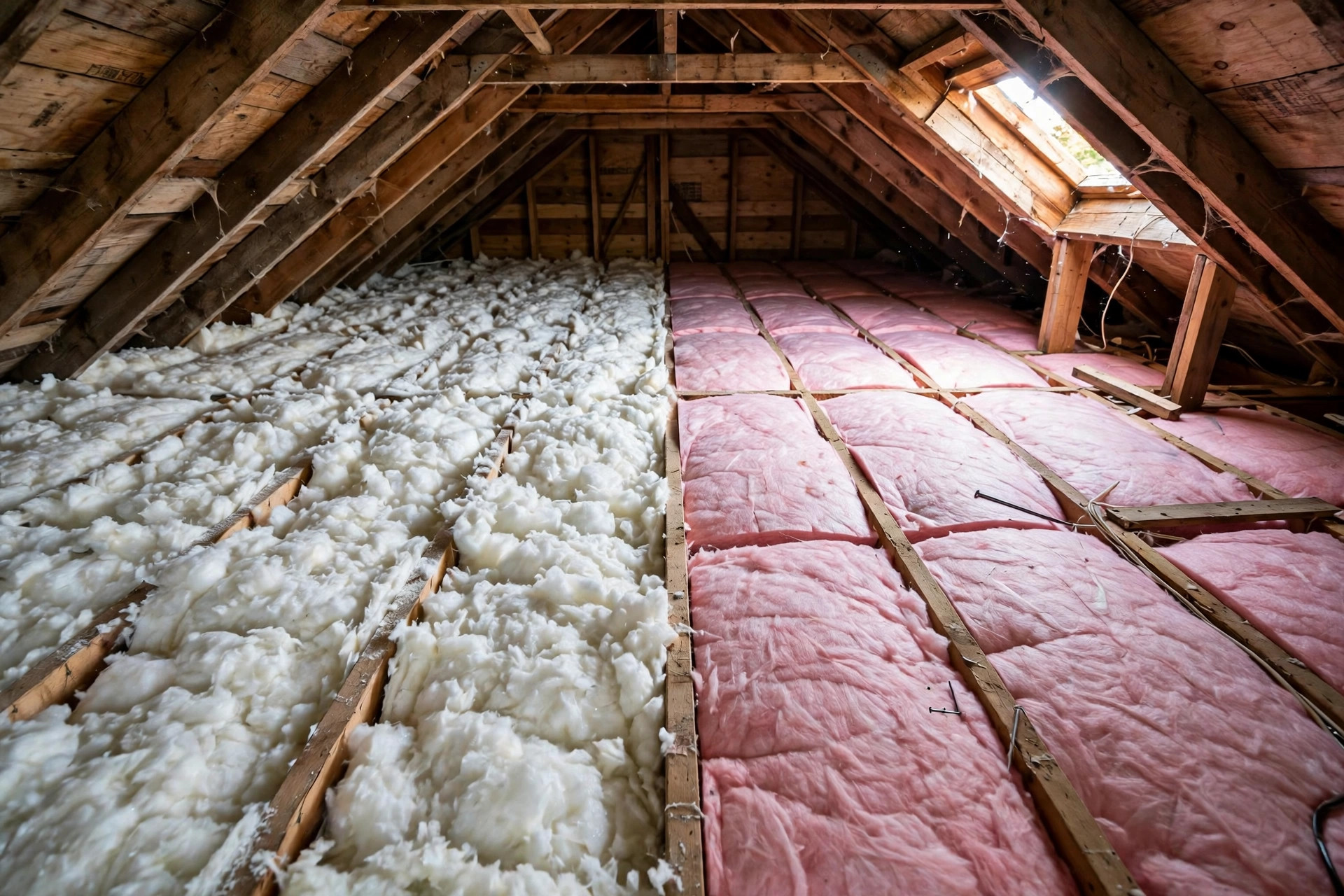
This blown in vs batt insulation cost comparison answers a question that many home owners ask before winter arrives: which type of insulation gives more comfort for the money. Blown in insulation and batt insulation are the two most common ways to fill an attic, a wall, or a crawl space with a thick blanket of fiber that slows heat flow. They do the same job, but they are sold, priced, and installed in very different ways. This guide lays out the price per square foot for each type, the pros and cons of each, and the simple facts you need to make a sound choice for your home.
Why the Choice Matters: Blown in vs Batt Insulation Cost Comparison
Insulation is one of the least seen and most important parts of a home. It sits in attics, walls, and floors where no one looks at it, yet it controls how much heat escapes in winter and how much heat enters in summer. When insulation is thin, old, or full of gaps, a furnace or air conditioner must run longer and harder. That raises the monthly energy bill. It also wears out heating and cooling equipment sooner.
The U.S. Department of Energy notes that sealing and insulating a home can cut heating and cooling costs in a clear and lasting way. Makers of heating equipment such as Carrier and Trane remind home owners that even the best furnace cannot do its job well in a poorly insulated house. A good insulation job pays for itself year after year through lower fuel bills and a steadier indoor temperature. That is why a careful price comparison matters: the difference between the two main types can be several hundred dollars on one attic job, and the cheaper choice is not always the better value.
What Blown In Insulation Is
Blown in insulation, often called loose fill, is made of small bits of fiber that are blown into place with a special machine. The most common kind is cellulose, made from recycled paper treated to resist fire. The other common kind is loose fiberglass, which is made from tiny glass fibers. A hose runs from the machine into the attic or wall, and the installer sprays the loose fiber until it reaches the depth needed for the right level of protection.
The great strength of blown in insulation is its ability to fill gaps. It flows around pipes, wires, and odd shaped framing. It covers corners that are hard to reach by hand. If your attic already has some old insulation, blown in material can be added on top without tearing anything out.
The main weakness is that blown in insulation must be installed with a machine. Most home owners rent the blower from a store or hire a crew. Over time, some types can settle a few inches, which lowers their protection unless the installer adds extra depth at the start.
What Batt Insulation Is
Batt insulation comes in pre cut rolls or flat pieces, most often made of fiberglass. The batts fit neatly between the wood studs in walls and between the joists in attics and floors. They are sized to match standard framing, such as sixteen inch stud bays. Some batts come with a paper or foil facing that acts as a vapor barrier. Others are unfaced and plain.
The great strength of batt insulation is its simple price and easy handling. A home owner with basic tools can carry batts up a ladder, unroll them, and press them into place in an afternoon. No machine is needed. For a straight, open attic floor with few obstructions, batt installation is quick and clean.
The main weakness is that batts must fit tightly to work well. When a batt is cut too short, compressed into a tight space, or left with gaps around pipes and wires, heat flows right through those weak spots. Batts also do not work well in walls that are already closed up, because they cannot be added without opening the drywall.
Blown In vs Batt Insulation Cost Comparison: The Price Breakdown
Here is the heart of this blown in vs batt insulation cost comparison. Prices below are national averages for 2026 for a typical 1,000 square foot attic. Local prices vary by region, season, and the thickness you need, so treat these numbers as a guide, not a firm quote.
Material price per square foot
Blown in insulation material costs about $0.50 to $1.50 per square foot, depending on the depth you need and whether you choose cellulose or fiberglass. Cellulose is usually the cheaper of the two. A deeper fill for a colder climate raises the material price because more bags are needed.
Batt insulation material costs about $0.40 to $1.00 per square foot. Fiberglass batts are one of the least costly insulation products on the shelf. Thicker batts with a higher heat rating cost more, but the price gap between thin and thick batts is smaller than many people expect.
On material alone, batt insulation is the cheaper product.
Installed price per square foot
The picture changes when labor is added. A professional crew installing blown in insulation in a 1,000 square foot attic usually charges $1.00 to $2.50 per square foot, material included. The job often takes only a few hours because the machine does the work fast.
A professional crew installing batt insulation usually charges $1.00 to $2.00 per square foot, material included. Labor is a bit slower because each batt is cut and fitted by hand, but the material is so cheap that the final total stays low.
Do it yourself price
Many home owners save labor cost by doing the work themselves. Do it yourself batt insulation costs about $400 to $1,000 for a 1,000 square foot attic, mostly the price of the batts. Do it yourself blown in insulation costs about $600 to $1,500 for the same area, including the rental of the blower machine. Some stores lend the blower for free when you buy enough bags, which brings the do it yourself blown in price down close to batt prices.
Total for a typical attic job
For a 1,000 square foot attic filled to a common level of protection, a professionally installed blown in job often totals $1,000 to $2,500. A professionally installed batt job often totals $1,000 to $2,000. The two ranges overlap a great deal. In most markets the difference between the two is only a few hundred dollars, which is small when spread over twenty or more years of energy savings.
If you plan to spray the attic yourself, batts save the most money up front. If you plan to hire a crew, the totals are close enough that quality of installation matters more than the choice of material. A poorly installed cheap batt job can cost more in lost energy over ten years than the difference between the two types.
Which Rooms Suit Each Type
Not every part of a house treats the two types the same. The best pick depends on where the insulation goes.
Attics are the best place for blown in insulation. Attics have joists, wires, pipes, and vents that create dozens of small gaps. Blown in fiber flows into all of them. If you first want to learn how much attic insulation you need, measure your current depth and compare it to the level recommended for your climate zone.
Open walls during new construction or a full remodel favor batts. The studs are exposed, the bays are straight, and batts can be set in place fast and tight. The facing on kraft faced batts also gives a simple vapor barrier in one step.
Closed walls in an older home favor blown in insulation. A crew can drill small holes in each stud bay, blow in dense pack cellulose, and patch the holes. This is the only practical way to insulate finished walls without tearing them open.
Crawl spaces and rim joists are a mixed case. Batts can be friction fitted between floor joists, but they may sag over time if they are not held with wire or straps. Blown in insulation is harder to hold in place under a floor. For below grade walls, many guides on the best insulation for crawl space walls point to rigid foam board as well as batts, so compare those options too.
Some home owners also ask about spray foam insulation and its cost per square foot as a third option. Spray foam costs much more than both blown in and batt types, but it air seals at the same time that it insulates. It is a different class of product and a different price range.
What to Look For When You Buy
The label on insulation gives a number called the R value. This number measures how well the material resists heat flow. A higher R value means better insulation. In warm climates, attic R values near R 30 are common. In cold climates, values near R 49 or even R 60 are common. The ENERGY STAR program gives tables that match R value to climate zone, and they are a good place to start.
Thickness matters as much as R value. Ten inches of blown in cellulose gives about R 35. Twelve inches gives about R 44. Batt thickness is fixed by the product, so you must buy the right size for your joists. Never compress a thick batt into a thin space. Compression steals R value. A twelve inch batt squeezed into six inches of space does not give twice the protection. It gives far less than its label says.
Check the facing. In walls, a kraft paper or foil facing can act as a vapor retarder that slows moisture from moving into the insulation. In attics, faced batts are usually laid with the facing down toward the warm living space, unless a local code says otherwise.
Air sealing comes first. Before any insulation goes down, seal the holes where air leaks through the attic floor or the top of walls. Caulk around plumbing vents, foam around wire holes, and weatherstrip the attic hatch. Home repair guides at This Old House and Family Handyman show these steps in plain detail. Insulation slows heat flow, but it does not stop air leaks. Both steps are needed for the best result. The U.S. Department of Energy publishes free guides on home insulation and air sealing for every climate zone, and equipment makers such as Lennox, Rheem, and Goodman all note that a well sealed and well insulated house lets smaller heating and cooling equipment do the job.
Care and Upkeep
Both types need little care once they are in place. Walk through the attic once a year and look for signs of trouble. Blown in insulation should sit at an even depth across the whole floor. Check the depth with a ruler. If it has settled below the level your climate zone needs, a top up of a few more inches is a simple job.
Batts should stay flat and tight. Look for batts that have slipped, fallen, or been pushed aside by a repair worker. Look for damp spots, which point to a roof leak or a plumbing leak above. Wet insulation must be dried or replaced, because wet fiber conducts heat and can grow mold.
Keep storage boxes and old lumber off the attic floor where possible. Weight compresses both types and lowers their R value. If you must store items in the attic, build a raised platform over the joists so the insulation below is never crushed.
Safety
Fiberglass insulation can irritate skin, eyes, and lungs. Wear long sleeves, gloves, safety glasses, and a dust mask when you handle it. Cellulose dust is less harsh on skin, but a dust mask is still wise during a blow in job. Keep children and pets out of the work area until the dust settles.
Keep all insulation away from heat sources. Never let batts or loose fiber touch a recessed light can that is not rated for contact with insulation, and never let it touch a flue pipe or chimney. Maintain the clearances that your local code requires. These clearances are there to prevent fire.
Ventilation must stay open. In attics with soffit vents, keep the vents clear of insulation with proper baffles. Blocking the vents traps moisture and can rot the roof deck. A quick check each fall, before heating season begins, takes only minutes and prevents costly damage.
Frequently Asked Questions
How much does blown in insulation cost compared to batt insulation?
For a typical 1,000 square foot attic, professionally installed blown in insulation costs about $1,000 to $2,500, while professionally installed batt insulation costs about $1,000 to $2,000. On material alone, batts are cheaper. With labor included, the two are often within a few hundred dollars of each other.
Which type saves more energy?
In an attic with many pipes, wires, and vents, blown in insulation usually gives better real world performance because it fills gaps that batts leave open. In a straight, open space with standard framing, well fitted batts perform just as well. The quality of the installation matters more than the type in most cases.
Can I add blown in insulation over old batts?
Yes. This is one of the most common upgrade jobs. The old batts stay in place and the new blown in fiber is sprayed over them to reach the full depth. The old batts must be dry and clean. If they are wet or moldy, remove them first.
Does blown in insulation settle over time?
Some settling is normal, especially with cellulose. A good installer adds extra depth at the start to allow for it. After a year or two, check the depth with a ruler and add more if it has dropped below the level your climate zone needs.
Is batt insulation safe to install myself?
Yes, for a straight attic or open wall. Wear gloves, a dust mask, and safety glasses. Cut batts with a sharp utility knife against a board. Press them in gently without compressing them. Do not step through the ceiling. Walk only on joists or on a plank laid across them.
How long does insulation last?
Both types can last twenty years or more when they stay dry and undisturbed. Water damage, pest damage, or repeated crushing shortens that life. An attic that was insulated in the 1990s may still perform well if the material is dry and at full depth.
A Short Final Word
A blown in vs batt insulation cost comparison shows that neither type wins on every count. Batts cost less on the shelf and suit simple do it yourself jobs. Blown in fiber costs more in material, fills gaps better, and suits attics and closed walls. Professionally installed, the prices are close enough that a careful, gap free installation is the true measure of value. Seal the air leaks first, buy the right R value for your climate, and keep the insulation dry. Do that, and either type will pay you back in lower bills for many years.
References
Carrier. (n.d.). Heating and cooling systems. https://www.carrier.com ENERGY STAR. (n.d.). Energy efficient products. https://www.energystar.gov Family Handyman. (n.d.). DIY home repair and maintenance. https://www.familyhandyman.com Goodman. (n.d.). Heating and cooling equipment. https://www.goodmanmfg.com Lennox. (n.d.). Heating and cooling systems. https://www.lennox.com Rheem. (n.d.). Heating, cooling, and water heating. https://www.rheem.com This Old House. (n.d.). Home renovation guidance. https://www.thisoldhouse.com Trane. (n.d.). Heating and air conditioning. https://www.trane.com U.S. Department of Energy. (n.d.). Energy efficiency and renewable energy. https://www.energy.gov
Was this guide helpful?

About Jennifer Lee
The My Garden US editorial team writes practical, in-depth home and garden guides for American homeowners — tested advice, no fluff.
You May Also Like
Heat Pump vs Furnace: A Cost Comparison for USA Homes
June 6, 2026 0 views
Outdoor Furnace for Home Heating Reviews USA: A Plain Guide
July 23, 2026 0 views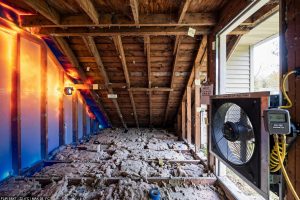
Home Energy Audit Cost Near Me 2026: What You Pay and What You Get
March 28, 2026 0 views