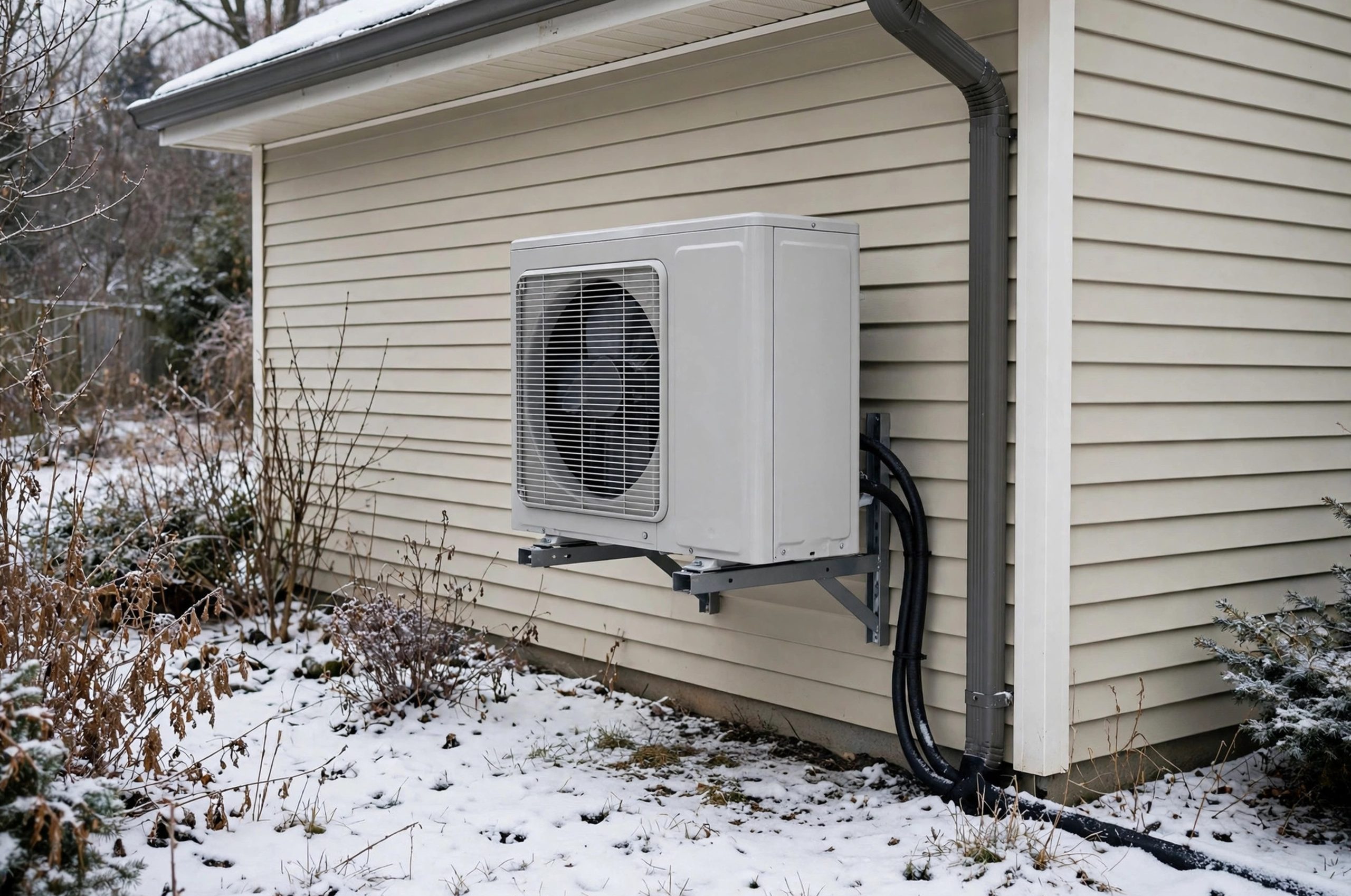
---
Table of Contents
Table of Contents
- Winterize a Mini Split Outdoor Unit: Understand How a Mini Split Handles Cold
- Step 1: Give It Height and Clearance
- Step 2: Protect It From Falling Snow and Ice
- Step 3: Make Sure It Drains
- Step 4: Clean the Coils and Filters
- Step 5: Check the Line Set and Insulation
- Step 6: Set It and Leave It
- Step 7: Seal the House Around the System
- Mistakes That Damage Mini Splits in Winter
- When to Call a Professional
- Frequently Asked Questions
- References
A mini split heat pump is built to run in winter. That is the whole point of the equipment. But "winterize" does not mean shutting it down and wrapping it like a boat. It means preparing the outdoor unit and your habits so the system heats efficiently through the coldest stretch of the season. Skip the prep, and you get ice buildup, weak heat, and nuisance shutdowns. Do it right, and the unit hums along. This guide covers winterize a mini split outdoor unit in plain steps.
This guide covers the outdoor unit first, then the indoor habits that matter, and finally the mistakes that damage systems every winter. If you are new to ductless equipment, our review of the best DIY mini split systems and the Daikin vs Mitsubishi comparison will ground you in what these systems can do.
Winterize a Mini Split Outdoor Unit: Understand How a Mini Split Handles Cold
When it comes to winterize a mini split outdoor unit, getting the details right makes all the difference.
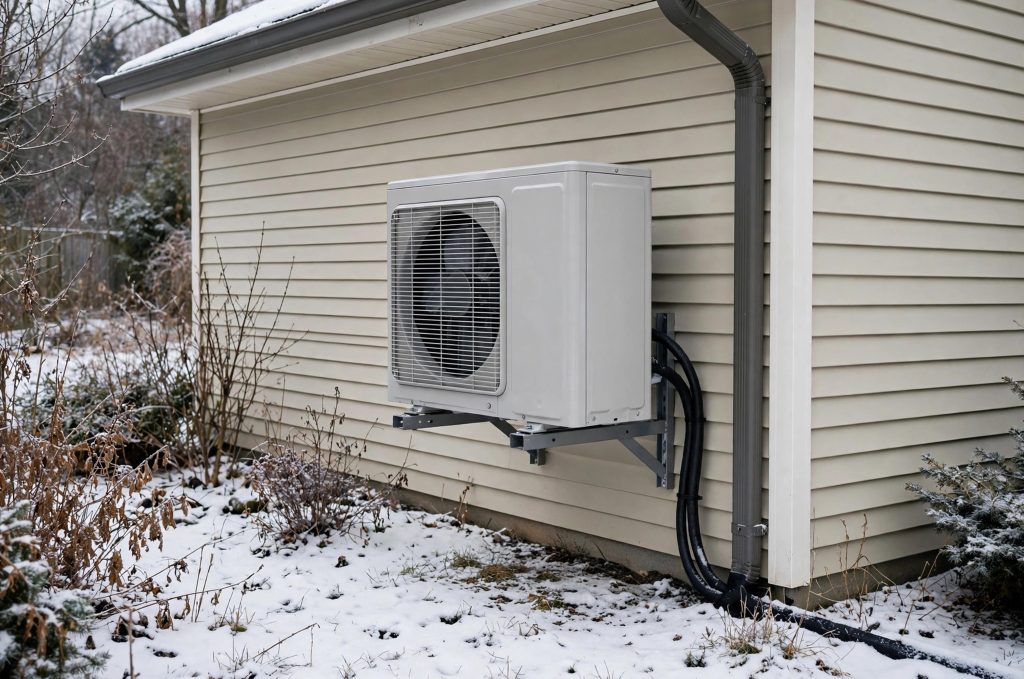
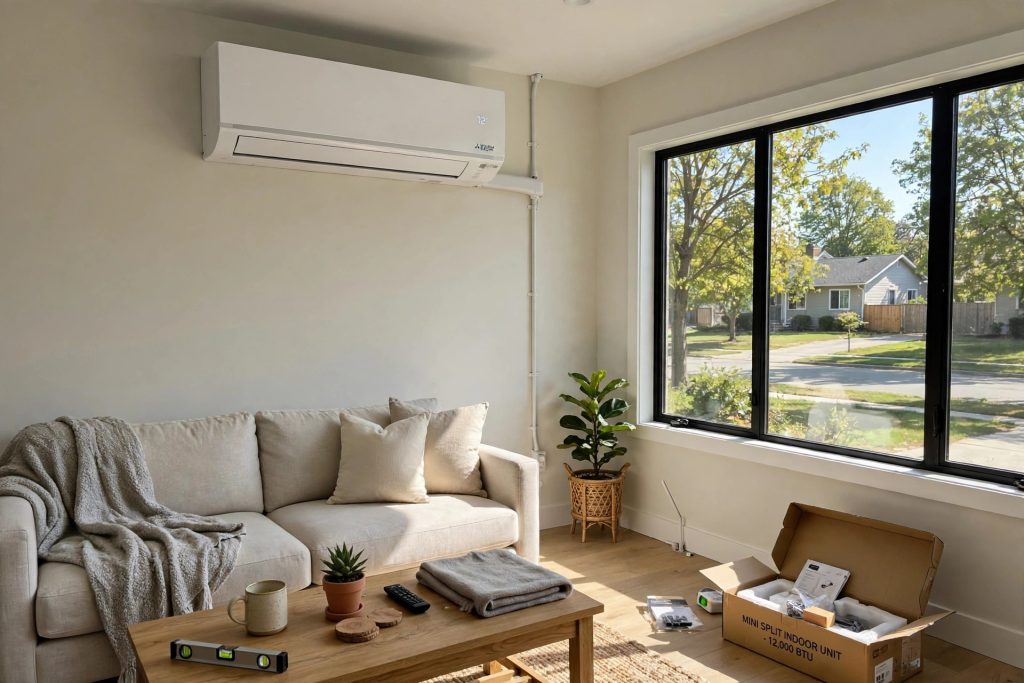
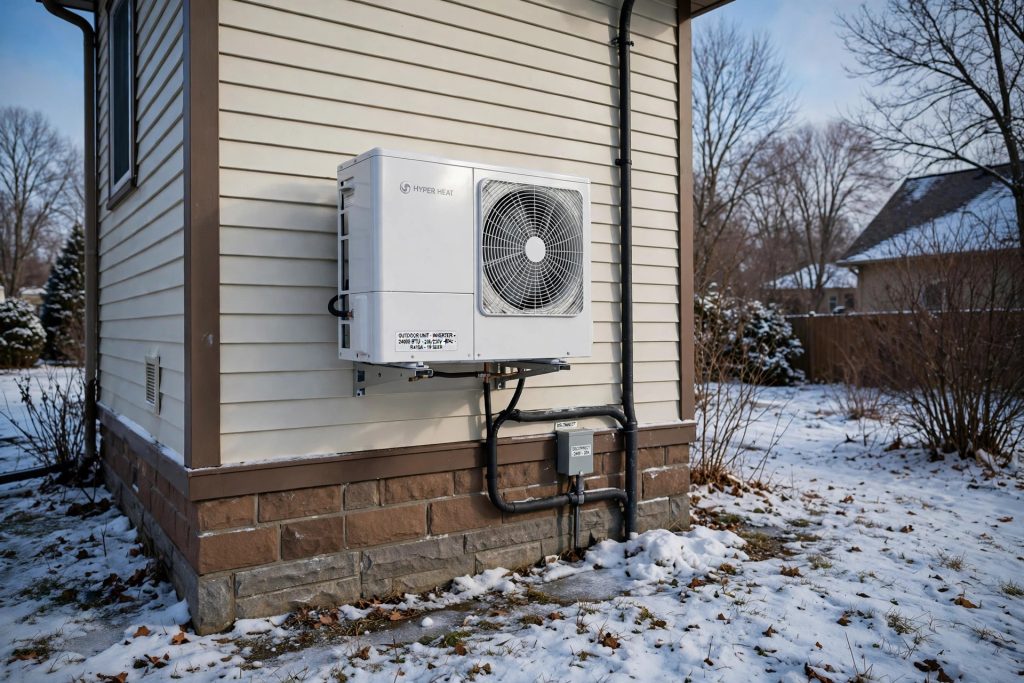
Many homeowners find that winterize a mini split outdoor unit is easier than they expected once they know the basics.
Before you touch anything, know what normal looks like. In heating mode, the outdoor coil gets very cold as it pulls heat from the air. Moisture in the air freezes on it. The system handles this with a defrost cycle: every so often it briefly reverses, melts the frost, and goes back to heating. You may see steam rise from the unit during defrost. That is normal.
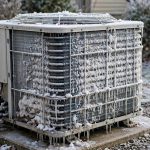
What is not normal is ice that never clears, a unit buried in a snowdrift, or water pooling under the unit and freezing into a solid block. This cold-climate mini split guide explains the rhythm well: periodic defrost is part of the design, but the outdoor unit needs height, drainage, and protection from snow to do its job. Winterizing is mostly about giving the unit what it needs to defrost properly.
Step 1: Give It Height and Clearance
Many homeowners find that winterize a mini split outdoor unit is easier than they expected once they know the basics.
The key to winterize a mini split outdoor unit is choosing the right approach for your space and budget.
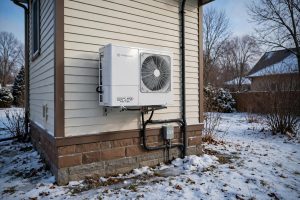
The outdoor unit should sit well above the typical snow line, on a wall bracket or a sturdy stand. Units sitting on a low pad get buried in drifts, and a buried unit cannot breathe or drain. If yours sits low and your area gets real snow, raising it is the single most valuable winterizing step.
Clear at least a couple of feet of space around the unit on all sides. Cut back shrubs, move stored items, and keep the area free of leaves. Airflow is the system's lifeblood in both summer and winter. While you are at it, check that the unit is level; a tilted unit drains poorly, and poor drainage is the root of most winter ice problems.
Step 2: Protect It From Falling Snow and Ice
The key to winterize a mini split outdoor unit is choosing the right approach for your space and budget.
With a little planning, winterize a mini split outdoor unit can fit even a busy schedule.
Look up. If the unit sits under a roof edge or a deck, sliding snow and dripping icicles can bury it or smash the fan grille. A simple sloped cover or snow hood above the unit, one that does not restrict airflow, solves this. Keep the top of the unit clear after every storm; never let snow pile on it.
Some owners in heavy snow country add a wind baffle around the sides, but keep clearances generous. The unit needs to pull in large volumes of air. Anything that chokes that airflow costs you heat and efficiency. When in doubt, clear space beats enclosures.
Step 3: Make Sure It Drains
With a little planning, winterize a mini split outdoor unit can fit even a busy schedule.
Before you start, it helps to understand how winterize a mini split outdoor unit works in real homes.
Every defrost cycle melts frost into water, and that water has to go somewhere. In cold weather it often refreezes under the unit into a growing mound of ice. That ice can creep up into the coil, block the fan, and damage the base.
Check that the unit's drain holes are open and that water can flow away from the base. A gravel bed under a raised unit drains far better than a flat concrete pad. Some cold-climate installations add a base pan heater, a small heating element that keeps the drain area from freezing. If your unit ices up underneath every winter, ask your installer about one. It is a modest add-on that solves a stubborn problem.
Step 4: Clean the Coils and Filters
Before you start, it helps to understand how winterize a mini split outdoor unit works in real homes.
A good plan for winterize a mini split outdoor unit saves time, money, and frustration.
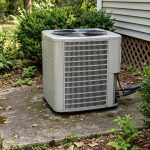
A dirty outdoor coil cannot absorb heat well, which matters most exactly when heat is hardest to find: on cold days. Gently rinse the outdoor coil with a hose before the heating season, working from the inside out, and straighten any bent fins with a fin comb.
Inside, clean the indoor filters. Most mini split filters slide out and rinse clean in a sink. Dirty indoor filters choke airflow, which makes the whole system work harder and heat worse. Our step-by-step on how to clean mini split filters shows how quick the job is. Do it monthly through the heating season.
Getting winterize a mini split outdoor unit right takes a little patience, but the steps are simple.
Step 5: Check the Line Set and Insulation
A good plan for winterize a mini split outdoor unit saves time, money, and frustration.
For most people, winterize a mini split outdoor unit comes down to a few smart choices.
The copper lines running between the indoor and outdoor units carry refrigerant, and they should be insulated along their full outdoor length. Sun and weather degrade that insulation over the years. Cracked or missing insulation bleeds heat and can let lines sweat and freeze. A line set cover kit protects the lines and the insulation from weather and looks far better than bare pipe.
Also check where the lines pass through the wall. Seal any gaps around the penetration with caulk or foam. Cold air leaking in around the line set is a draft you pay to heat.
Step 6: Set It and Leave It
For most people, winterize a mini split outdoor unit comes down to a few smart choices.
This is the habit change that surprises furnace owners. A mini split is most efficient when you pick a temperature and leave it there. Deep setbacks, where you drop the temperature way down at night or while at work, force the unit to work at its hardest and least efficient exactly when it is coldest outside. The recovery costs more than the setback saved.
Keep the temperature steady. Use the system's own modes wisely: many units have a low-ambient or cold-climate mode, and the fan's auto setting usually distributes heat better than a fixed low speed. This Vermont winterization guide makes the same point from experience with real northern winters: steady operation, clear snow, clean filters, and consistent settings are what keep mini splits reliable.
Step 7: Seal the House Around the System
If you are new to winterize a mini split outdoor unit, start with the simplest option and build from there.
A mini split can only heat the house it is given. Drafty windows, unsealed attic hatches, and leaky doors force the unit to run longer and harder. Walk the house before the cold sets in: weatherstrip doors, caulk obvious gaps, and make sure the attic is insulated to your climate zone's recommended level. Our guide to how much attic insulation you need helps you judge whether the attic is pulling its weight.
If the system heats well in mild cold but cannot keep up in deep cold, the answer may be a backup heat source rather than a bigger mini split. Dual-fuel heat pump systems pair a heat pump with a furnace for exactly this situation, and our mini split vs central AC cost comparison helps frame the economics.
Mistakes That Damage Mini Splits in Winter
When it comes to winterize a mini split outdoor unit, getting the details right makes all the difference.
- Wrapping the outdoor unit in a tarp or cover. This is the big one. Covering the unit blocks airflow, traps moisture, and can destroy the compressor. Never cover a mini split outdoor unit while it is in use.
- Turning the system fully off during a cold snap. Letting the house go cold and then demanding full heat is the least efficient way to run a heat pump. Keep it running low instead.
- Ignoring ice buildup. Ice that never clears during defrost is a symptom. Check drainage and call for service if it persists.
- Letting snow drift against the unit. A quick brush-off after storms takes a minute and prevents most snow-related shutdowns.
- Skipping filter cleaning all winter. Dirty filters are the most common cause of weak winter heating.
When to Call a Professional
Many homeowners find that winterize a mini split outdoor unit is easier than they expected once they know the basics.
Call your installer or a qualified tech if the unit shows error codes, blows cold air for hours in heating mode, ices over repeatedly despite clear drainage, or makes new grinding or screeching sounds. Also schedule a professional check if the system has never been serviced; a technician can verify the refrigerant charge, test the defrost controls, and confirm the electrical connections before the deep cold arrives. If you suspect the charge is low, these refrigerant leak warning signs tell you what a tech will look for. Cold-climate performance starts with correct installation, so if you are shopping, look at the best mini splits for cold climates to see which models are built for real winter.
Frequently Asked Questions
Should I cover my mini split in winter? No. Never cover the outdoor unit while it operates. Covers block airflow and trap moisture. A small overhead snow shield is fine; a wrap is not.
Why is there steam coming from my outdoor unit? That is the defrost cycle melting frost off the coil. It is normal and temporary.
Can a mini split heat in very cold weather? Cold-climate models heat well far below freezing, though output drops as it gets colder. Below the unit's rated minimum, a backup heat source takes over.
How often should I clean the filters in winter? Monthly. Winter heating moves a lot of air, and clean filters keep it moving. With these steps, winterize a mini split outdoor unit stays simple and safe.
References
- BuildingGreen. (n.d.). 7 tips to get more from mini-split heat pumps in cold climates. https://www.BuildingGreen.com/comment/5050
- Silver Maple. (n.d.). How to winterize your home: A practical guide for Vermont winters. https://silvermaple.com/blog/how-to-winterize-your-home-vermont/
- U.S. Department of Energy. (n.d.). Home energy checklist. https://www.energy.gov/cmei/femp/home-energy-checklist
- PICKHVAC. (n.d.). Heat pump refrigerant leak: Signs, fixes, costs, and safety guide. https://www.pickhvac.com/heat-pump-refrigerant-leak-signs-fixes-costs-safety/
- Air Techs Heating and Cooling. (n.d.). How to troubleshoot a noisy air conditioner. https://airtechsheatingcooling.com/blog/how-to-troubleshoot-a-noisy-air-conditioner/
- The Chill Brothers. (n.d.). How to quiet a noisy air conditioner: 7 practical tips. http://thechillbrothers.com/7-tips-for-eliminating-air-conditioner-noise-in-your-home-or-office/
- Carrier Corporation. (n.d.). What is AC short cycling? Causes and troubleshooting. https://carrier.com/us/en/residential/hvac-resources/air-conditioners/ac-short-cycling/
- Bayonet Plumbing, Heating and Air Conditioning. (n.d.). Does my heat pump have a refrigerant leak? https://www.bayonet-inc.com/blog/heat-pumps/heat-pump-refrigerant-leak/
Was this guide helpful?

About My Garden US
The My Garden US editorial team writes practical, in-depth home and garden guides for American homeowners — tested advice, no fluff.
You May Also Like

Best Box Fan for Window Reviews 2026 USA
February 18, 2026 20 views
Boiler Replacement Cost Near Me 2026: What Homeowners Should Know
July 25, 2026 23 views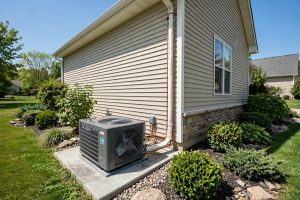
Multi Zone Mini Split Cost Installed in the USA: A 2026 Guide
June 30, 2026 21 views