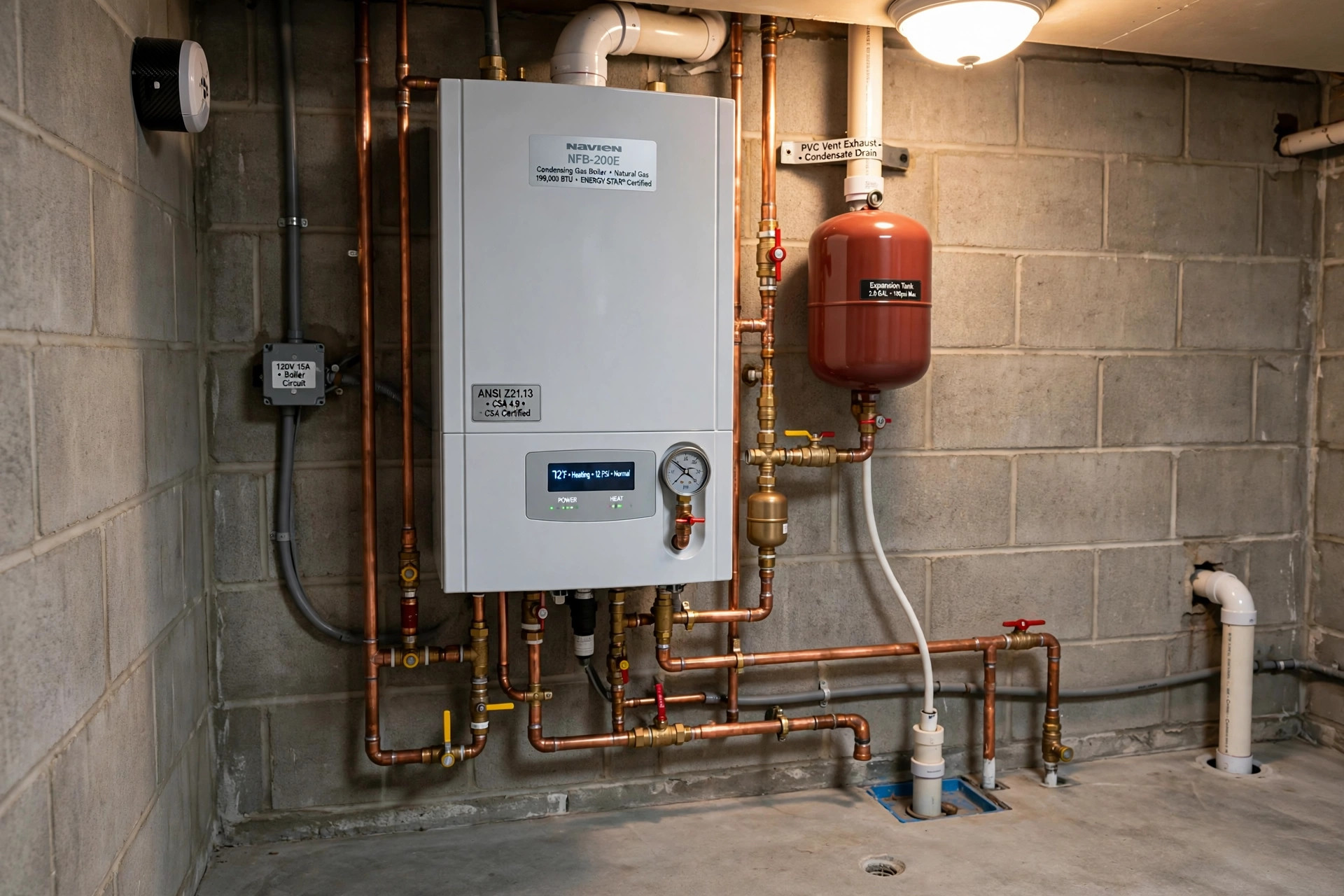
Introduction
When homeowners search for boiler replacement cost near me 2026, they are usually facing an old unit that no longer heats the home well. The boiler may be loud, it may leak, or the repair bills may keep rising. A boiler replacement is one of the larger home projects a family takes on. This guide explains the boiler replacement cost in plain terms, what drives the price up or down, and how to get a fair deal from a local contractor.
A boiler is not a small appliance. It heats water and sends it through pipes or radiators to warm every room. Many American homes built before 1980 rely on boilers, and these units often last 20 to 30 years. When the time comes to replace one, the cost depends on the size of the home, the type of boiler, the fuel it uses, and the condition of the existing pipes. The average homeowner in 2026 can expect a wide range of prices. The sections below break this range down so you can plan with confidence.
Why a Boiler Replacement Matters: Boiler Replacement Cost near Me 2026
An old boiler costs money in ways that are easy to miss. It burns more fuel than a new model. It breaks down on the coldest nights. It can heat some rooms well and leave others cold. Over time, the repair bills pile up, and a point arrives when a new boiler costs less than another year of fixes.
A new boiler brings steadier heat. Rooms reach the set temperature and stay there. The unit runs more quietly, and modern controls make it easy to set heating schedules for the day and night. Fuel bills often drop by a noticeable amount. According to the U.S. Department of Energy, high-efficiency heating systems can cut fuel use in a meaningful way.
A replacement also matters for safety. Old boilers can develop cracks in the heat exchanger. They can produce carbon monoxide, a gas that has no smell and no color. A new unit, installed to current code, gives a family peace of mind that the old one cannot offer. When you search for boiler replacement cost near me 2026, remember that part of the price buys safety, not just warmth.
What to Look for When You Choose a New Boiler
Size and Capacity
Size matters more than most buyers expect. A boiler that is too small will run all day and still leave rooms cold. A boiler that is too large will turn on and off in short bursts, which wastes fuel and wears out parts. A good contractor measures the home, checks the insulation, and counts the windows before suggesting a size. A heat-load calculation is the professional way to size a boiler. Ask your contractor whether one was done. If the answer is no, consider getting a second bid.
Fuel Type
Most boilers burn natural gas or oil. Gas is common in cities and suburbs where gas lines run down the street. Oil is more common in rural areas and in parts of New England. Some homes use electric boilers, though electricity often costs more per unit of heat. When you price a new boiler, check which fuels are available at your address. Switching fuels can add thousands of dollars to the job, because the installer must run new lines and venting.
Efficiency Ratings
Boilers carry an AFUE rating, which stands for Annual Fuel Utilization Efficiency. The number tells you how much of the fuel turns into heat for your home. An older boiler may have an AFUE of 65, which means 35 percent of the fuel is wasted. New boilers range from about 80 to over 95. A rating of 90 or higher marks a high-efficiency or condensing boiler. These units cost more up front but burn less fuel every winter. The ENERGY STAR program keeps a list of certified boilers, and its heating and cooling resources explain what the labels mean in plain language.
Types of Boilers Common in 2026
Gas Boilers
Gas boilers are the most popular choice where natural gas is available. They heat fast, they run clean, and gas remains one of the cheaper heating fuels in many states. High-efficiency condensing gas boilers cost more but can reach AFUE ratings above 95. Major makers such as Carrier, Lennox, Trane, Rheem, and Goodman all sell residential gas boilers through local dealers.
Oil Boilers
Oil boilers serve homes beyond the reach of gas lines. They tend to cost more than gas boilers, and oil prices move up and down with the world market. On the plus side, oil burns very hot, so an oil boiler can heat a large home quickly. If your home already has an oil tank and oil lines, staying with oil is usually cheaper than converting to gas.
Electric Boilers
Electric boilers are quiet, compact, and need no venting or chimney. They can be a good fit for small homes, additions, or areas where other fuels are hard to get. The trade-off is the cost of electricity. In regions with high electric rates, running an electric boiler all winter can be expensive. Some homeowners pair an electric boiler with a well-sealed home to keep bills in check. Sealing the home matters: see our guide on window insulation film kit reviews usa for one affordable way to hold heat inside.
Boiler Replacement Cost and Price in 2026
Now to the question at the heart of the search for boiler replacement cost near me 2026: what does the job actually cost? In 2026, a standard gas boiler replacement in an average American home runs roughly 4,500 to 9,000 dollars, including labor. A high-efficiency condensing gas boiler often lands between 7,000 and 13,000 dollars. Oil boiler replacements tend to run 6,000 to 12,000 dollars. Electric boilers usually cost less to install, often 3,000 to 7,000 dollars, but they may cost more to run.
These are national averages. Your local price depends on several factors:
– Boiler size. A larger home needs a larger boiler, and larger boilers cost more. – Efficiency level. High-efficiency models carry higher price tags but lower fuel bills. – Fuel switch. Changing from oil to gas, or gas to oil, adds labor and parts. – Venting and chimney work. A new boiler may need a new liner or new vent pipe. – Piping changes. Old pipes may need repair or replacement around the new unit. – Permits and inspections. Most towns require a permit, and fees vary. – Labor rates. Contractors in high-cost cities charge more than those in small towns.
To get a fair price, ask three local contractors for written bids. Each bid should list the boiler brand and model, the AFUE rating, the warranty terms, and the full scope of work. Bids that differ by a wide margin deserve a closer look. A bid that is far below the others may leave out needed work, such as venting or permits. Independent buying guides from Consumer Reports can help you compare brands before the contractors arrive.
Timing can also shape the price. Contractors are busiest in late fall and winter, when boilers fail. If your old boiler still runs, scheduling the replacement in spring or summer may bring a lower bid and faster scheduling. Some makers and utilities also offer rebates on high-efficiency boilers. Check with your gas or electric company, and look at state rebate programs, before you sign a contract. A few hundred dollars in rebates can shorten the payback time of a high-efficiency unit by a year or more.
Do not forget the hidden costs. Removing the old boiler, disposing of it, and patching the floor or walls all take labor. If the old boiler used asbestos insulation on its pipes, a licensed abatement crew must handle it, and that adds cost. Ask each contractor whether the bid covers removal and cleanup, so no surprise charges appear on the final bill.
Care and Upkeep of a New Boiler
A new boiler will last longer with simple care. Have it serviced once a year by a licensed technician. The service visit usually includes cleaning the burner, checking the flue, testing the safety controls, and checking the water pressure. Annual service keeps the warranty valid with most brands, and it catches small problems before they turn into winter breakdowns.
Between visits, you can do a few simple things. Check the pressure gauge once a month during heating season. Most systems should read between 12 and 15 psi when cold. If the pressure is low, the system may need water added, which the manual explains. Bleed the radiators at the start of each heating season to let out trapped air. Keep the area around the boiler clear of boxes and clutter so air can move and the technician can reach the unit.
Water quality matters too. Hard water can leave scale inside the boiler and the pipes, which cuts efficiency. In areas with hard water, a technician may suggest a water treatment plan. Homeowners who track indoor comfort closely may also like our roundup of the best hygrometer for home reviews 2026 usa, since humidity affects how warm a home feels.
Practical advice on yearly tune-ups and simple checks appears in many do-it-yourself references, including the Family Handyman heating guides and the project library at This Old House, both of which walk through boiler upkeep in plain steps.
Safety
Safety deserves its own section. A boiler is safe when it is installed and kept well, but it deserves respect. Install a carbon monoxide detector on each floor of the home, and test the detectors twice a year. Carbon monoxide is the main risk from any fuel-burning appliance. New detectors are cheap, and they can save lives.
Never block the boiler vent or the air supply. A boiler needs fresh air to burn fuel cleanly. If the vent pipe is damaged or blocked, exhaust gases can spill back into the home. After heavy snow, check that the outside vent is clear. Keep flammable items, such as paint cans and cleaning fluids, away from the boiler room.
Only a licensed professional should open or repair a boiler. The inside of a boiler holds hot water under pressure, live electrical parts, and a gas or oil burner. A homeowner can bleed a radiator and check a gauge, but anything beyond that belongs to a technician. When you hire, check that the contractor holds a valid license and carries insurance. A quick call to your state licensing board can confirm it.
Frequently Asked Questions
How long does a boiler replacement take?
Most replacements take one to three days. A simple swap, where the new boiler uses the same fuel and the same venting, may finish in a day. A job that changes fuel type, moves the boiler, or replaces long runs of pipe can take three days or more. Your contractor should give a schedule in writing before work starts.
Can I replace a boiler myself?
No. Boiler replacement is not a do-it-yourself project. It involves gas or oil lines, high-pressure hot water, electrical work, and venting that must meet local code. Most towns require a permit and a licensed installer. A poor installation can waste fuel, void the warranty, and create serious safety risks. Hire a licensed contractor.
How long does a new boiler last?
A well-kept boiler lasts 20 to 30 years. Gas boilers often reach the upper end of that range. Annual service, clean water, and steady water pressure all help the unit reach a long life. Keep your service records, since they can support a warranty claim if a part fails early.
Should I repair or replace my old boiler?
A common rule is the 50 percent rule. If a repair costs more than half the price of a new boiler, replacement usually makes more sense. Age matters too. A boiler over 20 years old with a cracked heat exchanger or rising repair bills is a strong candidate for replacement. A younger boiler with a single failed part is usually worth repairing.
Do I need a permit for a boiler replacement?
In most American towns, yes. The contractor usually pulls the permit as part of the job. The permit triggers an inspection, which confirms the work meets safety codes. Ask your contractor to show the permit before work begins, and keep a copy with your home records.
Will a new boiler lower my heating bills?
In most cases, yes. Moving from an old 65 AFUE boiler to a new 90 AFUE boiler can cut fuel use by a quarter or more. The exact savings depend on your climate, your fuel prices, and how well your home holds heat. Better insulation and sealed windows raise the savings further, which is one reason many homeowners also compare cool roof shingles cost vs regular usa when planning whole-home efficiency upgrades.
A Final Word
Searching for boiler replacement cost near me 2026 is the right first step. The numbers in this guide give you a base to work from, but the real price comes from written bids by local contractors. Get three bids, compare them line by line, and choose the contractor with the best mix of fair price, clear scope, and solid reviews. Retailers such as The Home Depot also list boiler options and installation services that can serve as a useful price check.
A new boiler is a long-term purchase. It will heat your home for decades, and the right choice will keep fuel bills down and the family safe. Take the time to choose well, keep up with yearly service, and the new boiler will pay you back winter after winter.
References
Carrier. (n.d.). Heating and cooling systems. https://www.carrier.com Consumer Reports. (n.d.). Product reviews and ratings. https://www.consumerreports.org ENERGY STAR. (n.d.). Energy efficient products. https://www.energystar.gov Family Handyman. (n.d.). DIY home repair and maintenance. https://www.familyhandyman.com Goodman. (n.d.). Heating and cooling equipment. https://www.goodmanmfg.com Lennox. (n.d.). Heating and cooling systems. https://www.lennox.com Rheem. (n.d.). Heating, cooling, and water heating. https://www.rheem.com The Home Depot. (n.d.). Home improvement products. https://www.homedepot.com This Old House. (n.d.). Home renovation guidance. https://www.thisoldhouse.com Trane. (n.d.). Heating and air conditioning. https://www.trane.com U.S. Department of Energy. (n.d.). Energy efficiency and renewable energy. https://www.energy.gov
Was this guide helpful?

About Lisa Anderson
The My Garden US editorial team writes practical, in-depth home and garden guides for American homeowners — tested advice, no fluff.