
Few home decisions carry as much money as cooling. A homeowner in Texas asked for bids last summer and received two very different numbers. One contractor priced a ductless system. Another priced a central unit. Both men sounded sure. This is the heart of the mini split vs central ac cost comparison usa homeowners face each year. Two good systems. Two honest price sheets. Very different totals.
The confusion is natural. A mini split has no ducts. It cools room by room. A central air conditioner pushes cold air through ducts to the whole house at once. The right choice depends on the house, the budget, and family life. This guide walks through the numbers in plain language. It covers the cost to buy, the cost to install, the cost to run, and the cost to keep each system healthy.
Why the Cost Comparison Matters
Cooling is often the largest energy cost in an American home. A difference of a few hundred dollars a year, over twenty years, becomes a large sum. The equipment itself lasts a long time. Most systems run fifteen to twenty years. A choice made today stays in the home for two decades.
The mini split vs central ac cost comparison usa is not only about the first bill. It is about three bills. The first is the purchase and installation. The second is the monthly cost to run the system. The third is the cost of repairs and upkeep across the years. Some homeowners study only the first bill. They pay too much attention to the sticker and too little to the meter.
How a Mini Split System Works: Mini Split vs Central Ac Cost Comparison Usa
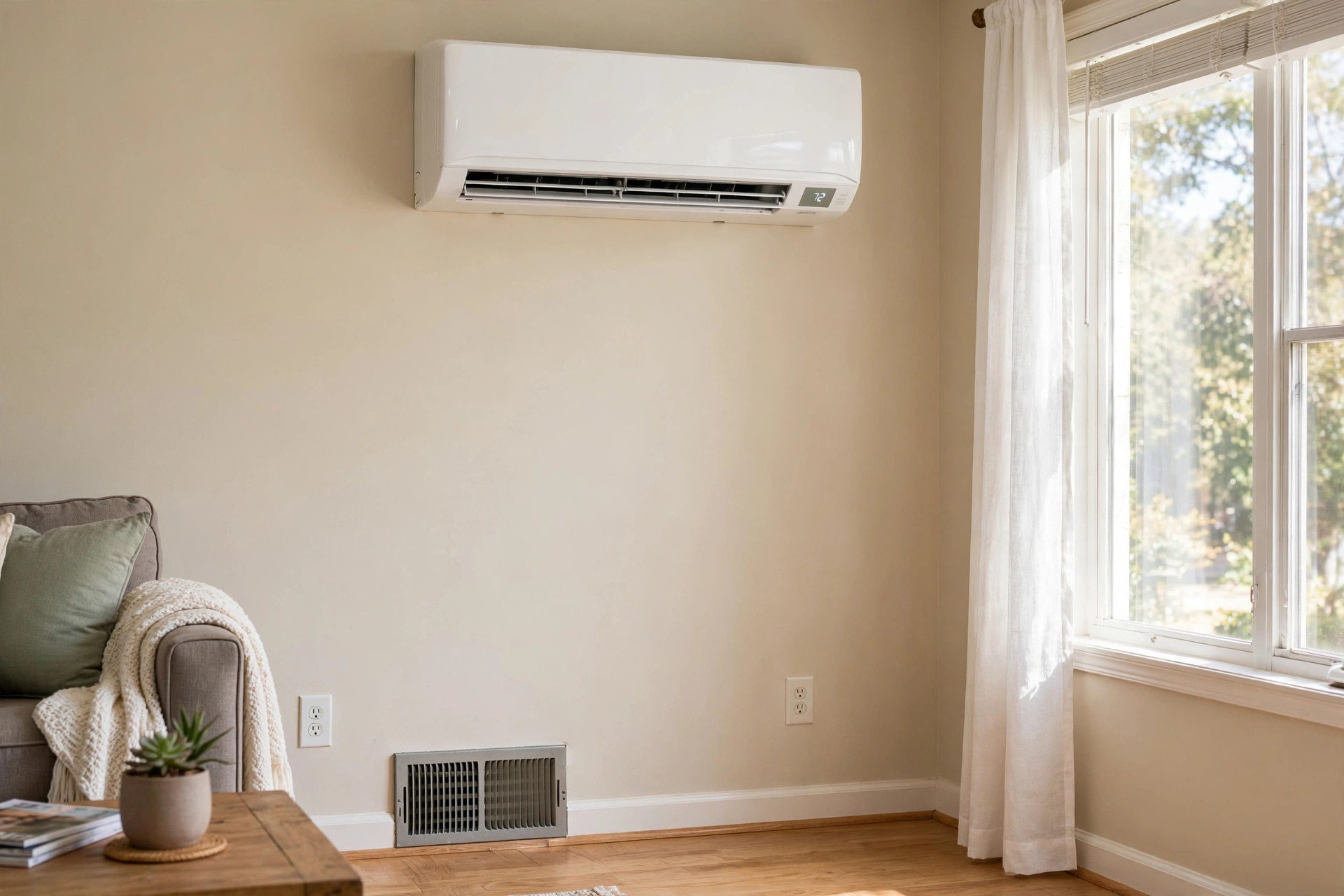
A mini split is a ductless system. It has an outdoor unit, much like a small heat pump box. Copper lines run through a small hole in the wall to indoor units. Each indoor unit hangs on a wall or sits low near the floor. Each one cools its own room or zone. One outdoor box can feed one indoor unit. It can also feed two, three, four, or more. A system with several indoor units is called a multi zone system.
Each indoor unit has its own remote control or wall thermostat. The bedroom can be cool while the guest room stays off. This is called zoning. Zoning saves money because no energy goes to empty rooms. Mini splits use a variable speed compressor. The compressor speeds up and slows down as the need changes. The steady run is quiet and smooth.
Most mini splits sold today also heat. They are heat pumps. They move heat out of the house in summer and into the house in winter. In cold northern states, a mini split can serve as the main heat source for mild days and a backup to a furnace on the coldest nights. For a full picture of per-room pricing, see our guide to ductless mini split installation cost per zone. Readers comparing whole-house options may also want multi zone mini split cost installed usa.
What a Mini Split Costs Up Front
A single zone mini split, installed by a licensed contractor, often costs between two thousand and six thousand dollars. The range is wide because rooms differ. A small bedroom is cheap to serve. A large great room needs a bigger unit. Brand and efficiency rating also move the price. High efficiency models cost more at purchase and less at the meter.
A multi zone system costs more. A two zone system often runs from four thousand to nine thousand dollars. A three or four zone system can reach eight thousand to fifteen thousand dollars. A whole house with five or six zones may cost twelve thousand to twenty thousand dollars or more. The copper lines, the wiring, and the labor grow with each added room.
Installation for a single zone is often done in one day. There is no ductwork to build. The crew mounts the indoor unit, sets the outdoor box on a pad, runs the lines, pulls a vacuum on the system, and charges it with refrigerant. Multi zone jobs take two or three days. A homeowner should get at least three written bids. Bids should list the equipment model numbers so prices can be compared fairly.
How a Central Air Conditioner Works
A central air conditioner is the familiar American system. An outdoor condenser sits beside the house. An indoor coil sits with the furnace or air handler. The blower pushes cold air through ducts. The ducts carry the air to every room through floor or ceiling registers. One thermostat controls the whole house, though some homes add dampers for simple zoning.
Central air is the standard in most American suburbs. It is the system builders install in new homes. It cools every room to the same set point. The registers are small and out of sight. For homes that already have ducts from a furnace, adding central air is a natural step. The ducts are already there.
Central air can also heat when paired with a heat pump. A central heat pump cools in summer and heats in winter through the same ducts. Many southern homes use central heat pumps as their only heating system. The idea is explained in plain terms on the energy department’s home energy pages.
What Central Air Costs Up Front
When a home already has good ducts, central air installation often costs between three thousand five hundred and seven thousand five hundred dollars. A basic single stage unit for a small home sits at the low end. A high efficiency two stage unit for a large home sits at the high end.
When a home has no ducts, the math changes fast. New ductwork for a whole house often costs four thousand to ten thousand dollars on top of the equipment. Old houses with plaster walls or no attic space cost the most. In such a home, a central system can total nine thousand to eighteen thousand dollars. That is when the mini split vs central ac cost comparison usa turns sharply in favor of the ductless side.
Central air installation usually takes one to two days when ducts exist. A full duct job adds several days. These extra costs are real and should be part of the bid. A bid that omits ductwork is not a complete bid.
Running Costs: The Monthly Bill
The monthly cost depends on four things. The size of the house. The local price of electricity. The climate. The efficiency of the equipment. Efficiency is printed on the yellow label. For cooling, the rating is called SEER2. A higher number means lower running cost.
Mini splits often win on running cost. The reasons are simple. Zoning means empty rooms are not cooled. The variable speed compressor sips power instead of gulping it. And there are no ducts. Typical duct systems lose twenty to thirty percent of their air to leaks and poor insulation. That lost air is lost money. A ductless system loses nothing through ducts because it has none.
Central air loses some air through ducts, but it has its own strengths. A single well sized central unit can cool a whole house evenly. In a hot humid climate, the long steady run of central air dries the air well. A family that cools twelve rooms all day may find central air costs less per square foot than running many mini split heads at once.
As a rough guide, a mini split often costs thirty to fifty percent less to run per cooled room than an older central unit. Against a new high efficiency central unit, the gap is smaller. The ENERGY STAR program offers calculators and buying guides that help estimate savings from higher efficiency models.
Equipment Choices and Price Tiers
Both systems come in good, better, and best grades. A builder grade central unit costs the least and carries a basic warranty. A top grade unit adds variable speed parts and the longest warranty.
Mini splits follow the same pattern. Budget brands cost less up front. Premium brands cost more and often run quieter with better cold weather heat. Well known makers such as Carrier, Trane, Lennox, Goodman, and Rheem all publish full product lines with warranty terms on their sites. A ten year parts warranty is now common on registered equipment. Labor warranties are shorter and vary by contractor.
One more cost deserves mention. Electrical work. Some older homes need a panel upgrade to feed a new system. A panel upgrade can add one thousand to three thousand dollars. This applies to both system types.
Care, Upkeep, and Repair Costs
Both systems need regular care. The filter on a mini split indoor unit should be washed every month or two. It slides out and rinses in a sink. The outdoor box needs clear space around it. Leaves and grass clippings should be kept away. A yearly visit from a technician costs about one hundred to two hundred dollars.
Central air needs its filter changed every one to three months. Ducts should be inspected every few years for leaks and loose joints. Sealing leaky ducts is one of the cheapest ways to cut a cooling bill. A yearly tune up costs about the same as for a mini split. Practical upkeep advice is widely shared by This Old House and the Family Handyman.
Repair costs are similar in size. A capacitor or contactor repair often costs one hundred fifty to four hundred dollars. A compressor failure is the big one. It can cost one thousand five hundred to three thousand dollars on either system type. On an old unit, replacement is often the wiser spend. Mini splits have one extra repair to know about. The condensate drain line on a wall unit can clog. Cleaning is cheap. Ignoring it can stain a wall.
Which Homes Suit Which System
The mini split fits certain houses like a glove. Homes with no ducts. Additions and converted garages. Older homes where opening walls is costly. Houses where rooms are used at different times. In these cases the ductless system is often the cheapest total solution by a wide margin.
Central air fits other houses just as well. Homes with good ducts already in place. New construction. Houses where every room is used every day. Homes where the owner dislikes the look of wall units. In these cases central air is often the simpler and cheaper choice.
Some homeowners mix the two. A central system cools the main house. A single mini split serves a hot upstairs bedroom or a new sunroom. Winter heating choices for such mixed homes are covered in our heat pump vs furnace cost comparison usa guide.
Safety Notes
Cooling equipment uses electricity and refrigerant. Both deserve respect. Only a licensed technician should handle refrigerant lines. Federal rules require proper recovery of old refrigerant. Never cut into a line set.
The outdoor unit needs solid footing and clear air flow. Keep shrubs at least two feet away. Do not stack boxes or tools against the box. Water pooling under the unit can damage the pad and invite pests.
Indoor safety matters too. A wall mounted indoor unit is heavy. It must be anchored to a stud or a proper bracket. A poor mount can fail and injure someone below. The condensate drain must slope to a safe outlet. If water drips where it should not, call for service and shut the unit off until the visit.
Frequently Asked Questions
Is a mini split always cheaper than central air to install?
No. A single zone mini split is often cheaper than a full central system. But a five zone mini split for a whole house often costs more than central air in a home that already has ducts. The duct question decides much of the answer.
Which system lasts longer?
Both last about the same. Fifteen to twenty years is normal for either with good care. The compressor is the heart of both. Regular maintenance adds years to either system.
Does a mini split really cut the power bill?
It often does, mainly through zoning and the lack of duct losses. Cooling only the rooms in use saves energy every day. But a homeowner who cools the whole house with many indoor units may see little savings over a new efficient central unit. Habits matter as much as hardware.
Can one outdoor mini split unit serve the whole house?
Yes, within limits. Multi zone outdoor units can feed up to eight indoor units in some product lines. Very large homes may need two outdoor units. Whole house ductless designs are common in smaller homes.
Will a mini split heat my home in winter?
Most mini splits are heat pumps and provide heat. In mild southern winters they can be the main heat source. In cold northern winters they work down to a point, then need help from a furnace or backup heat. Cold climate models handle lower temperatures than basic models.
Should I replace working ducts or go ductless?
If the ducts are in good shape, sealed, and insulated, keeping them is usually the cheaper path. If the ducts are leaky, undersized, or run through a hot attic, the choice is harder. Get a price for duct repair and sealing first. Compare that total against a ductless bid. Then decide with full numbers in hand.
A Final Word
The mini split vs central ac cost comparison usa has no single winner. It has a winner for each house. Count all three bills. The install bill. The monthly bill. The repair bill across the years. Walk the house with the contractor. Ask about the ducts, the panel, and the warranty in writing. Then choose the system that fits the rooms as they are lived in. Money spent on the right system is money well spent.
References
Carrier. (n.d.). Heating and cooling systems. https://www.carrier.com ENERGY STAR. (n.d.). Energy efficient products. https://www.energystar.gov Family Handyman. (n.d.). DIY home repair and maintenance. https://www.familyhandyman.com Goodman. (n.d.). Heating and cooling equipment. https://www.goodmanmfg.com Lennox. (n.d.). Heating and cooling systems. https://www.lennox.com Rheem. (n.d.). Heating, cooling, and water heating. https://www.rheem.com This Old House. (n.d.). Home renovation guidance. https://www.thisoldhouse.com Trane. (n.d.). Heating and air conditioning. https://www.trane.com U.S. Department of Energy. (n.d.). Energy efficiency and renewable energy. https://www.energy.gov
Was this guide helpful?

About Michael Thompson
The My Garden US editorial team writes practical, in-depth home and garden guides for American homeowners — tested advice, no fluff.
You May Also Like

Linear Electric Fireplace Reviews for Living Room: What Buyers Should Know
March 2, 2026 0 views
Best Outdoor Fireplace Kits for Sale USA: A Buyer’s Guide
July 26, 2026 0 views
Swamp Cooler vs AC for Dry Climates USA: Which Cools Your Home Best?
March 16, 2026 0 views