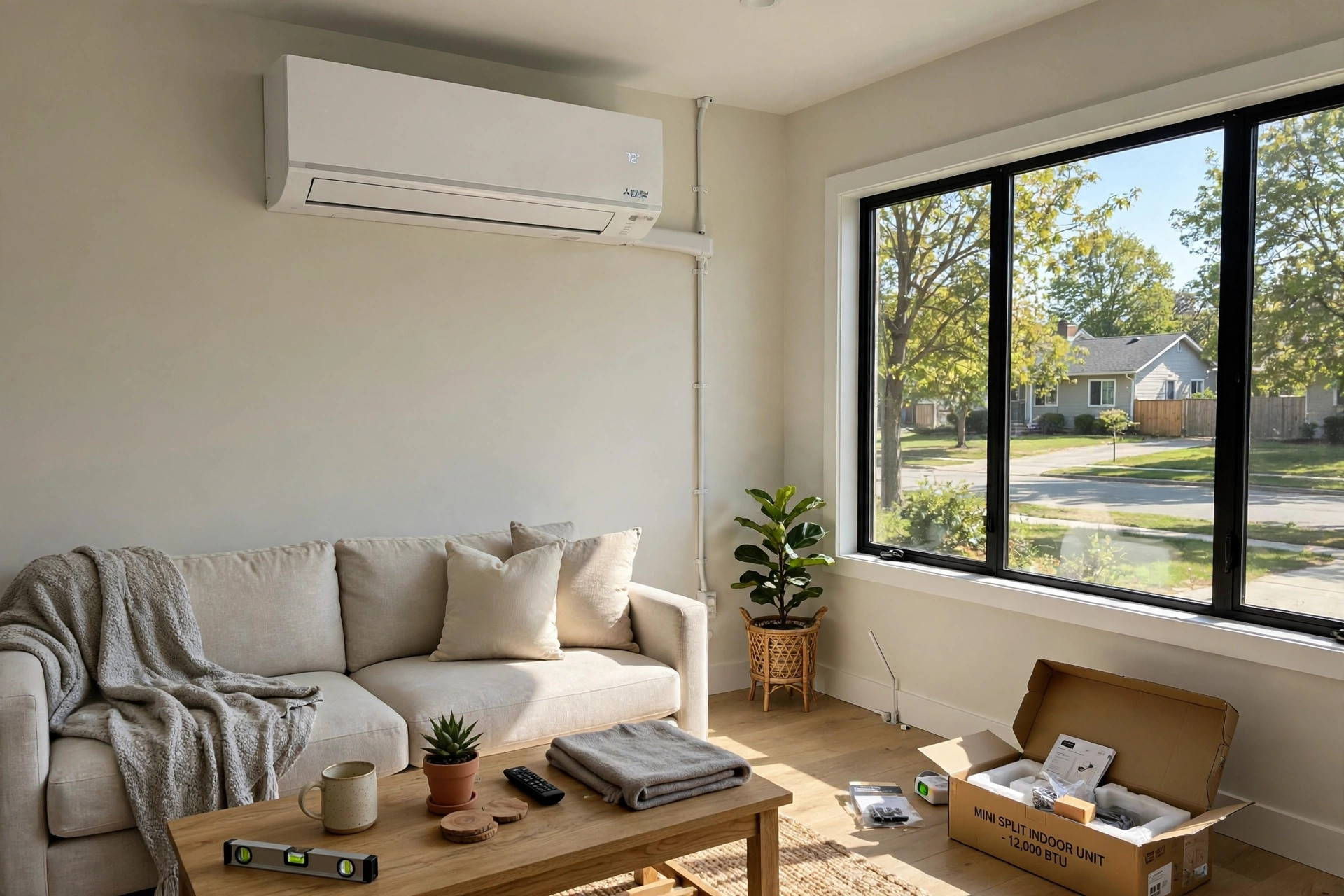

Most homeowners ask about the ductless mini split installation cost per zone before they call a contractor. The reason is simple. A ductless system is priced room by room, not house by house. Each indoor unit counts as one zone. Each zone adds to the total bill. Once you understand the cost of a single zone, the rest of the math becomes clear.
Why Per-Zone Cost Matters
A ductless mini split is a heating and cooling system without ducts. An outdoor unit connects to one or more indoor units through a small hole in the wall. Each indoor unit heats or cools one room or one area. That area is called a zone. A single-zone system serves one room. A multi-zone system serves two, three, four, or more rooms from one outdoor unit.
The price of a system follows the number of zones. The first zone costs the most because it includes the outdoor unit, the electrical work, and the refrigerant lines. Each added zone usually costs less than the first one. Still, every zone needs an indoor unit, a line set, a condensate drain, and labor. That is why pricing by zone is the standard way to quote this work.
Thinking in zones also helps you plan. You can start with one or two zones and add more later in many cases. You can also compare quotes from different contractors on a fair basis. When every quote breaks out the cost per zone, the numbers can be compared line by line.
What Makes Up the Cost of One Zone: Ductless Mini Split Installation Cost Per Zone
The ductless mini split installation cost per zone has two main parts: equipment and labor. Each part has subparts of its own.
The Equipment
The indoor unit is the wall, ceiling, or floor unit you see in the room. Wall-mounted units are the most common and the least costly. Ceiling cassettes and floor-mounted units cost more. The size of the unit matters too. Units are sized by BTU, a measure of heating and cooling power. A small bedroom needs about 9,000 BTU. A large living room may need 18,000 or 24,000 BTU. Bigger units cost more.
The outdoor unit, called the condenser, serves all the zones. Its cost is usually folded into the first zone. A larger condenser that supports more zones costs more than a small one.
Line sets are the copper pipes that carry refrigerant between the outdoor unit and each indoor unit. Longer runs need more copper and more refrigerant. Long line runs raise the cost of a zone.
A mounting bracket, a line set cover, and a condensate drain line complete the equipment. Some homes also need an upgraded electrical circuit. A new dedicated circuit can add several hundred dollars to the job.
The Labor
Labor includes mounting the indoor unit, setting the outdoor pad or bracket, drilling the wall penetration, running the line set, making electrical connections, charging the system with refrigerant, and testing it. A simple one-zone job takes about four to six hours for a trained crew. Each added zone adds two to four hours of work.
Labor rates differ by region. Work in high-cost cities often runs higher than work in rural areas. Quotes also reflect how hard the job is. A unit on a ground floor with easy outdoor access is cheap to install. A unit on a third floor, or one that needs long line runs through finished walls, costs more to install.
Types of Zones and System Options
The ductless mini split installation cost per zone depends in part on the kind of system you choose.
Single-zone systems serve one room. They are the simplest option. They suit a new home addition, a garage workshop, or a master bedroom that is always too warm or too cold. A single-zone system uses one outdoor unit and one indoor unit.
Multi-zone systems connect two to eight indoor units to one outdoor unit. They suit homes with no ductwork, or homes where some rooms need different temperatures than others. Each indoor unit can be set on its own. This is called zoning, and it is one of the main reasons people choose ductless systems.
Indoor unit styles also vary. Wall-mounted units are standard. Ceiling cassettes sit flush in a drop ceiling and cost more to install. Floor-mounted units sit low on the wall and suit rooms with low ceilings or large windows. Concealed ducted units hide in the ceiling and feed short ducts to one or two rooms. Each step up in style adds cost.
Cold-climate models add another option. Standard mini splits lose heating power when outdoor temperatures drop far below freezing. Cold-climate models keep heating at very low temperatures. They cost more but can heat a home through a northern winter. If you live in a cold region, this choice matters.
Cost and Price: Typical Ranges in the United States
Prices vary by region, brand, and job difficulty. The ranges below reflect common installed prices for a full professional job in the United States in recent years.
A single-zone system usually runs from about 3,000 to 5,000 dollars installed. That price covers the outdoor unit, one indoor unit, line set, electrical work, and labor. Small 9,000 BTU units in easy locations fall near the low end. Larger units and hard installs fall near the high end.
Each added zone on a multi-zone system usually adds 1,500 to 2,500 dollars. This is the added-zone price many homeowners ask about when they look up the ductless mini split installation cost per zone. A two-zone system often totals 4,500 to 7,500 dollars. A three-zone system often totals 6,000 to 10,000 dollars. A four-zone system often totals 8,000 to 12,000 dollars.
Premium brands and high-efficiency models cost more. A high-efficiency unit with a top SEER2 rating can add 20 to 40 percent to the equipment price. SEER2 measures cooling efficiency. Higher numbers mean lower electric bills. Whether the higher price pays off depends on how much you use the system and what you pay for power.
Cold-climate heat pump models often add 500 to 1,500 dollars per zone over standard models. Ceiling cassettes often add 500 to 1,000 dollars per zone over wall-mounted units.
These are estimates, not quotes. Your local contractor can give a firm number after seeing your home. Many contractors give free estimates for ductless work.
How to Choose the Right Number of Zones
Start with the rooms you use most. A ductless system works best when each zone covers a space with a door that can close. Open floor plans often work as one zone. Bedrooms usually work best as separate zones.
Do not zone every room at once unless your budget allows it. Many homeowners start with two or three zones and add more later. Check with your contractor that the outdoor unit can support future zones. Some outdoor units have extra ports for this reason.
Think about the heat load of each room. A sunroom with large windows needs more cooling power than a shaded bedroom of the same size. A kitchen needs more power than a hallway. A contractor should do a simple load calculation for each room. This is called a Manual J calculation. It keeps each zone from being too big or too small.
Consider how a multi-zone system compares with other options. A whole-house comparison can be useful when you read about the mini split vs central ac cost comparison for American homes. In homes without ducts, ductless often wins on price. In homes with ducts in good shape, a central system may cost less per room.
How to Keep the Installation Cost Down
You can lower the ductless mini split installation cost per zone without cutting corners.
Keep line runs short. Place indoor units on exterior walls when you can. Short lines use less copper and less labor. This one choice can save a few hundred dollars per zone.
Choose wall-mounted indoor units. They are the least costly style and they work well in most rooms. Save the ceiling cassettes and concealed units for rooms where looks truly matter.
Get three quotes. Prices for the same job can differ by 20 percent or more between contractors. Ask each contractor to break out the price per zone. Ask what brand and model they plan to install. Ask whether the price includes the electrical work and the line set cover.
Time the work for the off season. Contractors are often busiest in the heat of summer and the cold of winter. Spring and fall jobs can sometimes be priced lower.
Ask about rebates and tax credits. Many electric utilities offer rebates for high-efficiency heat pumps. Federal tax credits have applied to qualifying heat pump systems in recent years. Check current rules before you buy. These programs can cut hundreds of dollars from the net cost.
Care and Upkeep After Installation
A ductless system needs small, regular care to run well for many years.
Clean the indoor filters every month during heavy use. Most filters slide out and rinse clean in a sink. Dirty filters cut airflow and raise power bills.
Wipe the indoor unit with a damp cloth a few times a year. Keep the outdoor unit clear of leaves, grass, and snow. Give the outdoor unit two feet of clear space on all sides.
Have a professional service the system once a year. A tune-up includes checking refrigerant levels, cleaning the coils, and testing the drain. Annual service usually costs 100 to 200 dollars. It catches small problems before they become big ones.
Watch for warning signs. Weak airflow, strange noise, water dripping inside the room, or ice on the lines all call for a service visit. A well-kept system can last 15 to 20 years.
If you want to plan for the long term, read about mini split maintenance cost per year for American homes so you can budget beyond the install.
Safety
Ductless mini splits are safe when installed by a trained professional. A few safety points still matter.
Electrical work must meet local code. The system needs a dedicated circuit with the right breaker size. Do not let anyone skip the disconnect box near the outdoor unit. It lets a technician cut power fast in an emergency.
Refrigerant work needs a licensed technician. Federal law limits who can handle refrigerant. A proper install includes a pressure test of the lines before the system is charged. This test finds leaks early.
Mount the outdoor unit on a solid pad or a sturdy wall bracket. Keep it above normal snow lines in cold regions. Keep it away from dryer vents and places where water pools.
Place indoor units where they cannot drip on beds, cribs, or electronics. Every indoor unit makes condensate water in cooling mode. A clear drain path keeps that water out of your walls.
For general guidance on home heating and cooling safety, the resources at the U.S. Department of Energy are a solid starting point. The U.S. Consumer Product Safety Commission also publishes advice on safe use of home appliances.
Frequently Asked Questions
How much does one ductless mini split zone cost to install?
A typical single zone runs 3,000 to 5,000 dollars installed in the United States. Each added zone on a multi-zone system usually adds 1,500 to 2,500 dollars. Region, brand, unit size, and job difficulty move the price up or down.
Why does the first zone cost more than added zones?
The first zone carries the cost of the outdoor unit, the electrical circuit, and much of the setup labor. Added zones share that outdoor unit. They only need an indoor unit, a line set, a drain, and labor.
Is a multi-zone mini split cheaper than several single-zone systems?
In most cases, yes. One outdoor unit that serves three rooms usually costs less than three separate single-zone systems. It also takes up less space outside your home. For a full comparison of system types, see the guide on multi zone mini split cost installed in the United States.
How many zones can one outdoor unit support?
Most residential multi-zone outdoor units support two to four zones. Larger models support up to eight zones. Each added zone needs enough capacity from the outdoor unit. Your contractor should confirm that the total indoor capacity does not exceed what the outdoor unit can serve.
Do ductless mini splits both heat and cool?
Yes. Most ductless mini splits are heat pumps. They cool in summer and heat in winter by moving heat in or out of the home. Cold-climate models heat well even when outdoor temperatures drop far below freezing.
Does a bigger zone always cost more?
Not always, but often. A bigger room needs a bigger indoor unit, which costs more. Long line runs and hard installs add cost too. A small room on the third floor can cost more to zone than a large room on the ground floor next to the outdoor unit.
Final Word
The ductless mini split installation cost per zone is the number that matters most when you plan this kind of system. A single zone usually runs 3,000 to 5,000 dollars installed. Added zones usually run 1,500 to 2,500 dollars each. The final number depends on unit size, unit style, brand, line length, and local labor rates.
Get quotes that break out the cost per zone. Ask about efficiency ratings and cold-climate performance. Check for rebates before you sign. With the right plan, a zoned ductless system can heat and cool your home for many years at a fair price.
Homeowners who want to size their system first may also find the guide to an energy efficient mini split for 1500 sq ft helpful before they call a contractor.
For more background, see Lennox, Goodman, and Rheem. For more background, see ENERGY STAR, This Old House, and Family Handyman.
References
ENERGY STAR. (n.d.). Energy efficient products. https://www.energystar.gov Family Handyman. (n.d.). DIY home repair and maintenance. https://www.familyhandyman.com Goodman. (n.d.). Heating and cooling equipment. https://www.goodmanmfg.com Lennox. (n.d.). Heating and cooling systems. https://www.lennox.com Rheem. (n.d.). Heating, cooling, and water heating. https://www.rheem.com This Old House. (n.d.). Home renovation guidance. https://www.thisoldhouse.com U.S. Consumer Product Safety Commission. (n.d.). Product safety information. https://www.cpsc.gov U.S. Department of Energy. (n.d.). Energy efficiency and renewable energy. https://www.energy.gov
Was this guide helpful?

About Sarah Mitchell
The My Garden US editorial team writes practical, in-depth home and garden guides for American homeowners — tested advice, no fluff.
You May Also Like
Home Energy Audit Cost Near Me 2026: What You Pay and What You Get
March 28, 2026 0 views
The Best Boiler for Radiant Floor Heat in the USA: A Plain Guide
July 23, 2026 0 views
Steam Humidifier for Whole House Reviews: A Complete Guide for USA Homes
September 4, 2026 0 views