
A multi zone mini split cost installed in the USA is one of the first numbers a homeowner wants when a house has no ductwork. A ductless system can heat and cool several rooms at once. Each room gets its own wall unit. All of the wall units connect to a single outdoor condenser. This guide explains the full installed price in 2026. It covers typical ranges, what drives the cost up or down, and how to get a fair quote.
Why Installed Cost Matters More Than Equipment Price
Many shoppers look at the price of the box only. They see a system for sale online at a low number. Then they call a contractor. The quote comes back much higher. The gap is labor, parts, permits, and electrical work. Installation often makes up half of the total bill.
A multi zone system is not like a single window unit. A technician must mount each indoor head. Line sets must run through walls or along the outside of the house. Refrigerant lines must be charged and tested. Electrical circuits must be safe and up to code. In most states, only a licensed contractor can do this work.
Knowing the real multi zone mini split cost installed in the USA helps you plan. It helps you compare bids. It keeps you from buying equipment that costs more to install than to own. A good quote lists the equipment, the labor, and the extras on separate lines. Ask for that format from every contractor.
Related reading: /ductless-mini-split-installation-cost-per-zone/ explains how contractors price each indoor head.
What Drives the Installed Price: Multi Zone Mini Split Cost Installed Usa
No two homes cost the same to fit out. These are the factors that move the price.
Number of zones
Each indoor unit is called a zone. A two zone system costs less than a five zone system. Every extra head adds equipment and labor. A common range is two to five zones per outdoor unit. Very large homes may need two outdoor units. That doubles much of the cost.
Size of the home and the layout
Long runs of line set cost more. A ranch home with rooms close together is cheap to wire up. A two story home with zones on both floors takes more pipe, more wire, and more hours. Thick walls, brick, and finished basements add time too.
Electrical work
Mini splits need a dedicated circuit. If the panel has space, the cost stays low. If the panel is full or old, an upgrade adds hundreds or even thousands of dollars. Homes with fuse boxes often need a panel change first.
Refrigerant line routing
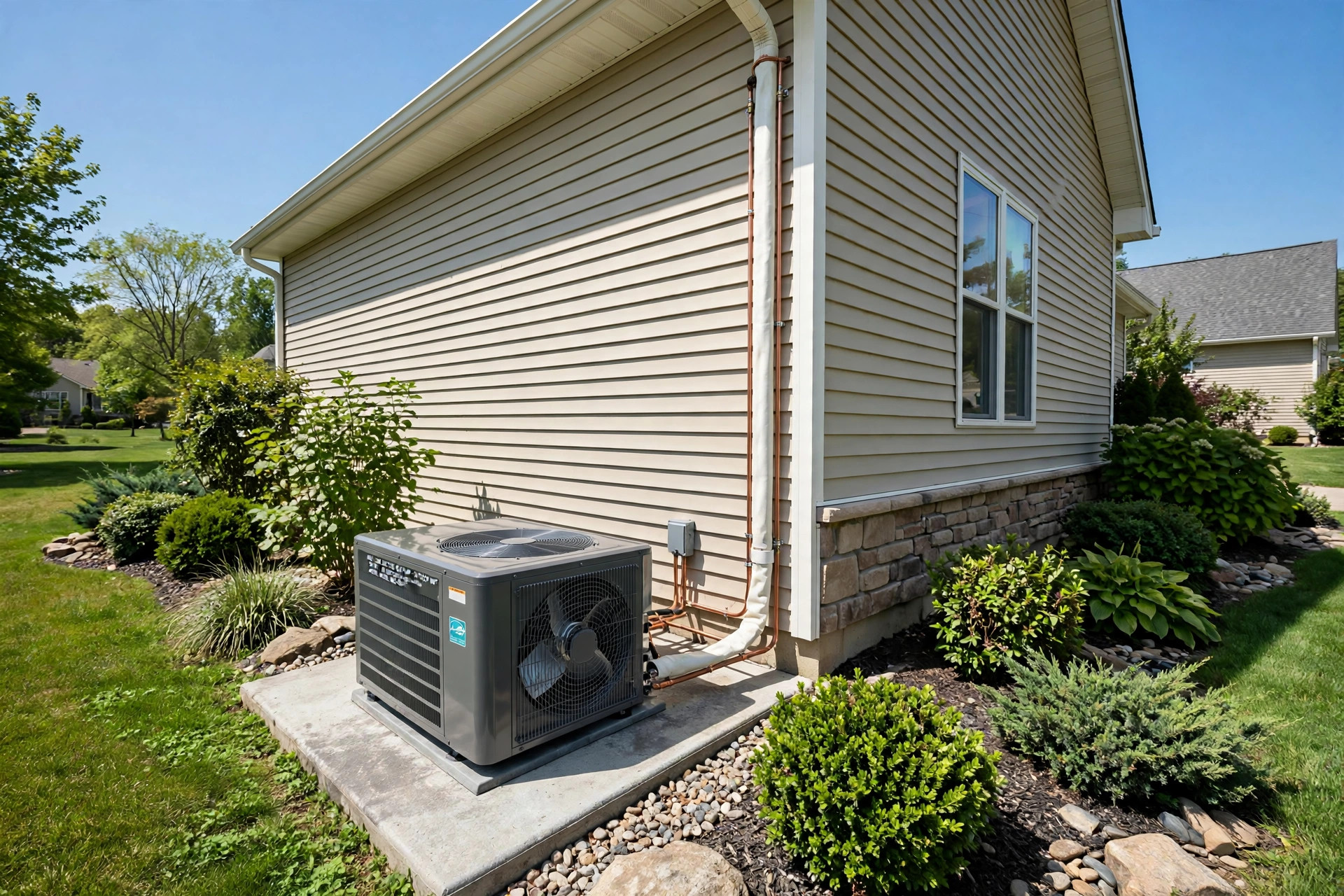
The outdoor unit must sit close to the indoor heads when possible. Long line sets raise the material cost. Covers that hide the lines look better but add to the bill. Work on roofs or high walls takes longer and may need a second worker.
Brand and efficiency rating
High end brands cost more up front. They often come with longer warranties. Higher efficiency units save on power bills each month. The SEER2 rating tells you how efficient a cooling unit is. The HSPF2 rating does the same for heating. A unit rated 20 SEER2 or higher usually costs more to buy.
Local labor rates
Installers in large cities charge more per hour than those in small towns. The Northeast and the West Coast run higher than the Midwest and the South. Permits also differ by city and county. Some towns charge a flat fee. Others charge by the value of the job.
Homeowners comparing options often read /mini-split-vs-central-ac-cost-comparison-usa/ to see how ductless stacks up against ducted systems.
Types of Multi Zone Mini Split Systems
You can choose how the indoor units look and how many outdoor units you need.
Wall mounted heads
These are the most common. They hang high on a wall. They are the least costly to buy and install. Most homes use wall heads in every room.
Ceiling cassettes
These mount in the ceiling. They blow air in four directions. They cost more than wall heads. They suit open rooms and finished basements. They need enough ceiling depth for the body of the unit.
Floor mounted units
These sit low on the wall near the floor. They work well under windows. They are easy to reach for filter cleaning. They cost a bit more than wall heads.
Concealed ducted units
These hide in a closet or attic. Short ducts feed two or three nearby rooms. They look the cleanest. They cost the most to install because of the duct work.
Hyper heat and cold climate models
Standard heat pumps lose power in deep cold. Cold climate models keep heating down to very low temperatures. Reviews of the best mini split for cold climates help northern buyers choose. These units cost more than standard models. In cold states, the extra cost pays back in winter comfort.
If you heat with a cold climate model, see also /best-mini-split-for-cold-climates-reviews-usa/.
Cost and Price Ranges for 2026
Prices below are for a full professional install in the United States. They include equipment, labor, parts, and basic electrical work. They do not include major panel upgrades.
By number of zones
– Two zones: $4,000 to $7,500. This suits a small home or an addition. – Three zones: $6,000 to $10,500. This is the most common size for a modest home. – Four zones: $8,000 to $13,500. This covers a mid size home with several bedrooms. – Five zones: $10,000 to $17,000. This fits a large home or a home with many small rooms.
Cost per zone
Many contractors think in cost per zone. A fair ductless mini split installation cost per zone often lands between $2,000 and $3,500 installed. The first zone costs the most because it includes the outdoor unit and the electrical run. Each added zone costs less than the first.
Equipment only versus installed
The equipment for a three zone system may sell for $3,000 to $5,500 online. Installation often adds $3,000 to $5,000. This is why the installed number matters more than the box price. Some brands void the warranty unless a licensed pro installs the system. Check the warranty terms before you buy.
What can push the price higher
Several extras raise the bill. A panel upgrade can add $1,500 to $3,000. Long line set runs add $50 to $100 per foot. Line hide covers add a few hundred dollars. A concrete pad or wall bracket for the outdoor unit adds $150 to $400. Permits run $100 to $500 in most towns.
What can lower the price
Get three written quotes. Prices vary more than most people expect. Schedule the work in spring or fall when contractors are less busy. Keep the outdoor unit close to the indoor heads to shorten line runs. Choose wall heads over cassettes where looks allow. Ask about utility rebates. Many power companies and states offer rebates for high efficiency heat pumps. The federal energy programs page lists current tax credits for heat pump installs.
Brand choice also matters. Carrier and Trane sit at the premium end. Lennox and Rheem offer strong mid range lines. Goodman often prices lower while keeping solid warranties. Compare the warranty length on the compressor. Ten years is common on better lines.
Care and Upkeep Costs
A mini split needs simple care to run well for 15 to 20 years.
Clean the filters in each indoor head every four to six weeks. This takes five minutes. Wash them with mild soap and water. Let them dry fully before you put them back. Dirty filters cut airflow and raise power use.
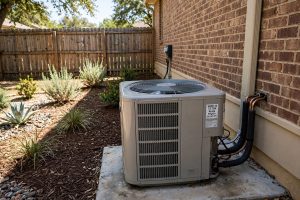
Wipe the indoor head with a soft cloth. Keep the area around the outdoor unit clear. Leave two feet of space on all sides. Trim plants and clear leaves each season. Do not stack items against the unit.
Have a technician service the system once a year. A visit costs $150 to $300. The tech checks refrigerant levels, cleans the coils, and tests the drain lines. Clogged drains cause water stains on walls. Annual service catches this early.
Plan for small repairs. A failed capacitor or sensor may cost $200 to $500 to fix. A failed indoor fan motor may cost $400 to $800. Major compressor work is rare within the warranty period. The Family Handyman guides show which simple tasks owners can do themselves and which need a pro.
Safety Notes
Mini splits are safe when installed to code. The main risks come from bad wiring and poor mounting.
Hire a licensed and insured contractor. Check the license with your state board. Make sure the company pulls a permit. A permit means an inspector checks the work. This protects you and your home insurance.
The outdoor unit is heavy. It must sit on a level pad or a strong wall bracket. A unit that tips can break refrigerant lines. Refrigerant is not toxic in small amounts, but a large leak in a closed room is a hazard. Proper install keeps this risk very low.
Electrical work must meet code. The disconnect box near the outdoor unit lets a tech cut power fast. Never open the outdoor unit yourself. Capacitors inside can hold a charge after the power is off.
Keep the area around the unit clear of mulch and debris. Do not let children play on or near the condenser. Teach them that it is not a toy. If you smell something odd or hear loud grinding, turn the system off and call your contractor.
Frequently Asked Questions
How long does installation take?
Most two to four zone jobs take one to two days. A five zone job may take two to three days. Panel upgrades or long line runs add a day. Weather can slow outdoor work.
Can I install a multi zone mini split myself?
Some single zone kits are sold as do it yourself. Multi zone systems are a different job. They need vacuum pumps, gauges, and electrical skills. Most brands require pro install for the warranty. Most states require a licensed tech to handle refrigerant. For these reasons, hire a contractor.
Do mini splits work in cold winters?
Yes, if you buy the right model. Cold climate heat pumps heat well below freezing. Standard models lose capacity in deep cold. Match the model to your climate zone. A good contractor will size the system for your coldest month.
How much do they cost to run each month?
A three zone system in a mild climate may add $50 to $120 to the monthly power bill. Costs rise in very hot or very cold months. High efficiency models cost less to run. Zone control saves money because you heat or cool only the rooms you use.
What is the life span of a multi zone mini split?
Expect 15 to 20 years with yearly service. The outdoor unit usually fails first. Indoor heads often last longer. Keep filters clean and the outdoor coil clear to reach the long end of that range.
Are there rebates for mini splits in 2026?
Yes. Many states and utilities offer rebates for efficient heat pumps. Federal tax credits may apply to qualifying systems. Rebate amounts change often. Check with your power company and a local contractor before you buy.
A Final Word
The multi zone mini split cost installed in the USA runs from about $4,000 for two zones to about $17,000 for five zones in 2026. The number of zones, the home layout, the electrical panel, and the brand set the final price. Get three written quotes. Ask each contractor to break out equipment, labor, and extras. Check for rebates before you sign. A well installed system will heat and cool your home quietly for many years. The research you do now pays off every month on your power bill.
Related guides on this site include energy efficient mini split for 1500 sq ft, ductless mini split installation cost per zone, and best mini split for cold climates reviews usa.
References
Carrier. (n.d.). Heating and cooling systems. https://www.carrier.com ENERGY STAR. (n.d.). Energy efficient products. https://www.energystar.gov Family Handyman. (n.d.). DIY home repair and maintenance. https://www.familyhandyman.com Goodman. (n.d.). Heating and cooling equipment. https://www.goodmanmfg.com Lennox. (n.d.). Heating and cooling systems. https://www.lennox.com Rheem. (n.d.). Heating, cooling, and water heating. https://www.rheem.com This Old House. (n.d.). Home renovation guidance. https://www.thisoldhouse.com Trane. (n.d.). Heating and air conditioning. https://www.trane.com U.S. Department of Energy. (n.d.). Energy efficiency and renewable energy. https://www.energy.gov
Was this guide helpful?

About James Carter
The My Garden US editorial team writes practical, in-depth home and garden guides for American homeowners — tested advice, no fluff.
You May Also Like
Radiant Barrier for Attic: A Plain Look at the Pros and Cons
August 23, 2026 0 views
How to Choose HVAC Contractor USA Guide
June 7, 2026 0 views
Ground Source Heat Pump Installation Cost USA: A Plain Guide for Homeowners
June 27, 2026 0 views