
Introduction
Few home purchases cost as much as a new heating system. A heat pump vs furnace cost comparison usa families can use must cover more than the number on the bid. It must cover the full cost of ownership. That means the install price, the monthly energy cost, the repair bills, and the life span of the unit.
Many shoppers compare only the upfront price. That is a mistake. A cheaper system can cost more over fifteen years. An expensive system can pay for itself in energy savings. The right answer depends on your climate, your fuel prices, and your home.
This guide breaks the numbers down in plain terms. It explains how each system works. It shows what drives the install cost. It compares running costs side by side. It also notes the air source heat pump pros and cons so you can weigh the tradeoffs before you sign a contract.
Why a Fair Comparison Matters: Heat Pump vs Furnace Cost Comparison Usa
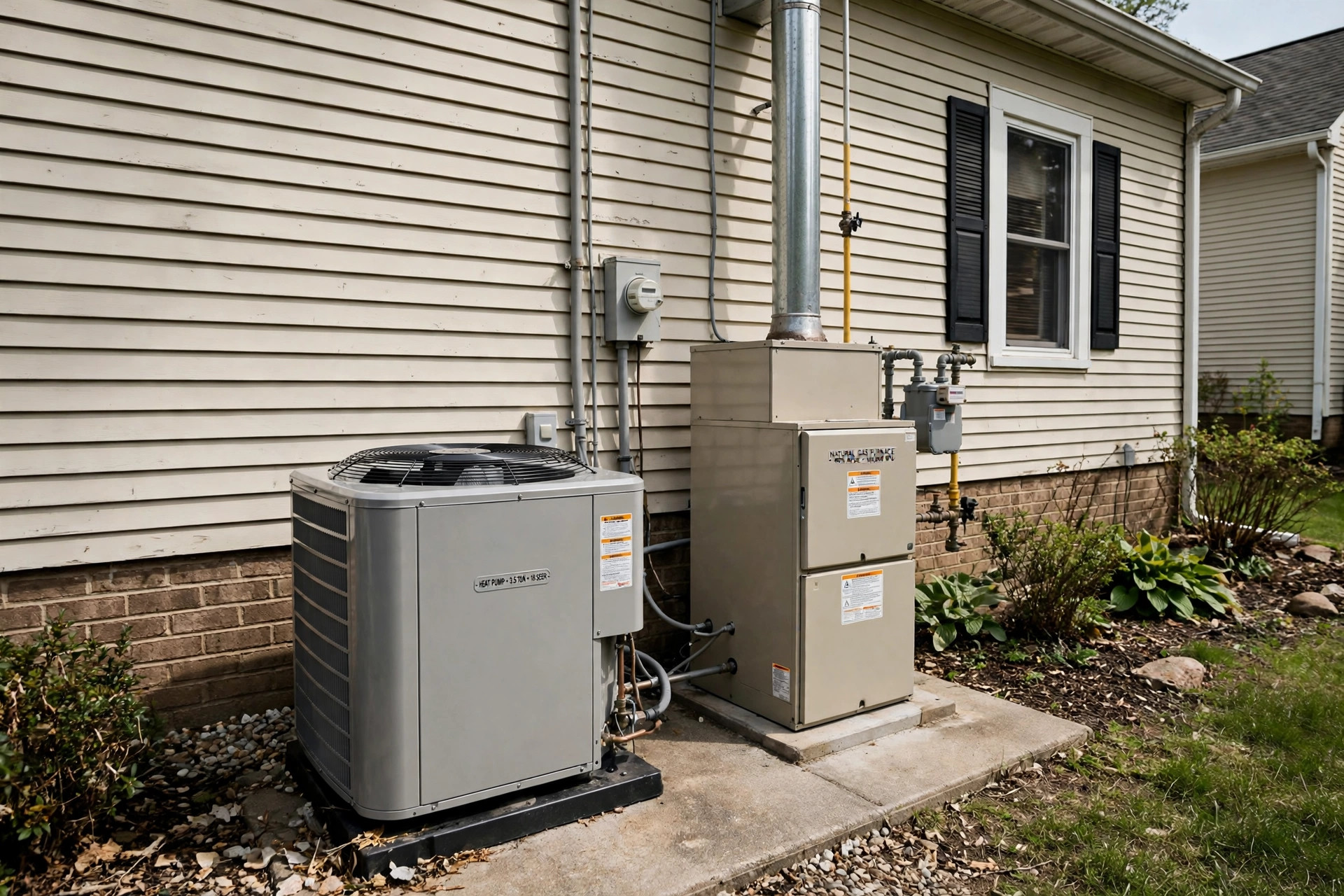
A furnace burns fuel to make heat. A heat pump moves heat from outside air into your home. They do the same job in very different ways. That difference shows up in every part of the bill.
When a contractor quotes a price, it often covers the unit and the labor only. It may leave out duct changes, electrical work, and permits. A fair comparison adds those items on both sides. It also spreads the cost over the years you will own the system.
Fuel prices differ by state. Electric rates differ by utility. Gas prices shift each winter. Any comparison that ignores local rates will steer you wrong. Ask each bidder for an estimate of your yearly running cost. Then compare those numbers along with the install price.
Good guides from This Old House explain how to read a heating bid line by line. That habit alone can save you a thousand dollars or more.
How Each System Heats Your Home
The Heat Pump
A heat pump does not create heat. It moves heat. In winter it pulls warmth from the outside air and pushes it indoors. In summer it works in reverse and cools the home like an air conditioner. One unit gives you both heating and cooling.
Modern cold climate units keep working well below freezing. They do lose power as the air gets very cold. In deep winter, many homes pair a heat pump with a backup furnace or with electric heat strips. This is called a dual fuel setup.
Because a heat pump moves heat instead of making it, it can deliver two to three units of heat for each unit of power it uses. That high efficiency is its main selling point. The U.S. Department of Energy publishes plain fact sheets on how heat pump efficiency ratings work.
The Furnace
A furnace burns fuel to create heat. Most American furnaces burn natural gas. Some burn propane or heating oil. A few run on electric resistance heat. Hot air flows through ducts and out of the vents in each room.
Gas furnaces are very strong in cold weather. They deliver full heat no matter how low the outside temperature drops. Newer high efficiency models turn up to 98 percent of their fuel into usable heat. Older models waste much more.
Furnaces heat only. If you want cooling too, you need a separate air conditioner. That adds a second system to buy and maintain. It also means two units can fail instead of one.
Both Carrier and Trane make furnaces and heat pumps. Their sites list the main product lines with efficiency ratings you can compare.
Upfront Installation Cost
Here is the part most shoppers ask about first. A heat pump vs furnace cost comparison usa bids show real gaps. A standard gas furnace replacement often runs from 3,500 to 7,500 dollars. A new heat pump system often runs from 5,000 to 12,000 dollars.
Why does the heat pump cost more to install? It has more parts. It needs both an indoor and an outdoor unit. The crew must run refrigerant lines and set a pad for the outdoor unit. In some homes the electrical panel needs an upgrade. All of that adds labor hours.
Several items can push the price up on either side:
– New ductwork or major duct repair – Electrical panel or gas line upgrades – Permits and local inspection fees – Removal of the old system – Thermostat and control upgrades
If your home has no ducts, a ductless mini split heat pump may cost less than adding ducts for a furnace. If you want a local price range, guides on heat pump installation cost explain what drives regional pricing in 2026.
Get at least three bids. Make sure each bid lists the same scope of work. A low bid that leaves out duct repair is not cheaper than a full bid that includes it. Ask whether the quote covers permits, haul away, and a new thermostat.
Running Costs and Energy Bills
The monthly bill is where the two systems differ most. A gas furnace burns gas, and gas is often cheap per unit of heat. A heat pump uses electricity, and it uses far less energy to deliver the same warmth.
A simple example helps. A home that spends 1,800 dollars a year on gas heat might spend 1,100 dollars a year on electric heat pump heat. That is not a rule. The real gap depends on your local gas price and your local electric rate. In states with cheap power and pricey gas, the heat pump wins by a wide margin. In states with cheap gas and pricey power, the furnace may win.
Heat pump owners should check the efficiency rating called HSPF2. Higher numbers mean lower bills. Furnace owners should check AFUE. A 96 percent AFUE furnace wastes far less fuel than an 80 percent model. The price gap between them is often paid back in a few winters.
ENERGY STAR lists certified models for both types. Sticking to the certified list is a simple way to hold running costs down. Product lines from Lennox, Rheem, and Goodman include certified options at several price points.
Climate Changes the Math
Your zip code shapes the answer more than any brand name. A heat pump vs furnace cost comparison usa homes trust must be tuned to local weather.
In mild climates, from the Carolinas through Texas and the Southwest, a heat pump often beats a furnace on total cost. The install price is higher, but the winter is short and the heat pump runs at high efficiency. The payback period can be five to eight years.
In cold climates, from the upper Midwest through New England, the math gets closer. A standard heat pump may need backup heat on the coldest nights. That backup heat is expensive. Many northern homes choose a cold climate heat pump or a dual fuel system with a gas furnace as backup. The install costs more, but the system runs cheap most of the winter and the furnace covers the deep freezes.
In very cold zones with cheap natural gas, a high efficiency gas furnace alone is often the lowest total cost. Run the numbers for your own rates before you decide. Local utility rebates can also tip the balance. Some states and utilities offer large rebates for heat pumps that a furnace cannot claim.
Care and Upkeep
Both systems need yearly service. A furnace tune up usually costs 100 to 200 dollars. A heat pump tune up often costs 150 to 250 dollars, since the tech checks both the heating and cooling sides.
Heat pumps need their outdoor unit kept clear of leaves, snow, and ice. The coils should be cleaned and the refrigerant level checked. Dirty coils force the unit to work harder and raise your bill. Furnaces need burner and blower cleaning, plus a check of the venting and the heat exchanger.
Filter changes matter for both. A clogged filter cuts airflow and can damage the blower motor. Most homes need a new filter every one to three months during the heating season. The Family Handyman site has clear seasonal checklists for both systems.
Typical repair costs differ. Furnace repairs often run 150 to 600 dollars. Heat pump repairs can run higher because the sealed refrigerant system needs a trained tech. When a major part like the compressor fails after the warranty, replacement often costs more than the unit is worth. That is the point where many owners replace the whole system.
Homeowners weighing heat pump choices for other parts of the home may also find a heat pump water heater vs gas cost comparison useful, since the same efficiency logic applies.
Safety
Furnaces that burn fuel make carbon monoxide. This gas has no color and no smell. Every home with a furnace should have working carbon monoxide alarms on each floor. Have the heat exchanger inspected each year. A cracked heat exchanger can leak gas into the air supply.
Gas lines and vents must stay clear. Keep storage boxes and paint cans away from the furnace. Never block the fresh air intake. If you smell gas, leave the home and call the gas company from outside.
Heat pumps have no flame and no fuel lines, so they carry no carbon monoxide risk from heating. They do use high voltage power and pressurized refrigerant. Only a trained tech should open the unit. Keep the outdoor unit clear of shrubs and snow so air can flow freely.
Both systems need a clear service area around the indoor unit. Three feet of space is a good rule. It keeps the tech safe and keeps the unit running as designed.
Frequently Asked Questions
Which costs less to install, a heat pump or a furnace?
A furnace usually costs less to install. A standard gas furnace replacement often runs 3,500 to 7,500 dollars. A heat pump system often runs 5,000 to 12,000 dollars. The gap shrinks when ductwork or electrical upgrades are needed on either side.
Which costs less to run each month?
It depends on local fuel prices. Where electricity is cheap and gas is costly, the heat pump usually wins. Where gas is cheap and power is costly, the furnace often wins. Ask each bidder to estimate your yearly energy cost using your actual rates.
How long does each system last?
A well kept furnace lasts 15 to 25 years. A heat pump lasts about 12 to 20 years, since it runs year round for both heating and cooling. Yearly service adds years to both.
Do heat pumps work in very cold weather?
Modern cold climate heat pumps work well below freezing, though they lose capacity in deep cold. Many northern homes pair them with a backup furnace or heat strips. Check the rated low temperature of any model you consider.
Can I replace a furnace with a heat pump using the same ducts?
Often yes. The existing ductwork can usually serve a heat pump. A tech should test the ducts for leaks and size first. Leaky ducts waste money no matter which system you choose.
Are there tax credits or rebates?
Federal tax credits and many state and utility rebates favor high efficiency heat pumps. Furnaces rarely qualify for the same level of help. Check current programs before you buy, since the rules change year to year.
A Short Final Word
There is no single winner in a heat pump vs furnace cost comparison usa wide. The cheaper choice is the one that fits your climate, your fuel rates, and your home. Add up the install price, the yearly energy cost, and the upkeep over the life of the unit. Then pick the system with the lowest total. A little math now will save you money for the next fifteen years.
References
Carrier. (n.d.). Heating and cooling systems. https://www.carrier.com ENERGY STAR. (n.d.). Energy efficient products. https://www.energystar.gov Family Handyman. (n.d.). DIY home repair and maintenance. https://www.familyhandyman.com Goodman. (n.d.). Heating and cooling equipment. https://www.goodmanmfg.com Lennox. (n.d.). Heating and cooling systems. https://www.lennox.com Rheem. (n.d.). Heating, cooling, and water heating. https://www.rheem.com This Old House. (n.d.). Home renovation guidance. https://www.thisoldhouse.com Trane. (n.d.). Heating and air conditioning. https://www.trane.com U.S. Department of Energy. (n.d.). Energy efficiency and renewable energy. https://www.energy.gov
Was this guide helpful?

About Lisa Anderson
The My Garden US editorial team writes practical, in-depth home and garden guides for American homeowners — tested advice, no fluff.
You May Also Like
Best Garage Heater for Winter Reviews USA: A Practical Guide to Warmth
September 16, 2026 0 views
Furnace Tune Up Cost Near Me 2026
September 15, 2026 0 views
The Best Boiler for Radiant Floor Heat in the USA: A Plain Guide
July 23, 2026 0 views