
If you have been searching for heat pump installation cost near me 2026, you are not alone. More and more American homeowners are asking the same question this year. A heat pump can heat and cool a home with one machine, and that makes it an attractive choice. But the price of putting one in is not simple. It moves with the size of the house, the kind of system, and where in the country the home stands. This guide walks through the real numbers, in plain language, so you can plan with confidence.
Why Homeowners Are Asking About Heat Pump Prices
Heating and cooling takes up the largest share of the energy bill in most American homes. A heat pump moves heat rather than making it. In summer it moves heat out of the house. In winter it moves heat into the house. This gives it an efficiency edge over furnaces and straight electric heat, as Energy.gov explains in its guides on home heating and cooling.
In 2026, interest has grown further. Energy prices have been uneven. Federal tax credits under the Inflation Reduction Act still apply to many qualifying installations, which has pushed demand. At the same time, contractors are busier, and busy contractors charge more. Knowing the typical heat pump installation cost near me 2026 before calling for quotes keeps a homeowner from paying too much or buying the wrong size of system.
What Drives the Cost of Heat Pump Installation: Heat Pump Installation Cost near Me 2026
Size and capacity of the system
Heat pumps are sized in tons. One ton moves about 12,000 BTUs of heat per hour. A small house of 1,200 square feet may need two to three tons. A large house of 3,000 square feet may need four to five tons. A larger unit costs more to buy and more to install.
Getting the size right matters. A unit that is too small will run all day and still leave rooms cold. A unit that is too large will turn on and off too often, wasting energy and wearing out early. A proper sizing check, called a Manual J load calculation, is part of a good installation. Major makers such as Carrier and Trane stress that matching capacity to the home is the single most important step. Any contractor who sizes by rule of thumb alone is cutting corners.
Type of heat pump
There are three main types, and their prices sit far apart.
Air source heat pumps are the most common. They sit outside the house and exchange heat with the air. They are the least costly to install. If you read about air source heat pump pros and cons usa, you will see they suit most climates but lose some steam in deep cold.
Cold climate heat pumps are air source units built to keep working at very low temperatures. They cost more than standard models. Homeowners in the North often compare them through cold climate heat pump reviews 2026 usa before deciding.
Ground source or geothermal heat pumps pull heat from the ground. They cost far more to install because trenches or wells must be dug, but they are extremely efficient. They are a long-term investment.
Ducted versus ductless
A ducted system pushes air through existing ducts. If the home already has ducts in good shape, the job is simpler. If ducts must be added or fixed, the price rises by thousands.
A ductless mini split uses small wall units in each room. It needs no ducts at all. It can be cheaper for small homes or additions, but a multi-zone system with many indoor heads adds up.
Electrical panel and permits
A heat pump needs its own electrical circuit. Older panels may need an upgrade, which can add one to three thousand dollars. Local permits and inspections also carry fees. These vary by town and state.
Labor and local market
Labor is the part of heat pump installation cost near me 2026 that changes most from place to place. A contractor in a big coastal city charges more than one in a small inland town. Getting at least three written quotes is the oldest and best advice in this trade.
Typical Price Ranges in 2026
Numbers are averages. Every job is different. Still, these ranges reflect what homeowners across the country are paying this year.
– Air source heat pump, ducted: 8,000 to 16,000 dollars installed, for a typical 2,000 square foot home. – Ductless mini split, single zone: 4,000 to 8,000 dollars installed. – Ductless mini split, multi-zone: 9,000 to 18,000 dollars installed. – Cold climate heat pump: 12,000 to 22,000 dollars installed. – Ground source heat pump: 20,000 to 45,000 dollars installed.
Add possible extras: new ductwork can add 3,000 to 7,500 dollars. An electrical panel upgrade can add 1,500 to 4,000 dollars. Some contractors also charge extra for refrigerant line runs over long distances.
When weighing these numbers, many homeowners also run a heat pump vs furnace cost comparison usa to see which fuel and machine win over ten or fifteen years. A heat pump often costs more up front than a furnace, but less to run.
Tax Credits and Rebates in 2026
Federal tax credits can cut the sting. Under the Inflation Reduction Act, homeowners who install qualifying high-efficiency heat pumps can claim a credit of 30 percent of the cost, up to 2,000 dollars per year, through the Energy Efficient Home Improvement Credit. Ground source systems fall under the Residential Clean Energy Credit at 30 percent with no dollar cap.
States and utilities add their own rebates. Some pay a flat amount per installation. Others give rebates per ton of capacity. These change often, so check your state energy office before signing a contract. Contractor quotes usually show the gross price; credits come back at tax time.
How to Choose the Right System
Start with your climate
The climate zone decides what technology makes sense. In the South and on the coasts, a standard air source heat pump handles the whole year with ease. In the upper Midwest and Northeast, a cold climate model or a dual fuel setup with a gas furnace backup earns its keep. Local contractors know what works in the area; ask them what they install most.
Check efficiency ratings
Heat pumps carry ratings that tell how efficient they are.
– SEER2 measures cooling efficiency. Higher is better. – HSPF2 measures heating efficiency. Higher is better.
Minimum federal standards tightened in recent years, so even basic new models are decent. Top models cost more up front but save more each month. Look for the ENERGY STAR label as a quick screen for quality, and compare published ratings from brands like Lennox, Rheem, and Goodman.
Match the system to your house
Ducts in good shape point toward a ducted system. No ducts, or an older home where ducts would be hard to add, point toward ductless mini splits. Open floor plans cool and heat easily. Homes cut into many small rooms may need more zones.
Get three quotes and compare apples to apples
A quote should list the make and model, capacity in tons or BTUs, efficiency ratings, scope of work, warranty terms, and timeline. If one quote is far below the others, something is missing. If one is far above, ask what extra work it covers.
Questions to ask every contractor
A short set of questions protects the homeowner from surprise costs. Ask whether the price covers permits and inspection fees. Ask whether the crew will handle the electrical panel or bring in a separate electrician. Ask how old ducts will be tested, and who pays if they fail. Ask for the exact model number so you can check its ratings yourself. Ask how long the warranty lasts on labor, and whether the installer is certified by the maker. Good contractors answer these plainly. Evasive answers are a warning sign. Writing the answers into the contract turns promises into guarantees.
Care and Upkeep
A heat pump asks little but rewards regular care.
Change or clean the filters. Clogged filters force the machine to work harder. Check them monthly in heavy seasons.
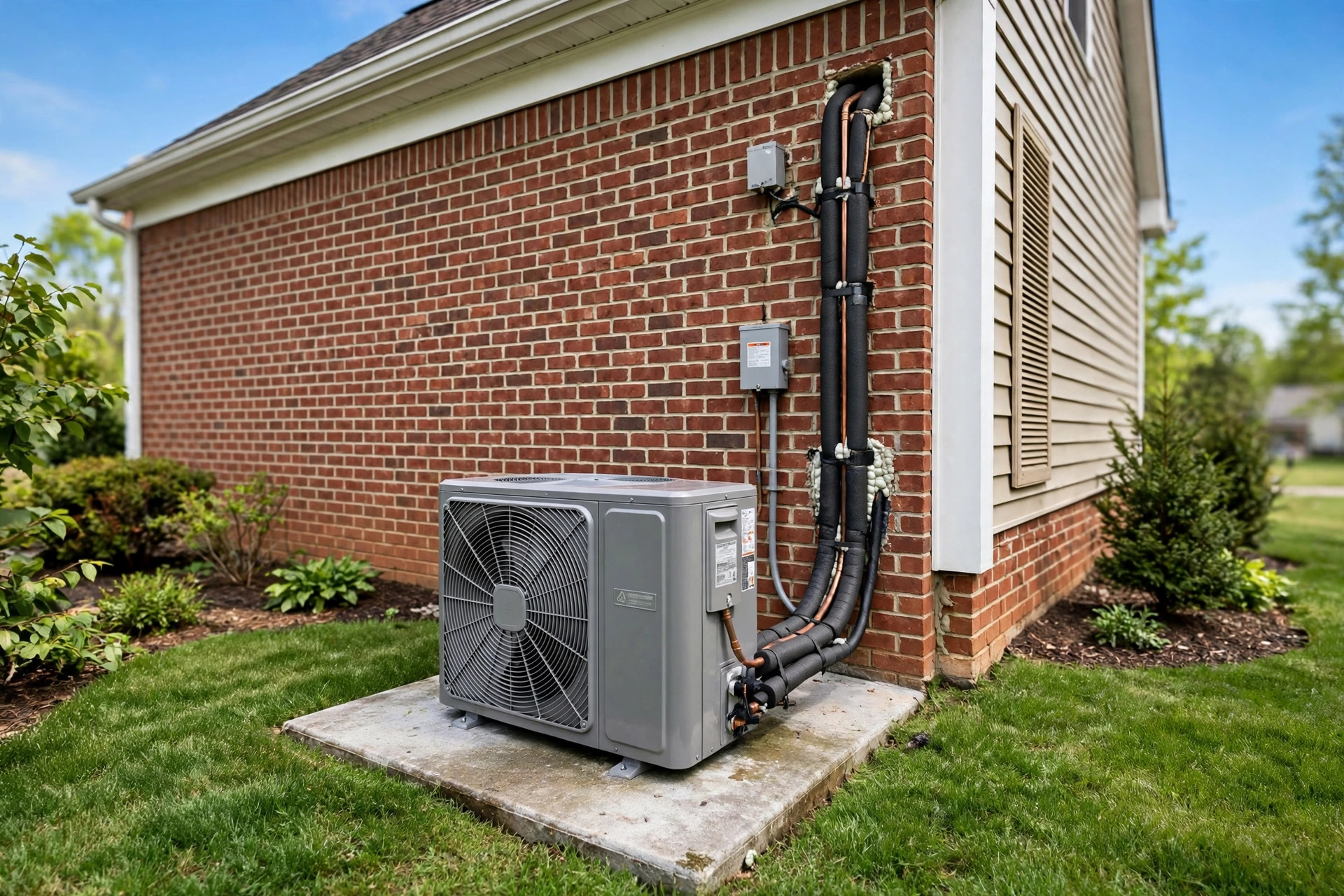
Keep the outdoor unit clear. Leave two feet of space around it. Cut back bushes. Clear leaves, snow, and ice. Do not stack things against it.
Schedule a yearly check. A technician will test refrigerant levels, clean the coils, tighten electrical connections, and check the defrost cycle. Maintenance checklists from This Old House and Family Handyman cover the same steps. A yearly visit costs around 150 to 300 dollars and catches small problems before they grow.
Watch the thermostat. Set it and leave it. Heat pumps do best with steady temperatures. Big swings make them run in their least efficient mode.
A well cared for heat pump can last 15 to 20 years. Neglect cuts that life short.
Safety Notes
A heat pump is safe equipment, but a few cautions apply.
– The outdoor unit carries high voltage. Keep children and pets away from it, and never open its panels yourself. – Refrigerant lines run between the indoor and outdoor units. If you smell something odd or hear hissing, call the installer and do not touch the lines. – Electrical work must meet local code. Panel upgrades should be done by a licensed electrician, not as a do-it-yourself project. – Snow and ice must be cleared from the outdoor unit, but never chip ice off with tools. That can damage the coil. Warm water or patience is the right approach.
Frequently Asked Questions
How long does installation take?
Most ducted replacements take one to two days. Ductless systems take one to three days depending on the number of zones. Geothermal jobs can take a week or more because of the digging.
Will a heat pump work in freezing weather?
Standard models lose efficiency as the temperature falls, and many stop doing useful heating work below 25 to 35 degrees. Cold climate models keep going well below zero. In very cold regions, a backup heat source is common and wise.
Does a heat pump also cool the house?
Yes. Every heat pump cools as well as heats. That is one of its main selling points: one machine replaces both the furnace and the air conditioner in mild climates.
How much can I save on energy bills?
Savings depend on what the heat pump replaces. Replacing old electric baseboard heat can cut heating costs nearly in half. Replacing a modern gas furnace saves less but still lowers the total bill in many homes. A contractor can estimate savings based on your past bills.
Are heat pumps noisy?
New models run much quieter than older ones. Most outdoor units make about as much noise as a normal conversation when running at full speed, and less at low speed. Proper placement away from bedroom windows helps.
What warranty should I expect?
Most makers offer a ten year parts warranty if the system is registered after installation. Labor warranties vary by contractor, usually one to two years, with extended labor plans available for purchase.
A Short Final Word
The search for heat pump installation cost near me 2026 ends with a number only after a contractor looks at the house. But you now know the ballpark, what pushes it up or down, and how to read a quote. Size the system properly, match it to your climate, get three written quotes, and ask about every credit and rebate before you sign. Done right, a heat pump is one of the soundest home investments a homeowner can make. It trims monthly bills, cuts carbon output, and serves heating and cooling duty from a single quiet machine.
References
Carrier. (n.d.). Heating and cooling systems. https://www.carrier.com ENERGY STAR. (n.d.). Energy efficient products. https://www.energystar.gov Family Handyman. (n.d.). DIY home repair and maintenance. https://www.familyhandyman.com Goodman. (n.d.). Heating and cooling equipment. https://www.goodmanmfg.com Lennox. (n.d.). Heating and cooling systems. https://www.lennox.com Rheem. (n.d.). Heating, cooling, and water heating. https://www.rheem.com This Old House. (n.d.). Home renovation guidance. https://www.thisoldhouse.com Trane. (n.d.). Heating and air conditioning. https://www.trane.com U.S. Department of Energy. (n.d.). Energy efficiency and renewable energy. https://www.energy.gov
Was this guide helpful?

About Jennifer Lee
The My Garden US editorial team writes practical, in-depth home and garden guides for American homeowners — tested advice, no fluff.
You May Also Like
Multi Zone Mini Split Cost Installed in the USA: A 2026 Guide
June 30, 2026 0 views
The Best Programmable Thermostat for Seniors in the USA
May 6, 2026 0 views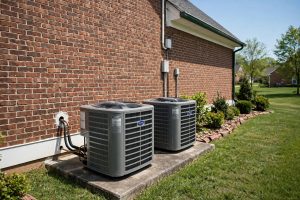
Trane vs Carrier AC Comparison Reviews USA
August 26, 2026 0 views