Homeowners across America now ask a plain question: should they heat and cool with an air source heat pump? This guide lays out the air source heat pump pros and cons usa shoppers need, in simple terms. A heat pump moves heat rather than making it from flame. In winter it pulls warmth from the outside air and sends it indoors. In summer it runs the same cycle in reverse and acts as an air conditioner. That two-way design is the heart of the matter. One machine does both jobs.
Why It Matters
Fuel prices move up and down. Old furnaces wear out. Ducts age. At some point every homeowner faces a new system, and the choice locks in twenty years of bills. The U.S. Department of Energy notes that heat pumps can cut heating electricity use by a large share when they replace older electric heat. That fact alone makes the study of pros and cons worth the hour it takes.
A second reason matters. Many towns and states now favor electric heat over gas or oil. Rebates grow. Gas hookup fees rise. A family that picks a pump today may pay less to heat tomorrow, and may also cut the smoke that comes from burning fuel at home. Yet the pump is not right for every house. Cold nights, high power rates, and poor insulation can undo the gains. Weigh the good with the bad before you sign.
How to Choose the Right System: Air Source Heat Pump Pros and Cons Usa
Choice starts with facts about your own house. Size, climate, wiring, and ducts shape the answer more than brand names do.
What to Look For in a Heat Pump
Look first at the heating rating. The Heating Seasonal Performance Factor, or HSPF2, tells how well a pump heats over a season. Higher is better. Look next at the cooling rating, SEER2. A number near 16 to 20 marks a strong unit. The ENERGY STAR site lists models that meet strict marks for both ratings, and its lists are a sound place to start your search.
Sound matters too. Outdoor units hum. Most new ones run near 55 to 65 decibels, about the sound of normal talk. Place the unit away from bedroom windows when you can. Ask the dealer for the rated sound of the exact model, not the line average.
Also ask about low-temperature output. Cheap pumps fade when the air falls below freezing. Better models keep strong heat down to zero or below. If you live where winters bite, cold-climate models deserve your full attention.
Sizing the Unit
A pump must match the load of the house. Too small and it runs all day and never catches up. Too big and it cycles on and off, which wastes power and wears parts. A proper dealer runs a load calculation, called Manual J, that counts windows, walls, floors, and local weather. Never accept a size based only on square feet or on what the old furnace was. Get the math done.
Types and Options
Three main forms serve American homes. Each has its place.
Ducted Heat Pumps
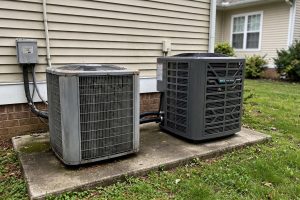
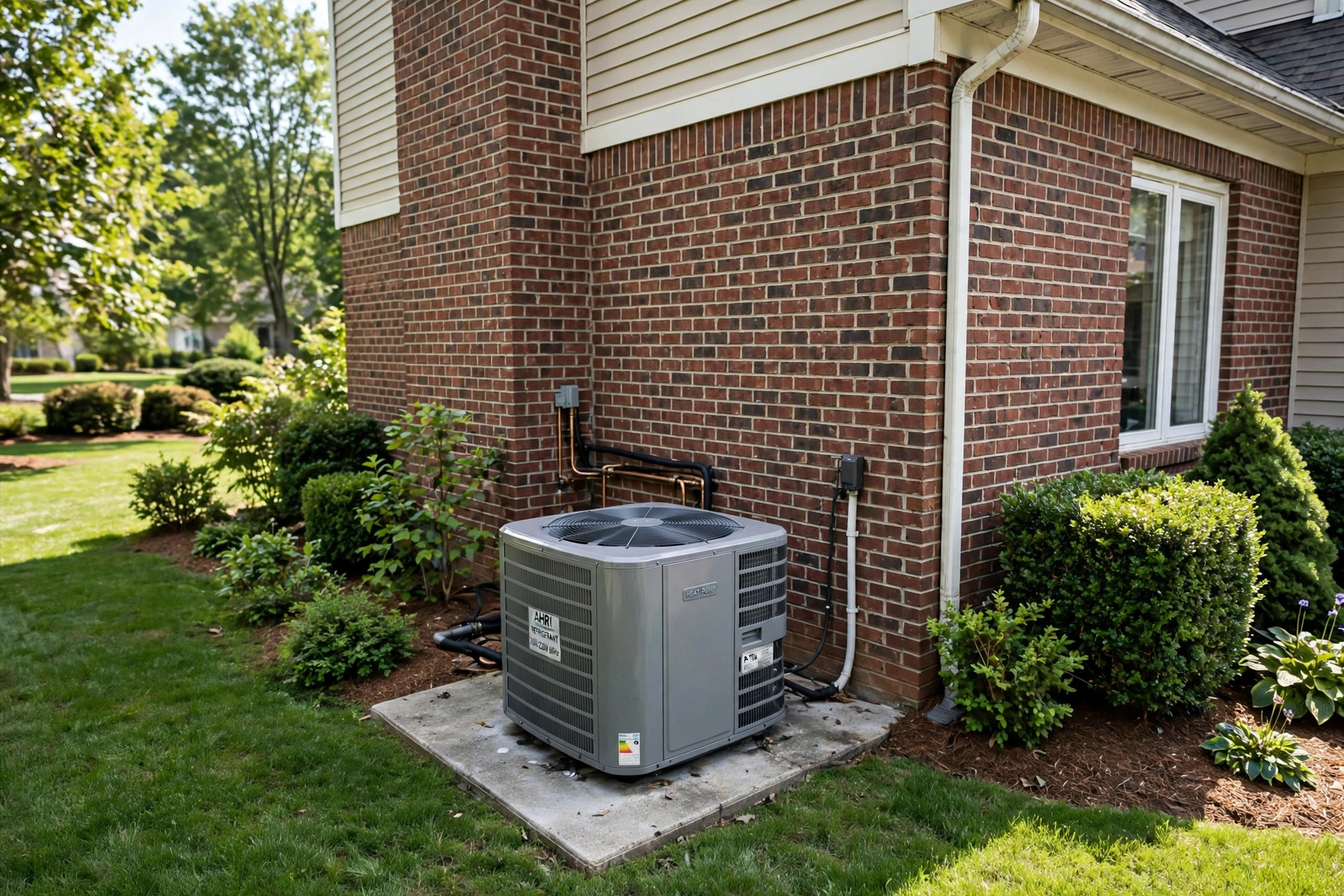
A ducted pump ties into the same ducts a furnace uses. The outdoor unit sits on a pad. The indoor coil sits in the air handler. This is the simple swap for a house that already has ducts in good shape. Carrier and Trane both build wide lines of ducted units, and dealers of both brands cover most of the country. The ducted form suits whole-house comfort from one system.
Ductless Mini-Splits
A mini-split needs no ducts at all. A thin line set joins the outdoor unit to one or more wall heads inside. Each head heats and cools its own room. Homes with no ducts, additions, and older houses with plaster walls often gain the most from this form. Goodman and Lennox both sell ductless lines, and many shops install them in a day or two. The heads are visible on the wall, which some owners dislike, but the control is room by room and the waste is low.
Cold-Climate Models
Cold-climate pumps use larger coils, smart defrost, and variable-speed compressors to keep heat output up in deep cold. They cost more up front. They pay back in the north. A house in Minnesota is not a house in Georgia, and the pump should match the map. Ask for test data at 5 degrees and at minus 13 degrees before you buy.
Cost and Price
The price tag comes in two parts: the unit and the work to put it in. A basic ducted swap on an existing duct system often runs from five to ten thousand dollars, parts and labor. A ductless setup for three or four rooms can run from four to nine thousand dollars. A whole house that needs new ducts or new wiring can push past fifteen thousand dollars. Our guide to what installation costs breaks these ranges down further.
Running costs depend on your power rate. Heat pumps move about three units of heat for each unit of power they use, a ratio called the coefficient of performance. A gas furnace turns about nine tenths of each fuel unit into heat. So the pump wins when power is cheap relative to gas or oil, and loses ground when power is dear. Take a winter bill, divide by the kilowatt-hours, and find your rate. Then ask the dealer to show the math for your own numbers.
Upkeep costs are modest. A service visit once a year, a filter changed on time, and coils kept clean keep most pumps healthy for fifteen to twenty years. Compare that span with the furnace it replaces, and the higher heat pump vs furnace cost comparison usa often tilts toward the pump over the full life of the system.
Do not forget the federal and state credits. Tax credits and rebates for efficient heat pumps change from year to year. The ENERGY STAR site and your state energy office show what is open now. A credit can cut thousands from the installed price, and it may decide the choice.
Also weigh the resale value. Buyers now read energy labels. A home with a new, efficient pump often appraises better than a home with an aging oil furnace. The savings show in the monthly bills, and the comfort shows in even room temperatures through the year. Both help at sale time.
Care and Upkeep
A heat pump asks for small, steady care. Give it that care and it will serve long.
Change or wash the filter every one to three months. A clogged filter chokes airflow and makes the pump work harder. Keep the outdoor unit clear of leaves, grass, and snow. Leave two feet of open space on all sides. Hose the coil fins gently in spring to wash off dirt and salt.
Watch the defrost cycle in winter. A pump grows frost on its outdoor coil and melts it off in short bursts. Steam may rise during defrost. That is normal. A coil that stays iced for hours is not. Call a tech if the ice does not clear.
Set the thermostat with a light hand. Big setbacks force the pump to call on backup heat to catch up, and backup heat costs dear. A steady set point near 68 degrees in winter keeps bills low. This Old House runs repair guides that show the simple tasks a homeowner can do with care, and Family Handyman covers the seasonal checklist in plain steps.
Book a service call once a year. A tech will check the refrigerant charge, clean the coils, test the controls, and oil the motor if the design needs it. An hour of labor each fall is the cheapest insurance a pump can buy.
Safety
Heat pumps are safe machines, but a few rules apply. Power runs at 240 volts to the outdoor unit. Never open the panel or touch the wires unless you are trained. Keep children and pets clear of the fan grille while it runs. Make sure the unit sits level and firm; a tipping pad can strain the refrigerant lines.
If your pump shares the house with a gas backup furnace, keep the carbon monoxide alarms working and test them each fall. The pump itself makes no flame and no carbon monoxide. The backup can. Know which system is running when the cold is deep.
Keep flammable paint, gas cans, and lawn chemicals away from the outdoor unit. Heat and air move through it, and fumes have no place near it. When a storm drops a tree limb on the unit, cut the power at the breaker and call a pro before you touch anything.
Frequently Asked Questions
Do heat pumps work in very cold weather? Yes, the newer cold-climate models do. They keep heating well below freezing, though output drops as the air gets colder. Below some point the system calls on backup heat. In most of the country a good pump handles the whole winter alone.
Will a heat pump really cut my heating bill? It can, when it replaces electric baseboards, an old heat pump, or a costly oil or propane furnace. Savings are smaller against cheap natural gas. Your power rate and your climate decide the outcome, so ask for a written estimate based on your own bills.
How long does a heat pump last? About fifteen to twenty years with yearly care. The compressor is the heart of the unit, and clean coils, clean filters, and correct charge keep it alive. Neglect cuts years off the span.
Is a heat pump noisy? Modern units are quieter than old ones. Most run near the level of soft talk. Place the outdoor unit away from bedroom windows and patios, and use the rated sound number when you compare models.
Can one heat pump cool my whole house in summer? Yes. Every air source heat pump cools as well as it heats. A sized unit handles summer loads with ease, and variable-speed models hold the indoor air at a steady, even temperature.
Do I still need a furnace with a heat pump? Many homes do not. A cold-climate pump can stand alone in much of the country. In the far north, a dual-fuel setup pairs the pump with a gas furnace for the coldest nights. That pair uses the pump most of the year and the flame only when it must.
A Short Final Word
The air source heat pump pros and cons usa buyers weigh come down to three things: climate, power rates, and the house itself. Where the winters are mild and power is fair, the pump is hard to beat. One machine heats and cools, bills fall, and the air stays even. Where the cold is deep and power is dear, the math needs a closer look, and a dual-fuel setup or a cold-climate model may be the right call.
Start with a load calculation. Get three written bids. Read the ratings on the exact model, not the brand. Check the credits open this year. A heat pump bought with care is a quiet servant for twenty winters and twenty summers. Rheem and Lennox both publish sizing and selection guides that walk a homeowner through the same steps a good dealer follows.
References
Carrier. (n.d.). Heating and cooling systems. https://www.carrier.com ENERGY STAR. (n.d.). Energy efficient products. https://www.energystar.gov Family Handyman. (n.d.). DIY home repair and maintenance. https://www.familyhandyman.com Goodman. (n.d.). Heating and cooling equipment. https://www.goodmanmfg.com Lennox. (n.d.). Heating and cooling systems. https://www.lennox.com Rheem. (n.d.). Heating, cooling, and water heating. https://www.rheem.com This Old House. (n.d.). Home renovation guidance. https://www.thisoldhouse.com Trane. (n.d.). Heating and air conditioning. https://www.trane.com U.S. Department of Energy. (n.d.). Energy efficiency and renewable energy. https://www.energy.gov
Was this guide helpful?

About Jennifer Lee
The My Garden US editorial team writes practical, in-depth home and garden guides for American homeowners — tested advice, no fluff.