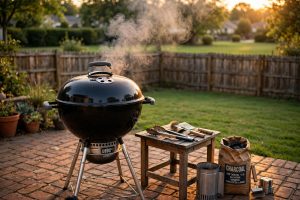

A Fair Fight in the Backyard
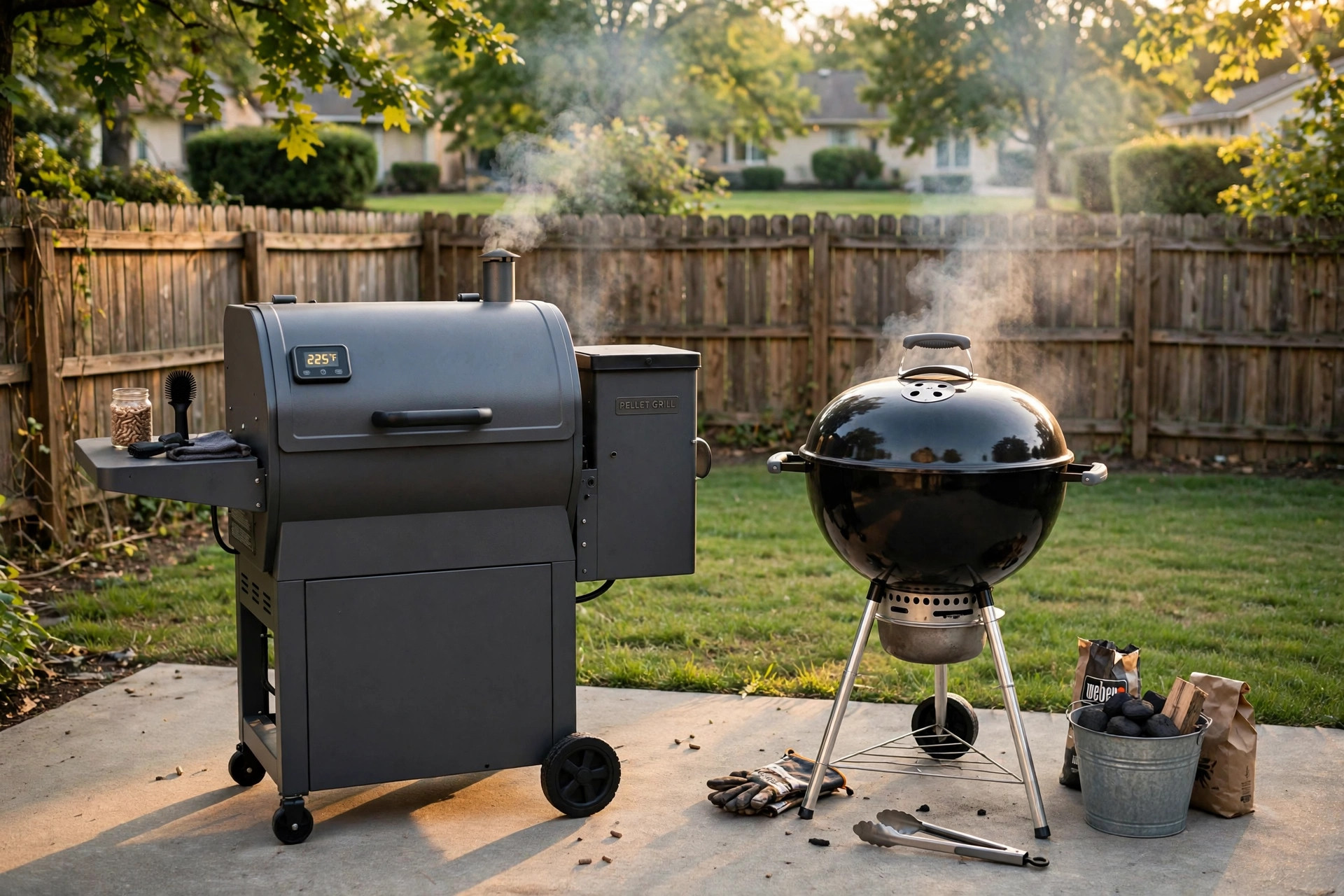
Every cookout sparks the same debate. The pellet grill vs charcoal taste test settles it the only way that matters: with food on the plate. Both grills cook with real fire. Both can turn out ribs, burgers, and chicken that draw a crowd. But they work in very different ways, and those ways show up in taste.
A pellet grill burns small wood pellets. A fan feeds air to the fire. A computer board holds the heat steady. The result is thin, clean smoke and easy control. A charcoal grill burns lumps or briquettes. You manage the vents by hand. The fire runs hot and smoky, with flare-ups that char the meat.
This guide walks you through a fair pellet grill vs charcoal taste test. You will learn how each grill works, what to cook, how to judge, and what real cooks report. No hype. Just facts you can use before you buy.
Why This Comparison Matters: Pellet Grill vs Charcoal Taste Test
Grills are not cheap. A good pellet grill can cost three or four times what a basic charcoal kettle costs. Money spent in the wrong place is money wasted. Taste is the reason to buy either one, so taste is where the choice should start.
Many buyers pick a grill for ease. Pellet grills win there. Set the dial and walk away. Charcoal asks for skill. You light it, spread the coals, and watch the vents. That skill pays off in flavor for those who learn it.
A side-by-side taste test cuts through claims on boxes and in ads. It shows what each grill does well and where each one falls short. After reading this, you can match the grill to the food you love most.
How Each Grill Works
The Pellet Grill
A pellet grill is part grill and part smoker. You pour wood pellets into a hopper on the side. An auger moves the pellets into a small fire pot. A hot rod lights them. A fan blows air across the fire. A digital controller reads a probe and feeds more or fewer pellets to hold the set temperature.
Temperatures run from about 180 degrees for smoking up to about 500 degrees for grilling. Some models reach higher with a direct-flame mode. The smoke is light and steady because the fire burns so clean. Pellet flavors come from the wood type: hickory, oak, mesquite, apple, cherry, or blends.
Cooks who love low and slow work praise these machines. If you want to learn how to smoke brisket on a pellet grill, the steady heat makes the long cook simple. Set 225 degrees and let the machine hold it for twelve hours.
The Charcoal Grill
A charcoal grill is simple by design. A steel bowl holds the coals. A grate holds the food. Vents below and above control the air. Open the vents and the fire roars. Close them and the fire calms down. You are the control board.
Lump charcoal is pure charred wood. It lights fast, burns hot, and leaves little ash. Briquettes are pressed charcoal with binders. They burn longer and more even. Many cooks mix wood chunks in with the coals for extra smoke.
Direct heat sits right over the coals. It sears steaks hard and fast. Indirect heat sits to the side of the coals. It roasts chicken and ribs slow. A two-zone fire gives you both at once. That simple trick is the heart of charcoal cooking.
Guides to how to smoke ribs on a charcoal grill show the same skill. Bank the coals to one side, add wood chunks, and the kettle becomes a smoker.
How to Run a Fair Taste Test
A fair test needs the same food, the same cut, and the same day. Pick one meat at a time. Brisket, pork ribs, chicken thighs, and burgers each teach a different lesson. Cook the same weight and thickness on both grills.
Season both pieces the same way. Salt and pepper is best for a test. Fancy rubs can hide what the grill itself adds. Start both cooks at the same time so hunger does not favor the first plate.
Match the cook style. For smoking, run both at 225 to 250 degrees. For grilling, run both hot. Use the same wood family on both sides if you can. Hickory pellets on one side and hickory chunks on the other keeps the flavor base close.
Rest the meat the same length of time. Then slice and taste blind if you can. Have a friend label the plates A and B. Judge three things: smoke flavor, crust and texture, and juiciness. Write scores down before you talk. Talk first and the loud voice wins.
Smoke Flavor: What the Tests Show
Smoke is where the two grills differ most. Charcoal with wood chunks gives a deep, bold smoke taste. The smoke ring, the pink band under the bark, runs deeper. Brisket and ribs take on a strong, old-style barbecue note. Many judges call it classic.
Pellet smoke is milder. The clean burn makes a thin blue smoke that kisses the meat rather than coats it. Long cooks still build real smoke flavor, but it sits in the background. Chicken, fish, and pork take to it well. Delicate food does not get overpowered.
Blind tests tell a steady story. On long smokes, tasters often pick the charcoal side for depth of smoke. On shorter cooks, the gap narrows. Burgers and steaks show little difference. The meat, the salt, and the sear carry those plates.
Wood choice matters on both. Mesquite is sharp and strong. Hickory is bold and bacony. Oak is middle of the road. Fruit woods like apple and cherry are sweet and light. Match the wood to the meat before you blame the grill.
If smoke is your top goal, charcoal has the edge. If you like a gentle touch, the pellet grill suits you. Neither is wrong. They are simply different.
Heat, Sear, and Control
Charcoal wins on raw heat. A full chimney of lump can push past 700 degrees at the grate. That heat builds a dark, crisp crust on steaks in minutes. The Maillard reaction, the browning that makes meat taste meaty, loves high heat.
Pellet grills top out lower on most models. Five hundred degrees sears, but slower and paler. Some newer models add a sear zone or an open-flame mode that closes the gap. Check the specs if steak night matters to you.
Control runs the other way. The pellet grill holds a set temperature within a few degrees for hours. Rain, wind, and cold shift it less than they shift charcoal. Charcoal needs your eyes and hands. Vents drift. Weather bites. A long cook asks for checks every half hour or so.
For the busy cook, that control is worth a lot. For the hands-on cook, the fire is the fun. Your taste test should note which style fits your life, not just your mouth.
Types and Options Worth Knowing
Pellet grills come in sizes from small tailgate models to big backyard units. Look at hopper size. A twenty-pound hopper runs all night without a refill. Look at build gauge. Thick steel holds heat in winter. Wi-Fi controls let you watch the cook from the couch.
Charcoal grills range from the classic kettle to barrel cookers and ceramic kamado cookers. The kettle is the best value in grilling. Kamado cookers cost more but hold low heat for hours and sear like a furnace. Barrel and drum cookers suit big batches.
Fuel choice shapes taste too. Lump burns hotter and cleaner. Briquettes burn longer and steadier. On a pellet grill, food-grade pellets beat heating pellets every time. Heating pellets can hold binders and bark that you do not want near food.
Before you buy, it helps to read a full pellet grill vs gas grill pros and cons guide as well. Many shoppers cross-shop all three fuel types, and gas brings its own trade-offs.
Cost and Price
A basic charcoal kettle starts near the price of a bag of charcoal and a chimney starter. Mid-range kettles and barrels cost a few hundred dollars. Ceramic kamado cookers run into four figures.
Pellet grills start higher. Entry models cost several hundred dollars. Mid-range units with Wi-Fi and large hoppers run near a thousand. Premium brands cost more still. The electronics and the auger drive the price.
Fuel costs differ by the cook. Charcoal runs a few dollars per bag, and a long smoke can eat two bags. Pellets cost more per pound but feed at a steady rate. A twenty-pound bag of pellets often covers several cooks.
Think in years, not weeks. A grill that lasts a decade spreads its cost thin. Thick steel, good paint, and simple parts age well on both types. Cheap thin models rust out fast no matter the fuel.
Care and Upkeep
Ash is the shared chore. Empty the ash catcher on a charcoal grill after every few cooks. Old ash blocks air flow and kills the fire. On a pellet grill, vacuum the fire pot and the barrel every few cooks. Ash buildup there can snuff the flame or cause a flare-up.
Grease needs care on both. Scrape grates while they are hot. A stiff brush and a little oil keep the surface clean. Pellet grills add a grease bucket or tray. Empty it before it fills. Grease fires start in neglected trays.
Pellet grills ask one extra step: keep pellets dry. Wet pellets swell, crumble, and jam the auger. Store bags indoors or in a sealed bin. Run the hopper low before a long storage break.
Covers pay for themselves. Rain rusts steel and soaks charcoal. A good cover doubles the life of any grill. Wheel the grill under a roof when storms come through.
Safety
Fire is fire, whatever the fuel. Place the grill on a flat, non-wood surface away from the house, the deck rail, and low branches. Ten feet of space is a safe rule. Never grill in a garage or under a low roof. Carbon monoxide has no smell and no color.
Light charcoal with a chimney starter, not lighter fluid. Fluid leaves a chemical taste on food and can flash. Let coals ash over fully before you spread them. Keep a spray bottle of water near for small flare-ups.
On a pellet grill, never leave the hopper lid open in rain. Keep the power cord dry and off hot surfaces. Let the shutdown cycle finish before you unplug. That cycle burns leftover pellets so the next start is clean.
Keep kids and pets back from any hot grill. Tools with long handles keep your hands clear of the heat. Heat-proof gloves beat a folded towel. When the cook ends, close the vents on charcoal and run the shutdown on pellets. Make sure all coals are cold before you dump ash.
Frequently Asked Questions
Does food really taste different on a pellet grill vs charcoal?
Yes, most tasters can tell. Charcoal gives a deeper, bolder smoke note, mostly on long cooks. Pellet smoke is lighter and cleaner. On fast cooks like burgers, the difference is small. Blind tests show the gap is widest on brisket and ribs.
Which is better for a beginner?
The pellet grill is easier to learn. Set the temperature and the machine holds it. Charcoal asks for fire skills: lighting, vent control, and timing. Many beginners start with pellets and add a charcoal kettle later once the bug bites.
Can a pellet grill sear a steak like charcoal?
Almost, but not quite on most models. Charcoal hits higher heat and builds a darker crust faster. Some pellet grills now add sear zones or direct-flame modes that close the gap. If steak night is sacred, check the top temperature before you buy.
Which costs more to run?
It depends on the cook. Charcoal costs less per bag, but long smokes burn through bags fast. Pellets cost more per pound but feed at a steady, measured rate. Over a year of weekend cooks, the gap is smaller than most people expect.
Do I need special pellets or charcoal?
Yes. Use food-grade wood pellets made for cooking, never heating pellets. For charcoal, pick lump or briquettes made for grilling. Avoid self-lighting briquettes. They contain chemicals that spoil flavor.
Can I get good smoke flavor from a pellet grill?
You can. Use a strong wood like hickory or mesquite, cook low and slow, and give the meat time in the smoke. Some cooks add a smoke tube filled with pellets for an extra boost on short cooks. The flavor stays milder than charcoal, but it is real smoke.
A Final Word
The pellet grill vs charcoal taste test has no single winner. Charcoal takes the crown for deep smoke and hard sear. The pellet grill takes it for ease, steady heat, and gentle smoke. The best grill is the one that matches your food, your time, and your temper.
If you love brisket, ribs, and tending a live fire, charcoal will reward you. If you love set-and-forget cooks and weeknight ease, pellets will serve you well. Many serious cooks end up owning both. The kettle handles steak night. The pellet rig handles the overnight brisket.
Run your own taste test before you decide. Borrow a friend’s grill for a weekend. Cook the same ribs on both. Taste blind. Your mouth will tell you what no review can.
For more background, see The Home Depot, The Spruce Eats, and AmazingRibs.com. For more background, see Consumer Reports, Weber, and Char-Broil. Buying guides are also published by Traeger and Napoleon.
References
AmazingRibs.com. (n.d.). Barbecue and grilling science. https://www.amazingribs.com Char-Broil. (n.d.). Gas and charcoal grills. https://www.charbroil.com Consumer Reports. (n.d.). Product reviews and ratings. https://www.consumerreports.org Napoleon. (n.d.). Fireplaces, grills, and heating products. https://www.napoleon.com The Home Depot. (n.d.). Home improvement products. https://www.homedepot.com The Spruce Eats. (n.d.). Recipes and cooking guides. https://www.thespruceeats.com Traeger. (n.d.). Wood pellet grills. https://www.traeger.com Weber. (n.d.). Grills and outdoor cooking. https://www.weber.com
Was this guide helpful?

About Lisa Anderson
The My Garden US editorial team writes practical, in-depth home and garden guides for American homeowners — tested advice, no fluff.
You May Also Like
Charcoal vs Gas Grill Cost Comparison: What Your Backyard Cookouts Really Cost
September 28, 2026 0 views
Best BBQ Mop Sauce Recipe for Ribs: A Simple Guide
June 6, 2026 0 views
Gas Grill Parts Replacement Guide
July 1, 2026 0 views