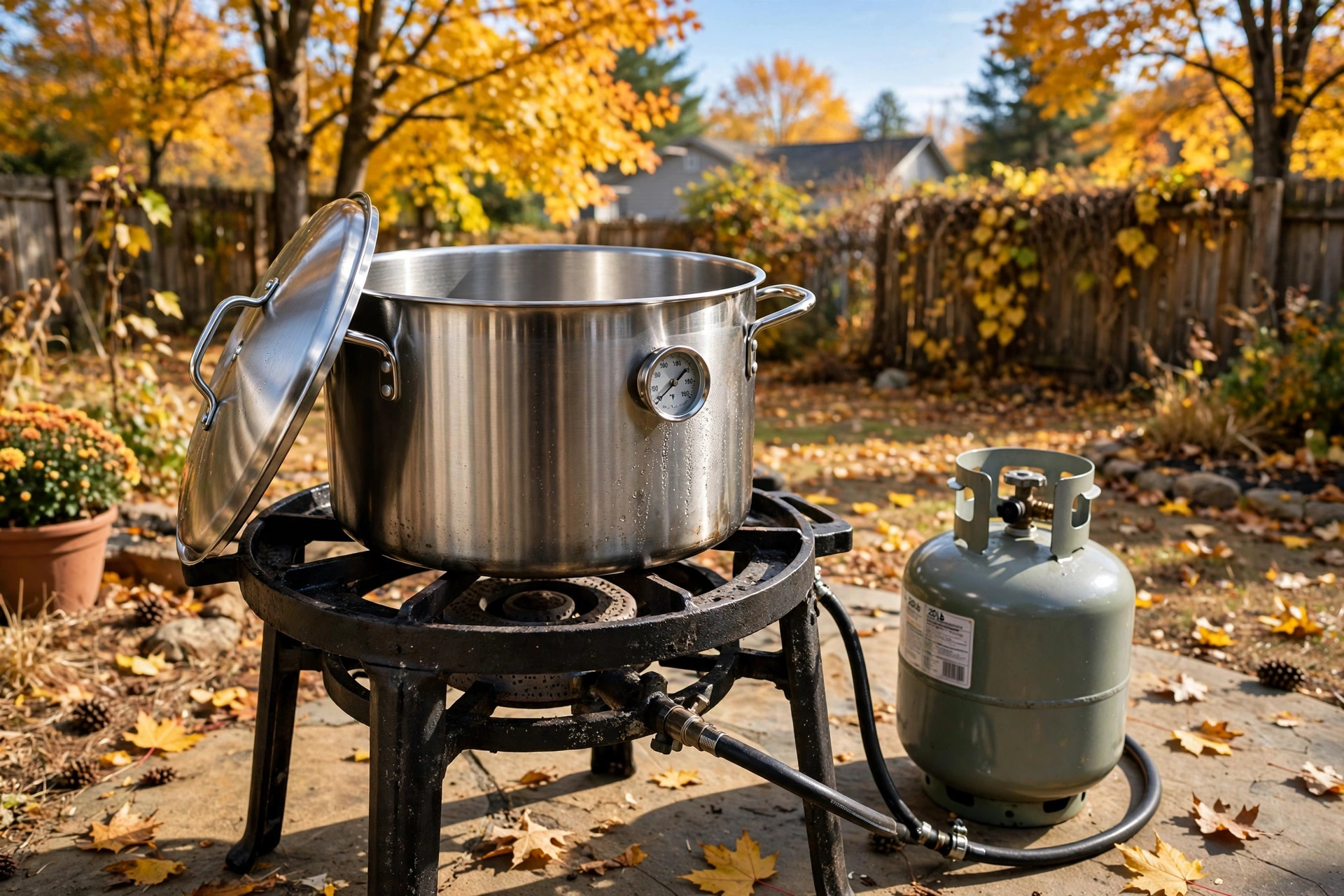
A deep fried turkey is a holiday treasure. The skin turns crisp and golden. The meat stays moist and full of flavor. The best outdoor deep fryer for turkey makes this meal possible in your own backyard. With the right fryer, you can feed a large family in under an hour.
Many cooks fear frying a turkey. They worry about the hot oil and the open flame. The fear is not wrong. A turkey fryer does need respect and care. But with the right model and the right steps, it is a safe and simple tool. This guide will help you choose well. It will show you what to look for, how much to spend, and how to stay safe.
Why a Turkey Fryer Is Worth the Effort
Most people roast a turkey in the oven. It takes four or five hours. The bird can dry out. The kitchen fills with heat and smoke. A fryer changes all of this. Hot oil cooks the bird fast. A twelve pound turkey is done in about forty minutes. The skin seals at once. The juices stay inside.
An outdoor fryer also frees your oven. On a holiday, the oven is full. There are pies, rolls, and side dishes. The turkey moves outside. Your kitchen stays calm. Your guests can watch the fry from a safe distance. It becomes part of the day, like the football game or the parade.
A good fryer is not just for one day. You can fry chicken, fish, and onion rings. You can boil corn, shrimp, and crab in the same pot. A turkey fryer kit is a year round tool for outdoor cooking.
What to Look for When You Choose: Best Outdoor Deep Fryer for Turkey
Size of the Pot
The pot is the heart of the fryer. Most turkey fryers hold thirty quarts. That size fits a bird up to about eighteen pounds. A smaller pot will not do. The oil must cover the bird with room to spare.
Check the max fill line inside the pot. Never fill past it. A good pot has the line stamped in the metal. It should be easy to see. If you plan to fry large birds, look for a thirty four or thirty six quart pot.
The Burner
The burner sits under the pot. It must give steady, strong heat. Most fryers use a propane burner. A fifty thousand BTU burner is common. It heats three to four gallons of oil in about twenty minutes. Cast iron burners last longer than thin steel ones.
Look for a stable frame. The legs should spread wide. The fryer must not wobble with a full pot of hot oil. Some models add a heat shield around the burner. This helps the flame stay lit on windy days.
The Thermometer and Timer
A fryer without a thermometer is a guess. The oil must reach three hundred fifty degrees. It must stay there. A clip on fryer thermometer is a must. Many kits include one. If yours does not, buy one before you fry.
A timer helps too. Overcooking in hot oil happens fast. A simple kitchen timer on the side keeps you honest. Set it for three minutes per pound. Check the bird with a meat thermometer when the time is up.
The Basket or Hook
Most kits come with a poultry rack or basket. The rack holds the bird while you lower it into the oil. It has a long hook or handle. This keeps your hands far from the hot oil. Make sure the rack fits your bird. A rack that is too small will tilt and splash.
Draining and Cleanup
A pot with a spigot is easier to empty. Oil is heavy. Lifting three gallons of hot oil is a poor plan. A spigot lets you drain the cool oil into a jug. Look for a spigot that sits low on the pot. Some spigots have a strainer to catch food bits.
Types of Outdoor Turkey Fryers
Propane Fryers
Propane fryers are the classic choice. They heat fast and cost the least. A propane kit often runs under one hundred fifty dollars. The burner hooks to a standard propane tank. You control the flame by hand. This is the model most cooks learn on. Guides at AmazingRibs explain why direct heat control matters for crisp skin.
Electric Fryers
Electric fryers are a safer indoor option in some cases. They plug into a normal outlet. The heat element is sealed. There is no open flame. Electric models are smaller. They often fry birds up to fourteen pounds. They heat more slowly than propane. But they hold a steady temperature with less work.
Oil Less Fryers
Oil less fryers use infrared heat. They need no oil at all. You get a similar crisp skin with far less fat. The flavor is close to a fried bird. Cleanup is much easier. The cost is higher. An oil less fryer may cost twice as much as a propane kit. Some cooks use them year round, much like they would a smoker for slow weekend cooks.
Combination Cookers
Some units fry, boil, and steam. They come with several pots and baskets. One weekend you fry a turkey. The next you boil a pot of crawfish. These kits give the most value for the price. Check that the burner is strong enough for the biggest pot in the set.
How to Fry a Turkey Step by Step
First, thaw the bird fully. A frozen turkey in hot oil is the main cause of fires. Plan one day of thawing for every four pounds. Keep the bird in the fridge.
Next, dry the bird. Pat it dry inside and out with paper towels. Water and hot oil do not mix. A dry bird fries more evenly. Inject a marinade if you like. Or rub the skin with seasoning.
Measure your oil. Put the bird in the empty pot. Add water until the bird is covered. Take the bird out. Mark the water level. Dry the pot. Now fill the oil to that mark. This keeps the oil from overflowing when the bird goes in.
Heat the oil to three hundred seventy five degrees. It will drop when the bird enters. Lower the bird very slowly with the rack. Wear long gloves and closed shoes. Keep children and pets far away.
Fry for three minutes per pound. Hold the oil near three hundred fifty degrees. When the time is up, lift the bird. Check the thigh with a meat thermometer. It must read one hundred sixty five degrees. Let the bird rest for twenty minutes before you carve.
Cost and Price
You do not need to spend a fortune. A solid propane turkey fryer kit costs between eighty and one hundred eighty dollars. The kit should include the burner, the pot, the rack, the thermometer, and the hose. Kits at this price from major outdoor brands are easy to find at The Home Depot.
Oil less fryers cost more. Expect two hundred to three hundred fifty dollars. Electric models fall in the middle. They often cost one hundred fifty to two hundred fifty dollars.
Do not forget the oil. Peanut oil is the top choice. It handles high heat and adds a light nutty flavor. You will need three to five gallons. That can cost forty to seventy dollars. You can reuse the oil two or three times. Strain it through cheesecloth after it cools. Store it in a cool dark place.
A propane tank is another cost if you do not own one. A full tank runs about twenty dollars to fill. One tank is enough for several fries. Reviews at Consumer Reports can help you compare models before you buy.
Care and Upkeep
Clean the fryer after each use. Let the oil cool fully first. This takes several hours. Do not rush it. Strain the oil into a jug if you plan to reuse it. Wipe the pot with paper towels. Wash it with hot soapy water. Dry it at once to stop rust.
Scrub the burner once a year. Spider webs and dirt can block the holes. A blocked burner burns uneven. A stiff brush and soapy water will do. Rinse and dry the parts before you put them away.
Check the hose and regulator each season. Look for cracks or dry spots. A damaged hose can leak gas. Replace it before you fry. Keep spare o rings on hand. They are cheap and easy to swap.
Store the fryer dry. A grill cover or a large trash bag works well. Keep it in a shed or garage. Rust is the enemy. A light coat of cooking oil on the pot before storage helps.
Safety Comes First
Turkey fryers have a hard name in the news. Most accidents come from the same few mistakes. You can avoid them all with care.
Always fry outside. Never on a deck, in a garage, or under a roof. Set the fryer on flat, bare ground. Keep it ten feet from the house. Keep it away from trees and fences.
Thaw the bird all the way. Even a small ice core can boil and throw hot oil. Test the thaw by pushing on the breast. It should feel soft through the meat.
Keep a fire extinguisher nearby. Use one rated for grease fires. Never use water on an oil fire. Water spreads it. If oil starts to smoke hard, turn the gas down or off.
Wear the right clothes. Long sleeves, closed shoes, and long gloves are best. Do not wear loose cloth. Tie back long hair. Have a buddy with you. Two sets of eyes are better than one.
Never leave the fryer alone. Stay with it from start to finish. The oil heats fast. It can go from fine to smoking in minutes. Watch the thermometer. If the oil passes four hundred degrees, cut the gas. Let it cool before you go on. Safety groups like the CPSC warn that fryer fires peak on holidays, so give this cook your full focus.
Frequently Asked Questions
How big a turkey can I fry?
A standard thirty quart fryer handles a bird up to eighteen pounds. Measure your oil first with the water test. If the oil line sits too high, choose a smaller bird. A bird between twelve and fourteen pounds is the sweet spot. It cooks evenly and tastes best.
What oil is best for frying a turkey?
Peanut oil is the top pick. It has a high smoke point near four hundred fifty degrees. It gives the skin a clean crisp finish. Safflower oil and corn oil work too. Avoid olive oil. It smokes at too low a heat for deep frying.
Can I use the fryer for other foods?
Yes. A turkey fryer is a strong all round cooker. Fry chicken wings, fish, and hush puppies. Boil shrimp, corn, and potatoes in the pot. Steam clams with a steamer basket. The kit pays for itself long before the next holiday.
How do I keep the oil from foaming over?
Foam comes from water and loose skin. Pat the bird dry. Lower it in slowly. If foam rises, lift the bird for a few seconds. Let the foam fall. Then lower the bird again. Keep the oil below the max fill line at all times.
Is an oil less fryer really as good?
Oil less fryers make a fine bird. The skin is crisp. The meat is moist. The taste is close to a fried turkey but not quite the same. The big wins are safety and cleanup. For cooks who fear hot oil, an oil less model is a smart pick.
Where should I buy a turkey fryer?
Buy from a store you trust. Check the kit list before you pay. Make sure it has the burner, pot, rack, thermometer, and hose. Look at buyer reviews for hints about build quality. You can also learn a lot from cooking sites like The Spruce Eats before you choose.
A Final Word
The best outdoor deep fryer for turkey is the one that fits your yard, your budget, and your comfort level. A simple propane kit is enough for most cooks. It heats fast, costs little, and fries a great bird. An oil less model is the right call if you want less mess and less risk.
Start small. Fry a twelve pound bird for your first cook. Follow the steps in this guide. Keep safety first. Soon you will have a new holiday custom. Your family will ask for the fried turkey every year.
If you are building out your whole cooking space, read our guide on how to build an outdoor kitchen on a budget. Pair your fryer with a smoker for beginners and you can host any feast the season brings. For more outdoor cooking gear ideas, browse the grills and cookers at Weber, Napoleon, Traeger, and Broil King.
References
AmazingRibs.com. (n.d.). Barbecue and grilling science. https://www.amazingribs.com Broil King. (n.d.). Gas and charcoal grills. https://www.broilkingbbq.com Char-Broil. (n.d.). Gas and charcoal grills. https://www.charbroil.com Consumer Reports. (n.d.). Product reviews and ratings. https://www.consumerreports.org Napoleon. (n.d.). Fireplaces, grills, and heating products. https://www.napoleon.com The Home Depot. (n.d.). Home improvement products. https://www.homedepot.com The Spruce Eats. (n.d.). Recipes and cooking guides. https://www.thespruceeats.com Traeger. (n.d.). Wood pellet grills. https://www.traeger.com U.S. Consumer Product Safety Commission. (n.d.). Product safety information. https://www.cpsc.gov Weber. (n.d.). Grills and outdoor cooking. https://www.weber.com
Was this guide helpful?

About Michael Thompson
The My Garden US editorial team writes practical, in-depth home and garden guides for American homeowners — tested advice, no fluff.