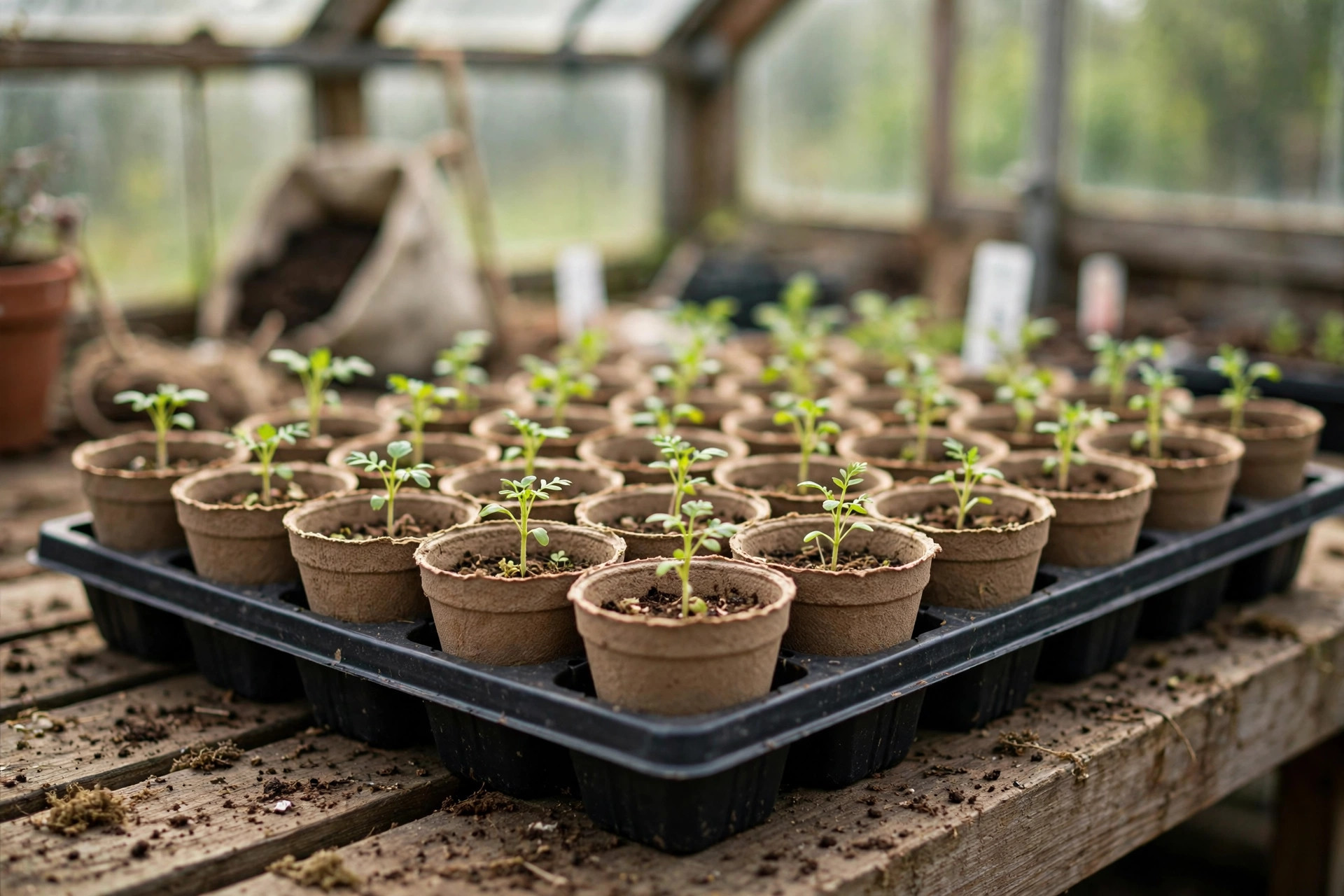
Every spring, millions of American gardeners face the same quiet worry. Then moving day comes. The young plants must leave their pots and enter the soil. This is where many seedlings suffer. Roots tear. Stems snap. Plants that looked strong in March fade in April.
This peat pots seedlings reviews buying guide usa was written for gardeners who want to avoid that loss. Below you will find honest reviews of the peat pot types sold in the United States, what to look for, what to pay, and how to use them well.
Why Peat Pots Matter
A seedling is fragile. Its roots are thin and soft. When you pull a young plant from a plastic pot, the root ball often breaks apart. The plant must then repair itself in the garden. Some plants never recover. Cucumbers, squash, melons, and beans are known for this trouble. Their roots resent disturbance.
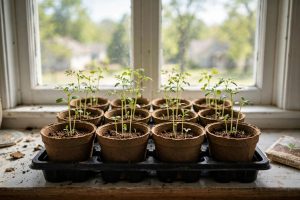
Peat pots remove the pulling. The wall of the pot is made from compressed peat moss. It holds soil during the indoor weeks. Once it sits in moist garden soil, it softens. Roots push through. The whole thing becomes part of the ground. The seedling never knows it was moved.
This is the main reason gardeners buy them. A close second is ease. There is no washing of plastic trays. There is no stack of used pots in the shed. The pots are single use and they vanish.
Peat pots also suit certain seed types better than others. Fast growers with deep roots do well. Slow growers that sit indoors for many weeks can outgrow a small pot. The pot may fall apart before planting day. Knowing which plants to pair with peat pots is half of the skill. The other half is choosing a good pot.
What to Look for When You Buy: Peat Pots Seedlings Reviews Buying Guide Usa
Not all peat pots are equal. The differences are easy to miss in the store aisle. Here is what experienced gardeners check before they buy.
Wall Thickness
The wall must be thick enough to hold its shape for weeks. It must also be thin enough to let roots pass. Good pots feel firm but light. If the wall crumbles in your hand in the store, it will fail sooner at home. If it feels like cardboard, roots may struggle to break through. The best pots strike a middle ground. They hold soil for four to eight weeks. Then they soften in damp earth within a few weeks of planting.
Size
Peat pots come in small, medium, and large sizes. Two-inch pots suit herbs and flowers. Three-inch pots suit tomatoes and peppers. Four-inch pots suit squash and cucumbers. Match the pot to the plant and to the weeks it will stay indoors.
Drainage
Look at the bottom of the pot. Some have a drainage hole. Some do not. A hole helps extra water escape. Pots without holes can turn soggy. Soggy peat grows green algae and white mold on the surface. Neither kills plants at once, but both signal trouble. If your pots lack holes, water from the bottom with care and never let them stand in water.
Additives
Some peat pots are pure peat. Others mix in wood fiber, lime, or fertilizer. A small amount of lime helps balance the natural acid of peat. Read the label. Plain peat with a touch of lime is the safest choice for most seeds.
Count and Price per Pot
Pots are sold in packs of six, ten, fifty, or one hundred. Large packs cost less per pot. But a cheap pot that falls apart early is no bargain. Figure the price per pot, then weigh it against quality. A pot that protects a two-dollar tomato seedling is worth ten cents.
Types and Options
Peat pots are not one product. Several types sit on store shelves. Each has its fans. Each has its limits.
Round Peat Pots
Round pots are the classic shape. They come in many sizes. They stack well. They fit standard trays. Reviews from home gardeners are steady and positive. The round shape gives roots room to spread in all directions. The walls are usually even in thickness. These are the safest first buy for a new gardener.
Square Peat Pots
Square pots fit together with no wasted space in a tray. You can fit more seedlings under one grow light. The corners give roots a place to gather. Some gardeners say square pots dry out faster at the corners. Watering with care solves this. Square pots are a good pick for gardeners short on windowsill space.
Peat Pellets
Peat pellets are flat discs of compressed peat in a thin mesh. You add water and they swell into small cylinders. They are cheap and very easy to store. They suit tiny seeds like herbs and flowers. Their small size limits them. A tomato outgrows a pellet in a few weeks.
Strip Pots
Strip pots are rows of small peat cells joined together. You tear off what you need. They are handy for starting many seeds of one kind. The shared walls can pass water between cells. This keeps moisture even. The thin walls of strip pots can dry fast, so watch them daily.
Cow Pots and Wood Fiber Pots
Some pots use cow manure fiber or wood fiber instead of peat. They work much like peat pots and break down in the soil. They cost more. Some batches vary in quality. Buy a small pack first and test it before you order in bulk.
Reviews: Which Peat Pots Earn Their Keep
This section reviews the peat pot types American gardeners buy most. No brand pays for a place here. The notes come from common garden practice and long use.
Round standard peat pots get the best overall marks. They hold together for the full indoor season. They transplant cleanly. Beginners succeed with them. Their one weakness is wicking. The rim of the pot can pull water up and dry the soil. Tear off the top rim before planting and the problem ends.
Square peat pots earn high marks for space saving. Under a grow light, every inch counts. Square pots let you start more plants in less room. They dry a bit faster than round pots. A daily check with your finger in the soil keeps them right.
Peat pellets earn praise for ease and low cost. They are the cheapest way to start seeds. They suit herbs, flowers, and small vegetables. They earn lower marks for larger plants. Plan to move pellets into bigger pots for tomatoes, peppers, and squash.
Strip pots earn good marks for big batches. If you start two hundred onion seeds, strips are practical. They earn lower marks for mixed plantings. One strip, one seed type works best.
Fiber-based pots earn marks for the eco-minded. They break down well and skip the peat question. They cost more per pot. Some batches vary in quality. Buy a small pack first and test it before you commit to a large order.
Even the best peat pot fails if it sits in standing water for a week. Even a cheap pot works fine with steady, careful watering.
For gardeners who want to compare seed-starting gear side by side, a look at seed starting trays can help. Trays and peat pots often work as a team. The tray holds the pots. The pots hold the plants.
Cost and Price
Peat pots are among the cheapest garden supplies. Prices in the United States follow a clear pattern. Small packs cost more per pot. Bulk packs cost less.
A pack of ten three-inch round peat pots often sells for three to five dollars. That is thirty to fifty cents per pot. A pack of one hundred of the same size often sells for twelve to twenty dollars. That drops the price to twelve to twenty cents per pot. Peat pellets are cheaper still. A bag of fifty pellets may cost five to eight dollars.
Store brands and garden center brands price much the same. Online prices match store prices once shipping is added. The real cost is not the pot. It is the seedling inside it. Viewed that way, even the dearest peat pot is cheap insurance.
Watch for false economy. Very cheap pots sometimes use thin walls. They fall apart before planting day. A mid-priced pot from a known garden supplier is the sweet spot for most gardeners.
How to Use Peat Pots Well
Buying good pots is step one. Using them well is step two. These practices come from decades of garden habit.
Fill with damp seed-starting mix. Do not use heavy garden soil. A light, sterile mix gives roots an easy start. Moisten the mix before you fill the pots. It should feel like a wrung sponge.
Plant at the right depth. Most seeds want a depth twice their width. Tiny seeds sit on the surface. Press them down gently. Cover larger seeds with mix. Label each pot with the plant name and the date.
Water from the bottom. Set the pots in a tray. Pour water into the tray. The peat walls draw water up. This keeps the surface drier and cuts down on mold. Empty the tray after an hour. Never leave pots standing in water overnight.
Tear the rim before planting. The top rim of a peat pot wicks water away from the soil. It can also stick up out of the ground and dry the root ball. Tear or cut the rim off at planting time. Score the sides of the pot with a knife. This helps roots break through fast.
Plant the whole pot below the soil line. The top of the pot must sit at or below the soil surface. Any peat left above ground acts as a wick. It pulls water out of the root zone. Bury it fully and the pot rots away as it should.
Harden off your seedlings. Peat pots do not remove the need for hardening off. Set the pots outside for a few hours a day over one to two weeks. Lengthen the time each day. Gardeners who plan their spring around heirloom vegetable seeds know this step well. Good seed deserves a careful move outdoors.
Do not start too early. Most pots hold up for six to eight weeks. Count back from your last frost date. Start squash only three to four weeks before it.
Safety
Peat pots are simple and safe. A few cautions still apply.
Keep dry peat dust out of your lungs. When you open a bag of peat mix or handle many dry pots, work in fresh air or wear a simple dust mask.
Wash your hands after handling soil and pots. Seed-starting mix is clean, but garden soil can carry germs. This is basic garden hygiene.
Store unused pots dry. Damp storage grows mold on the pots before you ever plant a seed. A dry shelf in the garage is fine.
Keep pots away from open flame. Dry peat burns. This matters if you start seeds near a heat mat or a space heater. Give heat sources room.
Frequently Asked Questions
Do roots really grow through peat pots? Yes. In moist soil the peat softens within days. Roots push through the walls in one to three weeks. Scoring the sides at planting speeds this up. In very dry soil the pot breaks down slower, so water well after transplanting.
Can I plant the whole pot in the ground? Yes. That is the point. Tear off the rim, score the sides, and bury the pot with its top at or below the soil line.
Why is white mold growing on my peat pots? White or green growth on the surface is common. It comes from damp air and still conditions. It rarely harms seedlings. Improve air flow with a small fan and water from the bottom. Let the surface dry between waterings.
Are peat pots better than plastic pots? They are better for transplanting. Roots suffer less. They are worse for reuse. A plastic pot lasts for years. A peat pot lasts one season. Many gardeners use both.
How long do peat pots last before planting? Most last six to eight weeks indoors with normal watering. Thin or cheap pots may fail sooner. If a pot starts to fall apart early, plant it at once or slip it inside a slightly larger pot.
Which plants suit peat pots best? Cucumbers, squash, melons, beans, and corn have tender roots and suit peat pots well. Tomatoes and peppers also do fine. Herbs started for a kitchen garden, such as those from lavender seed packets, start well in small peat pots or pellets.
A Final Word
Peat pots are a small tool with a clear job. They carry a seedling from the windowsill to the garden with less shock. They ask little in return. Water with care. Plant on time. Bury the pot fully.
This peat pots seedlings reviews buying guide usa covered the main types, what to check before you buy, fair prices, and the habits that make the pots work. Start with a small pack. Test them with one crop. Once you see a row of squash seedlings settle into the soil without a droop, you will understand why gardeners have trusted these humble pots for decades.
For wider reading on seed starting, the team at Burpee offers clear how-to notes for beginners, and Park Seed carries a deep range of seed-starting supplies. Timing matters as much as gear, and the Almanac publishes frost dates and planting calendars for every state. Research-backed guidance lives at NIFA. For plant profiles and care sheets, try Proven Winners and Monrovia. Gurney’s has served home gardeners for generations, and White Flower Farm is a trusted name for quality plants by mail. Practical how-to pieces live at The Spruce and Gardening Know How.
References
Burpee. (n.d.). Seeds, plants, and gardening supplies. https://www.burpee.com Gardening Know How. (n.d.). Gardening guides and plant care. https://www.gardeningknowhow.com Gurney’s Seed & Nursery Co. (n.d.). Seeds, plants, and garden supplies. https://www.gurneys.com Monrovia. (n.d.). Plants for home gardens. https://www.monrovia.com National Institute of Food and Agriculture. (n.d.). Agricultural research and extension. https://www.nifa.usda.gov Park Seed. (n.d.). Seeds, plants, and gardening supplies. https://www.parkseed.com Proven Winners. (n.d.). Plants and gardening inspiration. https://www.provenwinners.com The Old Farmer’s Almanac. (n.d.). Gardening calendars and advice. https://www.almanac.com The Spruce. (n.d.). Home and garden advice. https://www.thespruce.com White Flower Farm. (n.d.). Plants, bulbs, and garden supplies. https://www.whiteflowerfarm.com
Was this guide helpful?

About Michael Thompson
The My Garden US editorial team writes practical, in-depth home and garden guides for American homeowners — tested advice, no fluff.