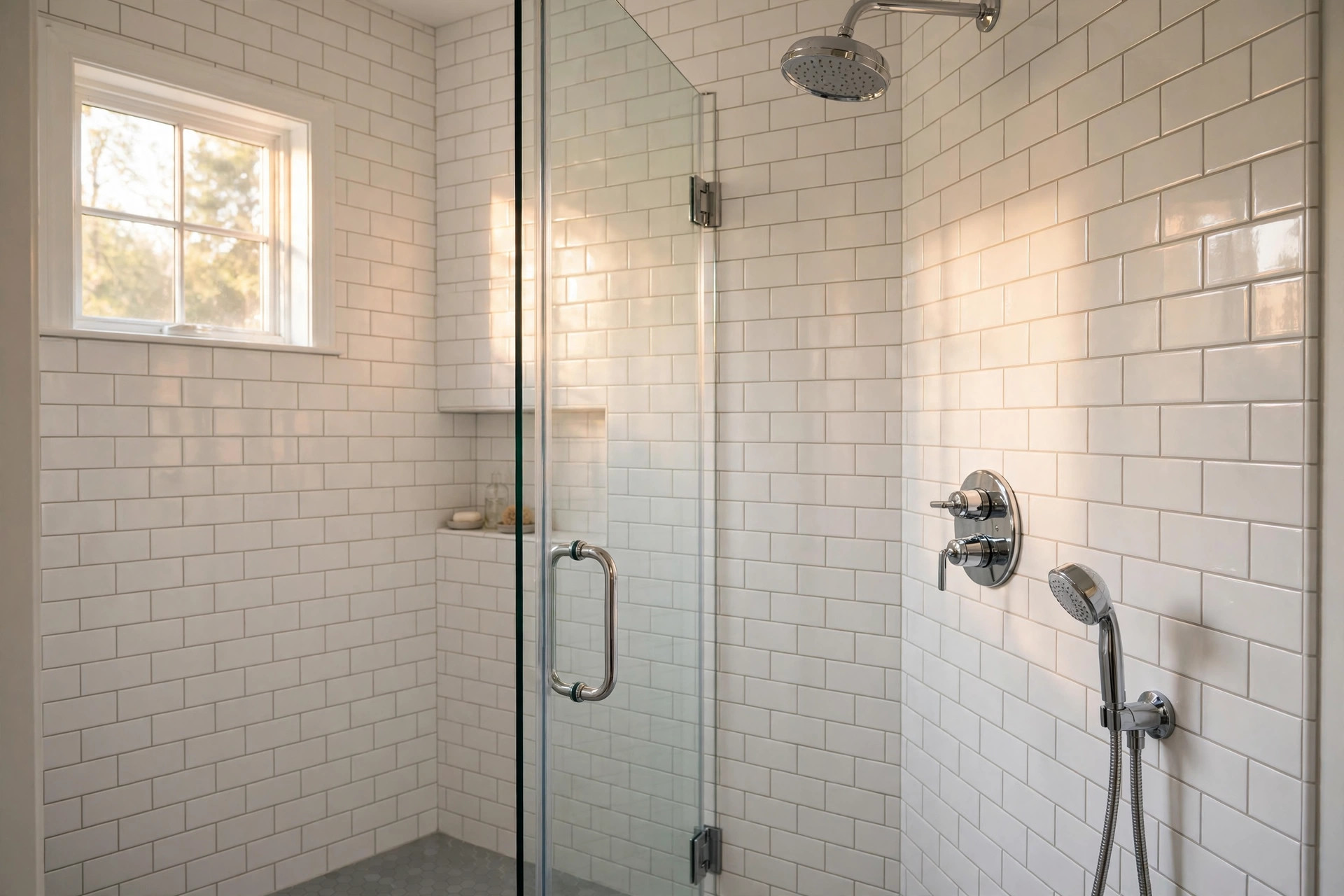

Introduction
Choosing the best tile for shower walls is one of the most important choices in a bathroom remodel. The shower is the wettest place in the home. Water hits the walls every day. A poor tile choice leads to stains, cracks, mold, and costly repairs. This guide brings together the best tile for shower walls reviews usa shoppers read in 2026. It covers ceramic, porcelain, glass, and stone tile. It explains what to look for, what each type costs, and how to keep the walls clean for years.
Why the Right Shower Wall Tile Matters: Best Tile for Shower Walls Reviews Usa
The shower wall faces more water than any other surface in the house. Paint peels. Drywall soaks. Ordinary materials fail in a year or two. Tile stands up to daily water when it is made and set the right way.
Good tile protects the wall behind it. A cement backer board sits behind the tile. A waterproof membrane seals the surface. The tile face then takes the daily spray. When all three parts work together, the shower can last twenty years or more.
Poor tile lets water in. Soft, porous tile absorbs water. Thin glaze wears off. Cracks open paths for moisture. Behind the tile, wood rots and mold grows. Repair means tearing out the whole wall. That repair often costs ten times more than the tile did.
Tile also shapes the look of the whole bathroom. The shower is often the largest surface in the room. Its color and pattern set the mood. A calm white subway tile feels clean and classic. A deep blue glass tile feels bold and modern. Choose with care, because you will see these walls every morning.
What to Look for in Shower Wall Tile
Water Absorption Rating
Tile makers rate how much water a tile can absorb. The American National Standards Institute sets the scale. For shower walls, choose tile rated impervious or vitreous. Impervious tile absorbs less than 0.5 percent of its weight in water. Vitreous tile absorbs less than 3 percent. Porcelain usually meets the impervious mark. Ceramic often meets the vitreous mark. Avoid non-vitreous tile in a shower. It soaks up too much water and can stain from soap.
Size and Shape
Small tiles bend with curved walls. Large tiles cover flat walls fast. A 3 by 6 inch subway tile is the classic shower choice. It fits most walls and hides small layout errors. A 12 by 24 inch tile makes a small shower look larger, but it needs a perfectly flat wall. Mosaic sheets of one inch tiles grip best on benches and niches.
Finish and Texture
Glossy tile reflects light and wipes clean with ease. Matte tile hides water spots and feels modern. Both work on shower walls. Slip ratings matter little on walls, since no one walks on them. Still, avoid very rough textures. Rough tile traps soap scum in its pits and needs hard scrubbing.
Glaze Quality
The glaze is the glass skin on the tile face. A thick, even glaze resists stains and chemicals. Cheap tile has a thin glaze that dulls after a year of cleaners. A major American tile maker publishes glaze and absorption data for every line, which makes side by side comparison easy.
The Main Types of Shower Wall Tile
Ceramic Tile
Ceramic tile is the most common choice for shower walls in the United States. It is made from clay fired at moderate heat. It costs less than most other tiles. It comes in hundreds of colors and patterns. Glazed ceramic wipes clean and resists stains.
The weak point of ceramic is porosity. It absorbs more water than porcelain. A good glaze covers that weakness. Keep the grout sealed, and ceramic walls serve well for many years. Many shoppers in best tile for shower walls reviews usa name ceramic the best value for a basic remodel.
Best for: budget remodels, classic looks, rental bathrooms.
Porcelain Tile
Porcelain is a denser form of ceramic. It is fired at higher heat until it turns nearly waterproof. Its color runs through the whole body, so chips show less. It handles heavy use and harsh cleaners without fading.
Porcelain costs more than ceramic, often fifty percent more. It is also harder to cut, which can raise labor costs. For walls, the extra strength gives peace of mind. A home advice site often ranks porcelain among the top picks for wet areas, and many tilers prefer it for busy family showers.
Best for: family bathrooms, long term homes, anyone who wants the toughest wall.
Glass Tile
Glass tile brings shine and color that no clay tile can match. It is made from thin sheets of glass, often in mosaic form. Light passes into the glass and bounces back out. The wall seems to glow. Small glass tiles also reflect light, which makes the shower feel larger.
Glass tile needs care in setting. The back of the tile shows through, so the mortar must be smooth and white. Dark or gray mortar can show as shadows. Glass also scratches more easily than ceramic, so use soft cleaners. It costs more per square foot, but a single accent band of glass can lift a whole shower without breaking the budget.
Best for: accent bands, niches, modern designs.
Natural Stone Tile
Marble, travertine, slate, and limestone bring natural beauty to shower walls. No two tiles look alike. A marble shower feels calm and rich. A slate shower feels warm and rustic.
Stone has two drawbacks. It is porous and must be sealed every year or two. It also reacts to acidic cleaners, which can etch the surface. Hard water leaves spots on polished stone. Buyers who love the look should accept the upkeep. A home television network site shows many stone showers in its design galleries, which can help you picture the final look.
Best for: luxury remodels, owners ready to seal and maintain.
Mosaic and Accent Tile
Mosaic sheets hold small tiles on a mesh back. They come in ceramic, glass, stone, and metal. Tilers use them for niches, borders, and the back wall of a shower. An accent band at eye level adds interest to a plain field tile.
Mosaics mean more grout lines. More grout lines mean more cleaning. Use epoxy grout with mosaics to cut down on staining. A long running home magazine often notes that a simple accent band costs little but adds a custom feel to a basic shower.
Cost and Price of Shower Wall Tile
Tile price varies widely. Basic glazed ceramic runs about 1 to 3 dollars per square foot at a national home improvement store. Mid-range porcelain runs 3 to 8 dollars per square foot at a big-box home store. Glass mosaic can run 8 to 25 dollars per square foot. Natural stone runs 5 to 20 dollars per square foot depending on the type. A flooring retailer and large flooring makers also list wall rated tile lines with clear per foot pricing.
Labor often costs more than the tile itself. Setting wall tile takes skill. A tiler charges by the hour or by the square foot. Expect 7 to 15 dollars per square foot for labor in most American markets. Large format tile and mosaics cost more to set because they demand more care.
Other costs add up. Cement backer board, waterproof membrane, mortar, grout, and trim pieces can add 3 to 5 dollars per square foot. A niche or bench adds labor hours. For a full picture of setting costs, see our guide to tile installation cost per square foot.
A typical three wall tub surround needs about 60 to 80 square feet of tile. A walk-in shower needs 80 to 120 square feet. Multiply your square footage by the tile price and add labor to set a rough budget.
Installation Basics
Good tile starts with a good wall. The old drywall must come out. Cement backer board goes up in its place. Seams get taped and sealed. A liquid waterproof membrane rolls over the whole surface. This step matters more than the tile choice itself.
Layout comes next. The tiler finds the center of each wall and plans the cuts. Full tiles should show at eye level. Cut tiles hide at the bottom and in corners. This planning takes time but makes the finished wall look right.
Setting uses thin-set mortar combed onto the wall. Tiles press into the mortar with small spacers between them. The tiler checks level often. After the mortar cures, grout fills the joints. The wall then gets wiped clean and left to cure for two to three days before the shower runs.
Homeowners can set wall tile as a do it yourself project, but the learning curve is real. A DIY magazine offers step by step guides for first timers. If the shower is the only bath in the house, hire a pro. A leak behind the tile will cost far more than the labor saved.
Care and Upkeep
Shower walls need regular care. Rinse the walls after each use. A quick rinse washes away soap before it dries. Squeegee the walls once a day to cut water spots. These two habits do more than any cleaner.
Clean weekly with a mild bathroom cleaner. Avoid harsh acids on stone and metal tile. A soft sponge beats a steel pad. Scrub grout lines with a brush once a month. Re-seal grout every one to two years if it is cement grout. Epoxy grout needs no sealing. A well known floor maker publishes care guides that apply to its wall tile lines as well.
Fix small problems fast. Re-caulk corners when the old caulk cracks. Replace a cracked tile before water gets behind it. Check the grout near the shower floor, where water sits longest. If you are updating the floor outside the shower too, waterproof laminate flooring for bathrooms pairs well with tiled shower walls.
Safety Notes
A safe shower starts behind the tile. Waterproofing keeps wood dry and prevents mold. Mold behind walls can harm indoor air. If you smell musty air near the shower, water may be getting in.
Ventilation matters too. Run the bath fan during every shower and for twenty minutes after. The fan pulls damp air out before it can settle on walls and ceilings. A home expert site notes that many grout problems trace back to poor ventilation, not bad tile.
When you cut tile, wear eye protection and a dust mask. Tile dust harms lungs. Wet saws keep dust down but throw water. Keep cords dry and the work area clear.
Frequently Asked Questions
What is the best tile for shower walls in 2026?
For most American homes, glazed porcelain tile is the best all around choice. It resists water, handles cleaners, and lasts for decades. Glazed ceramic is the best value. Glass tile is the best accent. The best tile for shower walls reviews usa readers trust most often lists porcelain first for wet areas.
Can I use floor tile on shower walls?
Yes, in most cases. Floor tile is thicker and denser than wall tile. It works fine on walls if the mortar can hold its weight. Large heavy tiles may need extra support while the mortar sets. Always check the tile rating. Tile rated for wet areas works on walls.
How much does it cost to tile shower walls?
A basic ceramic tub surround costs about 800 to 1,500 dollars in tile and labor. A walk-in shower with porcelain runs 2,000 to 4,000 dollars. High end stone or glass showers can pass 6,000 dollars. These are rough ranges for 2026. Local labor rates move the number up or down.
Do shower walls need waterproofing behind the tile?
Yes. Tile and grout are not fully waterproof. Water passes through grout lines. A waterproof membrane on the backer board stops that water. Skipping this step is the top cause of shower failure. Every major building code in the United States now calls for waterproofing in wet areas.
What grout is best for shower walls?
Epoxy grout is the best choice. It resists stains, needs no sealing, and stands up to cleaners. It costs more and sets fast, which makes it harder to use. Cement grout works well if you seal it every year or two. Avoid unsanded grout in wide joints. It can crack as it dries.
How long does shower tile last?
A well set shower tile wall lasts twenty to thirty years. Grout may need touch ups sooner. Caulk needs replacement every three to five years. Stone needs re-sealing every one to two years. The waterproof layer behind the tile often sets the true life of the shower.
A Final Word
The best tile for shower walls is the one that fits your budget, your style, and your care habits. Porcelain gives the best mix of strength and price. Ceramic gives the best value. Glass and stone give the most beauty, with more upkeep. Tile know-how also helps in wet rooms below grade, so see our notes on waterproof flooring for basements if your project extends downstairs. Pick a tile you like to look at, set it over solid waterproofing, and keep up with simple cleaning. Your shower walls will reward you for decades.
References
Bob Vila. (n.d.). Home improvement advice. https://www.bobvila.com Daltile. (n.d.). Ceramic and porcelain tile. https://www.daltile.com Family Handyman. (n.d.). DIY home repair and maintenance. https://www.familyhandyman.com HGTV. (n.d.). Home and garden ideas. https://www.hgtv.com LL Flooring. (n.d.). Hardwood, vinyl, and tile flooring. https://www.llflooring.com Lowe’s. (n.d.). Home improvement products. https://www.lowes.com Mohawk Flooring. (n.d.). Flooring products. https://www.mohawkflooring.com Shaw Floors. (n.d.). Flooring products. https://www.shawfloors.com The Home Depot. (n.d.). Home improvement products. https://www.homedepot.com The Spruce. (n.d.). Home and garden advice. https://www.thespruce.com This Old House. (n.d.). Home renovation guidance. https://www.thisoldhouse.com
Was this guide helpful?

About James Carter
The My Garden US editorial team writes practical, in-depth home and garden guides for American homeowners — tested advice, no fluff.
You May Also Like

Machine Washable Runner for Hallway: A Simple Guide
August 24, 2026 0 views
Moisture Resistant Flooring for Coastal Homes: A Buyer’s Guide
April 25, 2026 0 views
Pebble Shower Floor Pros and Cons USA: A Plain Guide for American Homes
March 16, 2026 0 views