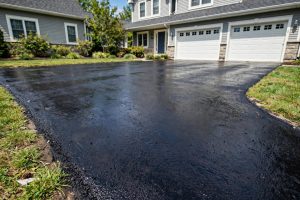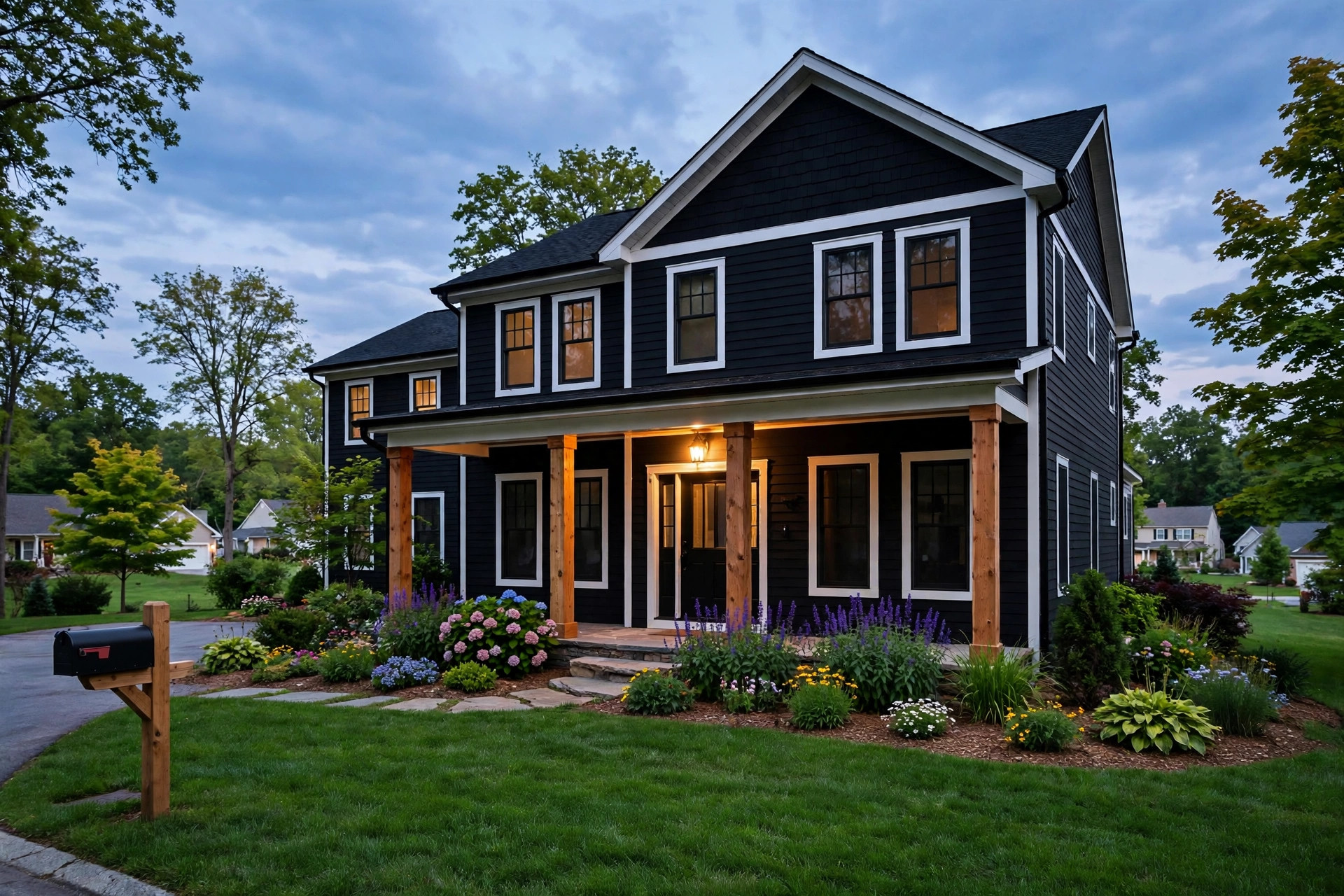

The search for black exterior house paint ideas usa has grown fast in recent years. Dark homes once looked strange on American streets. Today they stand out in a good way. A black exterior can make a house look modern, calm, and strong. It works on small cottages and on large farmhouses alike. This guide covers the best black paint ideas, how to choose the right shade, what it costs, and how to keep the finish in good shape.
Why It Matters
A house color is a big decision. Paint covers every wall. It sets the mood of the whole street. Black is a bold choice. It says the owner has taste and courage. Black also hides many small flaws. Small dents and stains show less on dark paint. On white walls, every mark shows. On black walls, marks blend in.
Dark homes fit many styles. A modern box house looks sharp in near-black. A farmhouse with black siding and a white porch looks classic and fresh. A brick ranch painted dark looks new again. The color works in cities, suburbs, and country towns. It pairs well with wood, stone, and metal. Landscaping pops against dark walls. Green lawns and bright flowers look stronger next to black paint.
What to Look for When You Choose a Black Paint: Black Exterior House Paint Ideas Usa
Not all black paints are the same. Some blacks look blue in daylight. Some look brown or gray. The undertone matters. A pure black with no undertone is rare. Most dark paints lean toward a color family. In bright sun, the undertone will show. It pays to test.
Paint sheen also matters. Flat and matte finishes look soft and rich. They hide bumps in the siding. But flat paint holds dirt. Satin and eggshell finishes clean better. They reflect a bit of light. Glossy black looks slick on trim and doors. For large walls, most painters suggest satin. It gives the best mix of looks and life.
Climate plays a part. Dark paint soaks up heat from the sun. In hot states, this can warm the walls. It may raise cooling costs a little. Modern paints handle heat better than old ones. Still, a house in Arizona faces more heat stress than one in Maine. Pick a paint rated for high heat if you live in a sunny state. Light-colored roofs and good attic air flow also help.
Siding type guides the choice. Wood, fiber cement, vinyl, and brick each take paint in their own way. Vinyl siding has rules. Dark colors can warp vinyl in strong heat. Only use paint made for vinyl, or check the maker’s limit. Brick holds dark paint well. It needs a masonry primer first. Stucco takes dark paint too, with the right sealer.
Types of Black Exterior Paint Ideas
There is no single black house look. Here are the main types homeowners in the USA use.
True Black on All Walls
The boldest idea is a full black body with simple trim. The body color is a deep black or soft black. The trim may be black as well for a tone-on-tone look. Or the trim may be white for sharp contrast. Black gutters keep the lines clean. This style suits modern homes best. It also suits small homes that want a strong shape.
Black With White Trim
This is the most loved mix. Black walls and white trim give a crisp, graphic look. The white outlines the windows and roof edge. The house looks drawn with a pen. It works on farmhouses, colonials, and cottages. Many paint guides list this pair as a safe first step into dark color.
Black With Wood Accents
Natural wood warms up black walls. Cedar porch posts, wood shutters, and wood garage doors break the dark mass. The mix feels both modern and homey. Keep the wood sealed. Sun and rain gray it fast. A clear sealer or a wood-tone stain keeps it rich.
Black Brick and Dark Masonry
Painted black brick is a strong look. It suits ranches and urban rowhouses. Limewash in dark tones gives a softer, aged feel. For plain brick, use a mineral paint or a masonry paint that lets the wall breathe. This stops moisture from getting trapped behind the coat.
Black Siding With a Colored Door
A bright door wakes up a dark house. Red, teal, yellow, or deep green doors all work. The door becomes the focal point. Keep other accents quiet so the door can shine. This is a good way to add personality without repainting the whole house.
Two-Tone Black and Gray
Some owners mix black with charcoal or dark gray. One color covers the main walls. The second covers gables, bays, or an addition. The shift is subtle. It adds depth without noise. This idea suits larger homes with many planes.
How to Choose the Right Shade
Start with paint chips. Look at them outside, in daylight and in shade. A chip that looks black indoors may read as navy outdoors. Collect chips from more than one brand. Major paint makers all sell deep blacks with different undertones. Color tools on store sites let you test shades on sample home photos.
Next, buy sample quarts. Paint large test patches on the wall. Aim for at least two feet square. Look at the patch at morning, noon, and dusk. Check it on a sunny day and a cloudy day. Let each patch dry fully. Wet paint looks darker than dry paint. Live with the patches for a few days before you decide.
Study your fixed features. Roof color, stone, and brick will not change. Make sure the black you pick suits them. A blue-black wall may clash with a brown roof. A neutral soft black suits almost any roof. Trim color also shifts the read of the walls. White trim makes walls look blacker. Dark trim makes the whole house read as one mass.
Walk your street. Note which dark homes look good and which look heavy. Some lots suit black well. Tree cover softens it. Open lots make it stand out more. Homeowner association rules may limit colors. Check the rules before you buy paint.
Cost and Price
Painting a house black costs about the same as painting it any color. Labor is the big part of the bill. For a full exterior job in the USA, most homeowners pay between three thousand and ten thousand dollars. Size, height, and prep work set the final number. Two-story homes cost more. Homes with peeling paint cost more. Homes with brick may cost more if they need masonry primer.
Paint itself runs from forty to ninety dollars per gallon for quality exterior paint. Dark colors need a tinted primer or extra coats. Plan for two finish coats over primer. A deep black may need three coats for full cover. This adds paint and labor. Ask the painter how many coats the quote includes.
Do-it-yourself painters save on labor. They still need ladders, sprayers, tape, and drop cloths. A full DIY job on a small home may run under one thousand dollars in materials. It takes several weekends. Safety gear is a must. Falls from ladders hurt people every year.
To plan your budget, an exterior house painting cost estimator can help you set a realistic number before you call painters. If your walls are brick, compare that with exterior brick painting service costs. Wood siding has its own price range, which you can study through exterior wood siding painting costs.
Care and Upkeep
Black paint shows dust and pollen. Light gray dust sits on dark walls. In dry, dusty areas, plan a yearly wash. A garden hose and a soft brush handle most dirt. A pressure washer works too. Keep the pressure low. High pressure can lift paint and scar wood.
Touch up chips fast. Dark walls show light-colored wood or primer where paint chips. Keep a small can of the exact paint for repairs. Write the brand, color name, and sheen on the lid. Store it in a cool, dry spot. Shake or stir it before use.
Heat is the main enemy. Sun bakes dark walls. South and west walls age fastest. Quality paint with UV blockers lasts longer. Expect a full repaint every seven to ten years on wood siding. Fiber cement and brick may hold longer. Watch for fading, chalking, and peeling. Chalk on your hand when you rub the wall means the paint is breaking down.
Trim and caulk need checks too. Caulk cracks let water in. Water ruins paint from behind. Walk the house each spring. Look at joints around windows and doors. Re-caulk gaps with exterior caulk. Repaint trim as needed. Small care steps add years to the job.
Safety
Exterior painting has real risks. Ladders cause most injuries. Set the ladder on firm, level ground. Keep three points of contact. Do not lean far to the side. Move the ladder instead. For high work, a rented scaffold is safer than a tall ladder.
Paint fumes matter less outdoors, but spray mist can still irritate eyes and lungs. Wear a respirator when spraying. Wear goggles and gloves. Keep children and pets away from wet paint and open cans. Read the label on every product. Follow the maker’s rules for heat, wind, and dry time.
Old homes may hold lead paint under the new coats. Homes built before 1978 often do. Test for lead before you scrape or sand. If lead is present, hire a certified lead-safe crew. Dust from lead paint harms children most. This is not a step to skip.
Check local rules as well. Some towns limit dark colors in historic zones. Some homeowner groups must approve exterior colors. A quick call to the town office or the association saves trouble later.
Frequently Asked Questions
Does black exterior paint fade faster than light colors?
Yes, a little. Dark colors absorb more UV light. UV breaks paint down over time. Quality exterior paints now include UV blockers. These slow fading a lot. A top-grade paint holds its color much longer than cheap paint. Expect some softening of the tone after years in strong sun. Regular washing also keeps the color true.
Will a black house make my home hotter inside?
It can, by a small amount. Dark walls absorb more heat than light walls. The effect depends on sun exposure, wall insulation, and attic venting. Well-built modern homes feel little change. Homes with thin walls and poor insulation feel more. A light roof color and good shade trees cut the effect. Many owners in hot states still choose black and report no big rise in bills.
Can I paint vinyl siding black?
You can, but with care. Dark paint on vinyl can warp the panels in hot sun. Use paint made for vinyl siding. These paints use special pigments that reflect heat. Many makers list approved dark colors for vinyl. Stay inside that list. If your vinyl is old or brittle, new paint may not save it. In that case, new siding is the better spend.
What trim color goes best with black walls?
White is the classic pick. It gives the sharpest contrast. Off-white looks softer and less stark. Natural wood trim warms the look. Black trim on black walls gives a smooth, modern mass. Metal trim in bronze or black suits modern styles. Test the trim color next to your wall patch before you buy gallons.
How many coats does black exterior paint need?
Plan for a primer coat plus two finish coats. Deep blacks often need a third finish coat for even cover. Tinted primer in gray or dark gray helps. It cuts the number of finish coats. Spraying gives the most even coat on large walls. Back-rolling after spraying pushes paint into the surface. Ask your painter to state the coat count in the written quote.
Is a black house hard to sell?
It depends on the market. In many US markets, dark homes now sell well. Buyers see them as modern and stylish. In very traditional areas, some buyers may pass. A clean, well-kept black paint job reads as quality. A faded or peeling one reads as neglect. Keep the paint fresh and the landscaping tidy. Then the color is an asset, not a risk.
A Short Final Word
Black exterior paint is no longer a risky bet. It is a tested style with clear rules. Pick the shade with care. Test it on the wall. Prep the surface well. Use quality paint and the right primer. Keep up with washing and touch-ups. Do these things and the house will look strong for years. The ideas in this guide give you a sound place to start. Take one that suits your home, your street, and your budget. Then paint with confidence.
For more background, see HGTV, Sherwin-Williams, and Behr. For more background, see Benjamin Moore, The Home Depot, and Lowe’s. Buying guides are also published by This Old House and Bob Vila.
References
Behr. (n.d.). Paints, primers, and stains. https://www.behr.com Benjamin Moore. (n.d.). Paints and stains. https://www.benjaminmoore.com Bob Vila. (n.d.). Home improvement advice. https://www.bobvila.com HGTV. (n.d.). Home and garden ideas. https://www.hgtv.com Lowe’s. (n.d.). Home improvement products. https://www.lowes.com Sherwin-Williams. (n.d.). Paints and coatings. https://www.sherwin-williams.com The Home Depot. (n.d.). Home improvement products. https://www.homedepot.com This Old House. (n.d.). Home renovation guidance. https://www.thisoldhouse.com
Was this guide helpful?

About Jennifer Lee
The My Garden US editorial team writes practical, in-depth home and garden guides for American homeowners — tested advice, no fluff.
You May Also Like

Vinyl Siding Painting Cost per Square Foot: A Homeowner’s Guide
September 18, 2026 0 views
Odorless Paint for Indoor Use: What USA Reviews Say
April 24, 2026 0 views
Shiplap Wall Installation Cost Per Square Foot: A Complete Guide
June 20, 2026 0 views