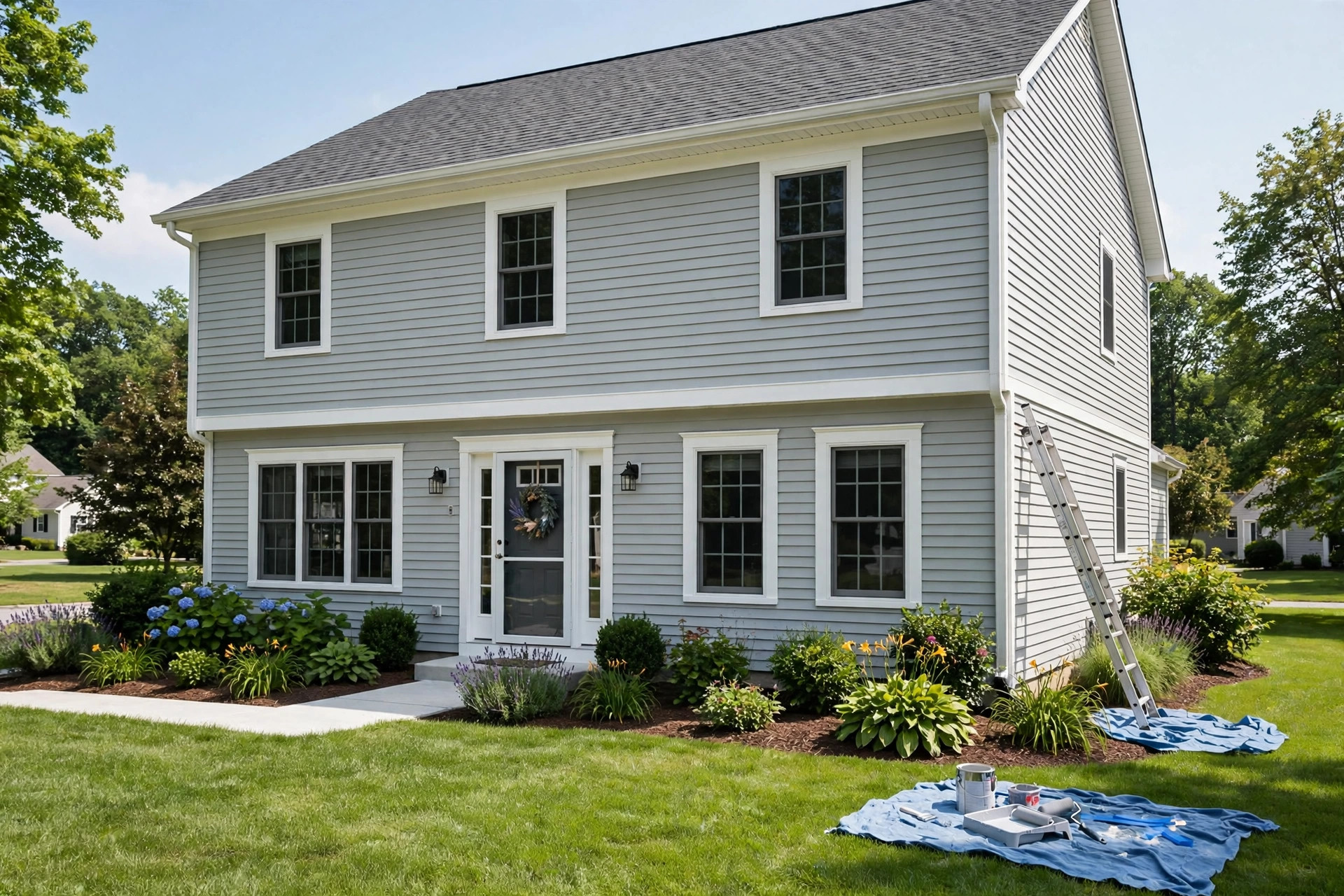

The best exterior house painting cost estimator in the USA is a simple planning tool. It helps a homeowner learn what a paint job may cost before any work begins. Painting the outside of a house is one of the largest home care costs most people ever face. A good estimate turns that big number into something clear and easy to plan for.
Many homeowners start with one question: what will this cost me? Painters often give wide price ranges over the phone. Those ranges can be off by thousands of dollars. A cost estimator narrows that range. It uses the size of the home, the type of siding, the paint quality, and local labor rates to build a fair number. When you know that number, you can set a budget, compare bids, and ask a painter the right questions.
This guide explains how a cost estimator works, what factors change the price, and how to use one the right way. It also covers paint choices, prep work, safety, and common questions.
Why a Cost Estimate Matters
Painting a house is not a small task. Most American homes need repainting every five to ten years. Weather, sun, and age wear paint down. When paint fails, water can get under it. Wood can rot. Repair bills can grow fast.
An estimate does more than set a budget. It helps you see the full job before you sign a contract. A good estimator breaks the cost into parts: paint, labor, prep work, and extras. That breakdown is useful. If one bid comes in far lower than the others, the breakdown shows you why. Maybe that bidder skipped the prep work. Maybe the paint is cheap. A low price is not always a good deal.
An estimate also helps you time the work. Fall and spring are busy seasons for painters. Prices may be higher then. If your estimate comes in above your budget, you may choose to wait for the off season. You can also scale the job. Paint the worst side of the house first. Do the rest the next year. An estimator gives you the numbers to make those calls.
How a Cost Estimator Builds Its Number: Best Exterior House Painting Cost Estimator Usa
A cost estimator is not a guess. It follows a set of steps. The steps are the same ones a careful painter would use on site.
First, it measures the paintable area. This is the wall space, minus windows and doors. A one-story ranch home may have about 1,500 to 2,000 square feet of wall. A two-story home may have 2,500 to 3,500. Height matters too. Walls above the first story need ladders or scaffolds. That adds time and cost.
Second, it asks about the siding. Wood, vinyl, brick, stucco, and fiber cement all take paint in different ways. Some hold paint well. Others need special primer. If you are painting brick, an exterior brick painting service near me cost search shows higher prices, because brick needs extra prep. Stucco also needs more paint. Its rough surface drinks up each coat. The stucco painting cost per square foot usa rate runs above smooth siding for this reason.
Third, it asks about paint quality. Paint is sold in tiers. Cheap paint may cost half as much as top paint. But cheap paint fades faster and needs another coat sooner. Good paint can last ten years or more. The estimator adds the cost of primer too. Bare wood and patched spots always need primer first.
Fourth, it adds prep work. Prep is the step most people forget. Paint will not stick to dirty or loose surfaces. A house may need power washing, scraping, sanding, and caulking. Rotted boards may need to be replaced. Painters at This Old House stress that prep is half the job. An estimator should ask how much prep your home needs. If it does not ask, be careful with its number.
Fifth, it factors in labor. Labor is the largest part of the cost. Rates change by region. Cities cost more than small towns. Two painters may work for three to five days on a standard home. The estimator uses local wage data to set this part of the price.
What the Estimator May Miss
No tool is perfect. A cost estimator cannot see your house. It cannot spot wood rot, peeling paint, or lead paint. It cannot see a steep hill behind the house that makes ladder work slow. It cannot know that your home has three colors instead of one. Each color change means more time and more paint.
Treat the estimate as a starting point. Add ten to fifteen percent as a buffer. When painters visit your home, their bids may be higher. That is normal. The estimate still helps, because you will know what a fair range looks like.
Types of Exterior Paint and Which One to Pick
Paint choice changes both cost and life. There are two main types for exteriors: latex and oil-based.
Latex paint is the most common. It is water based. It cleans up with soap and water. It flexes with the wood as the wood swells and shrinks. It resists cracking. Most paint makers, like the ones at Benjamin Moore and Behr, now make high grade latex paints built for harsh weather. For most homes, a top grade latex is the best pick.
Oil-based paint is tougher in some ways. It sticks well to old, chalky surfaces. But it is slow to dry and hard to clean up. It also cracks more as the wood moves. Its use has fallen over the years. Some states limit it. For most homeowners, latex is the safer choice.
Finish matters too. Flat paint hides flaws in the siding. Satin has a soft shine and washes well. Semi-gloss is used on trim, doors, and shutters. The main body of the house usually gets flat or satin. Trim gets semi-gloss. An estimator may ask for the finish, because different finishes have different prices.
How Many Coats Does a House Need?
Two coats is the standard. One coat over primer on bare spots, then two full coats. A color change may need two full coats even over old paint. Light colors over dark walls take more work. The estimator should count two coats. If a bid offers one coat to cut cost, ask how long the paint will last. One coat rarely lasts as long.
Cost and Price Ranges
Prices move with region, home size, and siding. Still, a rough guide helps.
For a small one-story home of about 1,000 to 1,500 square feet of wall, expect roughly 2,500 to 5,000 dollars. For a mid-size home of about 2,000 to 2,500 square feet of wall, expect roughly 4,000 to 8,000 dollars. For a large two-story home, expect 6,000 to 12,000 dollars or more. Homes with stucco, brick, or heavy trim run higher. Homes that need much prep run higher.
Paint itself is only part of the total. Five gallons of good paint may cost 150 to 250 dollars. A full job may take 15 to 30 gallons. Primer adds more. But labor often makes up 70 to 80 percent of the bill. This is why two bids can differ by thousands while using the same paint.
Ways to save include timing the job in the off season and doing light prep yourself, such as trimming bushes away from the walls. Power washing before the painter arrives can cut labor time. But do not skip steps that protect the house. Cheap work now can mean rot repair later.
If the price still seems high, compare it with other exterior work. Staining a fence, for example, has its own cost structure. A quick look at fence staining service near me prices shows how labor drives those prices too.
Consumer guides at Consumer Reports test exterior paints each year. Their test results show that top paints hold color and resist cracking far longer than cheap ones. The extra paint cost often pays for itself in added years of service.
Care and Upkeep After the Job
A new paint job needs care to last. Wash the siding once a year with a garden hose and soft brush. Do not use a pressure washer set too high. It can force water under the paint and lift it.
Trim bushes and trees so they do not rub the paint. Keep sprinklers from spraying the walls each day. Water stains and mildew grow where walls stay wet. Touch up small chips right away with the leftover paint. Keep a labeled can for each color.
Walk around the house each spring. Look for peeling near the ground and under windows. These spots catch water first. Catching small damage early keeps the whole job looking new for years. Guides at The Spruce give simple yearly check lists for this task.
Safety Notes
Painting the outside of a house has real risks. Falls from ladders are the most common. Only use a ladder on firm, level ground. Never stand on the top rung. For high work, hire a crew with proper scaffolds.
Homes built before 1978 may have lead paint. Sanding or scraping lead paint spreads toxic dust. Federal rules say a certified worker must test for lead and follow safe practices. If your home is old, ask about lead before any work starts. The crew at Bob Vila has covered this topic in depth, and their advice is worth a read.
Paint fumes are less of a worry outside, but keep windows closed while the crew works. Keep pets and children away from wet paint and open ladders. Store leftover paint out of reach of kids.
FAQ
How accurate is an online cost estimator? It is a good starting point, usually within 15 to 20 percent of real bids. It works best when you give honest answers about home size, siding, and prep needs. Always get two or three bids from local painters to confirm the number.
What is the average cost to paint a house exterior in the USA? Most jobs fall between 3,000 and 9,000 dollars. Size, siding, and prep move the price. Brick and stucco homes cost more. Simple one-story homes cost less.
Does the estimator include primer and caulk? A good one does. Primer, caulk, and patch work are part of prep. If your estimator skips these, add them in your head. Prep can be a quarter of the total job.
Should I buy the paint myself to save money? Most painters prefer to buy it. They get trade prices and know how much to order. If you buy it, you may pay retail and still come up short. Ask the painter for the paint brand and grade in the bid so you can compare fairly.
How long does exterior paint last? Good paint on a well-prepared surface lasts seven to ten years. Cheap paint or poor prep may last only three to five. Sun and rain wear paint down faster in hot or wet climates.
When is the best time of year to paint? Late spring and early fall are best in most states. The air should be dry and between 50 and 85 degrees. Paint does not cure well in heat, cold, or rain. Off-season jobs in mild climates can cost less.
A Final Word
The best exterior house painting cost estimator in the USA does one job well. It turns a big, scary number into a plan. Use it to set your budget. Use it to read bids with clear eyes. Then hire a painter who does the prep work right. A fair price for a careful job is always cheaper than a cheap price for a job you must redo.
For more help with paint choices, the color tools at Sherwin-Williams let you test colors on a photo of your home. Retailers like Home Depot and Lowes carry full lines of exterior paint with staff who can explain the grades. Project guides at HGTV show real homes and real budgets to help you plan.
References
Behr. (n.d.). Paints, primers, and stains. https://www.behr.com Benjamin Moore. (n.d.). Paints and stains. https://www.benjaminmoore.com Bob Vila. (n.d.). Home improvement advice. https://www.bobvila.com Consumer Reports. (n.d.). Product reviews and ratings. https://www.consumerreports.org HGTV. (n.d.). Home and garden ideas. https://www.hgtv.com Lowe’s. (n.d.). Home improvement products. https://www.lowes.com Sherwin-Williams. (n.d.). Paints and coatings. https://www.sherwin-williams.com The Home Depot. (n.d.). Home improvement products. https://www.homedepot.com The Spruce. (n.d.). Home and garden advice. https://www.thespruce.com This Old House. (n.d.). Home renovation guidance. https://www.thisoldhouse.com
Was this guide helpful?

About Robert Taylor
The My Garden US editorial team writes practical, in-depth home and garden guides for American homeowners — tested advice, no fluff.
You May Also Like
The Best Wood Filler for Trim Reviews USA: A Plain Guide to Smooth, Paint-Ready Repairs
July 26, 2026 0 views
Painting Steel Entry Door Tips USA: A Practical Guide for Homeowners
March 27, 2026 0 views
Beadboard Wallpaper vs Real Beadboard: Which One Belongs in Your Home?
March 6, 2026 0 views