---
Table of Contents
Table of Contents
- Priming Dark Walls Before a Lighter Paint Color: Why Dark Colors Bleed Through
- White Primer, Gray Primer, or Tinted Primer?
- How Many Coats of Primer Do You Need?
- Prep Work Comes First
- Choosing the Right Primer Product
- Application Tips That Save Coats
- Picking the Topcoat
- Mistakes That Waste Primer
- Cost and Time Reality Check
- References
That deep navy bedroom looked great when you picked it. Now you want cream, and the old color is fighting you. Coat after coat goes on, and the dark shade ghosts through like a shadow. This is exactly the job primer was made for. Here is what to know about priming dark walls before a lighter paint color before you start.
Priming dark walls before a lighter paint color is the step that turns a five-coat struggle into a two-coat job, and painting pros call primer the most important step of the whole process. The right primer blocks the old color, seals the surface, and gives the new paint a clean base to grip. Skip it and you will spend more on paint, more on time, and still see patches of the old color in bright daylight. This guide covers which primer to choose, whether to tint it, how many coats you need, and the prep work that makes it all stick.
Priming Dark Walls Before a Lighter Paint Color: Why Dark Colors Bleed Through
When it comes to priming dark walls before a lighter paint color, getting the details right makes all the difference.
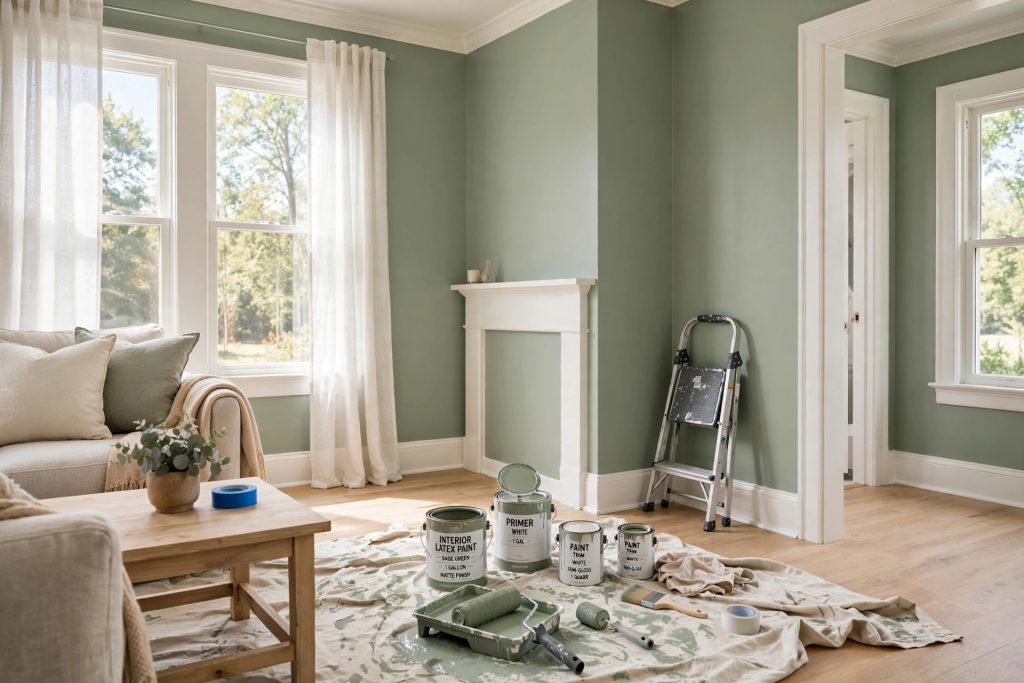
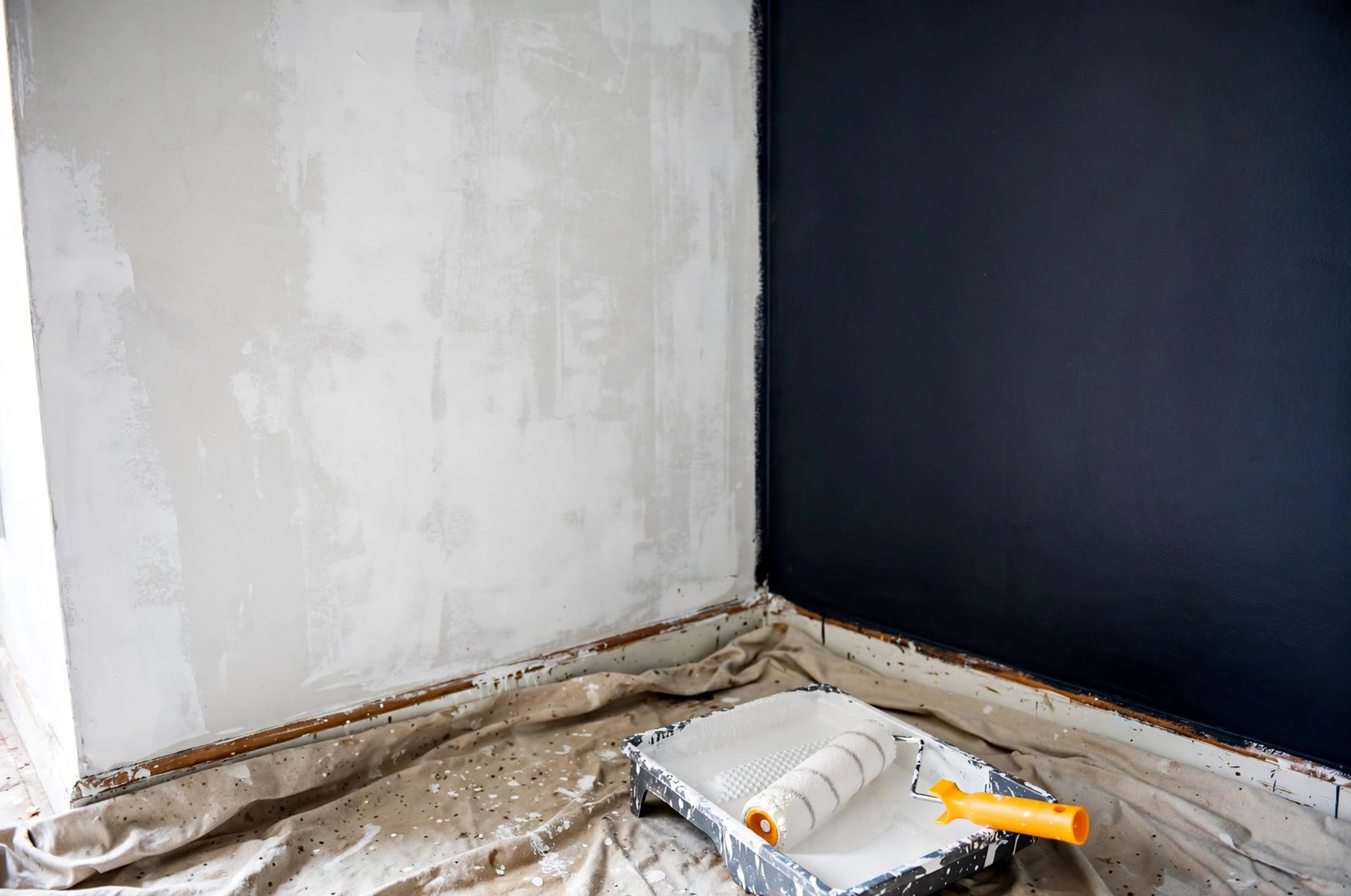
Many homeowners find that priming dark walls before a lighter paint color is easier than they expected once they know the basics.
Paint is translucent. Every coat lets a little of what is underneath show through. Dark, saturated colors like navy, forest green, burgundy, and charcoal have strong pigments that push through light topcoats with ease. Three coats of off-white over black can still look gray in a sunny room.
Primer solves this because it is built differently from paint. It has more resin and more hiding pigment, and it is made to seal rather than decorate. A coat of good primer neutralizes the dark base so the finish paint only has to do its own job: show its true color in one or two coats.
There is also an adhesion story. Primer bonds to the old paint film and gives the new paint a surface it can grab. Two coats of premium paint over bare old color may look fine on day one, but without primer the new film can be weaker, harder to wash, and quicker to scuff. Primer is cheap insurance for a finish that has to last years.
White Primer, Gray Primer, or Tinted Primer?
Many homeowners find that priming dark walls before a lighter paint color is easier than they expected once they know the basics.
The key to priming dark walls before a lighter paint color is choosing the right approach for your space and budget.
This is the question that confuses most people. Here is how to choose.
White primer is the safe default when your new color is white or very light. It erases the dark base and creates the brightest possible foundation. Most paint stores stock it, and it works under almost any light topcoat.
Gray primer is the pro trick for big color jumps. Gray sits between the dark old color and the light new color, so it bridges the gap in fewer steps. Many painters reach for a mid-tone gray when going from a deep color to a medium or light one. It also helps the eye read the new color as true, because the primer underneath does not throw the hue off the way a stark white base sometimes can.
Tinted primer is white primer with a shot of colorant added, usually a lighter version of your final color. The paint store can mix it for you. Tinted primer is the best choice when you want the new color to look rich and full with fewer topcoats. The tint pulls the base closer to the finish, so the topcoat does not have to work as hard. Ask for the primer tinted to about half the strength of your wall color.
One caution: do not expect the primer to hide the old color completely. After one coat of primer you may still see a ghost of the dark shade. That is fine. The primer's job is to create a uniform base, not a finished wall. The topcoats will do the rest.
How Many Coats of Primer Do You Need?
The key to priming dark walls before a lighter paint color is choosing the right approach for your space and budget.
With a little planning, priming dark walls before a lighter paint color can fit even a busy schedule.
For most dark-to-light changes, one full coat of quality primer is enough. If the old color is extremely dark, like black or deep red, or if the old paint was glossy, plan on two coats of primer. Good prep and a high-hide primer are what make the job succeed, so take care of the steps before you apply it. Let each coat dry fully before the next one goes on. Rushing the dry time traps moisture and weakens the bond.
After priming, expect two coats of finish paint. Very light colors over very dark bases sometimes need a third finish coat in spots, especially on walls that get strong side light. Check your work in both daylight and lamplight before you call it done. Problems that are invisible under a work light can show up clearly at noon.
Prep Work Comes First
With a little planning, priming dark walls before a lighter paint color can fit even a busy schedule.
Before you start, it helps to understand how priming dark walls before a lighter paint color works in real homes.
Primer cannot fix a dirty or damaged wall. Do the prep and the primer will reward you. Skipping prep is one of the most common reasons paint jobs fail early, so work through these steps first.
1. Clean the walls. Dust, cooking film, and hand oils stop primer from sticking. Wash with a mild detergent solution, rinse, and let dry. 2. Patch holes and cracks. Fill with spackle, let it dry, and sand smooth. Patching compound is porous and drinks paint unevenly, which is another reason the whole wall needs primer. 3. Scuff glossy paint. If the old finish is semi-gloss or gloss, sand lightly with fine sandpaper to knock the shine off. Primer grips a dull surface far better than a slick one. 4. Mask and protect. Tape the trim, cover the floors, and pull the outlet covers. Primer is harder to clean off trim than paint is.
If the walls have water stains, smoke damage, or marker scribbles, use a stain-blocking primer on those spots first. Regular primer covers color, but stains can bleed through it. A shellac-based stain blocker seals the spot so it never shows again.
Choosing the Right Primer Product
Before you start, it helps to understand how priming dark walls before a lighter paint color works in real homes.
A good plan for priming dark walls before a lighter paint color saves time, money, and frustration.
Not all primers do the same job. Match the product to your wall.
- High-hide latex primer is the workhorse for dark-to-light color changes on normal drywall. It is low odor, cleans up with water, and dries fast. A gray-tinted high-hide primer is especially helpful for major color changes.
- Stain-blocking primer handles water marks, smoke, tannin bleed, and crayon. Use it as a spot primer under your main primer coat when stains are present.
- Bonding primer is for slick surfaces like glossy old paint, tile, or laminate. If a light scuff sand does not dull the surface, switch to a bonding formula.
- Primer-and-paint in one is tempting, but it is not the best tool for a dramatic color change. These products save a step on similar colors, but covering dark with light usually takes more coats of the combo product than one coat of real primer plus two topcoats. The primer route is cheaper and looks better.
Buy quality. A gallon of good primer costs less than the extra gallons of finish paint you would burn through without it. Choosing the right primer color for your topcoat makes the biggest difference when the old wall is a strong, saturated color.
Application Tips That Save Coats
A good plan for priming dark walls before a lighter paint color saves time, money, and frustration.
For most people, priming dark walls before a lighter paint color comes down to a few smart choices.
Apply primer the way you would apply paint. Cut in the edges with a brush, then roll the field with a medium-nap roller. Keep a wet edge and work in steady sections. Thin, even coats cover better than one heavy coat, which can sag and dry unevenly.
Do not stretch the primer to cover more wall than the label recommends. Thin coverage means thin hiding, and you will pay for it in extra topcoats. Stir the primer well, especially tinted primer, so the color is uniform from the first wall to the last.
Watch the dry time. Most latex primers are ready to recoat in one to four hours, but cool or humid rooms slow things down. Painting over primer that is not fully dry can lift it and ruin the base you just built.
Picking the Topcoat
For most people, priming dark walls before a lighter paint color comes down to a few smart choices.
If you are new to priming dark walls before a lighter paint color, start with the simplest option and build from there.
Once the primer is down, choose a quality interior paint in the sheen that fits the room. Flat and matte hide wall flaws and suit bedrooms and living rooms. Eggshell and satin stand up to washing and suit halls, kitchens, and baths. Higher sheens also show every bump in the wall, so they demand the smoothest prep.
Buy enough paint to do the whole room with two full coats plus a little extra for touch-ups. Running out mid-wall and buying a second batch risks a slight color shift between batches. Box your gallons together by mixing them in a bucket if you are cutting it close.
If you are still choosing the new color, look at large samples on the primed wall in your own light. Colors shift dramatically between the store and your living room. For living room ideas, browse our accent wall painting ideas for living rooms and our notes on terracotta paint colors for accent walls.
Mistakes That Waste Primer
If you are new to priming dark walls before a lighter paint color, start with the simplest option and build from there.
Skipping the primer entirely. The classic error. Five coats of paint cost more than one coat of primer plus two of paint, and the result looks worse.
Priming over a dirty wall. Grease and dust break the bond. The primer can peel later, taking the new paint with it.
Using the wrong primer. Regular drywall primer will not block a smoke stain. Stain blockers will not bond to glossy tile. Match the product to the problem.
Painting the topcoat too soon. Soft primer under fresh paint causes flashing, where dull and shiny patches show through the finish. Wait out the full dry time.
One thick coat instead of two thin ones. Heavy primer sags, dries unevenly, and hides less. Two light coats beat one heavy coat every time.
Cost and Time Reality Check
When it comes to priming dark walls before a lighter paint color, getting the details right makes all the difference.
A dark-to-light repaint with primer takes a weekend for an average bedroom: a few hours of prep, a primer coat, and two finish coats with drying time between them. The primer itself is the cheapest part of the job. What it buys you is fewer gallons of expensive finish paint and a wall that actually looks like the color on the chip. That trade is worth making every time. If your walls have patches and repairs, a good primer for drywall patches keeps them from flashing through the finish. Once you try it, priming dark walls before a lighter paint color gets easier each time.
References
Many homeowners find that priming dark walls before a lighter paint color is easier than they expected once they know the basics.
- Livingetc. (n.d.). How to paint over dark walls: 6 crucial steps. https://www.livingetc.com/advice/how-to-paint-over-dark-walls
- CertaPro Painters. (n.d.). How to cover dark paint colors. https://certapro.com/blog/interior/how-to-cover-dark-paint-colors/
- Livingetc. (n.d.). What is tinted primer? A paint expert reveals when to use it. https://www.livingetc.com/advice/what-is-tinted-primer
- Lowe's. (n.d.). Painting over dark colors: Tips and steps. https://www.lowes.com/n/how-to/painting-over-dark-colors
- ImageWorks Painting. (n.d.). How to paint dark walls light without streaks. https://www.imageworkspainting.com/blog/how-to-paint-dark-walls-light-without-streaks/
- Sharper Impressions Painting. (n.d.). Primer before paint: When you need to prime your interior walls before painting. https://www.sharperimpressionspainting.com/posts/primer-before-paint-when-to-prime-interior-walls-before-painting
- Upgraded Home. (n.d.). What is the best color primer to use for blue paint? https://upgradedhome.com/what-is-the-best-color-primer-to-use-for-blue-paint/
- Coohom. (n.d.). Paint looks patchy? Choose the right primer for walls. https://www.coohom.com/article/primer-for-walls-before-painting-5-practical-ideas
The key to priming dark walls before a lighter paint color is choosing the right approach for your space and budget.
Was this guide helpful?

About My Garden US
The My Garden US editorial team writes practical, in-depth home and garden guides for American homeowners — tested advice, no fluff.
You May Also Like
How to Hire a House Painter: USA Guide
August 6, 2026 17 views
Fence Staining Service Near Me: Prices and What They Cover
July 18, 2026 10 views
Stenciled Tile Floor Paint Kit Reviews: What Buyers Need to Know
August 11, 2026 17 views