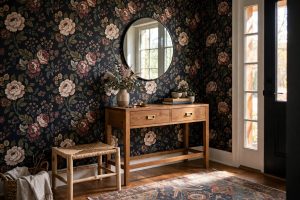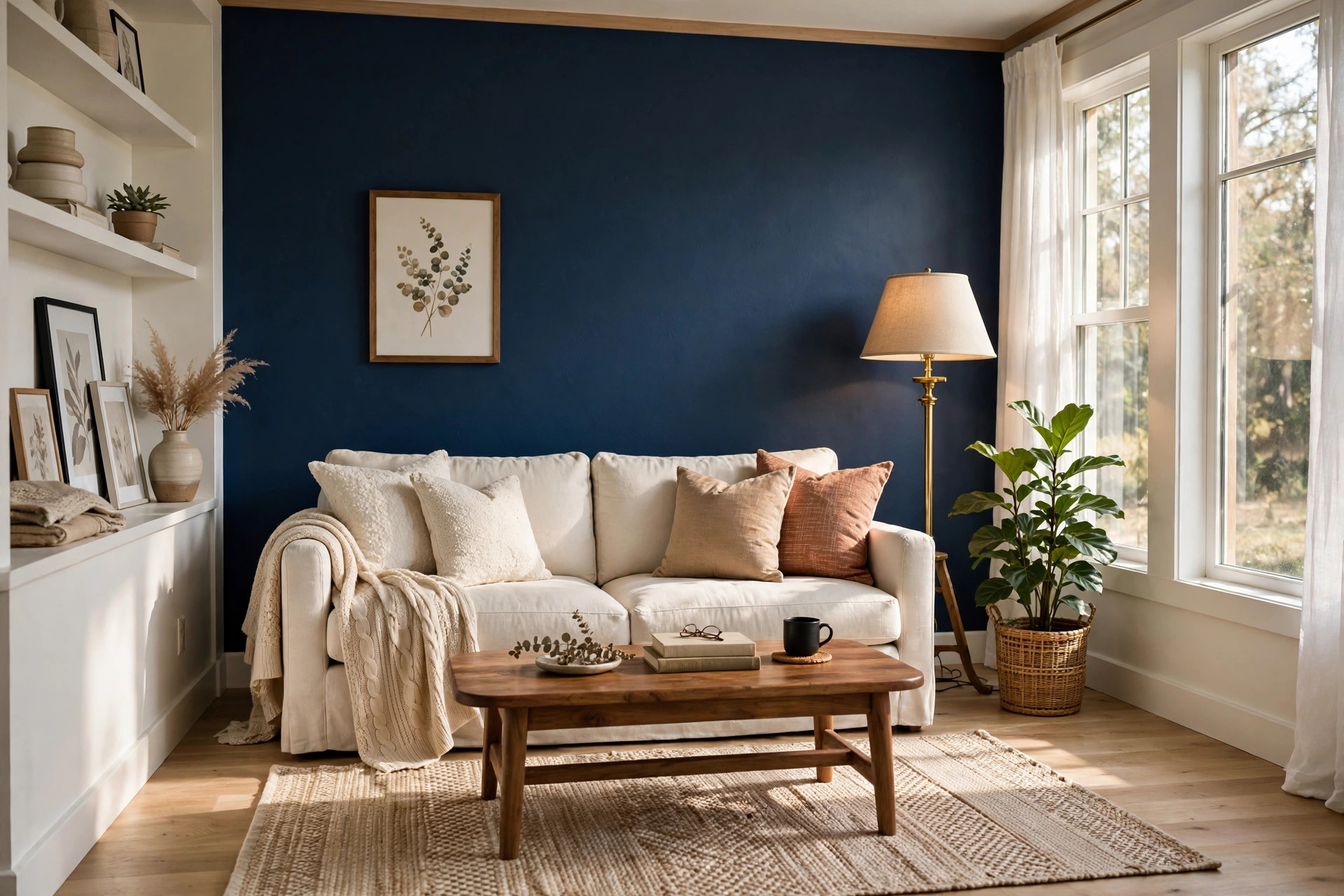

A living room with an accent wall looks planned. It feels finished. The accent wall painting ideas for living rooms shared below have helped homeowners for decades, and most of them cost very little. You paint one wall, sometimes only part of it, and the whole room changes.
An accent wall is a single wall that carries a different color, finish, or pattern from the other walls. It draws the eye. It anchors furniture. In a living room, the right choice is often the wall behind the sofa or the wall with the fireplace. This guide walks through ideas that work in real American homes, with notes on cost, paint choice, and care.
Why an Accent Wall Matters in a Living Room
The living room is the room guests see first. It is also the room a family uses most. A coat of paint on one wall does more work than new throw pillows or a new rug, and it costs less. A deep color can make a small living room feel rich instead of plain. A soft color can calm a large room that feels cold.
An accent wall also fixes layout problems. A long, narrow living room feels shorter when the far wall is dark. A low ceiling feels taller when the accent wall rises in a light color with a darker shade above. These tricks are old, and they still work. If you want a sense of how much paint work costs in 2026, one wall keeps the budget small.
How to Choose the Right Wall: Accent Wall Painting Ideas for Living Rooms
Pick the wall that already wants attention. In most living rooms, that is the wall behind the main sofa, the wall with the fireplace, or the wall where the television hangs. Avoid walls with many doors and windows. Trim and glass break up the color and weaken the effect.
Stand at the doorway and look in. The first wall your eyes land on is the right one. If two walls compete, choose the longer one. A long wall takes color well and gives you more room to work with.
Light matters too. A north-facing wall gets cool light and deepens blue or gray tones. A south-facing wall gets warm light and brings out reds and golds. Paint a large test square and watch it through a full day before you commit.
Think about furniture before you pick a wall. The accent wall should sit behind the largest piece in the room. A sofa against the accent wall looks grounded. A bookcase against it looks staged. If your sofa must float in the middle of the room, choose the fireplace wall instead. The goal is simple: color behind the furniture, calm in front of it.
Also consider the ceiling height. In rooms with ceilings under eight feet, a dark accent wall can feel heavy overhead. A lighter accent, such as warm beige or soft sage, gives contrast without pressure. In rooms with nine-foot ceilings or more, deep colors shine. They fill the vertical space and make tall walls feel intentional.
Accent Wall Painting Ideas for Living Rooms
Classic Deep Blue
A navy or deep slate blue accent wall is the safest bold choice. It reads as elegant, not loud. It pairs with cream, beige, and white furniture. In a living room with wood floors, blue adds depth that gray sometimes lacks. Brands like Benjamin Moore and Sherwin-Williams both sell historic navy shades that have stayed popular for years.
Warm Charcoal Gray
Charcoal gray is warm, not cold, when you pick a shade with brown or green undertones. It makes white trim look sharp and gives art frames a gallery feel. Gray works well in living rooms with stone or brick fireplaces. Guides at This Old House often note that gray remains one of the most forgiving accent colors for beginners.
Rich Forest Green
Green brings the outdoors in. A forest or hunter green accent wall feels calm in a room with natural light. It works with brass lamps, tan leather chairs, and plants on the windowsill. Green is a strong choice when the other walls are warm white.
Muted Terracotta or Clay
Terracotta brings warmth without the weight of red. It suits living rooms with Spanish, farmhouse, or desert styling. Clay tones look best in flat or eggshell finish, which keeps the color soft. The Behr color library includes several clay shades made for exactly this use.
Soft Black
A true black accent wall is dramatic, but it works in the right room. It needs good light and light furniture to balance it. Black makes a wall of bookshelves or a gallery of family photos stand out. Use a matte finish so the wall reads as velvet, not glossy.
Two-Tone Horizontal Band
Paint the lower half of the wall one color and the upper half another, with a clean line between them. This old technique still looks fresh. A common pairing is deep blue below and warm white above. Use painter’s tape and a level to keep the line straight.
Vertical Stripes
Stripes add height. Paint vertical stripes in the same color but two finishes, such as matte and satin. From across the room, the wall looks subtly striped. Up close, the finish change catches the light. This is a good option when you want texture without a strong color.
Geometric Shapes and Blocks
Large painted blocks or triangles give a modern feel. Mask off sections with tape, paint each section, and pull the tape while the paint is tacky. Keep the palette to two or three colors. The Spruce home section carries many examples of rooms where this approach adds interest without chaos.
What to Look for When You Buy Paint
For an accent wall, finish matters more than brand. Flat and matte finishes hide wall flaws and look rich in deep colors. Eggshell and satin finishes clean more easily, which matters if the wall sits behind a sofa where hands and heads rest. Semi-gloss is best saved for trim.
Buy a quart first and paint a test patch. Colors shift on a full wall, and artificial light at night changes them again. A $15 test quart beats a $60 gallon of the wrong blue. Stores like Home Depot and Lowe’s mix small test sizes for this reason.
Check the paint’s coverage rating. Most quality interior paints cover one wall in two coats. Deep colors over white walls may need a tinted primer first. A gray-tinted primer under a navy wall saves a full coat of paint.
Cost and Price
An accent wall is one of the cheapest upgrades in home improvement. A gallon of good interior paint costs between $35 and $60. A roller set, tape, and drop cloths add about $25 if you own nothing. Most living room accent walls need one gallon and a weekend.
If you hire a painter, expect to pay for two to four hours of labor plus materials. In 2026, a single accent wall often runs $200 to $450 installed, depending on wall height and prep work. For a full picture of interior painting cost per square foot in 2026, one wall is the most budget-friendly project you can pick.
Prep is where costs hide. Patching holes, sanding old paint, and fixing cracked plaster add time. Do the prep yourself and the painter only paints. The savings are real.
Care and Upkeep
A painted accent wall needs little care. Dust it with a dry cloth every few months. Wipe marks with a damp sponge and mild soap. Matte finishes mark more easily than satin, so keep a small jar of leftover paint for touch-ups.
Save the paint can label. It records the exact color name and code. Five years later, when you touch up a scuff, that label saves you from guessing. Store leftover paint in a cool, dry place with the lid sealed tight.
Sunlight fades paint slowly. South-facing walls fade faster. If your accent wall gets direct sun all day, pick a color with good lightfastness or plan on a fresh coat in seven to ten years. Advice from Bob Vila often reminds readers that quality paint holds color longer than bargain paint.
Touch-up work goes best when the paint is fresh. If a scuff appears, dab a small amount on with a foam brush and feather the edges. Do not roll a full new coat over one spot. It will flash, meaning the repaired area reflects light differently from the rest of the wall. For small marks, a dab is enough.
Check the wall once a year for cracks near windows and doors. Houses settle, and thin cracks appear in the paint. Fill them with flexible caulk, let it dry, and touch up the paint. This small habit keeps the accent wall looking new for years. It also stops moisture from reaching the drywall underneath, which matters in humid climates.
Safety
Paint fumes are mild with modern latex paints, but open windows anyway. Keep pets and small children out of the room while you paint and until the paint dries. If your home was built before 1978, test for lead paint before you sand or scrape. Lead-safe work rules exist for a reason.
Ladders cause more painting injuries than anything else. Use a stable step ladder, keep three points of contact, and never lean past your reach. For walls over ten feet, consider hiring a painter with the right equipment.
FAQ
What is the best color for an accent wall in a living room?
Deep blue, charcoal gray, and forest green are the most reliable choices. They add depth without fighting your furniture. Test the color on the wall in daylight and at night before you buy a full gallon.
Which wall should be the accent wall?
The wall behind the sofa or the fireplace wall is the usual pick. Choose the first wall you see when you enter the room. Skip walls crowded with doors and windows.
Do accent walls make a room look smaller?
A dark accent wall can make a wall feel closer, which is useful in a long room. In a small square room, it rarely shrinks the feel of the space because the other walls stay light. Balance matters more than color.
How much does it cost to paint one accent wall?
Do it yourself for about $60 to $85 in paint and supplies. A professional job usually costs $200 to $450. Prep work like patching and sanding can add to the price.
Can I paint an accent wall over wallpaper?
Yes, but check the wallpaper first. Loose seams and bubbled paper will show through the paint. Some homeowners paint right over sound wallpaper; others strip it first. Weigh the pros and cons of painting over wallpaper before you decide.
What finish is best for an accent wall?
Matte or flat for deep, rich colors. Eggshell or satin for walls that get touched or bumped. Semi-gloss belongs on trim, not on broad wall surfaces.
A Short Final Word
An accent wall is a small project with a large return. One gallon of paint, one weekend, and a living room that feels new. Pick a wall, test a color, and tape a straight line. If you later want to tie the room together with soft textiles, ideas like nursery wallpaper for baby girls show how patterned surfaces can warm a space, and design resources such as HGTV offer fresh room ideas each season. Start with one wall. You can always paint another. Many homeowners repaint the accent wall each year with the seasons, trying a fresh shade when spring or fall arrives.
References
Behr. (n.d.). Paints, primers, and stains. https://www.behr.com Benjamin Moore. (n.d.). Paints and stains. https://www.benjaminmoore.com Bob Vila. (n.d.). Home improvement advice. https://www.bobvila.com HGTV. (n.d.). Home and garden ideas. https://www.hgtv.com Lowe’s. (n.d.). Home improvement products. https://www.lowes.com Sherwin-Williams. (n.d.). Paints and coatings. https://www.sherwin-williams.com The Home Depot. (n.d.). Home improvement products. https://www.homedepot.com The Spruce. (n.d.). Home and garden advice. https://www.thespruce.com This Old House. (n.d.). Home renovation guidance. https://www.thisoldhouse.com
Was this guide helpful?

About David Wilson
The My Garden US editorial team writes practical, in-depth home and garden guides for American homeowners — tested advice, no fluff.
You May Also Like

Best Paint for Front Door USA Reviews: How to Pick a Finish That Lasts
January 31, 2026 0 views
Polyaspartic Garage Floor Coating Cost USA
August 24, 2026 0 views
Drylok vs Behr Basement Paint Comparison
February 24, 2026 0 views