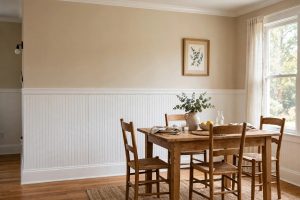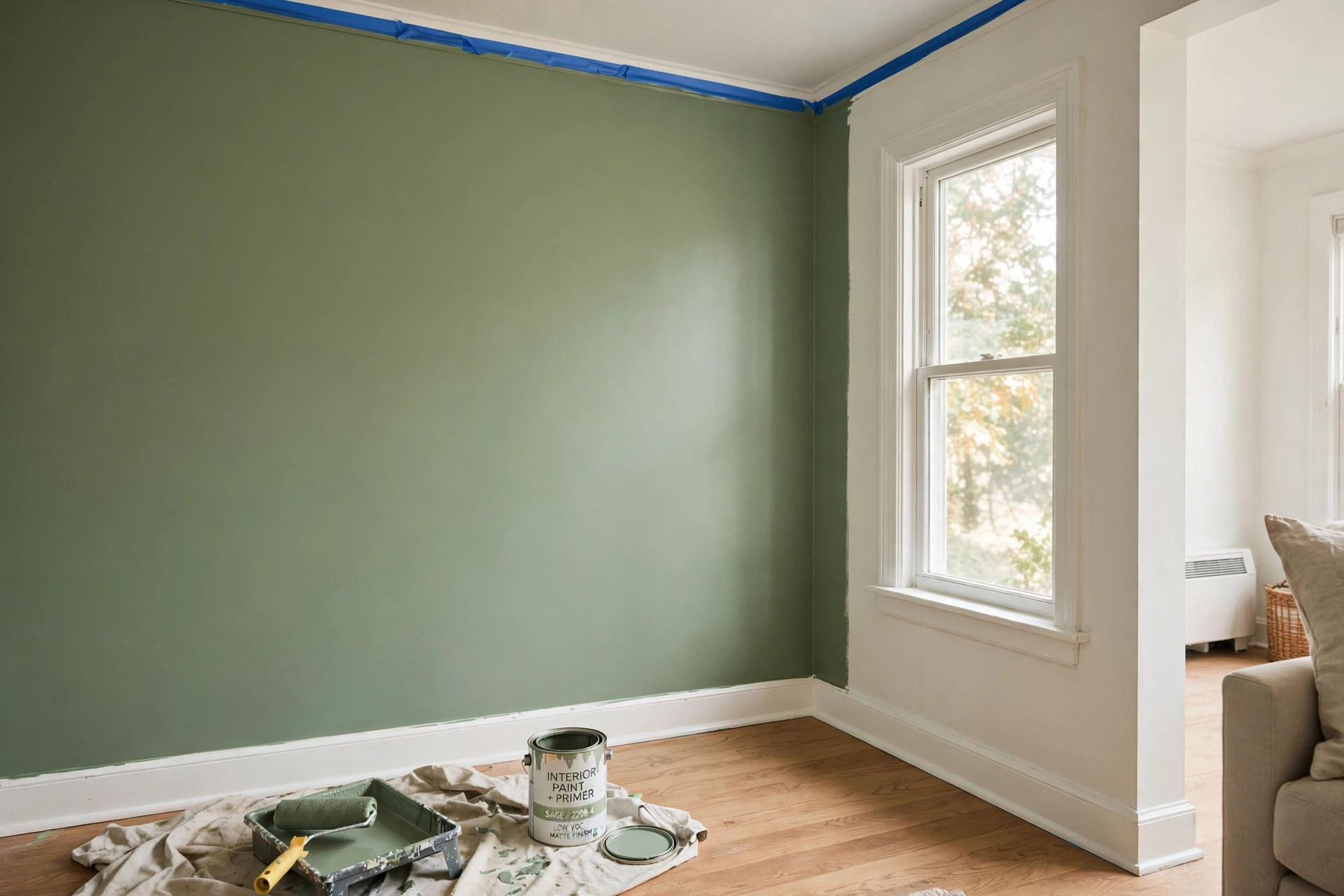

The interior painting cost per square foot 2026 ranges from about two dollars to six dollars for most American homes. Most homeowners pay between three and four dollars per square foot when they hire a professional painter. The final number depends on the room, the paint, and the condition of the walls. A fresh coat of paint is one of the cheapest ways to change the look of a home. It also protects walls from dirt, moisture, and daily wear. This guide explains the price in plain terms. It covers what painters charge, what changes the price, and how to keep costs down without losing quality.
Why the Per-Square-Foot Price Matters
Painters quote jobs in different ways. Some give a flat price for a room. Others charge by the hour. Many give a price per square foot. The per-square-foot price is useful because it lets you compare bids in a fair way. A twelve-by-twelve bedroom has about four hundred square feet of wall space once you subtract doors and windows. If two painters bid on the same room, the per-square-foot rate shows which one is really cheaper.
The rate also helps you plan. If you know the rate is four dollars and your home has two thousand square feet of paintable surface, you can estimate eight thousand dollars for the whole job. This keeps surprises out of the budget.
But the per-square-foot price is not the whole story. A low rate can hide extra charges for primer, drywall repair, or moving furniture. Always ask what the rate includes. Get the answer in writing.
How Interior Painting Is Priced in 2026: Interior Painting Cost Per Square Foot 2026
Most painting companies use two kinds of square footage. Floor square footage is the size of the room itself. Wall square footage is the area that will actually get paint. Wall square footage is always larger. A room that is twelve feet by twelve feet with eight-foot ceilings has four hundred eighty square feet of wall space before you subtract doors and windows.
Painters usually quote on paintable surface, not floor space. Some will say they charge three dollars per square foot of wall. Others quote five hundred dollars for the whole bedroom. Ask which method they use so you can compare.
In 2026, typical ranges look like this:
– Basic single-color repaint: two to three dollars per square foot – Standard two-coat job with quality paint: three to four dollars per square foot – High-end job with trim, ceilings, and accent walls: four to six dollars per square foot – Cabinet or specialty finish work: higher, priced by the project
Paint itself costs between twenty-five and eighty dollars per gallon. A gallon covers about three hundred fifty square feet with one coat. Two coats are standard for most jobs.
What Changes the Price
Many small facts move the price up or down. Here are the main ones.
The condition of the walls
Walls with holes, cracks, or peeling paint need repair before paint goes on. Patching and sanding take time. A room with damaged walls can cost one to two dollars more per square foot than a room with smooth walls.
The number of colors
One color through the whole house is cheaper. Each extra color adds labor because the painter must cut in lines and clean brushes. Accent walls are popular, but they add cost.
Ceilings and trim
Some bids include ceilings and trim. Some do not. Painting baseboards, crown molding, doors, and window frames takes skill and time. A bid that includes trim will be higher per square foot but may be the better value.
The height of the ceilings
Standard eight-foot ceilings are the cheapest. Vaulted or cathedral ceilings need ladders or scaffolding. Tall rooms cost more because the work is slower and less safe.
The type of paint
Flat paint is the cheapest option and hides flaws well. Eggshell and satin cost a little more and are easier to clean. Semi-gloss is best for trim and kitchens. Premium paints from makers like Sherwin-Williams and Benjamin Moore cost more per gallon but often cover better in fewer coats, which can save on labor.
Where you live
Labor rates differ by city. Painting costs more in New York, San Francisco, and Boston than in smaller towns. The per-square-foot rate in a high-cost city can be six dollars or more, while the same job in a small town may be two to three dollars.
Furniture and prep work
If the painter must move heavy furniture or protect floors, the price rises. Some homeowners move furniture themselves and mask off rooms to save money.
Types of Interior Painting Jobs
Whole-house repaints
A full interior repaint covers every room in the house. For a two-thousand-square-foot home, wall surface is often four to six thousand square feet. At three to four dollars per square foot, the total runs six thousand to twenty thousand dollars. Many companies offer a discount for whole-house jobs because the crew stays in one place for days.
Single-room repaints
One bedroom usually costs three hundred to eight hundred dollars. Living rooms cost more because they are larger and have more trim. Bathrooms cost less in paint but need moisture-resistant paint, which costs more per gallon.
Kitchens and cabinets
Kitchen cabinet painting is a separate trade with its own price. If you want the cost of shiplap wall installation cost per square foot, that topic has its own guide. For walls in kitchens, washable satin paint is the common choice.
Accent walls and texture
An accent wall is a single wall painted in a bold color or special finish. It costs less than a full room but adds a strong look. Textured finishes, limewash, and Venetian plaster cost far more than standard paint. These are craft jobs priced by the wall, not by the square foot.
Cost Examples by Room
These examples assume standard eight-foot ceilings, two coats, and good paint. Prices are in 2026 dollars.
| Room | Typical range | |—|—| | Small bedroom (10×12) | 400 to 900 dollars | | Master bedroom (14×16) | 700 to 1,400 dollars | | Living room (16×20) | 900 to 1,800 dollars | | Bathroom | 250 to 600 dollars | | Kitchen walls only | 600 to 1,200 dollars | | Hallway and stairs | 500 to 1,100 dollars |
Homes with crown molding installation cost per linear foot work already done should expect trim painting to be priced by the linear foot in some bids. Ask for a line-by-line quote.
How to Choose a Painter
Price matters, but the cheapest bid is not always the best. A bad paint job peels in a year. A good one lasts ten. Use these steps.
1. Get three written bids. Make sure each bid covers the same work: prep, coats, paint brand, and cleanup. 2. Check reviews. Look for steady ratings over time, not just a few good ones. 3. Ask for insurance. A licensed and insured painter protects you if a ladder falls or paint spills. 4. Ask about the paint. Cheap paint needs more coats. Good paint saves labor. 5. Ask about prep. Scraping, sanding, caulking, and priming are the base of a good job. 6. Get a start date and a finish date in writing.
Online guides from This Old House and Bob Vila explain what good prep work looks like. The reviews at Consumer Reports rate paint brands for coverage and durability. These sources help you judge whether a bid is fair.
Doing It Yourself vs. Hiring a Pro
Painting a room yourself costs far less. Paint and supplies for one bedroom run one hundred fifty to three hundred dollars. That is less than one dollar per square foot in materials. But the labor is real. A beginner needs a full weekend for one room. Pros finish in hours and leave clean lines.
Do it yourself if the room is simple, the walls are smooth, and you have time. Hire a pro for tall ceilings, textured walls, dark colors going over light colors, and whole-house jobs. Also hire a pro if you plan to sell the home. Buyers notice bad paint.
If you paint yourself, buy the right tools: good brushes, a sturdy roller, drop cloths, and painter’s tape. Stores like Home Depot and Lowe’s carry full paint departments with staff who can mix colors and answer questions. Project guides at The Spruce walk through each step for beginners.
Care and Upkeep After Painting
Paint lasts longer with small habits. Dust walls with a dry cloth twice a year. Wipe marks with a damp sponge before they set. In kitchens and baths, run the fan to move moisture out. Moisture is the enemy of paint.
Touch up chips right away. Keep a small jar of the exact paint for each room. Write the room name and paint color on the lid. Small touch-ups stop big repairs later.
Most interior paint jobs last seven to ten years in living areas. Kitchens, baths, and hallways wear faster and may need fresh paint in five years. When paint starts to look tired, compare your touch-up cost to the current interior painting cost per square foot 2026 before you call a painter. Prices shift with the season, and winter is often cheaper than spring.
Safety Notes
Lead paint is a real risk in homes built before 1978. Do not sand old paint without a test. Lead dust harms children and adults. Hire a certified lead-safe painter for old homes. This is law in many states.
Use low-VOC paint when you can. VOCs are chemicals that evaporate from paint and can cause headaches. Low-VOC paint smells less and is safer for kids and pets. Let fresh paint dry with windows open for a day.
Keep paint and solvents away from heat. Store leftover paint in a cool place with the lid tight. Take old paint to a local hazardous waste day. Do not pour it down the drain.
Questions and Answers
How much does it cost to paint a 1,500-square-foot house interior?
Most homeowners pay four thousand five hundred to twelve thousand dollars. The range is wide because wall condition, ceiling height, and the number of colors change the math. Get three bids and compare the per-square-foot rates.
What is the average interior painting cost per square foot 2026?
The average is about three dollars and fifty cents per square foot of paintable wall surface. Basic jobs run two dollars. High-end jobs with full trim and ceiling work run five to six dollars.
Does the price include the paint?
Sometimes. Some bids include paint and supplies. Others charge labor only and bill you for materials. Ask clearly. A labor-only bid looks cheaper but may not be.
How long does a paint job take?
One room takes one to two days for a pro. A whole house takes one to two weeks. Prep work takes most of the time. The actual painting is the fast part.
What is the cheapest way to paint a room?
Move the furniture yourself, patch small holes, and buy mid-grade paint in one color. Skip the ceiling if it is clean. These steps can cut the bill by twenty to thirty percent.
Should I paint before selling my house?
Yes, in most cases. Fresh neutral paint makes rooms look larger and cleaner. Real estate agents rank it as one of the best returns on investment. Stick to light, neutral colors that fit any taste. HGTV offers color guides for sellers who want broad appeal.
A Short Final Word
The interior painting cost per square foot 2026 sits between two and six dollars for most homes, with three to four dollars as the common middle. Know your wall square footage, ask what the bid includes, and compare apples to apples. Good prep and good paint matter more than a low rate. If you are planning related upgrades, look up stucco painting cost per square foot usa for exterior work. Plan the job in winter for the best prices, keep the walls clean, and your paint will look fresh for years.
References
Benjamin Moore. (n.d.). Paints and stains. https://www.benjaminmoore.com Bob Vila. (n.d.). Home improvement advice. https://www.bobvila.com Consumer Reports. (n.d.). Product reviews and ratings. https://www.consumerreports.org HGTV. (n.d.). Home and garden ideas. https://www.hgtv.com Lowe’s. (n.d.). Home improvement products. https://www.lowes.com Sherwin-Williams. (n.d.). Paints and coatings. https://www.sherwin-williams.com The Home Depot. (n.d.). Home improvement products. https://www.homedepot.com The Spruce. (n.d.). Home and garden advice. https://www.thespruce.com This Old House. (n.d.). Home renovation guidance. https://www.thisoldhouse.com
Was this guide helpful?

About Jennifer Lee
The My Garden US editorial team writes practical, in-depth home and garden guides for American homeowners — tested advice, no fluff.
You May Also Like

Best Paint for Brick Fireplace Makeover in the USA
February 12, 2026 0 views
German Schmear Brick Cost Near Me: Prices, Methods, and Tips
March 31, 2026 0 views
Best Paint for Outdoor Furniture Metal USA: What Really Works
August 16, 2026 0 views