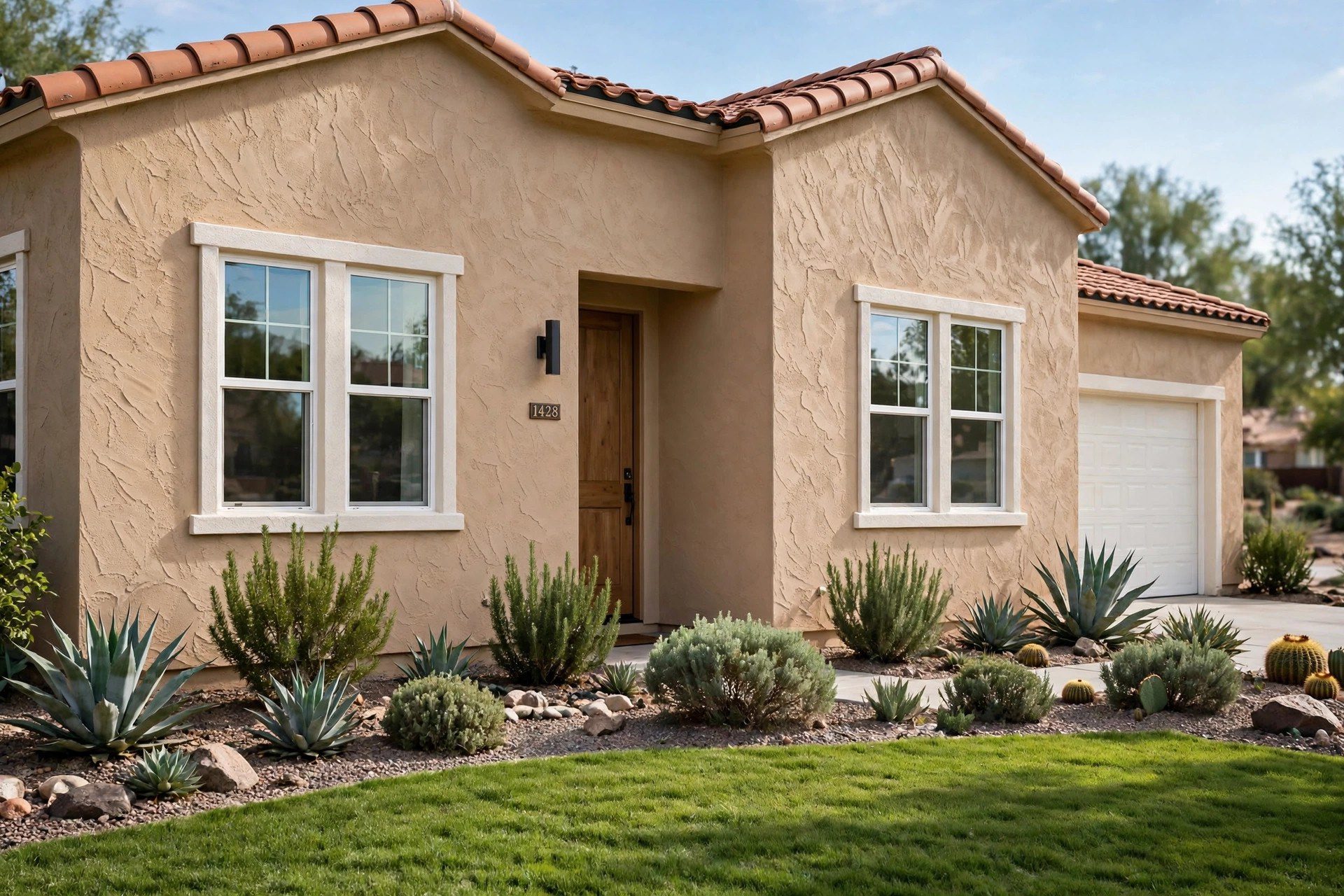
Choosing the best exterior paint for stucco homes USA homeowners can rely on is a decision that pays off for years. Stucco is a popular siding material in many parts of the country, from the Southwest to Florida and the coasts. It looks handsome, holds up well in heat, and can last for decades. But stucco needs the right paint. The wrong product can crack, peel, or trap water behind the wall. The right one keeps the house looking new and guards it against sun, rain, and wind. This guide explains how to choose the best exterior paint for stucco homes USA readers are searching for, what each type does, and how to get a finish that lasts.
Why the Right Paint Matters for Stucco
Stucco is not like wood or vinyl siding. It is a thick layer of cement, sand, and lime spread over wire mesh or block. The surface is rough, full of tiny holes, and it moves a little as the weather changes. Paint for stucco must stretch with these small movements. It must also let trapped moisture escape while keeping rain out. Experts call this the ability to breathe. A paint that seals too tightly can hold water inside the wall, and that can cause blistering and damage. A paint made for stucco avoids this trouble.
What Makes Stucco Different
Stucco draws water in and lets it out through its pores. That is normal. The paint on top should work with this cycle, not fight it. Thick, flexible coatings do best. The best exterior paint for stucco homes USA buyers find at paint stores is usually labeled for masonry or stucco. That label means the maker tested it on rough, porous surfaces. Painters who work on stucco every day almost always reach for these products. Seasoned builders often share practical guidance through Bob Vila.
Types of Paint That Work on Stucco: Best Exterior Paint for Stucco Homes Usa
Not every can of exterior paint suits stucco. Three main types dominate the market. Each has strengths. Knowing the difference helps you spend money wisely.
Elastomeric Paint
Elastomeric paint is the top choice for many stucco homes. It goes on thick, sometimes ten times thicker than regular paint. Once dry, it forms a rubber-like skin that stretches over small cracks. This is a real benefit for older stucco with hairline cracks. Elastomeric coatings bridge gaps up to about one-sixteenth of an inch. They also stand up to heavy rain and sun. The cost is higher, and the work takes more paint per square foot, but the long life often makes up for it. Homeowners weighing brands can compare reviews at Behr.
Acrylic Latex Paint
One hundred percent acrylic latex paint is the most common pick for stucco in the United States. It costs less than elastomeric products and is easier to apply. Modern acrylic formulas are flexible, resist fading, and allow moisture vapor to pass through. They work well on stucco that is in good shape with few cracks. Many painters use two coats of quality acrylic latex and get ten or more years of service. If you want to see what is in stock near you, browse the paint department at The Home Depot.
Masonry and Mineral Paints
Masonry paints and mineral silicate paints bond directly with the cement in stucco. They become part of the wall rather than sitting on top of it. This gives them outstanding breathability. They are common in Europe and are gaining fans in the United States. Mineral paints cost more and need careful surface prep, but they can last twenty years or longer. They also resist mold and mildew by nature. For an overview of paint makers and their masonry lines, see Sherwin-Williams.
How to Choose the Best Exterior Paint for Stucco Homes USA
Walk through these points before you buy a single gallon.
Check the Condition of Your Stucco
Note cracks, chips, and flaking old paint in daylight. Hairline cracks are normal in older stucco. Wider cracks need patching with a stucco repair mix before painting. If old paint is peeling, scrape and prime it. Wash with a low-setting pressure washer and let the wall dry for several days. Renovation pros at This Old House explain the cleaning step in plain terms.
Consider Your Climate
Where you live shapes the choice. Homes in Arizona, Texas, and the desert Southwest face brutal sun. A paint with strong ultraviolet resistance keeps its color longer there. In Florida and the Gulf Coast, rain and humidity rule. A coating with good mildew resistance matters more. In the Pacific Northwest, constant damp calls for a breathable film. The best exterior paint for stucco homes USA shoppers buy in one state may not be ideal in another. Read the label for the climate claims that match your area. Design and care articles at HGTV often cover regional paint choices.
Read the Label Carefully
Look for the words masonry, stucco, or concrete on the label. Check that the paint is 100 percent acrylic or a true elastomeric product. Note the recommended spread rate, often listed as square feet per gallon. Stucco drinks more paint than smooth siding. Plan on ten to twenty percent more paint than the label suggests for a flat surface. Also check the dry times and the temperature range for application. Most exterior paints want air between fifty and ninety degrees and no rain for a day or two.
Pick the Right Sheen
Sheen is how shiny the dried paint looks. For stucco, flat or satin sheens work best. Flat hides surface flaws and gives the soft look most stucco homes are known for. Satin has a light glow and washes a bit easier. Avoid high gloss on stucco. It highlights every bump and trowel mark. Premium lines from Benjamin Moore offer both flat and satin options made for masonry.
Cost and Price: What Stucco Painting Runs
Money is a fair question. Here are honest numbers for the United States in recent years.
Paint Prices per Gallon
A gallon of quality 100 percent acrylic exterior paint made for stucco usually costs between thirty-five and seventy dollars. Elastomeric coatings run higher, often sixty to one hundred dollars per gallon. Mineral silicate paints can top one hundred dollars per gallon. Cheaper paint is a false saving on stucco. The wall soaks up paint, and thin cheap paint wears out fast. Shoppers can check current shelf prices at Lowe’s.
Hiring a Painter Versus Doing It Yourself
Hiring a professional to paint a stucco home often costs between one dollar and fifty cents and four dollars per square foot of wall area. A two thousand square foot home might run three thousand to eight thousand dollars in labor and materials. The wide range reflects prep work, number of stories, and region. Doing it yourself saves labor cost but takes real time. A stucco job needs scaffolding or tall ladders, a sprayer or heavy rollers, and days of steady work. Many homeowners do the prep and hire a crew for the spraying. Get three written bids before you sign. Ask each bidder which product they plan to use and why.
How Long the Job Lasts
A good elastomeric job can last twelve to twenty years. Quality acrylic latex often gives eight to twelve years. Mineral paints may go twenty years or more. Sun exposure, storms, and how well the prep was done all move these numbers up or down. South and west walls wear fastest. Plan to inspect them every few years and touch up early. A small touch-up now puts off a full repaint for years.
Prep and Application Steps
Good paint on bad prep fails early. Follow these steps in order.
Clean the Surface
Wash the stucco with a garden hose or a pressure washer on a gentle setting. Work from top to bottom. A mild detergent helps with grime. Rinse well. Kill any mildew with a mix of water and bleach, about one part bleach to three parts water, or a store-bought mildew wash. Rinse again. Let the wall dry for at least two or three sunny days.
Repair Cracks and Holes
Fill hairline cracks with an elastomeric patch or paintable caulk. For larger cracks, use a stucco patching compound and smooth it to match the texture as best you can. Let patches cure fully. Sand rough edges lightly. If the stucco is crumbling in spots, call a stucco repair specialist before painting. Paint cannot fix failing stucco.
Prime Bare Spots
New stucco must cure before painting. Most makers ask for thirty days of cure time. If you patch spots, prime them with a masonry primer so the topcoat goes on evenly. Old paint in sound shape can often be painted over without a full prime, but glossy or chalky areas should be primed. A primer also evens out color when you change shades.
Apply the Topcoat
Most stucco jobs need two coats. A paint sprayer covers the rough texture fastest, but back-rolling right after spraying pushes paint into the pores. That step matters. If you roll by hand, use a thick-nap roller, three quarters of an inch or more. Work in the shade when you can. Hot sun dries paint too fast and can cause lap marks. Keep a wet edge as you move along the wall. Start early in the day so each coat dries in good conditions.
Color and Style Tips for Stucco Homes
Stucco takes color beautifully. Its texture adds depth to every shade. Warm whites, sandy beiges, and soft terracotta suit Spanish and Mediterranean styles. Cool grays and soft whites fit modern stucco homes. Dark colors look striking but absorb more heat, which can stress the coating in hot climates. Test a large sample patch on the wall and look at it in morning and evening light before you commit. For indoor paint pairings, see our guide on scrubbable paint for dining rooms reviews.
Care and Upkeep After Painting
A painted stucco home needs little care, but a few habits extend its life.
Yearly Washing
Rinse the walls once a year with a garden hose. This removes dust, pollen, and salt spray near the coast. A soft brush helps on stubborn spots. Do not blast the wall with a pressure washer on high. Strong jets can cut into the paint film and force water behind it. Step-by-step washing tips appear at The Spruce.
Watch for Cracks and Chips
Walk around the house each spring. Look for new cracks, chips at the base of walls, and places where sprinklers hit the stucco. Small cracks can be sealed with caulk before they grow. Keep sprinklers aimed away from the walls. Standing water at the base of a stucco wall is a common cause of early failure.
Touch Up Early
Keep a little leftover paint from the original job. Touch up small chips and scrapes as they happen. Store the can in a cool, dry place. Stir it well before use. Early touch-ups blend in and stop moisture from reaching bare stucco.
Safety Notes
Painting a home exterior has real risks. Ladders cause many injuries each year. Set ladders on firm, level ground and have a helper hold the base. Wear eye protection when spraying or scraping. Use a dust mask when sanding old paint. If your home was built before 1978, the old paint may contain lead. Do not sand or scrape it without a lead test and proper precautions. The United States government publishes clear lead-safety guidance for older homes. Keep paint and solvents away from children and pets, and store them with lids sealed tight. Renters tackling smaller projects may like our removable wallpaper for renters reviews usa instead of full exterior work.
Frequently Asked Questions
How long does exterior paint last on stucco?
With quality products and good prep, acrylic latex paint on stucco lasts eight to twelve years. Elastomeric coatings often last twelve to twenty years. Sun, storms, and moisture move these numbers. South-facing walls wear first.
Can I use regular exterior paint on stucco?
You can, but it is not the best choice. Regular exterior paint may crack or peel on the rough, moving surface of stucco. Paints labeled for masonry or stucco stretch better and let moisture vapor escape. They cost a bit more and perform far better. Painters often pair stucco work with other masonry projects, so see our concrete countertop sealer reviews usa for related know-how.
Is elastomeric paint worth the extra cost?
For older stucco with many hairline cracks, yes. Elastomeric paint bridges small cracks and forms a thick, waterproof skin. On new stucco in fine shape, a quality acrylic latex often does the job for less money. Match the product to the wall.
How much paint does a stucco house need?
Stucco soaks up more paint than smooth siding. Plan for ten to twenty percent more than the label rate. A two thousand square foot home with rough stucco may need twenty-five to forty gallons for two coats. Measure your wall area and ask the paint store to check your math.
Should stucco be primed before painting?
Bare stucco, patches, and chalky old paint should be primed with a masonry primer. Sound old paint in good shape can often be recoated without priming. When in doubt, prime. A primer coat is cheap insurance for a costly job.
What is the best time of year to paint stucco?
Late spring and early fall suit most of the country. Aim for dry days with temperatures between fifty and eighty-five degrees. Avoid painting in direct midday heat or when rain is due within forty-eight hours. Morning starts give each coat time to dry in calm weather.
A Short Final Word
The best exterior paint for stucco homes USA homeowners can buy is the one matched to the wall, the climate, and the budget. For most houses, a quality 100 percent acrylic latex made for masonry is the smart middle ground. For older walls with cracks, elastomeric paint earns its higher price. For the longest life, mineral paints are worth a look. Whatever you choose, prep the surface well, apply two full coats, and keep up with small repairs. Do that, and your stucco home will look proud for many years.
References
Behr. (n.d.). Paints, primers, and stains. https://www.behr.com Benjamin Moore. (n.d.). Paints and stains. https://www.benjaminmoore.com Bob Vila. (n.d.). Home improvement advice. https://www.bobvila.com HGTV. (n.d.). Home and garden ideas. https://www.hgtv.com Lowe’s. (n.d.). Home improvement products. https://www.lowes.com Sherwin-Williams. (n.d.). Paints and coatings. https://www.sherwin-williams.com The Home Depot. (n.d.). Home improvement products. https://www.homedepot.com The Spruce. (n.d.). Home and garden advice. https://www.thespruce.com This Old House. (n.d.). Home renovation guidance. https://www.thisoldhouse.com
Was this guide helpful?

About Michael Thompson
The My Garden US editorial team writes practical, in-depth home and garden guides for American homeowners — tested advice, no fluff.