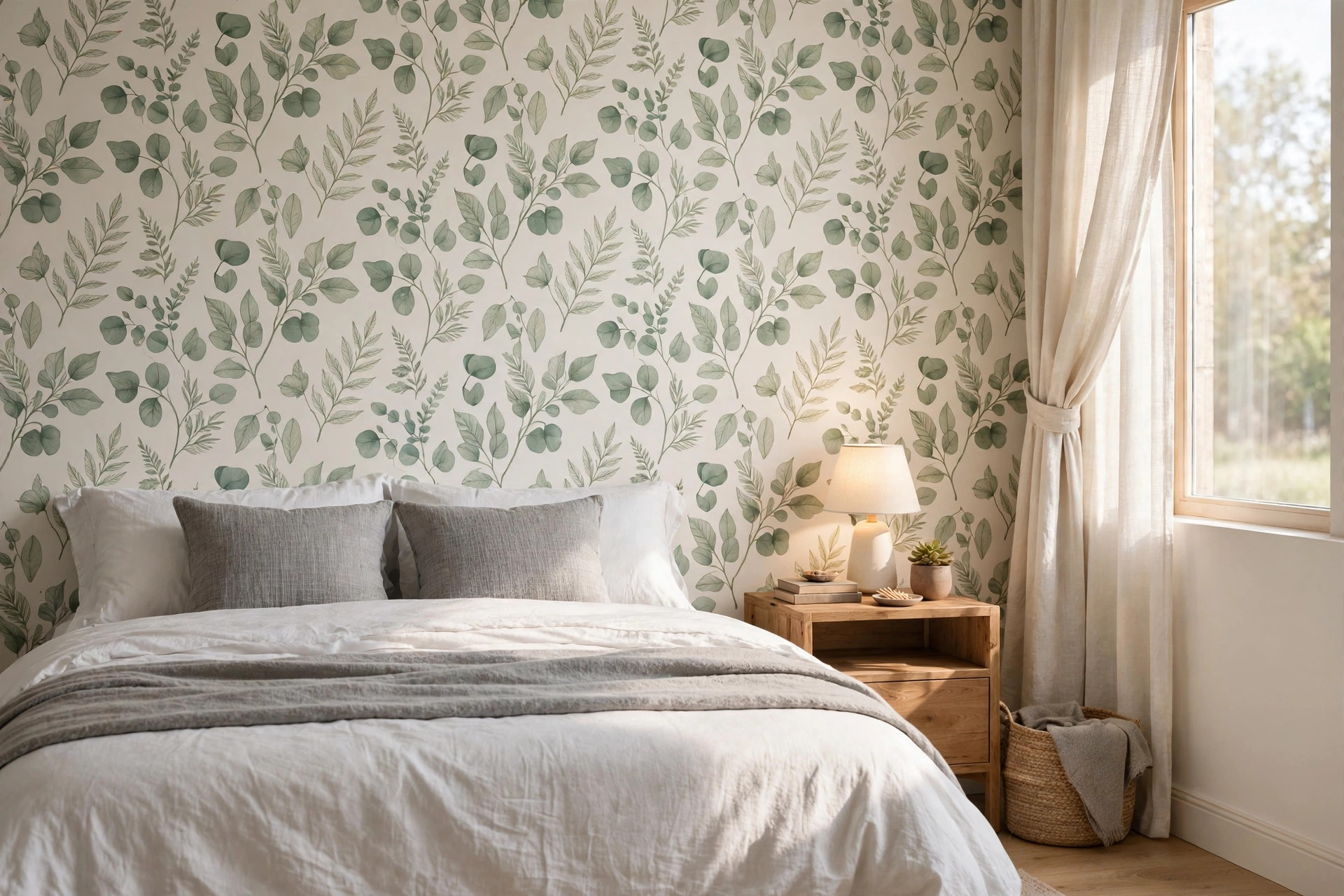

Removable wallpaper for renters reviews usa shoppers read before they buy. Renters want color and pattern on their walls, but most leases ban paint and permanent glue. Removable wallpaper solves that problem. It sticks to the wall, stays put for years, and peels away clean when moving day comes. This guide gathers honest reviews of the most popular options sold in the United States. It explains what works, what fails, and how to pick a product that keeps your security deposit safe.
Why Removable Wallpaper Matters for Renters
A plain white rental can feel cold. Blank walls make a home look unfinished, and many renters want the space to feel like their own. Paint is the usual answer, yet most landlords forbid it or demand the walls be repainted at move-out. That turns a cheap weekend project into a large bill later.
Removable wallpaper gives renters the freedom paint cannot. One accent wall can change the whole mood of a room. A bold print in the dining corner can make a small space feel designed. A soft texture behind the bed can make a bedroom feel calm. None of it is permanent.
Reviews across the country point to the same three benefits. First, it comes off. Good products peel away in full strips and leave no sticky residue. Second, it is forgiving. Most types can be lifted and repositioned during hanging, which helps beginners get straight seams. Third, it costs less than hiring a painter and far less than repaying a landlord for repainting.
There are limits, of course. It does not stick well to rough or dirty walls. It can fail in hot, humid rooms. And very cheap rolls may curl at the edges after a few months. Reading real removable wallpaper for renters reviews usa buyers write will help you avoid those pitfalls.
How to Choose the Right Product: Removable Wallpaper for Renters Reviews Usa
Not all removable wallpaper is made the same. The difference between a smooth year and a peeling mess often comes down to three simple checks.
Check the Adhesive Type
True removable wallpaper uses a low-tack adhesive. It grips the wall but releases when pulled slowly at an angle. Peel-and-stick vinyl is the most common type and the easiest for beginners. Fabric-backed options use a thicker sheet that feels like cloth and hides small wall flaws. Pre-pasted removable rolls need a light mist of water to activate, much like old book-style wallpaper, but they release cleanly.
Avoid anything labeled permanent, even if a seller claims it removes easily. Permanent paste can tear drywall paper and eat your deposit.
Match the Room and the Wall
Smooth, clean, painted walls give the best results. Lightly textured walls can work if the texture is fine, but heavy orange-peel or knockdown texture will show through and weaken the bond. Most reviewers warn against using peel-and-stick products over fresh paint. Let new paint cure for at least three to four weeks first, or the bond may pull paint off with it.
Bathrooms and kitchens need extra care. Steam loosens weak adhesive. Look for products rated for damp rooms, and keep the paper away from the shower splash zone.
Measure Twice Before You Buy
Measure each wall from floor to ceiling, then add two or three inches at the top and bottom for trimming. Measure the full width and divide by the roll width to find how many panels you need. Most sellers list the coverage per roll in square feet. Buy one extra roll beyond your math. Pattern matching and mistakes eat more paper than people expect, and dye lots can shift between orders.
Types of Removable Wallpaper
Reviews fall into three broad groups. Each has loyal fans and clear trade-offs.
Peel-and-Stick Vinyl
This is the workhorse of the removable wallpaper world. It ships as a printed vinyl sheet with a paper backing. You peel the backing, press the top edge to the wall, and smooth it down with a plastic tool or a soft cloth. Air bubbles push out easily while the adhesive is fresh.
Reviewers praise it for price and variety. Thousands of patterns exist, from farmhouse stripes to bold tropical prints. It wipes clean with a damp cloth, which makes it a solid pick for kitchens and entryways. The main complaint is thickness. Cheap vinyl can feel thin and may stretch if you pull it too hard during hanging. For bedrooms, many shoppers start with peel and stick wallpaper for bedrooms reviews before they choose a pattern.
Fabric-Based Removable Panels
Fabric-backed wallpaper feels more like real cloth than plastic. It is thicker, so it hides minor wall flaws and small dents. Many renters say it hangs the easiest of the three types because the fabric resists stretching and wrinkling. Seams lie flat and almost disappear.
The trade-off is cost. Fabric products often cost twice as much per square foot as vinyl. They also come in fewer patterns. But reviewers who tried both often say the fabric version looked more expensive on the wall and removed more cleanly at the end of a lease. If you want a mural wallpaper for living room look, fabric murals are a favorite choice for a big statement wall.
Pre-Pasted Removable Rolls
Pre-pasted rolls work like classic wallpaper but with a gentle adhesive. You wet the back, book the panel for a few minutes, and hang it. The paste gives a strong bond that holds for years, yet it releases with plain water when you move out.
Fans like the professional look and the long hold. Critics say the process is messier and slower than peel-and-stick, and beginners can struggle to align patterns on wet panels. This type suits renters who plan to stay several years and want a finish close to real paper. The home improvement guides at This Old House offer solid advice on hanging traditional-style paper if you go this route.
Cost and Price
Prices vary widely, but the market has a clear range. Budget peel-and-stick rolls run about twenty to forty dollars for a roll that covers around twenty square feet. Mid-range brands with thicker vinyl or fabric run forty to eighty dollars for the same coverage. Premium designer patterns can pass one hundred dollars a roll.
A single accent wall in an average bedroom takes four to six rolls. That puts most projects between one hundred and four hundred dollars. Full rooms double that. Compare that to hiring painters, which often costs several hundred dollars per room, and wallpaper wins on price. Compare it to a coat of paint done by hand, and wallpaper costs more but gives pattern that paint cannot match.
Watch for shipping costs and sample fees. Many sellers offer small samples for a few dollars, and reviewers call samples the best money they spent. A two-dollar sample shows the true color under your own light and lets you test how well the adhesive holds on your exact wall. The paint and wallpaper section at The Home Depot lets shoppers compare many brands side by side, and Lowe’s runs frequent sales on top sellers.
Care and Upkeep
Removable wallpaper needs little care, but a few habits keep it looking fresh. Dust the surface now and then with a dry cloth. Wipe vinyl with a damp sponge when it spots. Avoid harsh cleaners and scrubbing pads, which can dull the print or lift edges.
Heat and steam are the main enemies. Keep it away from stove backsplashes and shower walls unless the product is rated for those spots. In sunny rooms, darker patterns can fade over a few years, so check whether the brand claims fade resistance.
Edge curling is the most common complaint in long-term reviews. It usually starts at corners and seams after a year or two. Pressing the edge back down with a warm, dry cloth often fixes it. If a panel will not stay, a tiny dab of removable wallpaper paste behind the edge can help without risking the wall.
When moving day comes, removal is simple. Start at a bottom corner and pull slowly at a low angle, keeping the strip close to the wall. Work in slow, steady pulls. Most reviewers report the paper comes off in full sheets on well-prepared walls. Any faint residue wipes away with warm water and a soft cloth. The wallpaper removal guides at Bob Vila walk through the steps in detail.
Safety and Your Lease
Removable wallpaper is safe for walls when used as directed, but renters should still protect themselves. Read your lease first. Most leases ban anything that damages walls, and removable wallpaper is fine under those terms. A few strict leases ban all wall coverings, so check before you buy.
Test one panel in a hidden spot, such as behind a door or inside a closet. Leave it for a week, then remove it. If the wall looks unchanged, the product is safe for your walls. Reviewers also suggest photographing bare walls before hanging. Dated photos prove the walls were clean if a dispute arises at move-out.
Fire safety matters too. Standard wallpaper is not fireproof, so keep it away from open flames, space heaters, and stovetops. Ventilate well during hanging, especially with vinyl products that can smell for a day or two.
Frequently Asked Questions
Will removable wallpaper damage my walls?
On properly prepared walls, no. Smooth, clean, fully cured painted drywall gives the best results. Most removable wallpaper for renters reviews usa buyers post say it peels off cleanly after one to three years. Problems happen on fresh paint, dusty walls, or damaged drywall. Always test a hidden spot first.
How long does removable wallpaper last?
Most products hold well for two to five years indoors. Vinyl can last longer in dry rooms. Heat, steam, and direct sun shorten the life. Many renters remove it at lease end with no trouble after three years of wear.
Can I reuse removable wallpaper after taking it down?
Some fabric-based products can be rehung once or twice if removed carefully and kept clean. Most vinyl cannot be reused well because the adhesive loses grip and the sheet stretches. Plan to buy fresh paper if you want the same pattern in a new place.
Does it work on textured walls?
Light texture is usually fine, but heavy texture causes problems. The paper bridges over the bumps, which weakens the bond and lets the pattern look wavy. Some renters in textured homes switch to faux brick wall panels instead, which mount on their own backing and hide texture completely.
Is removable wallpaper safe for bathrooms?
Only if the product is rated for damp areas. Steam loosens standard adhesive and can cause peeling within months. Look for vinyl products labeled bathroom-safe, keep the paper out of the direct shower zone, and run the exhaust fan during showers.
Which brands get the best reviews?
Reviewers most often praise brands with thick material, strong but gentle adhesive, and accurate colors. Mid-priced vinyl from major home stores and fabric options from specialty sellers earn the most consistent praise. The cheapest rolls get the most complaints about thin material and curling edges. Reading room-by-room decorating advice at The Spruce can help you match patterns to your space.
A Final Word
Removable wallpaper earns its place in the renter’s toolkit. It is affordable, forgiving, and kind to walls. The reviews agree on the formula for success: buy a sample, prep the wall, measure twice, and test removal in a hidden spot. Do those four things and you can enjoy patterned walls for your whole lease, then hand the keys back with the deposit intact. For more wall ideas, the design guides at HGTV show how renters style real homes, and the paint color resources at Sherwin-Williams, Benjamin Moore, and BEHR help you pick colors that pair well with your paper.
References
Behr. (n.d.). Paints, primers, and stains. https://www.behr.com Benjamin Moore. (n.d.). Paints and stains. https://www.benjaminmoore.com Bob Vila. (n.d.). Home improvement advice. https://www.bobvila.com HGTV. (n.d.). Home and garden ideas. https://www.hgtv.com Lowe’s. (n.d.). Home improvement products. https://www.lowes.com Sherwin-Williams. (n.d.). Paints and coatings. https://www.sherwin-williams.com The Home Depot. (n.d.). Home improvement products. https://www.homedepot.com The Spruce. (n.d.). Home and garden advice. https://www.thespruce.com This Old House. (n.d.). Home renovation guidance. https://www.thisoldhouse.com
Was this guide helpful?

About Jennifer Lee
The My Garden US editorial team writes practical, in-depth home and garden guides for American homeowners — tested advice, no fluff.
You May Also Like

Faux Brick Wall Panels for Sale USA: A Complete Buying Guide
March 7, 2026 0 views
Drylok vs Behr Basement Paint Comparison
February 24, 2026 0 views
Best Caulk for Baseboards Reviews USA: A Plain Guide to Choosing the Right Tube
April 26, 2026 0 views