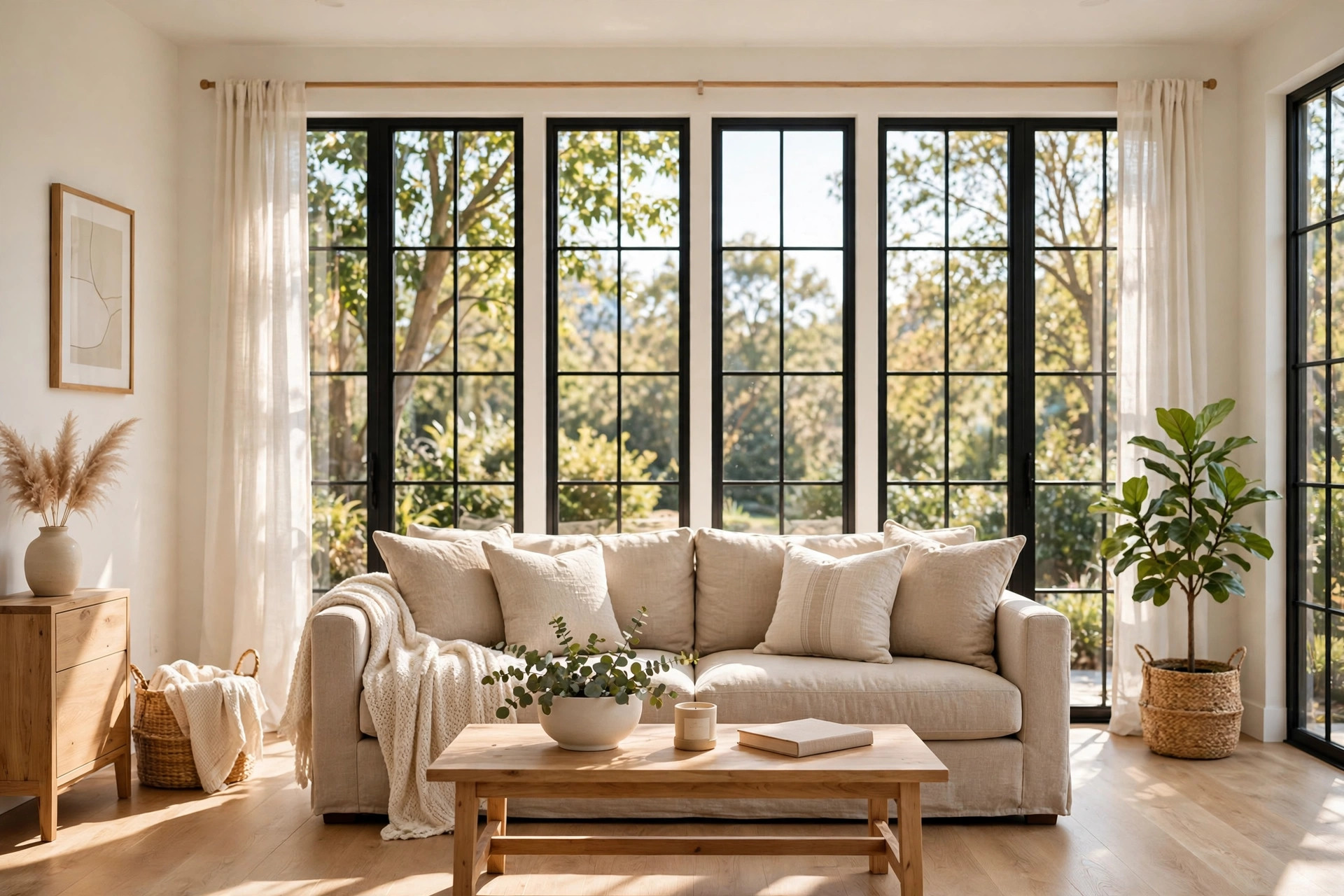

White paint is the most common choice for interior walls in the United States. It is also one of the hardest choices to get right. Walk into any paint store and you will see dozens of white paint chips. They look almost the same. But on your wall, the differences show. One white looks warm and soft. Another looks cold and blue. A third turns yellow in the evening light. This guide to the best white paint for interior walls usa will help you choose with care. It covers the top white paint colors, the finishes that work best, the costs you can expect, and the simple steps that make the job last.
Why White Paint Matters So Much
White is more than a color. It is the background of your whole home. It sets the tone for every room. A good white makes a small room feel larger. It makes natural light reach farther. It lets your furniture, art, and rugs stand out instead of fighting with the walls.
White paint is also practical. It hides patch marks better than dark paint. It matches every style of decor, from farmhouse to modern. And when you sell a home, white walls help buyers see the space instead of the last owner’s taste. Real estate agents have said for years that light, neutral walls help homes sell faster. White is the safest neutral of all.
But not all whites work the same way. A white that looks fresh in a store can look gray or dingy in your hallway. The light in your home changes how white looks. North-facing rooms get cool, blue light. South-facing rooms get warm, golden light. The same can of paint can look like two different colors in two different rooms. That is why testing matters more with white paint than with any other color.
What to Look for When You Choose White Paint: Best White Paint for Interior Walls Usa
Choosing the best white paint for interior walls in the USA comes down to three things: undertone, finish, and quality.
Undertone
Every white has an undertone. It is the faint hint of another color hiding inside the white. The most common undertones are warm (yellow, cream, beige) and cool (blue, gray, green). Some whites have almost no undertone and look truly pure.
Warm whites feel cozy and welcoming. They work well in rooms with little natural light. They also pair well with wood floors and warm furniture. Cool whites feel crisp and modern. They suit bright rooms, kitchens, and bathrooms. But be careful. A cool white in a dark room can feel cold and unwelcoming.
Finish
Finish means how shiny the paint looks when it dries. For walls, most people use flat, matte, eggshell, or satin.
– Flat or matte: No shine. Hides wall flaws well. Best for bedrooms and living rooms. Harder to clean. – Eggshell: A soft, low sheen. A good middle choice for most walls. Wipes clean better than flat. – Satin: A bit more shine. Stands up to washing. Good for kitchens, bathrooms, and hallways. – Semi-gloss: Shiny. Used mostly on trim, doors, and cabinets. Too shiny for whole walls in most homes.
For the best white paint for interior walls, eggshell is the most popular pick. It looks soft but still wipes clean.
Quality
Good paint covers better and lasts longer. Cheap paint may need three coats where good paint needs two. Good paint also resists yellowing and scrubbing damage. The price gap is often small. A few dollars more per gallon can save you a whole extra day of work.
Warm Whites, Cool Whites, and True Whites
Paint makers group whites into families. Knowing the families helps you narrow the field.
Warm whites have yellow or cream undertones. Popular names include Swiss Coffee, White Dove, and Simply White. They feel soft and lived-in. They suit traditional and farmhouse homes. In rooms with warm lighting, they glow gently.
Cool whites have blue or gray undertones. Popular names include Chantilly Lace, Decorator’s White, and Super White. They look sharp and clean. They suit modern homes and bright spaces. In a sunny kitchen, a cool white can look brilliant.
True or neutral whites sit in the middle. They have little visible undertone. They work in many settings but can look flat if the room has poor light.
When you test whites, paint large swatches. Use a poster board, not the wall. Tape it to the wall and look at it in morning light, afternoon light, and at night under your lamps. Colors shift with the light. A sample you only see at noon may surprise you at eight in the evening.
Top White Paint Colors Used in American Homes
The lists below name some of the most trusted white paint colors in the United States. They come from the big brands sold in home stores across the country.
From Benjamin Moore, White Dove is a longtime favorite. It is a warm, soft white that suits almost any room. Simply White is a touch brighter and fresher. Chantilly Lace is one of the cleanest, brightest whites sold, with very little undertone.
From Sherwin-Williams, Alabaster is a warm white that feels calm and inviting. Pure White is a balanced white that works on walls and trim alike. Extra White leans cool and looks crisp in modern spaces.
From Behr, sold at Home Depot, Swiss Coffee is a popular warm white with a soft look. Ultra Pure White is a stark, clean white often used on ceilings and trim.
From Valspar and Glidden, sold at Lowe’s, you can find good budget-friendly whites such as Du Jour and Universal White. They cover well for the price.
No single white is the best for every home. The right white depends on your light, your floors, and your furniture. Test three or four before you buy gallons. A quart of sample paint costs little and saves you from a costly mistake.
How to Test White Paint the Right Way
1. Buy sample quarts of your top three whites. 2. Paint each on its own white poster board, two coats. 3. Tape the boards to the wall in the room you plan to paint. 4. Look at them at three times of day: morning, midday, and evening. 5. Move the boards from wall to wall. Light changes across a room.
This simple test takes a few days but gives you a true answer. Many painting guides from This Old House stress this same point: never choose a color from a small chip alone.
Types of Interior Paint
White paint comes in a few base types. Each has strengths and limits.
Latex (water-based) paint is the standard for interior walls. It dries fast, cleans up with water, and has low odor. Most of the best white paints for interior walls are latex. Modern latex paints are tough and easy to touch up.
Oil-based (alkyd) paint is harder and glossier. It was once common on trim and doors. It is now less used indoors because of strong fumes and slow drying. Some painters still like it for trim because it levels out so smooth.
Zero-VOC and low-VOC paints give off fewer fumes. VOC stands for volatile organic compounds. Low-VOC paints are better for bedrooms, nurseries, and homes with people who have breathing issues. Many top brands now sell low-VOC whites as standard. You can read more about paint safety from The Spruce.
Paint-and-primer in one is paint with primer built in. It works well when you paint over a similar color. If you paint over dark colors, stains, or new drywall, use a separate primer first. Primer helps the white cover in fewer coats.
Cost and Price: What White Paint Costs in the USA
Paint costs vary by brand and quality. Here are rough ranges for interior white paint in the United States.
– Budget paint: $20 to $30 per gallon. Covers basic walls. May need three coats. – Mid-range paint: $35 to $50 per gallon. Good coverage in two coats. The best value for most homes. – Premium paint: $55 to $80 per gallon. Best coverage and durability. Worth it for high-traffic rooms.
One gallon of paint covers about 350 to 400 square feet with one coat. A standard 12-by-12-foot bedroom needs about two gallons for two coats on the walls. Add primer cost if the walls are dark or stained.
If you hire a painter, labor is the big cost. Professional interior painting in the USA often runs $2 to $6 per square foot of wall space, or $300 to $800 for one average room. Doing it yourself saves most of that. White paint is a good DIY project because mistakes are easy to fix. For more on paint budgets and ideas, HGTV offers room-by-room guides.
How to Paint Interior Walls White: Simple Steps
A good paint job is mostly good prep. Follow these steps for a clean result.
1. Clear the room. Move furniture to the center. Cover it with drop cloths. Take down curtains and outlet covers. 2. Clean the walls. Wipe dust and grime with a damp cloth. Kitchen walls may need a degreaser. 3. Repair flaws. Fill nail holes and cracks with spackle. Sand smooth when dry. 4. Tape trim. Use painter’s tape on baseboards, window frames, and door frames. Press it down firmly. 5. Prime if needed. Use primer over dark paint, stains, or bare drywall. 6. Cut in the edges. Use a brush to paint a two-inch band around the edges, corners, and trim. 7. Roll the walls. Use a roller in a W pattern. Work in sections about three feet wide. Keep a wet edge so marks do not show. 8. Apply two coats. Let the first coat dry fully. Then apply the second. 9. Remove tape carefully. Pull it off while the paint is slightly damp for the cleanest line.
White paint shows roller marks more than color paint does. Use a good roller cover with a 3/8-inch nap for smooth walls. Do not press too hard. Let the roller do the work.
If you plan a bold feature wall elsewhere in the room, read up on accent wall painting ideas for living rooms before you start. And if your cabinets need a fresh look too, see our notes on the best paint for kitchen cabinets usa reviews. For a no-paint option in a bedroom, peel and stick wallpaper for bedrooms reviews covers removable choices.
Care and Upkeep for White Walls
White walls look best when they stay clean. The good news is that white shows dirt, so you notice it early. The bad news is that white shows dirt.
– Dust often. Wipe walls with a dry microfiber cloth or a duster every few months. – Spot clean. Use a damp sponge with mild soap for marks. Rub gently. Scrubbing hard can wear the finish. – Touch up. Keep a small jar of leftover paint for each room. Touch up scuffs with a small brush or roller. – Watch high-touch areas. Hallways, stairwells, and areas near light switches collect marks fastest. A satin finish in these spots makes cleaning easier. – Repaint on schedule. Most interior walls need fresh paint every 5 to 7 years. Kitchens and bathrooms may need it sooner.
Eggshell and satin finishes handle cleaning better than flat. If you have kids or pets, choose at least eggshell for the main rooms.
Safety Tips for Painting Indoors
Painting is safe work, but a few habits keep it safer.
– Ventilate. Open windows and run a fan. Fresh air carries fumes out. – Choose low-VOC paint for bedrooms and children’s rooms. – Protect your skin and eyes. Wear old clothes, gloves, and safety glasses when sanding or priming. – Use ladders safely. Keep the ladder on flat ground. Do not stand on the top step. – Keep paint away from children and pets. Store cans sealed and out of reach. – Dispose properly. Let leftover paint dry out, or take it to a local paint recycling drop-off. Do not pour paint down drains.
Frequently Asked Questions
What is the most popular white paint color in the USA?
Benjamin Moore White Dove and Sherwin-Williams Alabaster rank among the most used whites in American homes. Both are warm, soft whites that suit many rooms. But popularity does not mean it is right for your light. Always test before you commit.
Should ceilings be the same white as the walls?
Many painters use the same white on walls and ceilings for a clean, seamless look. Others use a flat bright white on the ceiling to make it recede. If your ceiling is textured, flat white hides flaws best. Either way works. It is a matter of taste.
Can I paint white over dark walls?
Yes, but use primer first. A good stain-blocking primer covers dark color in one coat. Then two coats of white paint finish the job. Skipping primer over dark walls can leave you painting three or four coats, which costs more in paint and time.
Which white paint finish is best for bedrooms?
Eggshell is the best all-around finish for bedroom walls. It looks soft and calm. It also wipes clean when marks appear. Flat or matte also works in adult bedrooms with little traffic, but it marks more easily.
Does white paint make a room look bigger?
Yes. Light colors reflect more light, and that makes walls feel farther away. White is the best color for making a small room feel open. Pair it with light floors and simple furniture for the biggest effect.
How do I stop white paint from looking yellow?
Yellowing often comes from oil-based paint, poor ventilation, or lack of sunlight. Use a quality latex white paint. Keep rooms aired out. In rooms with little sun, pick a white with a slight cool undertone rather than a warm one, so it stays fresh.
A Short Final Word
The best white paint for interior walls in the USA is the one that suits your light, your home, and your life. Start with the trusted names. Test large samples on your own walls. Choose eggshell for most rooms. Prep well, paint two coats, and clean gently. Do that, and your white walls will stay bright and welcoming for years.
References
Behr. (n.d.). Paints, primers, and stains. https://www.behr.com Benjamin Moore. (n.d.). Paints and stains. https://www.benjaminmoore.com Bob Vila. (n.d.). Home improvement advice. https://www.bobvila.com HGTV. (n.d.). Home and garden ideas. https://www.hgtv.com Lowe’s. (n.d.). Home improvement products. https://www.lowes.com Sherwin-Williams. (n.d.). Paints and coatings. https://www.sherwin-williams.com The Home Depot. (n.d.). Home improvement products. https://www.homedepot.com The Spruce. (n.d.). Home and garden advice. https://www.thespruce.com This Old House. (n.d.). Home renovation guidance. https://www.thisoldhouse.com
Was this guide helpful?

About James Carter
The My Garden US editorial team writes practical, in-depth home and garden guides for American homeowners — tested advice, no fluff.
You May Also Like

House Painting Estimate Free Near Me: What Every Homeowner Should Know
May 28, 2026 0 views
Magnetic Paint for Home Office Walls USA
July 9, 2026 0 views
Best Paint for Metal Fence USA: A Practical Guide for Homeowners
January 10, 2026 0 views