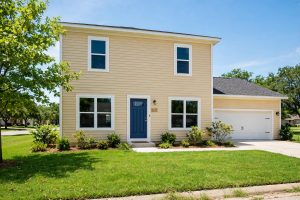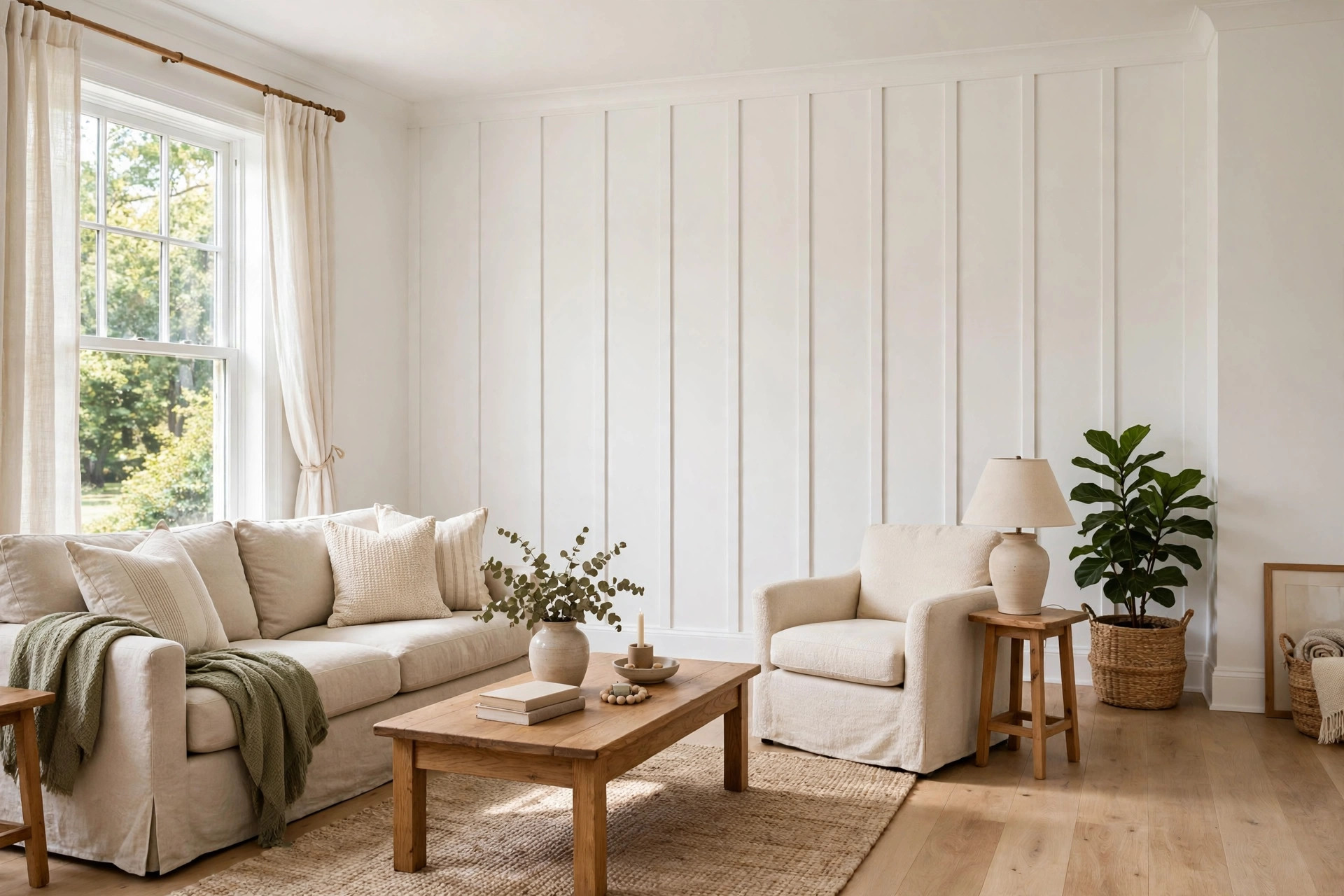

Board and batten wall treatment has moved from old farmhouses into modern homes across the country. The look is simple. Wide flat boards sit against the wall. Narrow strips of wood, called battens, cover the seams between them. The result is a wall with clean vertical lines and quiet depth. When you research the board and batten installation cost in the USA, you will find a wide range of prices. Some projects cost only a few hundred dollars. Others run into several thousand. The difference comes down to the size of the job, the materials you choose, and whether you hire a contractor or do the work yourself. This guide explains what drives the price and gives typical cost ranges for both interior and exterior work.
Why Board and Batten Appeals to Homeowners
Board and batten offers style at a fair price. It suits farmhouse, cottage, colonial, and modern interiors. A single accent wall can change the feel of a room without a full remodel. Painted white, it looks crisp and bright. Painted in a deep green or navy, it looks rich and bold. Left natural with stain, it brings warmth to a space.
The treatment is also tough. Wood battens stand up well to bumps and scuffs. That makes it a good choice for entryways, hallways, and mudrooms where walls take a beating. It hides small flaws in drywall too.
Many owners see it as a smart upgrade for resale. Buyers respond to finished details. A well done accent wall signals care. It photographs well for listings. While no single feature sells a house on its own, trim work like this adds to the overall impression of quality. For design ideas before you start, many homeowners browse wall treatment ideas and design inspiration to settle on a style and color.
What Drives the Board and Batten Installation Cost in the USA: Board and Batten Installation Cost Usa
No two projects cost the same. Several factors shape the final bill. Knowing them helps you read a contractor quote and spot where you might save money.
Size of the Project
Size is the biggest factor. Installers often price by the square foot of wall covered. Some price by the linear foot of batten installed. A small accent wall of 80 square feet costs far less than a full room or a whole house exterior. Measure each wall before you get quotes. Note the height too. Walls over 9 feet tall cost more because they need longer boards, more material waste, and often a ladder or scaffold.
Openings add labor. Doors, windows, outlets, and switches force the installer to cut boards and battens around them. Each cut takes time. A plain wall is fast. A wall full of openings is slow. Expect the price per square foot to rise when the layout is complex.
Choice of Materials
Material choice moves the price up or down. Medium density fiberboard, known as MDF, is the cheapest common option for interior work. It paints smooth and costs little. Pine is a step up. It is real wood, light, and easy to cut. Poplar costs more but holds paint well and resists dents. Cedar and redwood suit exterior work because they resist rot and insects. Fiber cement and PVC boards cost the most but last long outside with little upkeep.
Paint grade materials cost less than stain grade. If you plan to paint, you do not need flawless wood. If you plan to stain, you need boards with attractive grain and no knots, which cost more. For paint and finish options, check paint products and quality interior paints for colors and sheen guidance.
Labor Rates and Where You Live
Labor is the largest part of most quotes. Finish carpenters in the United States commonly charge between 35 and 75 dollars per hour. Rates run higher in large cities and coastal areas. They run lower in small towns and rural regions. A simple accent wall may take a skilled carpenter one day.
Get at least three written quotes. Ask each contractor to break out materials and labor. Ask how they handle paint, caulk, and trim. A clear quote lets you compare offers fairly.
Prep Work, Paint, and Trim
Prep work adds cost that owners often forget. Old baseboards may need removal. Drywall may need patching. Gaps need caulk. Every board needs primer and usually two coats of paint. Some quotes include painting. Others cover only the carpentry, leaving you to hire a painter or paint yourself. Confirm this before you sign. For step by step trim carpentry methods, trim carpentry how-to guides explain the standard process.
Common Types and Options
True board and batten uses full boards placed side by side with battens over the seams. This was the original method on barns and farmhouses. It gives real depth and shadow lines. It also uses the most material.
Applied board and batten is more common indoors today. Thin battens are nailed directly over existing drywall in a grid or vertical pattern. The drywall acts as the “board” layer. This method uses less material and goes faster, so it costs less. Most interior accent walls in American homes use this applied method.
Height varies. Some owners stop the treatment at chair rail height, about 32 to 36 inches. This is closer to wainscoting in look. If you are comparing options, read reviews of wainscoting installation services near me to see how that style is priced in your area. Others run the battens full height to the ceiling. Full height looks dramatic but uses more material and labor.
Spacing varies too. Traditional layouts space battens 12 to 24 inches apart. Tight spacing looks formal. Wide spacing looks casual. Your contractor can show you samples of each.
Typical Price Ranges You Can Expect
Numbers below are national averages for 2026. Your market may differ. Use them for planning, not as firm quotes.
For interior work, expect 7 to 12 dollars per square foot installed with a painted finish. An 80 square foot accent wall then runs about 1,000 to 2,000 dollars. The applied method, with battens over drywall, often falls at the lower end, around 4 to 8 dollars per square foot. Some contractors quote per linear foot of batten, usually 2 to 5 dollars per foot, plus the cost of boards or panels.
Materials alone, without labor, run about 1 to 3 dollars per square foot for MDF or pine. Paint, primer, caulk, and fasteners add roughly 100 to 200 dollars for a single wall. If a contractor also removes old trim, repairs drywall, and paints, add 300 to 600 dollars to the job.
If you are weighing similar wall treatments, the shiplap wall installation cost per square foot is often close to board and batten, sometimes a little higher because shiplap boards cover the full wall. For trim work above the wall, the crown molding installation cost per linear foot is another figure worth comparing when you plan a full room upgrade.
For exterior work, expect 6 to 12 dollars per square foot installed for wood board and batten siding. Fiber cement versions run 8 to 14 dollars per square foot. A 1,500 square foot home exterior can therefore cost 9,000 to 21,000 dollars depending on material. Exterior jobs need weatherproof details: house wrap, flashing, and exterior rated paint or stain. These add to both material and labor cost.
Interior vs Exterior: How the Cost Differs
Interior and exterior projects are different trades in practice. Interior work happens in a controlled space. Boards stay dry. Standard MDF or pine works fine. Painting is simple. Labor moves fast.
Exterior work faces weather. Boards must resist rain, sun, and insects. Cedar, redwood, fiber cement, or treated pine are the usual picks. Each costs more than interior MDF. The wall behind the boards needs a weather barrier. Seams need flashing. Fasteners must resist rust. Paint or stain must be rated for outdoor use, and it needs more coats. Scaffolding or tall ladders add time and cost. For these reasons, exterior board and batten often costs 50 to 100 percent more per square foot than interior work.
Permits can apply to exterior siding but rarely to interior accent walls. Check with your city or county before exterior work starts. A permit fee of 100 to 300 dollars is common where one is required.
Doing the Work Yourself or Hiring a Contractor
A handy owner can install applied board and batten over drywall. The tools are basic: a tape measure, a level, a miter saw, a brad nailer, caulk, and paint supplies. Materials for one accent wall often cost 200 to 500 dollars. Many owners finish a single wall in a weekend. Detailed DIY instructions walk through measuring, cutting, and nailing for beginners.
Hiring a contractor makes sense in several cases. Tall walls and stairwells need safe ladder work. Exterior siding needs weatherproofing skill. Walls with many outlets need careful electrical handling; always turn off power at the breaker before cutting around boxes. If you want a flawless painted finish, a pro painter earns the fee. Poor caulk lines and visible nail holes ruin the look. Good home improvement advice can help you judge whether your skill level matches the job.
To hire well, ask for photos of past trim work. Ask for references. Ask whether the quote includes paint. Ask how they protect floors and furniture. A careful contractor answers all of this without hesitation. Never pay the full amount up front. A deposit of one third is standard, with the balance due when the work is done to your satisfaction.
Care and Upkeep
Board and batten needs little care. Dust the battens with a soft cloth or a vacuum brush every few months. Dust collects on the top edges of horizontal pieces. Wipe scuffs with a damp cloth. Touch up paint chips as they appear. A small jar of the original paint makes this easy.
Check caulk lines once a year. Caulk shrinks over time, mostly where battens meet the ceiling or baseboard. A thin new bead keeps the lines crisp and blocks drafts. On exterior siding, check for peeling paint, cracked boards, and insect damage each spring. Repaint exterior wood every 5 to 8 years. Fiber cement holds paint longer, often 10 to 15 years. Keep sprinklers from soaking the siding. Trim plants back so air flows behind the boards.
Safety Notes
Trim work is safe when done with care. Wear safety glasses when cutting. Wear a dust mask when sanding MDF, which makes fine dust. Keep the work area clear of cords and offcuts. Use a sturdy ladder on level ground, and keep three points of contact when climbing.
If your home was built before 1978, test for lead paint before you sand, scrape, or disturb old paint. Lead dust is a serious health risk, especially for children and pregnant women. Test kits are sold at hardware stores, and certified inspectors can test for you. If lead is present, hire a certified lead safe contractor. You can buy tools and test kits from lumber and trim suppliers or tools and materials retailers, and find paint color guidance for lead safe repainting practices.
Turn off power at the breaker before working around outlets and switches. Use a non contact voltage tester to confirm the power is off. Keep a fire extinguisher nearby when using heat guns to strip old paint.
Frequently Asked Questions
What is the average board and batten installation cost in the USA? For interior work, most homeowners pay 7 to 12 dollars per square foot installed with paint. A single 80 square foot accent wall usually costs 1,000 to 2,000 dollars. Exterior siding runs 6 to 14 dollars per square foot depending on material.
Is board and batten cheaper than shiplap? Often yes. Applied board and batten uses battens over drywall, so it needs less wood than full shiplap coverage. True board and batten with full boards costs about the same as shiplap. Compare the shiplap wall installation cost per square foot with quotes for your wall before you decide.
How long does installation take? A pro can finish a single accent wall in one day, plus drying time for paint. A full room takes two to four days. Exterior siding on a house takes one to two weeks. DIY owners should double these times.
Can board and batten go over existing drywall? Yes. This is the most common interior method. Battens are nailed through the drywall into the studs. The drywall serves as the board layer. It saves material and labor compared with full boards.
Does board and batten add value to a home? It can help. Trim upgrades improve how buyers see a home. The return is hard to measure alone. Treat it as a style and enjoyment upgrade first, and a resale plus second.
Should the boards run vertical or horizontal? Vertical is traditional for board and batten. It makes ceilings look taller. Horizontal layouts look modern but need careful planning around studs. Either works if the nailing and caulk are done well.
A Short Final Word
Board and batten remains one of the best value upgrades in home decor. It costs less than many remodels. It suits many styles. It wears well in busy rooms. Plan the size and material first. Get clear written quotes. Decide honestly whether your skills match the job. Do that, and the board and batten installation cost in the USA becomes a number you control, not a surprise. The finished wall will reward the effort every day you see it.
References
Behr. (n.d.). Paints, primers, and stains. https://www.behr.com Benjamin Moore. (n.d.). Paints and stains. https://www.benjaminmoore.com Bob Vila. (n.d.). Home improvement advice. https://www.bobvila.com Family Handyman. (n.d.). DIY home repair and maintenance. https://www.familyhandyman.com HGTV. (n.d.). Home and garden ideas. https://www.hgtv.com Lowe’s. (n.d.). Home improvement products. https://www.lowes.com Sherwin-Williams. (n.d.). Paints and coatings. https://www.sherwin-williams.com The Home Depot. (n.d.). Home improvement products. https://www.homedepot.com The Spruce. (n.d.). Home and garden advice. https://www.thespruce.com This Old House. (n.d.). Home renovation guidance. https://www.thisoldhouse.com
Was this guide helpful?

About Jennifer Lee
The My Garden US editorial team writes practical, in-depth home and garden guides for American homeowners — tested advice, no fluff.
You May Also Like
Concrete Stain for Patio Reviews USA: A Plain Guide to Lasting Color
July 5, 2026 0 views
Chalk Paint for Furniture: Where to Buy USA
June 30, 2026 0 views
The Best Paint for Cinder Block Exterior Walls in the USA
January 2, 2026 0 views