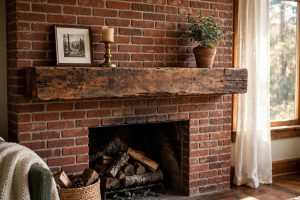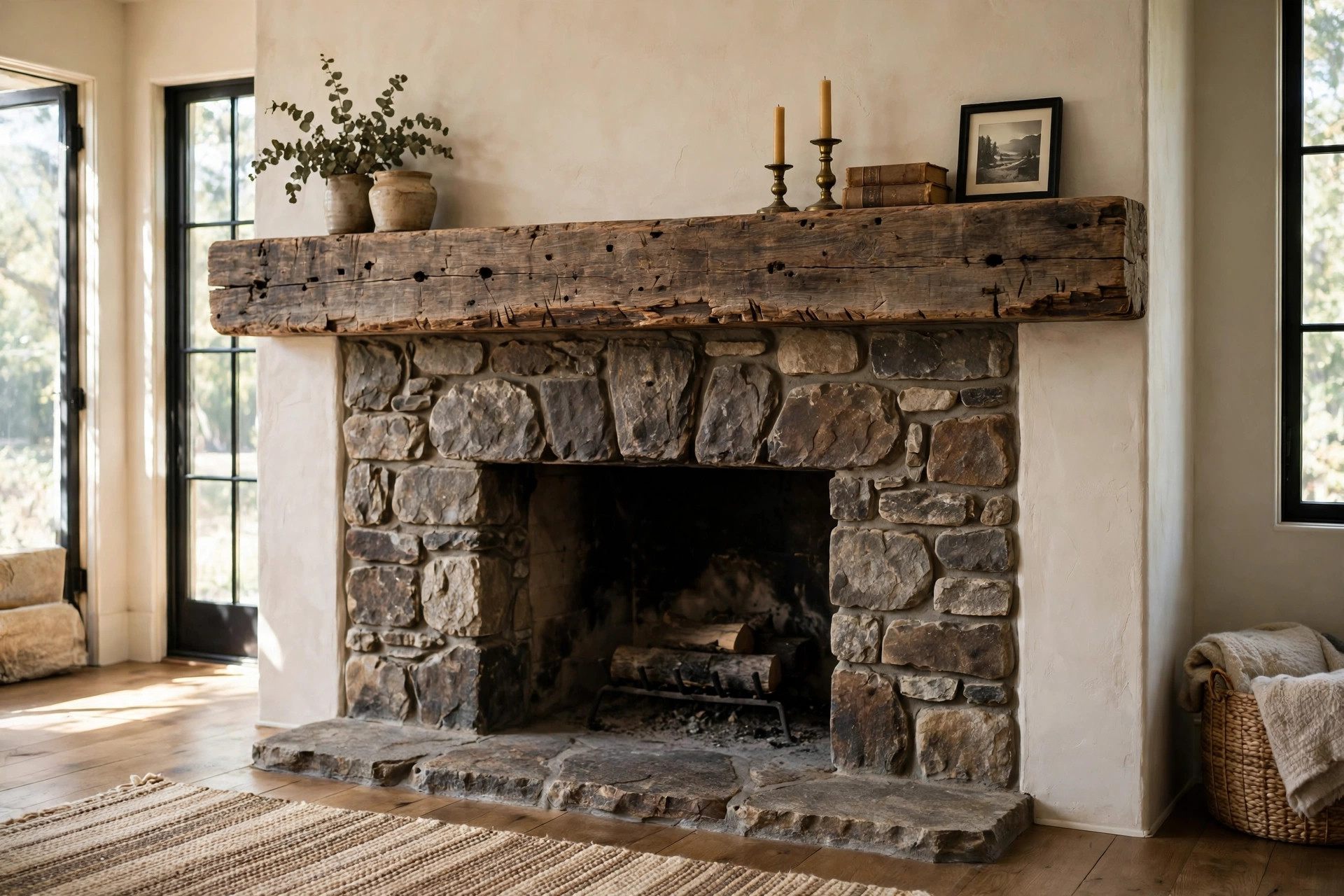
A mantel can change the whole feel of a room. Few choices do it better than a beam of reclaimed wood. Old barn boards and hand-hewn beams carry marks of age that no new lumber can copy. But prices vary a great deal. A small shelf made of salvaged pine may cost less than a dinner out, while a massive old-growth oak beam can cost as much as a used car. This reclaimed wood mantels price comparison usa buyers can use will walk through typical price ranges, what drives the cost up or down, and how to shop with care.
Why a Reclaimed Wood Mantel Matters
A mantel is the frame of the fireplace. It draws the eye and sets the tone. Reclaimed wood brings texture, history, and warmth. Each beam has nail holes, saw marks, and a grain pattern shaped by decades of use. Homeowners like this look because it feels honest. It does not shout. It settles into a room and makes it feel lived in.
There is a practical side too. Old lumber is often harder and more stable than new wood. Beams cut a century ago came from slow-grown trees with tight grain. They have already shrunk and settled, so they move less with the seasons. That makes them good stock for a mantel that must stay flat and true above a firebox.
Demand has grown in the last ten years. Farmhouse style, lodge looks, and rustic decor all favor old wood. As demand rose, so did prices. Knowing the market helps you buy well.
Typical Price Ranges in the USA: Reclaimed Wood Mantels Price Comparison Usa
This is the heart of any reclaimed wood mantels price comparison usa shoppers rely on. Prices depend on size, wood type, finish, and where you buy. The ranges below cover what most buyers see in stores and online.
Small shelf mantels (48 to 60 inches long, 4 to 6 inches thick): $80 to $350. These are simple floating shelves made from salvaged boards. Pine and fir sit at the low end. Oak and walnut sit higher.
Standard beams (60 to 72 inches long, 6 to 8 inches thick): $250 to $800. This is the most common size for a full mantel over a firebox. Expect to pay more for hand-hewn faces and wide beams.
Large and oversized beams (72 to 96 inches or longer, 8 inches thick or more): $600 to $2,500 and up. Old-growth oak, chestnut, and rare species land at the top of this range.
Custom and carved pieces: $1,000 to $5,000 or more. One-of-a-kind beams, mantels with carved detail, or matched sets from a single barn command premium prices.
Prices also swing by region. In the Midwest and South, where old barns are common, prices run lower. On the coasts and in cities, expect to pay 20 to 40 percent more for the same beam. Shipping a heavy beam across the country can add $100 to $300, so local pickup saves real money.
What to Look for When Choosing
Not all old wood is equal. Use these points to judge quality before you buy.
Wood Species
Oak is the workhorse. It is hard, heavy, and takes a finish well. Pine and fir are lighter and cheaper, with softer grain. Walnut and cherry cost more and show rich color. Chestnut is rare and prized. Ask the seller to name the species. A seller who cannot answer may not know what they are selling.
Age and Character
Real reclaimed wood shows honest wear. Look for patina, old nail holes, and weather checks. Be wary of “reclaimed style” pieces that are new wood stained to look old. There is nothing wrong with new wood, but it should not carry a reclaimed price.
Size and Fit
Measure your firebox and the wall above it. A mantel should extend past the firebox opening on both sides, often by 6 to 12 inches. Check the depth too. A beam that sticks out too far can look clumsy. Write down your numbers before you shop.
Dryness and Soundness
Old wood can hide rot or bugs. Tap the beam and listen. Solid wood sounds firm. Soft spots, crumbling edges, or fresh sawdust piles are warning signs. Kiln-dried or heat-treated stock is best, since the heat kills insects and sets the moisture level.
Types and Options on the Market
Rough-sawn beams. These keep the original saw marks and a rugged face. They suit rustic rooms and cabins.
Hand-hewn beams. Shaped long ago with an adze, they show broad axe marks. They are the most prized and the priciest.
Smooth-planed mantels. Old wood planed flat and finished smooth. They fit rooms that want character without roughness.
Corbel-mounted shelves. Short brackets, called corbels, hold a lighter shelf. This style works where a full beam is too heavy.
Floating mantels. Hidden steel brackets carry the beam with no visible support. The look is clean and modern while the wood stays rustic.
Shoppers often compare these mantels with other fireplace parts. If you are also weighing high efficiency gas log sets for sale, plan the firebox and mantel together so clearances match. A mantel chosen first can box you into awkward choices later.
Cost and Price: What Drives the Numbers
Several factors move the price more than any one store’s markup.
– Species and rarity. Oak is common. Chestnut and heart pine cost more. – Size. Longer and thicker beams cost more, and the price jumps fast above 72 inches. – Finish work. A raw beam is cheapest. Sanding, sealing, and mounting hardware add cost. – Provenance. Wood with a story, such as beams from a known 1800s barn, sells for more. – Labor. De-nailing, cleaning, and kiln-drying old lumber is slow work. That labor sits inside the price. – Retail channel. Salvage yards are often cheapest. Specialty decor stores charge the most. Online sellers fall in the middle but add shipping.
For a fuller picture of how mantel budgets fit with the rest of a hearth project, readers sometimes check guides on tile fireplace surrounds and electric fireplace mantels to compare whole-project costs.
When comparing quotes, ask each seller the same questions. What species is it? What are the exact dimensions? Is it kiln-dried? What is included: mounting brackets, finish, delivery? A price without these answers is not a real comparison.
Reading a Quote Like a Pro
Two quotes for a “reclaimed oak mantel” can differ by hundreds of dollars and still both be fair. One may be a rough beam with no finish and no brackets. The other may be planed, oiled, and ready to hang with steel hardware. Write the details side by side: length, thickness, species, finish, hardware, delivery, and return terms. Then the true price gap shows itself. Never judge by the headline number alone. The cheapest quote often costs more once you add the missing pieces.
Care and Upkeep
Reclaimed wood needs little care, but it is not care-free.
Dust it often with a dry cloth. Once or twice a year, wipe it with a damp cloth and let it dry fully. Avoid soaking the wood. If the beam is sealed with wax or oil, reapply once a year to keep the surface fed.
Keep the mantel clear of the firebox heat. Most codes and makers call for a set distance between the mantel and the fire opening. Wood too close to heat can dry, crack, or in the worst case char. When in doubt, mount it higher or choose a deeper firebox design.
Watch for pests. Old beams can harbor powder-post beetles. Small round holes and fine powder are signs of trouble. Heat-treated stock rarely has this problem, which is one more reason to buy from a careful seller.
Refinishing is simple. A light sanding and a fresh coat of oil or wax will renew the surface. Never use harsh strippers on old wood. They can lift the patina that gives the piece its value.
Safety Around the Hearth
A mantel is decor, but it sits near fire. Respect that.
Follow clearance rules. The U.S. Consumer Product Safety Commission and the Environmental Protection Agency both publish guidance on safe hearth practices, and your stove or fireplace maker lists required clearances in its manual. Keep those distances.
Mount the beam to structure, not just to drywall. A 70-pound beam falling from a wall can hurt someone badly. Use lag bolts into studs or masonry anchors, and test the mount by hanging your weight on it before you call the job done.
Keep mantel decor away from open flame. Dried flowers, paper garlands, and thin fabrics catch fire fast. Battery candles give the glow without the risk.
If you burn wood, have the chimney swept once a year. Creosote buildup is the leading cause of chimney fires, and no mantel looks good above a damaged flue. Advice on hearth care from sources like This Old House and Family Handyman is worth reading before each heating season.
Where to Shop
Salvage yards and architectural reclaim shops are the classic source. You can see and touch the beams, and prices are often fair. Bring your measurements and a tape measure.
Online marketplaces carry a wide range. Large retailers such as Home Depot and Lowe’s stock reclaimed-look and true reclaimed mantels, and specialty makers like Napoleon and Heatilator sell complete hearth lines that pair with wood mantels. Design guidance from The Spruce can help you picture the finished look before you buy.
Estate sales and farm auctions can yield bargains, but you must know how to judge the wood on the spot. Take a friend with a truck and strong arms.
No matter the source, get the return policy in writing. A beam that looks fine in a photo may disappoint in person. A fair seller stands behind the piece.
FAQ
How much does a reclaimed wood mantel cost on average?
Most buyers pay $250 to $800 for a standard 60 to 72 inch beam. Small shelves start near $80. Large or rare beams run past $1,500.
Is reclaimed wood cheaper than new wood?
Not always. Cheap salvaged pine can beat new lumber, but cleaned, dried, and finished old beams often cost more than new stock. You pay for the labor and the character.
How can I tell real reclaimed wood from fake?
Look for honest wear: old nail holes with dark stains, uneven patina, and weathering on all faces. New wood made to look old tends to look too even. Ask for the wood’s source and species.
Do reclaimed mantels need special mounting?
Heavy beams need strong mounts. Use lag bolts into wall studs or masonry anchors, plus the bracket kit the seller provides. Floating mantels use hidden steel rods set deep into the beam.
Can I install a reclaimed mantel over a gas fireplace?
Yes, in most cases. Gas units run cooler than wood fires, but you must still follow the maker’s clearance rules. Keep the mantel at or above the stated height.
Will a reclaimed beam crack over time?
Small checks and cracks are normal in old wood and add character. Big splits that grow year to year mean the beam was not dried well. Buy kiln-dried stock to avoid this.
A Final Word
A reclaimed wood mantel is one of the best buys in home decor when you shop with open eyes. Compare prices on equal terms: same species, same size, same finish, same included hardware. Buy from sellers who can tell you where the wood came from and how it was prepared. Mount it with care and keep it clear of heat. Do that, and the beam above your fire will earn its place for another hundred years.
References
Family Handyman. (n.d.). DIY home repair and maintenance. https://www.familyhandyman.com Heatilator. (n.d.). Fireplaces and fireplace products. https://www.heatilator.com Lowe’s. (n.d.). Home improvement products. https://www.lowes.com Napoleon. (n.d.). Fireplaces, grills, and heating products. https://www.napoleon.com The Home Depot. (n.d.). Home improvement products. https://www.homedepot.com The Spruce. (n.d.). Home and garden advice. https://www.thespruce.com This Old House. (n.d.). Home renovation guidance. https://www.thisoldhouse.com U.S. Consumer Product Safety Commission. (n.d.). Product safety information. https://www.cpsc.gov U.S. Environmental Protection Agency. (n.d.). Protecting human health and the environment. https://www.epa.gov

About David Wilson
The My Garden US editorial team writes practical, in-depth home and garden guides for American homeowners — tested advice, no fluff.
You May Also Like
High Efficiency Gas Log Sets for Sale: What to Know Before You Buy
July 5, 2026 0 views
Energy Efficient Stone Fireplace Surrounds for Sale
July 31, 2026 0 views
Buy Fire Starters and Kindling Online in Colorado
September 23, 2026 0 views