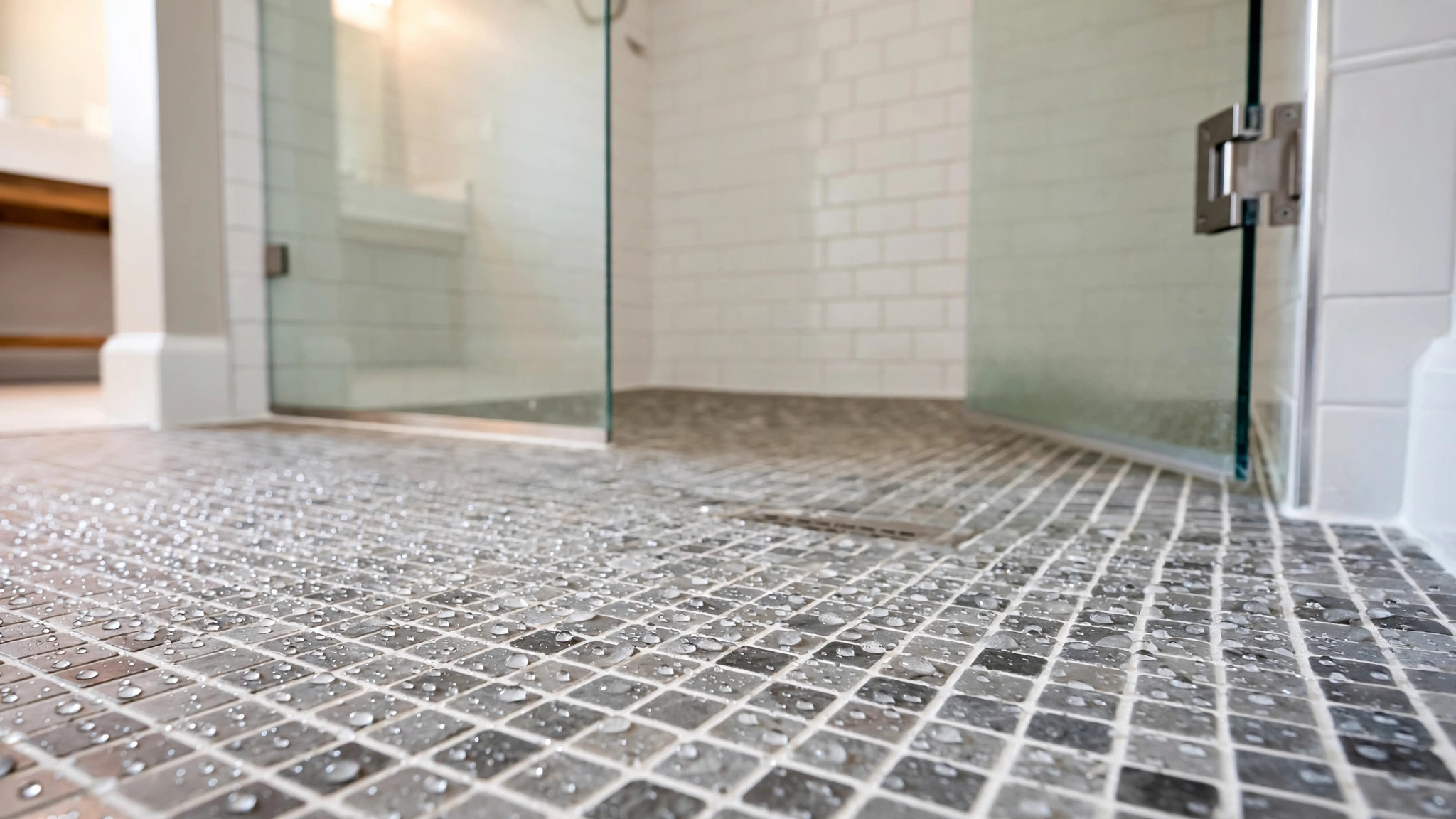

The shower floor is the hardest working surface in the bathroom. It takes hot water, soap, and foot traffic every day. When you search for the best grout for shower floor reviews usa, you will find dozens of opinions. Some swear by epoxy. Others stick with good old cement grout. This guide gathers what those reviews say and explains the facts behind them, so you can pick the right grout for your own shower.
Why Shower Floor Grout Matters
Grout is the mortar that fills the gaps between tiles. On a shower floor it does more than look nice. It keeps water from seeping under the tile. It holds each tile in place. It gives your feet grip when the floor is wet.
A bad grout choice shows up fast. Lines crack. Stains set in. Mold takes hold in the pores. In the worst case, water gets through to the subfloor and rots the wood below. That turns a small tile job into a full rebuild. The right grout, applied well, can last ten to twenty years with normal care.
How to Choose the Right Grout: Best Grout for Shower Floor Reviews Usa
Before you trust any review, know your own shower. Reviews only help when they match your case.
Understand Your Tile
Small mosaic tiles are the classic shower floor choice. They give many grout lines, and those lines give grip. Pebble tile is another popular pick. Large tiles are fine for shower walls, but on a shower floor they can be slippery and they do not follow the slope of the pan as well. If you are planning the rest of the bathroom too, you may also read about large format tile for small bathrooms, which suits walls and main floors.
Think About the Pan
The shower floor should slope toward the drain, about one quarter inch per foot. Grout must handle standing water near the drain and constant wetting and drying. Thin grout lines under one eighth of an inch work with unsanded grout. Wider lines need sanded grout so the mix does not shrink and crack.
Match Grout to Water Exposure
A hall bathroom used by kids gets heavy traffic and soap. A guest shower used once a month needs less toughness. Steam showers are the hardest case of all. Heat and steam push moisture into every pore, so only stain-proof grouts make sense there.
Types of Grout for Shower Floors
Every review of grout comes back to three main types. Each has real strengths and real limits.
Cement Grout
Cement grout is the old standard. It is made of Portland cement, sand, and water. It comes in two forms. Sanded grout has fine sand mixed in. It suits joints one eighth of an inch and wider. Unsanded grout has no sand. It suits thin joints and delicate tile.
Cement grout is cheap and easy to find. Any tile aisle at Home Depot or Lowe’s carries many brands and colors. It is forgiving to apply, and a do-it-yourself homeowner can get good results with basic tools.
The weak point is porosity. Cement grout soaks up water unless sealed. Even with sealer, it stains over time. Soap scum, hard water, and mold find their way in. Plan to seal it every one to two years. That upkeep is the trade-off for the low price.
Epoxy Grout
Epoxy grout is a two-part mix of resin and hardener. It hardens into a plastic-like solid. It does not absorb water at all. Stains wipe off. Mold has little to feed on. It is the toughest choice for a shower floor.
Reviews praise epoxy grout for holding its color for years. White stays white. Gray stays gray. That matters on a shower floor, where cement grout darkens with age. Epoxy also resists the harsh cleaners that would damage cement grout.
The downsides are price and labor. Epoxy grout costs two to three times more than cement grout. It sets fast, so you must work in small sections. Clean-up must be quick and complete. Many homeowners hire a pro for epoxy grout, and pros charge more for it. Tile makers like Daltile offer epoxy grout lines aimed at shower use, and project guides at This Old House walk through the faster pace of an epoxy install.
Urethane Grout
Urethane grout is a newer premixed option. It comes ready in a bucket. It flexes a little, which helps on shower floors that move with temperature. It resists stains far better than cement grout and needs no sealer.
Reviews like urethane grout as a middle path. It costs more than cement but less than epoxy. It is easier to apply than epoxy, since it stays workable longer. The one caution: it is not rated for every shower floor type, so check the label for your tile and slope. Maintenance tips from The Spruce cover how these newer grouts behave over time.
What Reviews Point To as the Best Grout for Shower Floor Reviews USA
Across American review sites, a pattern shows up. For the toughest, longest-lasting result, epoxy grout wins the most votes. Homeowners who paid for epoxy report floors that still look new after five or more years. They mention easy cleaning and no re-sealing.
Cement grout still gets respect for value. Reviewers who sealed on schedule and cleaned weekly report good results. It is the pick when budget is tight and the homeowner does not mind upkeep.
Urethane grout gets praise from DIY reviewers. They like the premixed bucket and the longer working time. They report good stain resistance, though not quite at epoxy level.
The honest answer from the reviews: there is no single winner for every shower. The best grout for shower floor reviews usa depends on your budget, your tile, and how much upkeep you will do. Epoxy leads on performance. Cement leads on price. Urethane sits in between.
Reviewers also warn about one common mistake. Do not pick a grout color by the dry powder or the wet mix. Grout dries lighter than it looks when wet, and the final color shows only after full cure. Test a small hidden spot first. A shade that looks rich on the sample card can read much paler on the floor.
Cost and Price
Grout is a small part of a shower budget, but the differences add up.
Cement grout runs about ten to twenty dollars for a twenty-five pound bag. A typical shower floor needs one or two bags. Add sealer for fifteen to thirty dollars a bottle.
Epoxy grout runs about fifty to eighty dollars per unit, and a shower floor may need two units. Labor is the bigger cost. Pros often charge fifty to one hundred percent more for epoxy installation than for cement.
Urethane grout runs about thirty to fifty dollars per gallon bucket. One bucket often covers a shower floor. No sealer is needed, which saves money later.
If you are comparing floor materials elsewhere in the home, retailers such as LL Flooring, Shaw Floors, and Mohawk Flooring show how material prices shift across product lines. Some homeowners finishing a bathroom also look beyond tile — for example, reading a guide on installing vinyl plank over tile for the main bathroom floor, or browsing reclaimed wood flooring ideas for other rooms.
Installation Basics
Good grout starts with a dry, clean base. Tile must be set firm with no loose pieces. Let thin-set mortar cure fully, usually twenty-four hours, before grouting.
Mix small batches. Spread grout with a rubber float held at an angle. Push it deep into the joints. Work in sections of a few square feet. Let the grout firm up for the time the label says, then wipe with a damp sponge. Rinse the sponge often. Dirty water leaves a haze.
Epoxy grout needs speed. Mix only what you can spread in thirty minutes. Keep clean water ready. Wipe sooner than you think you must.
Let the grout cure before heavy use. Cement grout wants at least seventy-two hours before sealing and full shower use. Epoxy needs the cure time on its label, often seven days for full strength.
Care and Upkeep
Weekly cleaning keeps any grout in good shape. Use a mild cleaner and a soft brush. Avoid bleach on colored grout. It fades the color. Avoid acidic cleaners on cement grout. They eat the surface.
Squeegee the shower floor after use. It takes thirty seconds and cuts soap scum in half. Leave the bathroom fan on for twenty minutes after a shower. Dry air is the enemy of mold.
Reseal cement grout when water stops beading on it. Test a corner every year. If water soaks in dark, it is time to reseal. Epoxy and urethane grout do not need sealer. Wipe them down and they are done.
Safety
Shower floors must not be slick. Small tiles with many grout lines give natural grip. If your tile is large or glossy, choose a grout with texture and keep lines at standard width.
Watch for mold in grout lines. Surface mold can be cleaned. Deep mold that returns after cleaning may mean water got behind the tile. That needs a pro to inspect.
Wear gloves and a dust mask when mixing grout. Cement dust irritates lungs and skin. Epoxy resin can irritate skin, so wear gloves and keep the room vented. Read every label before you start.
FAQ
What is the best grout for a shower floor? Epoxy grout is the top pick in most reviews for lasting performance. It resists stains, water, and mold without sealer. Cement grout is the top pick for low cost, if you accept sealing and upkeep.
Can I use unsanded grout on a shower floor? Yes, for joints under one eighth of an inch. Most shower floor mosaics use thin joints, so unsanded grout fits. Use sanded grout for wider joints.
How long does shower floor grout last? Cement grout lasts about ten years with regular sealing. Epoxy grout can last twenty years or more. Urethane grout falls in between. Heavy use and hard water shorten all of them.
Do I need to seal grout in the shower? Cement grout needs sealer. Test yearly and reseal when water stops beading. Epoxy and urethane grout do not need sealer.
Why is my shower grout turning black? Black lines are usually mold or mildew feeding on soap and body oils in porous grout. Clean with a grout-safe cleaner and improve drying. If it returns fast, the grout may need replacement with a stain-proof type.
Is epoxy grout hard for a beginner? It is harder than cement grout. The fast set time leaves little room for error. Many beginners do well with urethane grout instead, or hire a pro for epoxy.
A Final Word
The search for the best grout for shower floor reviews usa ends with a simple trade. Pay more now for epoxy, or pay with upkeep later for cement. Urethane offers a fair middle road. Match the grout to your shower, your budget, and your patience for maintenance. Then install it with care, keep it clean, and your shower floor will serve you well for years. When in doubt, read the reviews for your exact tile and pan type before you buy.
References
Daltile. (n.d.). Ceramic and porcelain tile. https://www.daltile.com LL Flooring. (n.d.). Hardwood, vinyl, and tile flooring. https://www.llflooring.com Lowe’s. (n.d.). Home improvement products. https://www.lowes.com Mohawk Flooring. (n.d.). Flooring products. https://www.mohawkflooring.com Shaw Floors. (n.d.). Flooring products. https://www.shawfloors.com The Home Depot. (n.d.). Home improvement products. https://www.homedepot.com The Spruce. (n.d.). Home and garden advice. https://www.thespruce.com This Old House. (n.d.). Home renovation guidance. https://www.thisoldhouse.com
Was this guide helpful?

About Lisa Anderson
The My Garden US editorial team writes practical, in-depth home and garden guides for American homeowners — tested advice, no fluff.
You May Also Like

Waterproofing Shower Before Tile Guide USA
March 6, 2026 0 views
Round Jute Rug for Entryway for Sale: A Plain Buying Guide
April 8, 2026 0 views
Best Flooring for Home Gym Basement USA: A Practical Guide
January 12, 2026 0 views