
Introduction
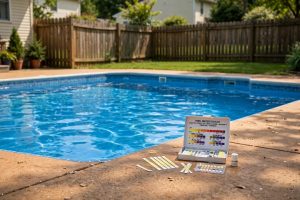
These salt water pool test kit reviews are for pool owners who want clear water without guesswork. A salt water pool still needs regular testing. The salt system makes chlorine, but it does not test itself. You must check the salt level, the chlorine level, and the pH every week.
Many owners find this part of pool care confusing. Shelves hold dozens of kits. Test strips, liquid drops, digital readers — each box promises the best result. This guide explains what the reviews show, what each type of kit can do, and how to choose one that fits your pool and your budget. The aim is simple water and steady readings, week after week.
Why Salt Water Pool Owners Still Need a Test Kit: Salt Water Pool Test Kit Reviews
A salt water pool uses a salt chlorine generator. The generator turns pool salt into chlorine. This keeps the water clean and soft. Many people think this means the pool takes care of itself. It does not.
Reviews from long-time owners make one point clear. The generator makes chlorine, but it cannot tell you if the level is right. Salt cells wear down. Weather changes the water. Rain can lower the salt level. Hot sun can burn off chlorine. Without a test kit, you find out about these problems when the water turns cloudy or green.
Regular testing takes about ten minutes. You take a water sample, run the tests, and write down the numbers. Then you add salt or chemicals only when the numbers say you need them. Owners who test weekly spend less on chemicals. Their water stays clear. Their pool equipment lasts longer.
Pool care education sites stress this habit. A weekly test is the single best routine for a salt water pool. Swim University offers plain guides that walk new owners through each step.
What to Look For in a Salt Water Pool Test Kit
Not every test kit suits a salt water pool. A basic chlorine and pH kit leaves out the most important number for your system: the salt level. Look for a kit that covers all four main readings.
Test Strips or Liquid Reagent Kits
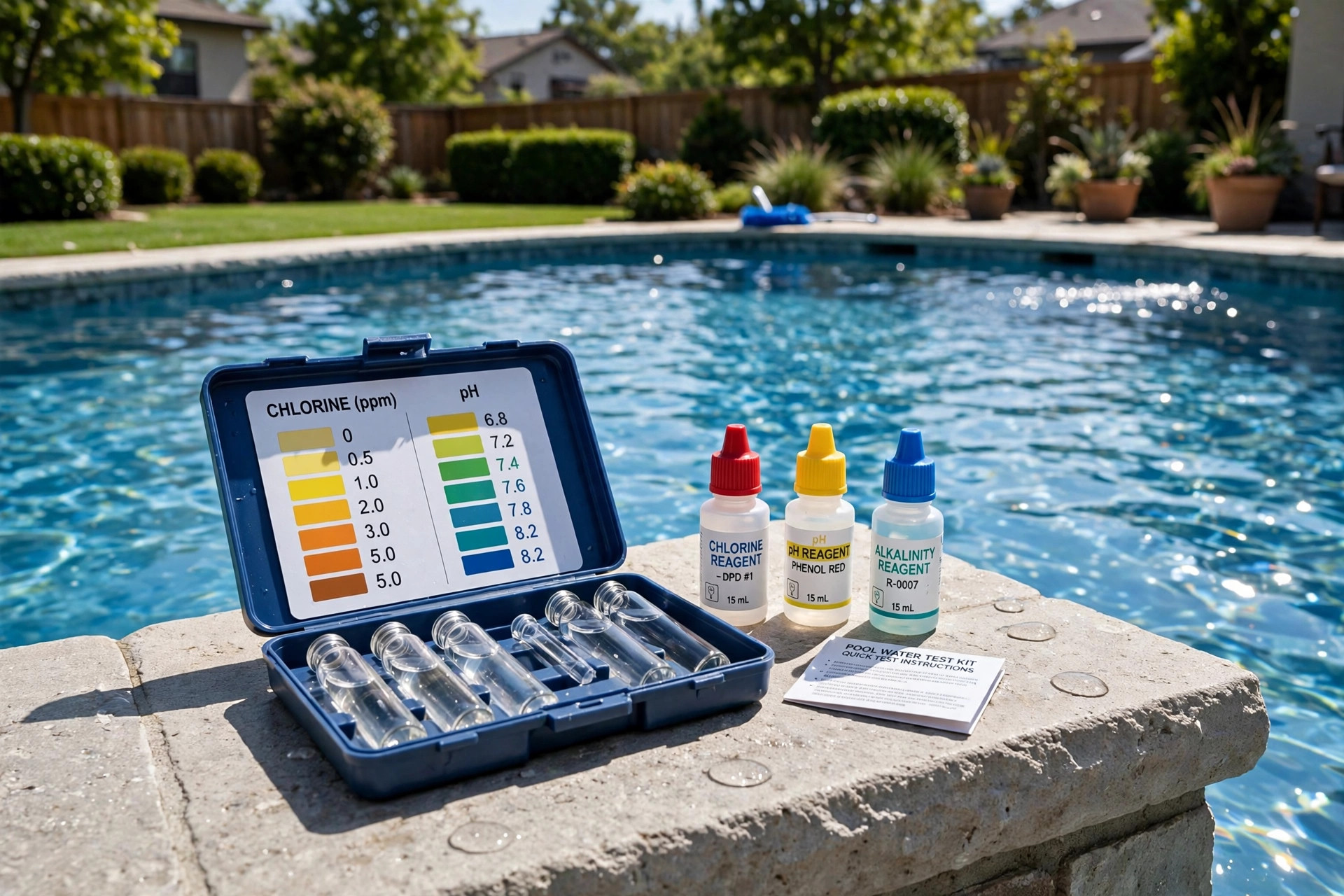
Test strips are the fastest option. You dip a strip, wait a few seconds, and match the colors to a chart. Reviews say strips are easy but not always exact. Light, old strips, and wet fingers can change the colors.
Liquid reagent kits use small bottles of drops and a plastic vial. You fill the vial, add the drops, and match the color. These kits take longer. They also give steadier results. Most serious reviewers prefer liquid kits for weekly testing and keep strips for quick checks between weeks.
Digital readers are a third choice. You put a drop of water on a strip and the meter shows a number. They cost more. Reviews say they remove the color-matching guess. Their sensors need care and new batteries.
When you read salt water pool test kit reviews, look past the star ratings. Read the written notes from owners who have used the kit for a full season. A kit with many short reviews may be new and unproven. A kit with fewer but longer reviews from salt pool owners is a better sign. Pay attention to notes about faded color charts, leaky reagent bottles, and hard-to-open strip caps. These small flaws matter when you test every week.
Salt Level Testing
Salt level is the key extra test. Your generator needs salt in a narrow range, often between 2,700 and 3,400 parts per million. Too little salt and the cell cannot make enough chlorine. Too much salt and the cell may shut down.
Some kits include a salt test. Others do not. If your kit lacks one, buy a separate salt test or a digital salt meter. This one reading matters more than any other for salt pool owners. Check it first whenever chlorine looks low.
Pool chemical suppliers carry both combo kits and stand-alone salt tests. Browsing Leslie’s Pool Supplies shows the full range of what is on the market today.
Types of Salt Water Pool Test Kits on the Market
Reviews group the kits into three clear types. Each suits a different owner.
Basic strip kits. These test chlorine, pH, and sometimes alkalinity. They rarely test salt. They cost the least and suit renters or owners of small pools who want a quick check. Reviews warn that strips age fast once the bottle is open.
Complete liquid kits. These are the most praised in salt water pool test kit reviews. A good liquid kit tests free chlorine, total chlorine, pH, alkalinity, cyanuric acid, calcium hardness, and salt. The best-known models last a season or two of refills. Owners say the color charts are easier to read than cheap strip charts.
Digital test kits. These meters read water chemistry with an electronic sensor. They give a number instead of a color. Reviews praise the precision. They also note the price and the need to keep the sensor clean. Digital kits suit owners who hate matching colors.
Whatever type you pick, test in the same spot each week. Take water from elbow depth, away from the return jets and skimmer. This habit makes your readings easy to compare over time.
Home improvement retailers stock all three types. You can compare boxes and prices side by side at The Home Depot before you decide.
Cost and Price
Salt water pool test kits span a wide price range. Basic strip bottles cost a few dollars. Mid-range liquid kits, the type most reviews favor, often cost between twenty and fifty dollars. Digital readers start higher and can run past one hundred dollars.
Refill cost matters as much as the first price. Liquid kits let you buy new reagents when the bottles run low. Strips cannot be refilled; you buy a new bottle each time. Over a full swim season, a refillable liquid kit often costs less than strips.
A kit with a salt test costs a little more than one without. The extra money is well spent. One wrong salt reading can lead to weeks of poor chlorine output and cloudy water. Think of the kit as a small yearly cost that protects a large pool investment.
Pool supply catalogs list prices across brands so you can compare. Sites like Pool Warehouse let you sort kits by type and price before you buy.
How to Test Your Salt Water Pool: A Simple Weekly Routine
Good salt water pool test kit reviews agree on one thing. The kit is only as good as the routine behind it. Follow this simple order each week.
1. Rinse the vial or cup in pool water. 2. Take a sample from elbow depth, away from jets. 3. Test salt level first. Write it down. 4. Test free chlorine and pH. Write them down. 5. Test alkalinity and cyanuric acid once a month. 6. Add salt or chemicals only when the numbers are off.
Keep a small notebook or a sheet by the pool. Date each entry. Over a season, the notes show patterns. You will see how rain, heat, and heavy swim days move your numbers. This record is worth more than any single reading.
If your pH runs high, a common issue in salt pools, read our guide on how to lower pool pH levels safely before you adjust it.
Care and Upkeep of Your Test Kit
A test kit is a small lab. It needs the same care you would give any tool. Store it in a cool, dry place out of the sun. Heat and light break down the reagents. Never leave the kit on the pool deck.
Check the dates on your reagent bottles. Old drops give wrong colors. Most liquids last about a year after opening. Strips last less time once the seal is broken. When colors stop matching or readings seem odd, replace the reagents before you blame the pool.
Rinse vials and strips cups with clean water after each use. Do not use soap. Soap residue can change the next test. Let the parts air dry before you close the case.
Keep one spare set of reagents on hand. Nothing is more annoying than a test day with an empty bottle. Buy refills at the start of the season, not in the middle of it. Mark the date you open each bottle with a pen so you know when it is time to replace it.
If you are new to salt systems, our salt water pool conversion cost guide explains what equipment and upkeep the change involves.
Safety Notes
Pool testing uses mild chemicals, but care is still wise. Keep reagent bottles away from children and pets. Do not mix drops from different bottles. Wash your hands after testing. Wipe up any spills right away.
Federal pool safety guidance covers more than chemistry. It also covers drains, covers, and fencing. The U.S. Consumer Product Safety Commission publishes clear safety material for home pool owners.
Store pool salt and shock products in a dry place, away from the test kit. If the water turns cloudy or green between tests, act fast. Our guide on how to clean green pool water fast walks through the steps.
Home and garden guides often pair pool care with yard care. The Spruce covers both topics in plain language for home owners.
Frequently Asked Questions
How often should I test my salt water pool?
Test chlorine, pH, and salt once a week during swim season. Test alkalinity, cyanuric acid, and calcium hardness once a month. Test more often after heavy rain or a pool party.
Can I use a regular pool test kit on a salt water pool?
You can, but it will miss the salt level. That is the one reading your generator depends on. Buy a kit that includes a salt test, or add a separate salt test to your routine.
Are test strips good enough for a salt water pool?
Strips work for quick checks. Most salt water pool test kit reviews say strips are not exact enough for weekly care. Use a liquid kit for your main weekly test and strips only between tests.
What salt level should my pool have?
Most salt chlorine generators want between 2,700 and 3,400 parts per million. Check your generator manual for the exact range. Test salt first each week, since a wrong salt level causes most chlorine problems.
Why is my chlorine low even though my salt level is fine?
The salt cell may be dirty or worn. Check the cell for scale buildup and clean it if needed. Cells wear out after several years. Low cyanuric acid or very hot weather can also burn off chlorine faster than the cell can make it.
Do digital test kits work better than liquid kits?
Digital kits give exact numbers and remove color matching. They cost more and need sensor care. Liquid kits give steady results at a lower price. Both beat strips for weekly testing.
A Final Word
Salt water pool test kit reviews point to a simple truth. The best kit is the one you will use every week. For most owners, that means a liquid kit that tests salt, chlorine, and pH, with a small notebook to track the numbers.
Spa owners face a similar choice in smaller water. Spa and hot tub makers like Bullfrog Spas and Hot Spring also publish water care guides that stress weekly testing.
Buy a kit that covers salt. Test in the same spot each week. Write down your readings. Add chemicals only when the numbers call for them. Do this, and your salt water pool will stay clear, soft, and ready to swim in all season long.
References
Bullfrog Spas. (n.d.). Hot tubs and spas. https://www.bullfrogspas.com Hot Spring Spas. (n.d.). Hot tubs and spas. https://www.hotspring.com Leslie’s Pool Supplies. (n.d.). Pool supplies and equipment. https://www.lesliespool.com Pool Warehouse. (n.d.). Pool equipment and supplies. https://www.poolwarehouse.com Swim University. (n.d.). Pool and hot tub care guides. https://www.swimuniversity.com The Home Depot. (n.d.). Home improvement products. https://www.homedepot.com The Spruce. (n.d.). Home and garden advice. https://www.thespruce.com U.S. Consumer Product Safety Commission. (n.d.). Product safety information. https://www.cpsc.gov
Was this guide helpful?

About Lisa Anderson
The My Garden US editorial team writes practical, in-depth home and garden guides for American homeowners — tested advice, no fluff.
You May Also Like
Salt Water Pool Filter Cleaning Guide
July 17, 2026 0 views
How to Fix Cloudy Pool Water and Keep It Clear All Summer
April 17, 2026 0 views
Salt Water Pool Algae Treatment Guide: Clear Green Water for Good
May 8, 2026 0 views