
A green roof may look charming in a painting. On a real house, it is a warning. When you read top rated roof moss removal services reviews, one point comes up again and again: moss is not just a stain. It holds water against the roof. It lifts shingles. It shortens the life of the covering that protects your home. The reviews also show a second point. Not all moss removal crews do the same work. Some use gentle methods. Some use harsh pressure that harms the roof. This guide walks through what the best reviewed services do, what they charge, and how to choose one with care.
Why Roof Moss Matters
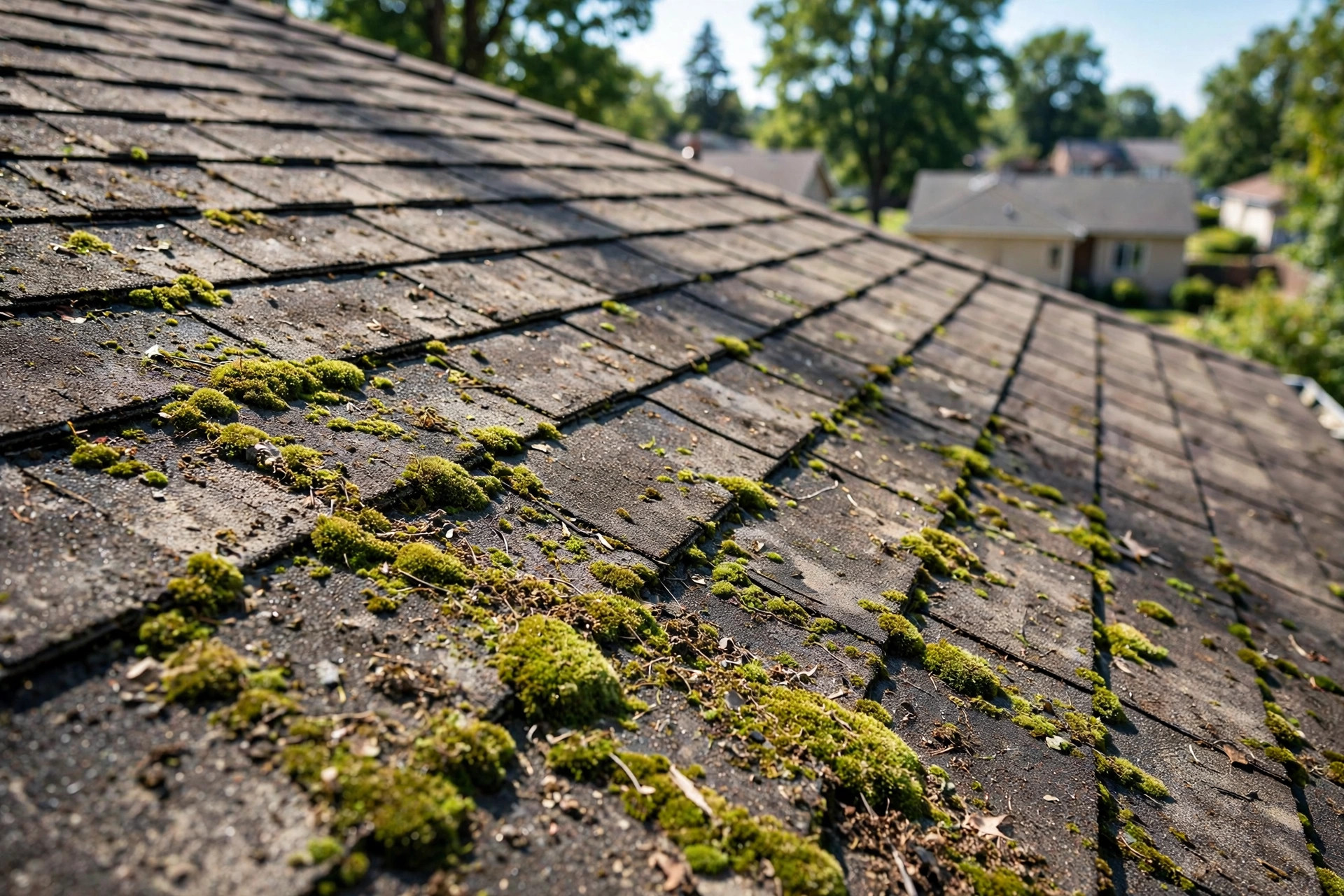
Moss is a small plant. It has no true roots. But it does what plants do: it drinks water. On a roof, it drinks rain and dew and holds that water against the shingles. In damp shade, moss grows thick. It spreads under the edges of shingles and lifts them. Lifted shingles let wind and rain reach the wood below. Over time, the roof wears out years before its time.
The trouble is easy to miss. Moss often starts on the north side of a roof, the side that stays cool and damp. It shows as dark green patches. Many homeowners see it first from the street. By then, the growth may have been there for two or three years. The best top rated roof moss removal services reviews praise crews that catch this early. A light cleaning every few years costs far less than a new roof.
Moss also feeds on debris. Fallen leaves sit in the valleys of a roof and rot. The rot holds water. The water feeds the moss. Reviewers note that good services do not just spray and leave. They clear the debris first. They clean the gutters too. If your gutters are also full of debris, see our guide to commercial grade gutter cleaning tools with free shipping for ways to keep them clear between visits.
What to Look for in a Moss Removal Service: Top Rated Roof Moss Removal Services Reviews
The reviews point to a short list of marks that set good crews apart.
First, check for insurance and licenses. Roof work is risky. A crew that falls from your roof without insurance can leave you with the bill. Ask for proof. A top rated company will show it without a fuss. You can also check the company’s record with the Better Business Bureau before you sign anything.
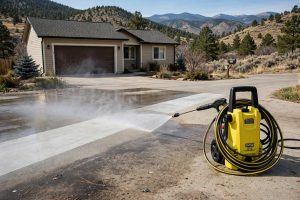
Second, look at how the crew removes the moss. Pressure washers can strip the grit from asphalt shingles. That grit is the shield that blocks the sun. A good service uses low pressure or no pressure at all. Ask plain questions: Do you use a pressure washer? What chemicals do you use? The U.S. Environmental Protection Agency offers guidance on safer cleaning products, and a careful crew will know which products meet those standards.
Third, read the reviews with a sharp eye. Review sites like Angi collect customer feedback on home service companies. Look for reviews that mention roofs like yours. A company may be top rated for window washing but new to roof moss. Specific roof work matters. Also note how the company answers bad reviews. A polite, honest reply says more than a pile of five-star praise.
Fourth, get a written estimate. It should list the method, the products, the price, and the warranty. Verbal promises fade. Paper holds.
Types of Moss Removal Methods
Crews in the reviews use three main methods. Each has its place.
Soft Wash Treatment
Soft washing uses low-pressure water mixed with a cleaning solution. The solution kills the moss. The low pressure rinses it away without harming the shingles. Reviewers rate this method well for asphalt shingles and tile roofs. It is the method most often named in top rated roof moss removal services reviews. It costs more than a quick spray, but it protects the roof.
Chemical Treatment
Some crews apply a dry or liquid chemical and leave it to work. Zinc or copper based products are common. Rain later washes the dead moss away. This method needs no climbing on the roof beyond the application. The downside is time. It may take weeks or months to show full results. Reviewers with light moss growth like this option. Independent testing groups such as Consumer Reports often discuss how such products perform, so their ratings can help you judge a claim before you buy.
Manual Removal
For heavy growth, a worker may scrape moss by hand with a soft brush or plastic scraper. This is slow work. Done right, it harms nothing. Done wrong, with a metal tool or rough hand, it gouges the shingle. The reviews warn against crews that rush this step. Manual removal is often paired with a soft wash after the scraping is done.
Home guides like The Spruce explain these methods in detail for do-it-yourself readers. But on a steep roof, most homeowners are safer hiring a crew than climbing up themselves.
Cost and Price
Prices in the reviews fall into clear bands. For an average single-family home, a full moss removal service costs between 300 and 800 dollars. Small ranches on the low end. Large two-story homes on the high end. Very steep roofs cost more because the work is slower and riskier.
Several factors move the price:
– Roof size. More square feet mean more labor and more product. – Steepness. A steep pitch adds time and safety gear. – Moss thickness. Heavy, old growth takes longer to kill and rinse. – Method. Soft washing costs more than a chemical spray. – Extras. Gutter cleaning, debris removal, and preventive zinc strips add to the bill.
Some companies charge by the square foot. Others quote by the whole job. Get two or three quotes. Be wary of the cheapest bid. It may skip the rinse, skip the gutters, or use a pressure washer. Reviewers who chose the lowest price often paid twice: once for the bad job, once for the repair.
Many services also offer a preventive treatment plan. They return every one to two years to spray the roof and keep moss from taking hold. This costs less than a full removal. For homes in wet, wooded areas, the plan can be a sound deal.
Care and Upkeep
Moss returns. The goal is not to kill it once but to keep it from coming back. The reviews praise services that leave the homeowner with a plan.
Trim tree branches that shade the roof. Sunlight is the best defense. A roof that dries each day grows little moss. Clear leaves from valleys and gutters each fall. Standing water invites growth. If your gutters clog often, consider guards.
Zinc and copper strips are a common preventive step. The strips sit near the ridge of the roof. Rain carries tiny amounts of metal down the slope. The metal slows moss and algae growth. Many reviewers report good results for two to three years. Retailers such as Home Depot carry moss treatment products and preventive strips for homeowners who want to do this step themselves.
Check the roof each spring. Look for dark patches or green edges on the north side. Catching moss early means a simple treatment instead of a full removal. Family Handyman offers do-it-yourself roof care tips for those who are comfortable with a ladder, though steep roofs should be left to professionals.
Moss and mold often grow in the same damp conditions, so if you see both, read our mold removal sprays reviews and buying guide as well. For broader guidance on hiring home service crews and what they should cost, our window cleaning service companies cost guide usa covers the same vetting steps that apply to roof work.
Safety
Roof work sends workers to the emergency room every year. Safety is not a small point in the reviews. It is a headline.
A good crew uses harnesses on steep roofs. They wear soft-soled shoes that grip without tearing shingles. They keep ladders on firm ground and tie them off. They never work on a wet roof if they can avoid it. When you get an estimate, ask about their safety plan. A blank stare is a bad sign.
Chemical safety matters too. The treatments used to kill moss should not poison your garden or your well. Ask where the rinse water will run. A careful crew diverts it away from flower beds and ponds. This Old House covers roof maintenance and often notes which products are safe around landscaping. Good Housekeeping tests cleaning products for home use and can help you judge whether a product is fit for a home with pets or children.
Homeowners should also stay clear during the work. Keep pets and children away from the ladder and the rinse zone. Do not walk on a roof that has just been treated. It may be slick.
Frequently Asked Questions
How often does a roof need moss removal?
Most homes need it every two to four years. Homes under heavy tree cover in wet climates may need it every year. The reviews suggest starting with one full cleaning, then a lighter preventive treatment on a schedule.
Will moss removal damage my shingles?
It should not, if done right. Soft washing and careful manual removal are safe for asphalt shingles. Pressure washing is the main risk. Ask the crew what pressure they use. Anything above household garden-hose force on asphalt shingles deserves a second opinion. Bob Vila home repair advice often warns against high pressure on roofing for this reason.
Can I remove roof moss myself?
For a low, walkable roof with light growth, yes, with care. Use a soft brush and a store-bought moss treatment. Follow the label. Wear shoes with good grip and never work alone. For steep roofs, tall homes, or heavy growth, hire a professional. The risk of a fall is not worth the savings.
What time of year is best?
Late spring and early fall are the most common choices. The weather is mild and dry. The treatment has time to work before winter rains. Avoid freezing weather, which can trap water in the shingles.
Do zinc strips really work?
Reviewers say they help but do not replace cleaning. Zinc strips slow new growth on the upper part of the roof. They work best right after a full cleaning. They wear down over a few years and need replacement.
How long do results last?
A full soft wash with a preventive treatment can keep a roof clear for two to four years. A chemical-only treatment on heavy moss may need a follow-up in one year. Sun exposure, tree cover, and local rainfall decide the real number.
A Final Word
The lesson from top rated roof moss removal services reviews is simple. The cheapest crew is rarely the best deal. The best crews use gentle methods, show their insurance, put the price in writing, and leave you with a plan to keep the moss away. Take an hour to read the reviews. Ask the hard questions. Your roof covers everything you own. It is worth the care.
References
Angi. (n.d.). Home services marketplace. https://www.angi.com Better Business Bureau. (n.d.). Business reviews and ratings. https://www.bbb.org Bob Vila. (n.d.). Home improvement advice. https://www.bobvila.com Consumer Reports. (n.d.). Product reviews and ratings. https://www.consumerreports.org Family Handyman. (n.d.). DIY home repair and maintenance. https://www.familyhandyman.com Good Housekeeping. (n.d.). Product reviews and home advice. https://www.goodhousekeeping.com The Home Depot. (n.d.). Home improvement products. https://www.homedepot.com The Spruce. (n.d.). Home and garden advice. https://www.thespruce.com This Old House. (n.d.). Home renovation guidance. https://www.thisoldhouse.com U.S. Environmental Protection Agency. (n.d.). Protecting human health and the environment. https://www.epa.gov
Was this guide helpful?

About David Wilson
The My Garden US editorial team writes practical, in-depth home and garden guides for American homeowners — tested advice, no fluff.
You May Also Like
Powerful Pest Control Service Plans Near Me: How to Choose the Right One
January 25, 2026 0 views
Finding Reliable Same Day Appliance Repair Services Near Me
May 8, 2026 0 views
Cordless Stainless Steel Appliance Cleaners Buying Guide
July 27, 2026 0 views