
A remodel brings new rooms and new finishes. It also leaves behind a heavy layer of dust. Fine dust from drywall, sawdust from trim work, and grit on every surface are normal after a project. Regular house cleaning will not remove it. That is why many homeowners turn to top rated post construction cleaning services for homeowners. These crews specialize in the deep, detailed work that follows building and remodeling. This guide explains what the service includes, how to choose a company, what it costs, and how to keep your home clean after the work is done.
Why Post Construction Cleaning Matters
Construction dust is not ordinary household dust. Drywall sanding creates powder so fine that it passes through standard filters and settles inside cabinets, drawers, vents, and light fixtures. Sawdust collects in window tracks. Paint flecks stick to tile grout. If this debris stays, it can scratch new floors, stain fresh paint, and strain heating and cooling systems.
Health is another concern. Dust from construction can irritate eyes, throats, and lungs. It is worse for children, older adults, and anyone with asthma or allergies. The U.S. Environmental Protection Agency offers guidance on indoor air quality that explains why fine particles in the home deserve attention. A professional post construction crew removes this material with commercial vacuums, microfiber systems, and HEPA-filtered tools rather than ordinary household gear.
A third reason is protection of your investment. New hardwood can be scratched by grit underfoot. Fresh paint can be dulled by rough wiping. Stone counters can be etched by the wrong chemical. Top rated crews know which products are safe on new finishes. They clean in the right order, from ceiling to floor, so settled dust is not stirred back onto finished surfaces.
What Top Rated Post Construction Cleaning Services for Homeowners Include
Most companies divide the work into phases. Rough cleaning happens first, while workers may still be on site. It removes large debris, sweeps floors, and clears trash. Final cleaning, sometimes called detail cleaning, is the full service most homeowners book after the last contractor leaves.
A complete final clean typically covers:
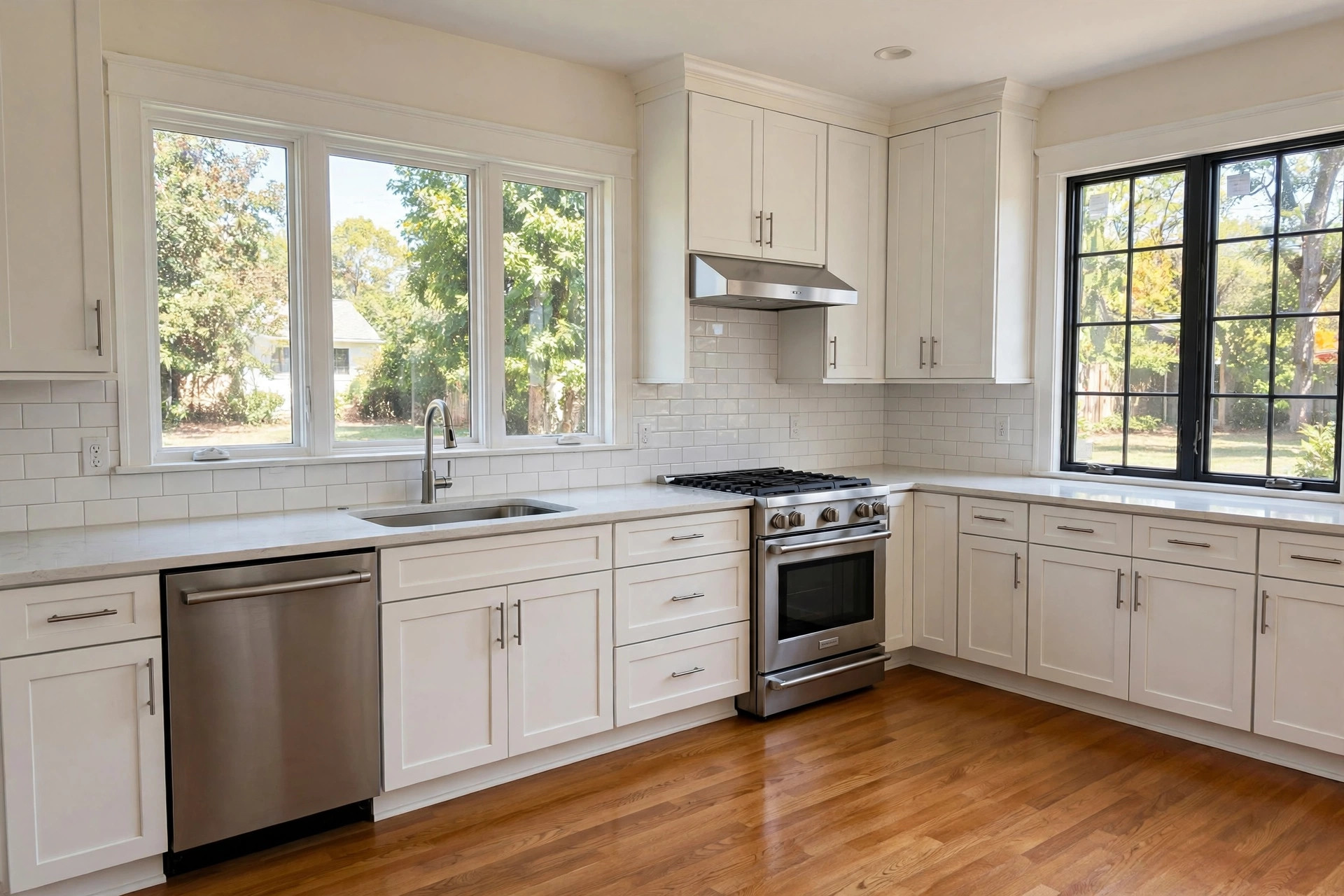
– Walls, ceilings, and trim. Dry dusting of walls, wiping of baseboards, and cleaning of crown molding and door frames. – Windows. Inside glass, frames, sills, and tracks, with stickers and paint removed from panes. – Kitchens. Inside and outside of cabinets and drawers, appliance interiors and exteriors, countertops, backsplashes, and sinks. – Bathrooms. Tubs, showers, toilets, tile, grout lines, mirrors, vanities, and fixtures. – Floors. HEPA vacuuming followed by damp mopping for hard floors, and detailed vacuuming of carpet edges and transitions. – Fixtures and hardware. Light fixtures, ceiling fans, switch plates, outlet covers, doorknobs, and vent covers. – Dust removal. Fine dust wiped from every reachable surface, including closet shelves, window ledges, and utility areas.
Some companies add extras for a fee. These can include duct and vent cleaning, pressure washing of the exterior, and polish of natural stone. Ask for a written checklist before the crew arrives so every item is covered. Many homeowners also compare this service with professional grade deep cleaning service packages for homeowners to decide which level of detail their home needs.
How to Choose a Company
Not every cleaning business handles construction cleanup. Regular maid services often lack the equipment and training for post-build dust. Look for companies that list construction cleanup as a stated specialty. Guides at Family Handyman and Bob Vila stress the value of hiring specialists rather than general cleaners for after-project work.
Start with these steps:
1. Read recent reviews. Look for mentions of remodels, new builds, and dust removal. Patterns matter more than one glowing or angry review. Home service marketplaces such as Angi and HomeAdvisor collect verified customer ratings for local companies. 2. Ask about insurance and bonding. Construction sites have risks. A rated company carries liability coverage and bonds its workers. 3. Confirm the checklist in writing. A clear list of tasks, rooms, and exclusions prevents disputes. 4. Ask about equipment. HEPA-filtered vacuums and microfiber systems are the standard for fine construction dust. 5. Check who brings supplies. Most rated crews bring their own products and tools. Confirm this before booking. 6. Get the price in writing. A walkthrough or detailed description of the home usually leads to a fixed quote.
Homeowners in certain states can also look at local results for reliable post construction cleaning services in Florida to see how regional companies describe their work. Advice from This Old House and The Spruce can help you judge whether a quote covers the full scope of the job.
Types of Post Construction Cleaning
Services generally fall into three tiers.
Rough clean. This is a basic pass during or right after construction. Crews remove bulk debris, sweep, and bag trash. It is often done by the general contractor rather than a specialty company.
Final clean. This is the standard full service described above. It is the tier most homeowners book, and it is what “top rated” reviews usually describe. Every surface is dusted, wiped, vacuumed, or mopped. Windows and fixtures are detailed. The home is ready to move into or show.
Touch-up clean. Dust can resettle for days after a deep clean because fine particles keep drifting out of vents and wall cavities. A touch-up visit, often scheduled one to two weeks later, catches that second wave. Some companies bundle it into the final clean price.
For whole-home projects, some homeowners also book professional house cleaning services for ongoing upkeep after the construction crew finishes. The Cleaning Institute, at cleaninginstitute.org, publishes practical guidance on choosing safe cleaning products for new surfaces.
Cost and Price
Prices vary by region, home size, and the amount of dust. Most companies quote by the square foot or by the project.
– Small projects (one room or a bath remodel): about $200 to $400. – Mid-size homes (1,500 to 2,500 square feet): about $400 to $900 for a full final clean. – Large homes (3,000 square feet and more): about $800 to $1,800 or higher.
Rates of $0.15 to $0.30 per square foot are common for standard final cleaning. Heavy conditions, such as whole-house gut renovations, cost more. Extra services like duct cleaning or exterior washing add to the total.
To keep the price fair, get at least three written quotes. Make sure each quote uses the same checklist so you are comparing equal work. Be wary of prices far below the rest; the crew may rush the job or skip rooms. Consumer Reports and Good Housekeeping both advise checking credentials and written agreements before hiring any home service company.
What Happens on the Day of Service
A typical final clean follows a fixed order. Crews usually work from the top of the house down and from the back of each room to the door. Ceilings and fans are dusted first. Then walls, windows, and trim. Then counters, cabinets, and fixtures. Floors come last, since they collect everything that falls during the work above.
Expect a crew of two to four people for an average home. A full clean of 2,000 square feet often takes four to eight hours. Larger or dustier projects can take a full day or more.
You can help the day go well:
– Remove all personal items, boxes, and stored goods from work areas. – Confirm that water and power are on. – Keep pets in a safe area away from the crew. – Do a walkthrough with the crew lead before work starts. – Plan a final walkthrough before you pay, and note anything that needs a second pass.
Safety Considerations
Construction sites can hide hazards even after workers leave. Nails, staples, and sharp metal edges may remain in floors and walls. Crews should wear gloves and sturdy shoes. Homeowners should stay clear of active work areas.
Dust itself is a safety issue. HEPA filtration matters because it traps the fine particles that basic shop vacuums push back into the air. If your home was built before 1978, ask about lead paint rules before any renovation dust is disturbed. The EPA site at epa.gov explains federal rules for lead-safe work practices. Never let a standard cleaning crew scrape, sand, or disturb old paint without proper lead testing.
Chemical safety counts too. New finishes can react badly to bleach, ammonia, or abrasive powders. Rated companies carry pH-neutral products made for fresh paint, stone, and sealed wood. Ask what they use on your surfaces.
Keeping the Home Clean After the Service
Dust returns slowly after a construction clean. Fine particles can drift out of ductwork for weeks. A few habits keep the results in place.
Change the HVAC filter one to two weeks after the final clean. Run the system fan for a day or two to pull loose particles into the filter. Wipe window sills and shelf tops weekly for the first month. Hold off on wax or polish on new floors until the manufacturer allows it.
Ask the crew what they used on each surface. Write it down. This record helps you buy the right products later and keeps warranties valid. Many floor and countertop warranties require specific cleaners. A rated company will tell you exactly what is safe for your new finishes. Keep this note with your project papers so any future cleaner follows the same rules.
Long term, a regular cleaning routine protects new finishes. Many homeowners schedule a standard cleaning every two weeks after the construction crew leaves. Microfiber cloths and a HEPA vacuum keep dust levels low without harsh chemicals.
FAQ
How is post construction cleaning different from regular cleaning?
Regular cleaning handles everyday soil. Post construction cleaning targets building dust, paint spots, sticker residue, and debris left by trades. It uses heavier equipment, follows a room-by-room checklist, and cleans inside cabinets, vents, and fixtures that regular visits skip.
Should the contractor include cleaning in the price?
Some contractors include a rough clean. Few include a full final detail clean. Read your contract. If cleaning is not listed, budget for it separately and book a specialty company.
How soon after the project should I schedule the cleaning?
Wait until all trades are fully done and gone. If painters or installers return after the clean, new dust will settle and the work is wasted. Confirm the final punch list is complete before the crew arrives.
Do I need to be home during the cleaning?
Not always. Many homeowners provide access and return for the final walkthrough. If you cannot be there, leave clear written notes about priorities and any off-limits areas.
Will cleaning remove paint from floors and windows?
Yes, when done by a rated crew. Professionals use plastic scrapers, non-scratching pads, and solvents that are safe for glass and sealed floors. They should test products in a hidden spot first.
Can the crew clean air ducts too?
Some companies offer duct cleaning as an add-on. Others do not. Ask in advance. If ducts were open during construction, a separate duct service may be worth the cost.
Final Word
A remodel is only finished when the home is truly clean. Top rated post construction cleaning services for homeowners close the gap between the last day of work and the first day you enjoy the space. Choose a company with construction experience, insurance, and a written checklist. Compare quotes on equal terms. Then walk through the finished home with the crew lead before you pay. The new rooms will look the way you pictured them, free of the dust that built up along the way.
References
Angi. (n.d.). Home services marketplace. https://www.angi.com Bob Vila. (n.d.). Home improvement advice. https://www.bobvila.com Cleaning Institute. (n.d.). Cleaning products and practices. https://www.cleaninginstitute.org Consumer Reports. (n.d.). Product reviews and ratings. https://www.consumerreports.org Family Handyman. (n.d.). DIY home repair and maintenance. https://www.familyhandyman.com Good Housekeeping. (n.d.). Product reviews and home advice. https://www.goodhousekeeping.com HomeAdvisor. (n.d.). Local home service professionals. https://www.homeadvisor.com The Spruce. (n.d.). Home and garden advice. https://www.thespruce.com This Old House. (n.d.). Home renovation guidance. https://www.thisoldhouse.com U.S. Environmental Protection Agency. (n.d.). Protecting human health and the environment. https://www.epa.gov
Was this guide helpful?

About David Wilson
The My Garden US editorial team writes practical, in-depth home and garden guides for American homeowners — tested advice, no fluff.
You May Also Like
Mold Removal Sprays Reviews and Buying Guide
March 31, 2026 0 views
Best Roof Moss Removal Services Near Me: How to Find a Good One
March 6, 2026 0 views
Best Carpet Stain Remover Kits for USA Homes
July 25, 2026 0 views