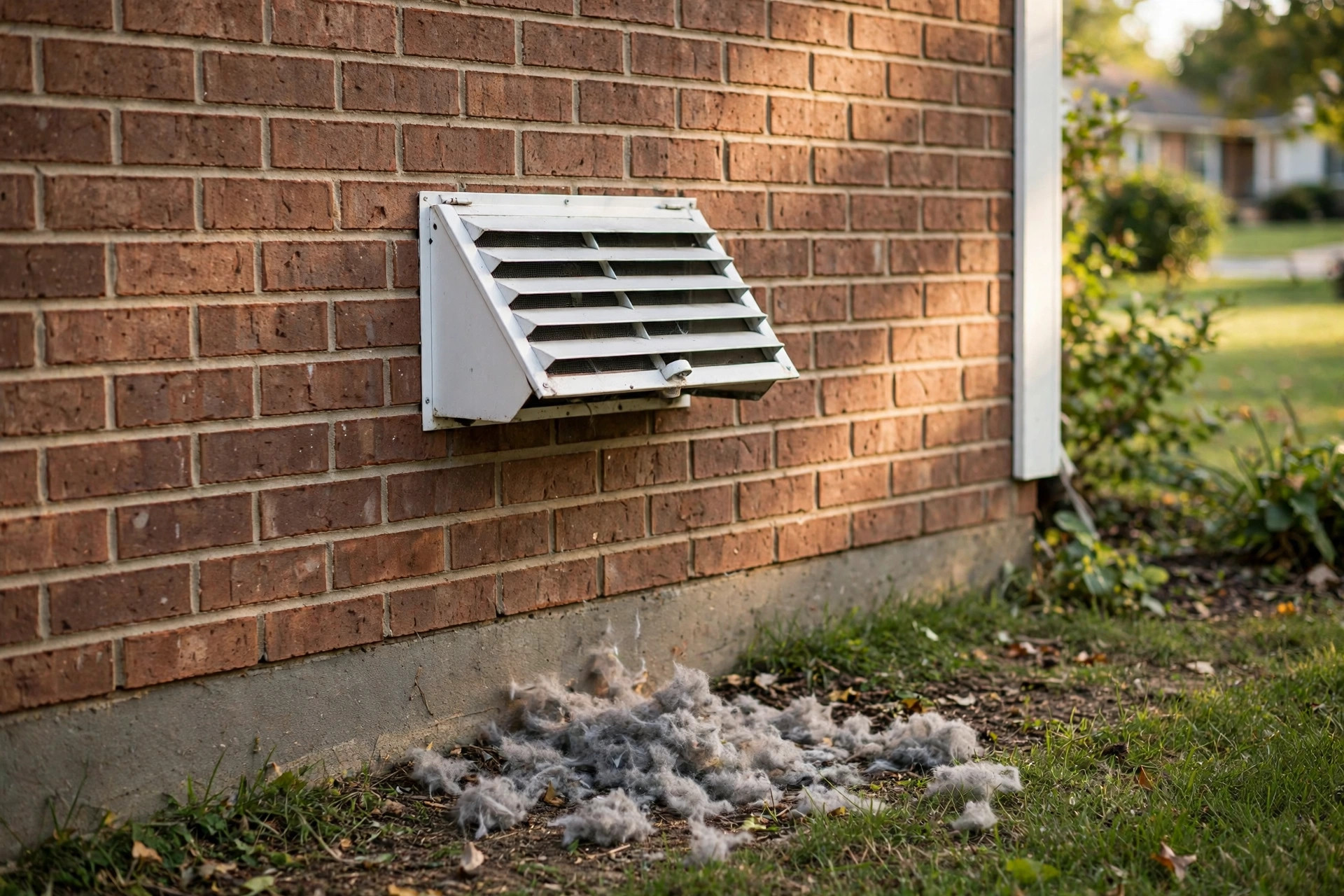

Most people do not think about their dryer vent until trouble arrives. Clothes take two cycles to dry. The laundry room feels warm and damp. A faint burning smell comes from the dryer. These are signs that the vent is choked with lint. At that point, many owners turn to the web and read top rated dryer vent cleaning services reviews to find help. Reviews can point you toward a skilled crew. They can also mislead you. This guide shows how to read them with care, what a proper cleaning should include, and what a fair price looks like in the United States.
Why It Matters
A dryer vent is a simple metal duct. It carries hot, damp air from the dryer to the outside of the house. With each load, small fibers break free from the clothes. The lint screen inside the dryer catches much of this fiber. A good share escapes past the screen and settles in the duct. Over months and years, the build-up narrows the duct until the air can barely pass.
When the vent clogs, three problems follow. First, drying times grow longer, and the dryer works harder. Electric and gas bills climb. Second, heat and dampness stay trapped in the machine. Seals, belts, and heating parts wear out sooner. Third, lint is easy to burn. A hot dryer with a blocked vent is a known cause of house fires. The Consumer Product Safety Commission has long warned owners about dryer fires and the need for regular vent cleaning. A clean vent is not a luxury. It is basic care for the home.
How to Use Top Rated Dryer Vent Cleaning Services Reviews
Reviews are useful, but only when read with judgment. Anyone can post a few kind words. A few stars on a map listing tell you little about the work itself. When you read dryer vent cleaning service reviews, look for detail.
Good reviews name the work. They say how long the visit took. They say whether the technician cleaned the whole run of duct, from the back of the dryer to the outside hood. They mention the tools used, such as rotary brushes or a strong vacuum. They say whether the worker checked the vent hood outside and made sure the flap opened freely.
Poor reviews tell a different story. They mention a visit that lasted ten minutes. They say the technician only vacuumed behind the dryer. They report that nothing changed, and clothes still took two cycles to dry. A pile of short reviews posted on the same day can be a sign of bought praise. A steady stream of reviews over many months looks more honest.
Look at the worst reviews first. Every company gets a bad day, but a pattern of missed appointments or damaged ducts is a warning. Look at how the company answers. A firm that replies calmly and offers to fix the work is usually worth a call. One that argues with customers is not.
It also helps to ask people you trust. A neighbor who had a good visit can tell you more in five minutes than fifty reviews can. A local crew with a clean truck and steady work often does better than a far-away franchise that sends a different crew each time.
What the Best Crews Have in Common
Top rated crews share a few traits. They answer the phone or return calls the same day. They give a clear price before the work starts. They arrive in a marked van with real tools, not just a shop vacuum. They protect your floors if they walk through the house. They show you the lint they pulled out, and many take a photo of the duct interior with a small camera.
Ask each company two questions before you book. First: will you clean the entire vent run from the dryer to the outside? Second: do you carry insurance? A company that hesitates on either point should be crossed off your list. Many Family Handyman guides advise owners to check that a home service worker is insured before any work begins inside the house.
When to Clean the Vent Yourself and When to Call
Some vents are short and straight. In a home where the dryer sits against an outside wall, the duct may run only a few feet. A careful owner with a brush kit can clear such a run in under an hour. Many Bob Vila guides describe this as a fair do-it-yourself job for a simple layout.
Call a service when the duct is long, when it turns several corners, when it runs up through a wall or the roof, or when it has not been cleaned in years. A long run needs long rotary brushes and a vacuum that can pull from both ends. Pros also carry scopes that let them see blockages deep inside the duct. If birds or squirrels have nested in the hood, a service can clear the nest and fit a guard that keeps animals out while still letting air escape.
What a Proper Cleaning Should Include
A full dryer vent cleaning has several steps. The technician should pull the dryer away from the wall and check the flexible connector hose behind it. Cheap plastic or foil accordion hose can crush or catch fire; many crews will advise you to replace it with rigid metal duct.
Next, the tech should run a rotary brush through the duct from one end or both, with a vacuum catching the loose lint. The outside vent hood should be cleaned, and the flap checked so it opens and shuts on its own. A stuck flap traps damp air. A missing flap lets in cold air, rain, and pests.
The service should end with a simple test. Many techs turn the dryer on for a few minutes and feel the air flow at the outside hood. Strong, warm flow means the job is done. Some companies finish with a written note that lists what was cleaned. The Environmental Protection Agency advises owners to keep indoor air healthy by keeping moisture moving out of the house, and a clear dryer vent is part of that care.
If a company offers to clean your air ducts in the same visit for a bargain price, be cautious. Dryer vents and heating ducts are different systems. A firm that mixes the two may be selling more than you need.
Types of Dryer Vent Runs and What They Mean for Service
Most homes have one of three vent layouts. A through-the-wall run is short and straight, going right out behind the dryer. It is the cheapest to clean. A through-the-roof run goes up from a second-floor laundry room and out above. It takes more time and often needs a ladder on the roof. A basement or crawl-space run goes sideways and down, sometimes with sharp bends. Bends are where lint packs tight, so these runs take longer to brush clear.
Metal ducts with smooth walls clean out well. Older homes may still have plastic duct, which sags and holds lint. A good tech will flag this and suggest a replacement.
Cost and Price: What Is Fair
Dryer vent cleaning is not expensive compared with most home services. In most parts of the United States, a standard cleaning costs between 100 and 200 dollars. A short, easy run on the ground floor sits at the low end. A long run, a roof vent, or a vent that has not been cleaned in a decade may cost 200 to 300 dollars.
Beware of prices far below this range. A crew that advertises a 39-dollar cleaning often sells add-on work once inside your door. The low price may also buy only a quick vacuum of the easy parts. Beware of prices far above, too, unless the job calls for new duct work or major repairs.
Ask for the price in writing before the visit. Ask whether the price covers the whole run, the hood, and the connector behind the dryer. A clear answer up front is a mark of a good firm. Consumer Reports often reminds shoppers that the cheapest bid on a home service can turn out to be the costliest if the work is poor.
Prices move with the season in some towns. Spring keeps crews busy, so booking a week ahead usually gets you a better time slot and a steadier price.
Care and Upkeep Between Visits
You can stretch the time between service calls with a few simple habits. Clean the lint screen before or after every load. This takes ten seconds and keeps the largest share of fiber out of the duct. Once a year, wash the lint screen with warm water and a soft brush. Dryer sheets leave a thin film that narrows the mesh and blocks air.
If you dry heavy loads, such as blankets or jeans, split them into two smaller loads.
Every few months, walk outside and look at the vent hood while the dryer is running. You should see and feel strong, warm air. If the flow is weak, or if the flap does not open, it is time to call. Many The Spruce guides list this quick outside check as the easiest test any owner can run.
Keep the area behind the dryer clear. Do not push the dryer so close to the wall that the connector hose crushes. Do not store boxes or clothes on top of the dryer where they can block heat from escaping. These small habits add years to a dryer and keep the vent safer.
Tools Worth Owning
A lint brush for the screen, a narrow crevice tool for the vacuum, and a basic dryer vent brush kit with flexible rods cover most upkeep needs. Homeowners who like keeping cleaning gear in good order may also browse our guide to cordless stainless steel appliance cleaners buying guide for keeping the washer and dryer faces spotless, and our roundup of cordless grill cleaning brushes for sale if outdoor cooking gear needs the same care. For bigger blockages in plumbing, our notes on commercial grade drain clog remover tools for sale may be of interest, though those tools are for pipes, not ducts.
Safety
Dryer safety is simple but worth repeating. Never run the dryer when no one is home or while the family is asleep. A clogged vent can overheat, and a fire that starts with no one to catch it spreads fast. The National Fire Protection Association tracks home fire causes and notes dryers among the appliances that need steady upkeep.
Do not dry clothes that were soaked in gasoline, paint thinner, or other flammable liquids. Wash such items first and line dry them. Clean the lint screen every load. Keep the area around the dryer free of boxes, rags, and chemicals.
If your dryer vent uses thin plastic duct, plan to replace it. Plastic can melt and burn. Smooth metal duct with tight joints is the safe choice, and it also cleans out more easily. The Department of Energy advises owners that smooth airflow through vents and ducts helps appliances run at their rated efficiency, which keeps heat where it belongs.
When a service visit is done, keep the receipt and note the date. A written record helps you keep to a schedule and proves the work was done if you ever sell the home. Buyers and home inspectors like to see a clean vent.
FAQ
How often should a dryer vent be cleaned?
Most homes need a cleaning once a year. If you have a large family and run the dryer daily, twice a year is safer. Pet owners deal with more fiber and hair, so they should lean toward the shorter schedule as well. If the vent run is short and straight, a yearly check may be enough.
How long does a service visit take?
A standard visit takes 45 minutes to an hour and a half. Short runs take less time. Long runs, roof vents, or heavy build-up take longer. If a crew finishes in fifteen minutes, ask what they actually cleaned. A full job cannot be rushed.
What are the signs the vent needs cleaning right now?
Clothes take more than one cycle to dry. The top of the dryer feels very hot. The laundry room grows damp. You smell something burning. Lint gathers around the dryer or outside the vent hood. The hood flap does not open when the dryer runs. Any one of these signs means the vent should be checked soon.
Can I clean the vent myself?
You can handle a short, straight run with a brush kit and a vacuum. Turn off the dryer and unplug it first. For long runs, bends, roof vents, or years of build-up, hire a service with rotary tools and a camera scope.
Should the service clean the dryer itself?
Some crews also vacuum lint from inside the dryer cabinet, around the drum and heating parts. This is useful in older machines where lint has settled inside. Ask if this is included in the quoted price. If your dryer is new and the vent is clear, the extra step may not be needed.
Do reviews tell the truth about pricing?
Reviews can hint at fair pricing, but they are not a price guide. Prices differ by town, vent length, and roof access. Use reviews to judge honesty and skill, then call two or three firms for written quotes. Pick the one with a clear scope of work, not just the lowest number.
A Short Final Word
Reading top rated dryer vent cleaning services reviews is a smart first step, but the review stars are only the start. Read the details. Look for companies that clean the whole run, charge a clear price, and show their work. Then keep up the simple habits that stretch the time between visits. A small yearly job keeps the machine running well, the bills lower, and the home safer. That is money well spent.
References
Bob Vila. (n.d.). Home improvement advice. https://www.bobvila.com Consumer Reports. (n.d.). Product reviews and ratings. https://www.consumerreports.org Family Handyman. (n.d.). DIY home repair and maintenance. https://www.familyhandyman.com National Fire Protection Association. (n.d.). Fire safety information and codes. https://www.nfpa.org The Spruce. (n.d.). Home and garden advice. https://www.thespruce.com U.S. Consumer Product Safety Commission. (n.d.). Product safety information. https://www.cpsc.gov U.S. Department of Energy. (n.d.). Energy efficiency and renewable energy. https://www.energy.gov U.S. Environmental Protection Agency. (n.d.). Protecting human health and the environment. https://www.epa.gov
Was this guide helpful?

About James Carter
The My Garden US editorial team writes practical, in-depth home and garden guides for American homeowners — tested advice, no fluff.
You May Also Like
How to Choose Professional Grade Pressure Washing Service Companies Near Me
March 17, 2026 0 views
Powerful Mold Removal Sprays for Texas Homes: A Practical Guide
March 5, 2026 0 views
Eco Friendly Cleaning Supplies: Reviews and Buying Guide
April 19, 2026 0 views