
Dahlias bring big color to Florida homes. When gardeners shop for dahlia bulbs bulk florida homes usa, they want many tubers at a fair price. Bulk buying cuts the cost per plant. It also fills large beds, borders, and pots with one order. This guide explains what dahlia bulbs are, how to pick a good bulk lot, and how to grow them in the Florida sun. The words are plain. The steps are simple. Any home gardener in the United States can follow them.
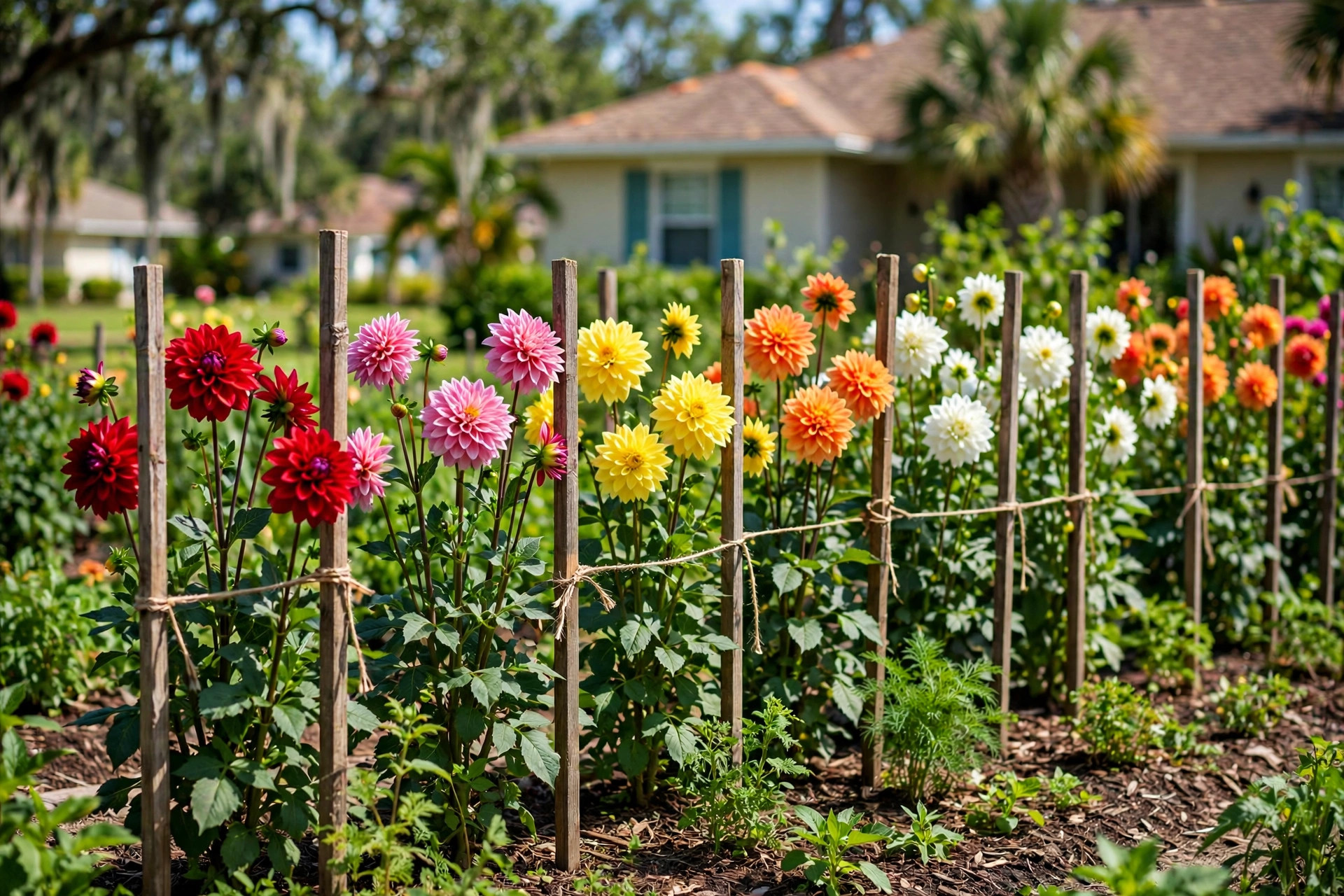
The dahlia is a bold summer flower. It comes in red, pink, white, yellow, orange, and purple. Some blooms are small. Some are wide as a dinner plate. In Florida, the long warm season lets dahlias bloom for many months. A bulk order of dahlia bulbs gives a gardener enough stock to try several types at once. That is the smart way to learn which kinds do best in a given yard.
Why Bulk Dahlia Bulbs Matter for Florida Homes
Florida yards often run large. Homes here may have long beds along a drive, wide patio borders, or a full cutting garden. Buying tubers one by one costs too much for such spaces. Dahlia bulbs bulk florida homes usa searches show that gardeners in the state want full bags or crates of tubers at one time. A single bulk order can plant a whole border.
Bulk buying also gives choice. A bag of fifty or one hundred tubers may hold five or ten named types. The gardener can plant tall kinds at the back and short kinds at the front. If one type fails in the heat, the others still bloom. This spread of risk is one of the best reasons to buy in bulk.
Local supply matters too. Florida has many home gardeners. Shipping small orders adds cost. A bulk crate ships once. The cost per tuber falls. For homes that want a strong show of color, bulk is the wise path. Nurseries like Burpee and Park Seed list tuber packs suited to warm states.
What to Look For When You Buy: Dahlia Bulbs Bulk Florida Homes Usa
Not all bulk tubers are the same. A careful look saves money. Check the firmness first. A good dahlia tuber feels firm and solid. Soft or shriveled tubers may not sprout. Pass on any tuber with soft dark spots. Those spots point to rot.
Look for at least one eye on each tuber. The eye is a small raised bud near the old stem. It is where the shoot grows. A tuber without an eye will not grow. In a bulk bag, most tubers should show eyes. If half the bag lacks eyes, ask for a swap or a refund.
Size counts as well. Large tubers hold more food for the young plant. They sprout with more force. Very small, thin tubers may still grow, but they are slow. A good bulk lot mixes medium and large tubers. Ask the seller how the lot is graded. Trusted seed houses grade their stock. The National Institute of Food and Agriculture funds work that helps growers keep planting stock healthy.
Check the variety list. A bulk lot labeled as a mix can be a joy, but know what may be inside. Named types give more control. A list of the types lets the gardener plan heights and colors. If the seller cannot name the types, the lot may be leftovers. That is fine for a wild cottage look, but not for a planned border.
Buy at the right time. In the United States, bulk tuber orders ship in late winter and early spring. Order by January or February for the best stock. Late orders get picked-over bags. Florida gardeners plant early, so early orders matter more for them.
Types of Dahlias Suited to Florida
Dahlias come in many forms. Each form has its own charm. The best choice for a Florida home depends on the space and the look the gardener wants.
Decorative Dahlias
Decorative dahlias have full, flat petals laid in neat rows. They look like classic show flowers. They grow two to four feet tall. They work well in the middle of a bed. Their stems are strong enough for cut flowers.
Dinnerplate Dahlias
Dinnerplate dahlias grow huge blooms, eight to ten inches wide. They are the stars of a garden. They need tall stakes and rich soil. In Florida heat, give them some shade in the afternoon. Their size makes them the best pick for a show bed near a patio.
Cactus and Semi-Cactus Dahlias
These have narrow, rolled petals that point outward. They look wild and bright. They hold up well in wind. That is a plus for coastal Florida homes where sea breezes can snap weak stems.
Pompon and Ball Dahlias
Pompon dahlias grow small round blooms. Ball types are a bit larger. They are fine for pots and small beds. They bloom in great numbers. A bulk lot with pompons suits homes with little space.
For color planning, many gardeners pair dahlias with other fall-planted bulbs. A good read on tulip bulbs fall buying guide helps plan cool-season beds, while daffodil bulb packs buying guide covers spring color. Dahlias carry the garden from summer into fall.
Cost and Price of Bulk Dahlia Bulbs
Bulk prices vary by type, grade, and count. Common mixed lots may run fifty cents to two dollars per tuber when bought by the hundred. Named types cost more. A bag of one hundred named tubers may cost one hundred to three hundred dollars. Rare or new types cost the most.
Shipping adds to the bill. One bulk crate ships for less per tuber than ten small boxes. Some sellers offer free freight over a set order size. Compare the full price, not just the bag price. Add the freight before you judge a deal.
Florida buyers should also count the cost of soil and stakes. Sandy Florida soil drains fast but holds little food. A bag of compost and a box of slow-release feed raise the real cost of the project. Plan for stakes too. Tall dahlias fall over in summer storms without support. These small costs keep the big show standing.
For homes on a tight budget, mixed lots are the best value. They cost the least per tuber. They give the most plants per dollar. Save named types for a small show row. Plant the bulk mix everywhere else. Guides at Gardening Know How explain how to stretch a planting budget.
Planting in Florida: Step by Step
Florida soil and weather are not like those of the North. Plant with the state in mind.
First, pick the spot. Dahlias need at least six hours of sun. Morning sun is best. Afternoon shade helps in the hottest months. Pick a place where water does not sit after rain. Wet feet rot tubers fast. Raised beds work well in low parts of Florida yards.
Next, fix the soil. Dig a foot deep. Mix in compost or aged manure. Florida sand drains well, so add organic matter to hold food and water. Aim for soil that crumbles in the hand. A soil test from the county office helps set the right feed levels.
Plant the tubers four to six inches deep. Lay them flat with the eye facing up. Space them twelve to eighteen inches apart. Tall types need more room. Water well after planting. Then wait. Do not water again until shoots show, unless the soil is very dry. Too much water before shoots grow can rot the tuber.
Stake at planting time. Drive a four-foot stake near each tuber. Tie the stem loosely as it grows. Staking later can pierce the tuber. This one step stops most storm damage.
Mulch with two or three inches of pine straw or bark. Mulch keeps roots cool and holds soil water. Keep the mulch a few inches from the stems. Feed once a month with a balanced garden feed. Stop feeding in late fall when growth slows.
In most of Florida, dahlias grow as warm-season plants. Plant in February or March in the south. Plant in March or April in the north. Blooms start in early summer and run to first frost, if frost comes at all. Some gardeners lift tubers in winter. In frost-free zones, tubers can stay in the ground with a thick mulch cap.
Care and Upkeep Through the Season
Dahlias ask for steady care. The work is not hard, but it is regular.
Water deeply once or twice a week. Sandy soil dries fast. A deep soak beats a daily sprinkle. Water at the base of the plant. Wet leaves invite mildew in humid Florida air.
Deadhead spent blooms. Cut the dead flower back to the next side shoot. This tells the plant to make more buds. A plant that is deadheaded blooms for months. Cut flowers for the house often. Cutting is a form of deadheading.
Watch for pests. Slugs and snails chew young shoots. Aphids gather on buds. A strong spray of water knocks aphids off. Hand-pick slugs at night. Keep the bed free of weeds. Weeds steal food and hide pests. Advice from The Spruce covers common garden pests in plain terms.
Pinch the tops when plants reach one foot tall. Pinching makes the plant branch. More branches mean more blooms. Use clean shears. A pinched plant looks fuller and stands up better in wind.
At season end, cut stems to the ground after frost or when growth stops. In zones with frost, lift the tubers. Dry them for a week. Store them in a cool, dry box in peat or wood shavings. In frost-free south Florida, leave them in place under mulch. Mark the spots so spring digging does not cut them.
Safety in the Garden
Dahlia tubers are not food. Keep them away from small children and pets. Store bulk bags out of reach until planting day. Some people get skin rashes from plant sap. Wear gloves when handling large lots.
Stakes and ties can trip walkers. Keep tall stakes inside the bed, not at the edge of a path. Tie stems snug so loose twine does not catch a foot. When cutting stems, point shears away from the body.
Chemicals need care too. Read every label on feeds and pest sprays. Keep sprays off blooms where bees feed. Spray in the evening when bees are home. Store all garden chemicals locked away from children. The Almanac garden pages note safe practice dates for each region.
Frequently Asked Questions
How many tubers come in a bulk order of dahlia bulbs? Bulk lots often hold twenty-five, fifty, or one hundred tubers. Some farm crates hold more. Ask the seller for the exact count before you pay.
Can dahlia bulbs grow in Florida summer heat? Yes, with care. Plant early, give afternoon shade, water deeply, and mulch well. Choose heat-tough types. Many Florida gardeners get blooms from June to November.
What is the difference between dahlia bulbs and dahlia tubers? Sellers often say bulbs, but dahlias grow from tubers. A tuber is a thick root that holds food. A true bulb has layered scales, like an onion. The planting care is much the same either way.
Should I lift dahlia tubers in Florida winter? In south Florida, where frost is rare, leave them in the ground under mulch. In north Florida, where hard frosts hit, lift and store them. Watch your local frost dates each year.
How deep should I plant bulk dahlia tubers? Plant four to six inches deep, eye up. In heavy soil, plant at four inches. In loose sand, six inches is fine. Cover and water well.
Do dahlias come back every year in Florida? They can, in frost-free spots with good drainage. Treat them as tender perennials. If winter rot is a worry, lift and store them, then replant in spring. Many gardeners also plant garlic bulbs planting buying guide crops in the same beds in the cool months.
A Short Final Word
Dahlia bulbs bulk florida homes usa is more than a search phrase. It is a plan. Buy firm, eyed tubers in bulk. Plant them in rich, well-drained soil. Stake them early. Water deep, deadhead often, and feed through the season. Do this, and a Florida yard will glow with color for months. Start with a mixed lot to learn the ropes. Then add named types for the show beds. The work is honest and the reward is bright.
Buying guides are also published by Gurney’s Seed & Nursery Co and White Flower Farm.
References
Burpee. (n.d.). Seeds, plants, and gardening supplies. https://www.burpee.com Gardening Know How. (n.d.). Gardening guides and plant care. https://www.gardeningknowhow.com Gurney’s Seed & Nursery Co. (n.d.). Seeds, plants, and garden supplies. https://www.gurneys.com National Institute of Food and Agriculture. (n.d.). Agricultural research and extension. https://www.nifa.usda.gov Park Seed. (n.d.). Seeds, plants, and gardening supplies. https://www.parkseed.com The Old Farmer’s Almanac. (n.d.). Gardening calendars and advice. https://www.almanac.com The Spruce. (n.d.). Home and garden advice. https://www.thespruce.com White Flower Farm. (n.d.). Plants, bulbs, and garden supplies. https://www.whiteflowerfarm.com
Was this guide helpful?

About Michael Thompson
The My Garden US editorial team writes practical, in-depth home and garden guides for American homeowners — tested advice, no fluff.
You May Also Like
Wildflower Seed Mixes Buying Guide USA: How to Choose the Right Mix for Your Yard
April 27, 2026 0 views
Snake Plants Indoor: Where to Buy in the USA
April 24, 2026 0 views
Heirloom Vegetable Seeds for Sale USA: A Plain Guide for Home Gardeners
March 9, 2026 0 views