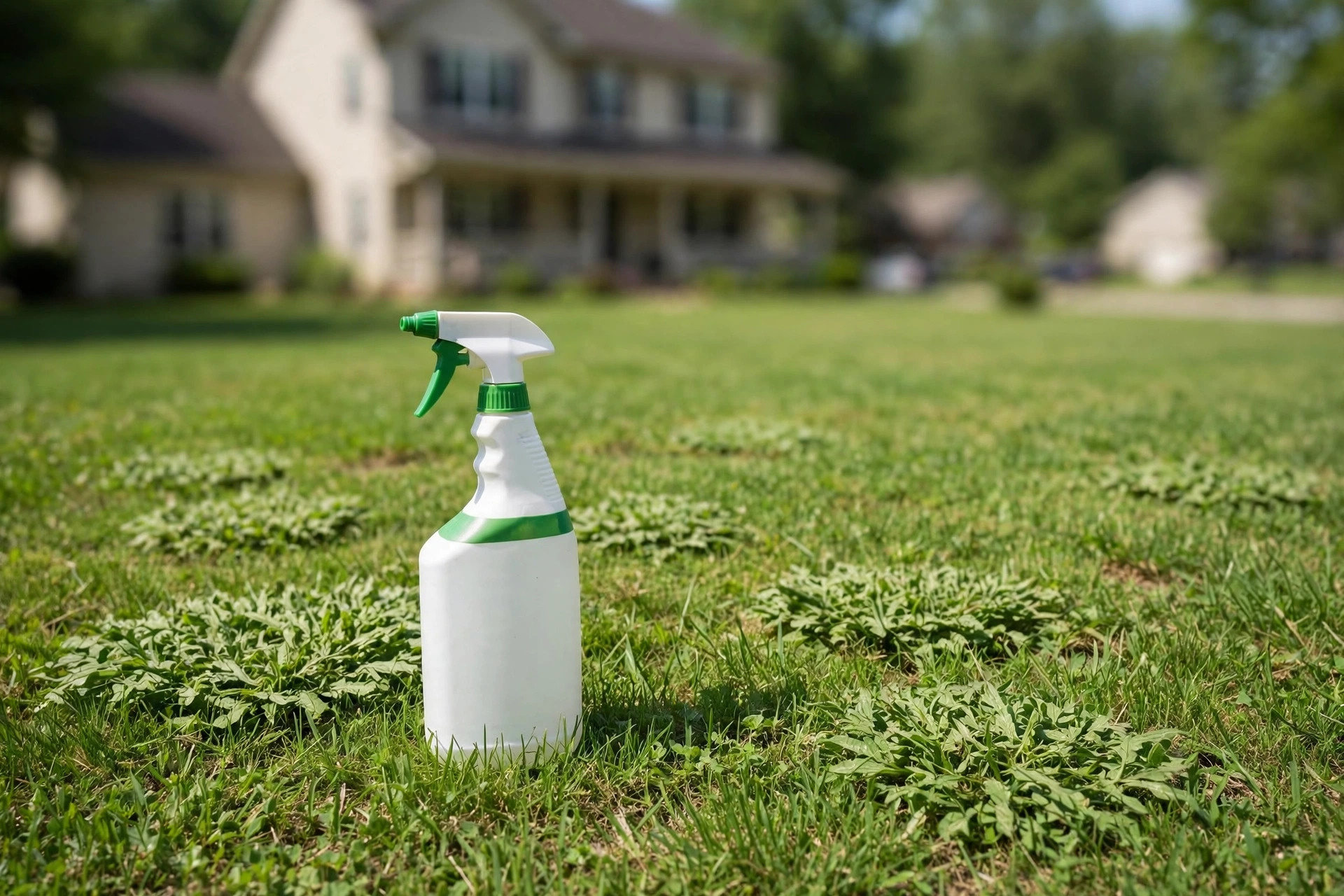

Crabgrass is the weed that most American lawns fear each summer. It spreads fast. It grows low to the ground. It crowds out good grass. When frost comes in the fall, it dies and leaves bare brown spots behind. Homeowners spend a great deal of money each year trying to stop it. That is why crabgrass killer for lawns reviews are so useful. Reviews let you compare products before you spend money. They show what works in real yards, not just in sales ads. This guide explains how crabgrass grows, what the main types of products do, and how to pick the right one for your lawn. It also covers prices, safety rules, and simple steps that give good results.
Why Crabgrass Is So Hard to Control
Crabgrass is an annual grass. It lives only one year, but it leaves thousands of seeds behind. A single plant can drop up to 150,000 seeds in one season. The seeds sit in the soil through the winter. They wake up in spring when soil temperatures stay above about 55 degrees for several days. This happens weeks before most people start to think about weeds.
The young plants grow fast in hot weather. They spread outward in a low, flat pattern that looks a little like crab legs. That is how the weed got its name. A thin lawn gives crabgrass room to grow. Bare spots from winter damage are the worst places. Crabgrass also loves lawns that are cut too short and watered too little. Short grass lets sun reach the soil. Warm soil wakes the seeds.
By late summer, one plant can cover a wide area. It sets seed in early fall. Then the first hard frost kills the plant. The seeds stay in the soil and wait for next spring. This cycle is why one year of treatment is never enough. Control takes a plan that covers at least two seasons. Steady yearly care is the only way to shrink the seed bank in the soil.
What to Look for When You Read Reviews: Crabgrass Killer for Lawns Reviews
Not all reviews are equal. Some are written by happy buyers. Some are written by people who used the product the wrong way. A careful reader learns to tell the difference. Here is what to check before you trust a review.
First, look for reviews from your region. A product that works in Texas heat may act different in Ohio or Oregon. Climate changes results. Soil type changes results too. Second, check the lawn type. Many products are safe for bluegrass and fescue but can harm St. Augustine or centipede grass. Good reviews often name the grass type of the reviewer. Third, look at the date. A review from five years ago may describe a formula that has changed since then. New reviews carry more weight.
Independent testing groups such as Consumer Reports publish ratings of lawn and garden products. These tests use the same method on every product. That makes comparison fair. Homeowner reviews add real-world detail that lab tests miss. They tell you how the product spreads, how it smells, and how the lawn looked a month later. Read both kinds for a full picture.
Also note how long the reviewer waited before writing. A good review reports results after two to four weeks. A review posted two days after spraying tells you little. Watch for repeated complaints. If many people report burned grass, take that as a warning. If many report slow but steady results, that is normal for this type of product. Crabgrass killers are not instant. They need time to work through the plant.
Types of Crabgrass Killers
Products fall into three groups. Each works at a different stage of the weed cycle.
Pre-Emergent Products
Pre-emergent products stop crabgrass before it starts. They form a thin barrier in the top layer of soil. When seeds try to sprout, they die at the root tip. This is the most trusted method. Most lawn experts advise starting here, because it is easier to stop seeds than to kill grown plants.
Timing is the key to success. Apply too late, and the seeds have already sprouted. The barrier then does nothing for this year. The right day depends on soil temperature, not on the calendar date. Our guide to pre-emergent weed killer application timing walks through the steps in full detail, from soil testing to watering in.
Common active parts in these products include dithiopyr, prodiamine, and pendimethalin. They come as granules that you spread with a walk-behind spreader, or as liquid that you mix and spray. Granules are simple for large lawns. Liquids give even coverage on smaller yards and odd shapes. After spreading, water the lawn lightly so the barrier forms in the top inch of soil. Do not dig or rake hard after treatment. Breaking the soil breaks the barrier and lets seeds through.
Post-Emergent Products
Post-emergent products kill crabgrass that is already growing. Use them when you see young plants in early summer. They work best on plants with fewer than five tillers, or side shoots. Large mature plants with thick stems are much harder to kill. One pass may only wound them.
The active part in many of these products is quinclorac. It moves through the leaves and stops the growth of the plant. You may need two sprays, two to three weeks apart, for full kill. Do not mow for two days before or after spraying. The leaves must stay on the plant to take in the chemical. Results show in one to three weeks. The weed turns yellow, then brown, then dies back to the crown.
Post-emergent sprays carry more risk to good grass than pre-emergents do. Some grass types are sensitive to them. Read the label for your grass type before you buy. Spray on a calm day with little wind. Wind carries the mist to flower beds, shrubs, and garden plants. Keep the spray low and close to the weed.
Natural and Organic Options
Corn gluten meal is the best known natural option. It is a by-product of corn milling. It acts a little like a pre-emergent product. Results are mild. Trials show about 50 to 60 percent control in the first years of use. That is less than standard products give, but some homeowners accept the trade for a chemical-free yard.
Hand pulling works for small patches. Pull after rain when the soil is soft. Get the whole root crown out. One missed crown grows back fast. Thick mulch in flower beds blocks light and stops seeds from sprouting. These methods need more labor than a bag of granules. They suit small yards, garden beds, and spots near vegetable plants where sprays are not wanted.
How Much Crabgrass Killers Cost
Prices are fair for most budgets. A bag of granular pre-emergent that covers 5,000 square feet costs between 15 and 40 dollars. Larger bags for 10,000 to 15,000 square feet run 40 to 70 dollars. Liquid concentrates cost 20 to 50 dollars per bottle. One bottle often makes enough mix for 5,000 to 10,000 square feet of lawn.
Post-emergent sprays cost a bit more per square foot. Ready-to-spray bottles run 12 to 25 dollars and cover about 1,000 to 5,000 square feet. Concentrates give better value for large lawns, since one bottle makes many gallons of spray.
Hiring a lawn care company costs more but saves your time. A single treatment visit runs 50 to 100 dollars for an average yard. Full-season plans with four to six visits cost 300 to 600 dollars per year. Many companies use the same products you can buy yourself.
Measure your lawn before you shop. Walk the yard and note the rough length and width of the grass areas. Most product labels state the square feet covered. Buying the right size saves money. A bag that is too large sits in the garage and loses strength over time. A bottle that is too small runs out halfway through the job.
Care and Upkeep After Treatment
Killing crabgrass is only half the job. A thick lawn is the best defense against next year. Thin grass invites new weeds every spring. Good habits after treatment make the product work harder.
Mow high. Set the blade to three or four inches for cool season grasses. Tall grass shades the soil. Shade keeps the soil cool. Cool soil slows crabgrass seed growth in spring. Equipment makers like Toro publish seasonal guides that show the best cutting heights for each region of the country.
Water deep and seldom. One inch of water per week, in one or two sessions, builds deep roots. Light daily watering builds shallow roots and weak grass. Early morning is the best time to water. The leaves dry fast in the morning sun, and disease stays low.
Feed the lawn in the fall. Fall feeding builds strong roots for winter. Do not feed heavily in the spring. Spring nitrogen feeds crabgrass as much as it feeds good grass. Overseed thin spots in early fall. New grass fills the gaps before the next spring. The new plants shade the soil where crabgrass seeds wait.
Keep mower blades sharp. A sharp blade cuts the leaf clean. A dull blade tears the grass and leaves brown tips. Torn grass is weak grass, and weak grass loses ground to weeds. Mower makers including Deere advise checking the blade at the start of each season.
Safety for Children, Pets, and the Environment
All lawn chemicals need respect. Read the full label before you open the bag. The label is the law for that product. It lists the waiting time before people and pets can use the lawn. It lists the right rate. More is not better.
A common rule is to keep children and pets off the grass until the product is dry. For granules, this means after watering in and drying. For sprays, wait until the leaves are fully dry, often two to four hours. Some products advise a longer wait of 24 to 48 hours. Follow the label, not a guess from a neighbor.
Wear gloves, long sleeves, and closed shoes when you apply the product. Keep the product in its original bag or bottle. Store it locked and high, away from children. Never pour leftovers down a drain or into the trash loose. Give them to a local waste program that takes garden chemicals.
Watch the weather before you treat. Do not spray on windy days. Wind drifts the mist onto plants you want to keep. Do not apply before heavy rain. Rain washes granules off the lawn and into storm drains. Leave a buffer strip near ponds, streams, and wells. Fish and water life are hurt by runoff. If your family keeps dogs or cats, also read our pet-safe lawn weed killer reviews for gentler options that suit homes with animals.
Frequently Asked Questions
When is the best time to apply pre-emergent crabgrass killer? Apply in early spring, when soil temperatures reach about 55 degrees for several days in a row. In most of the country, this falls between March and May. A cheap soil thermometer gives the true reading. Air temperature alone is not enough, because soil warms slower than air.
Can I plant grass seed after using a crabgrass killer? Pre-emergent products stop all seeds, including grass seed. Wait at least eight to twelve weeks after treatment before seeding. Some labels give the exact wait time for the product. Post-emergent sprays do not stop seeds from sprouting, but do the seeding on a different day than you spray.
How long should pets stay off the treated lawn? Wait until the product is dry on the surface. This is often two to four hours for sprays. Granules need watering in first, then time to dry. Some labels ask for a full 24 hours. Check the label for your product and follow it. Our grub killer for lawns safe for dogs guide covers pet-friendly choices for another common lawn pest.
Will crabgrass killer harm my good grass? Most products are safe for common grasses when used as directed. Some grass types, like St. Augustine and centipede, are sensitive to certain active parts. Check the label for your grass type before you buy. Using more than the label rate can burn grass. Measure the lawn and follow the rate on the bag.
Do I need to treat every year? Yes, in most cases. Crabgrass seeds live in the soil for several years. One missed spring lets a new crop grow and drop fresh seed. Two or three years of steady treatment shrink the seed bank. Many lawns then need only light yearly care to stay clean.
Should I pull crabgrass by hand instead of using chemicals? Hand pulling works for a few plants in a small yard. It fails on large lawns. Pulling leaves bare soil where new seeds sprout. For wide areas, a pre-emergent product in spring is faster and more sure. Use hand pulling for stray plants you spot in summer.
A Final Word
Crabgrass control is a simple plan done well. Stop the seeds in spring. Kill the young plants in summer. Feed and mow the lawn so it stays thick through the year. Reviews help you pick products that fit your grass type, your yard size, and your budget. Start early, read the label, and give the product time to work. A clean lawn by August starts with work done in March.
References
Consumer Reports. (n.d.). Product reviews and ratings. https://www.consumerreports.org Toro. (n.d.). Lawn care equipment and seasonal guides. https://www.toro.com John Deere. (n.d.). Lawn care and maintenance resources. https://www.deere.com
Was this guide helpful?

About David Wilson
The My Garden US editorial team writes practical, in-depth home and garden guides for American homeowners — tested advice, no fluff.
You May Also Like
How to Sharpen Mower Blades Without Removing Them
August 7, 2026 0 views
Cheap Landscape Rock Delivery Near Me: A Guide to Low Prices and Bulk Loads
February 24, 2026 0 views
Affordable Lawn Pest Control Plans USA: A Homeowner’s Guide
September 27, 2026 0 views