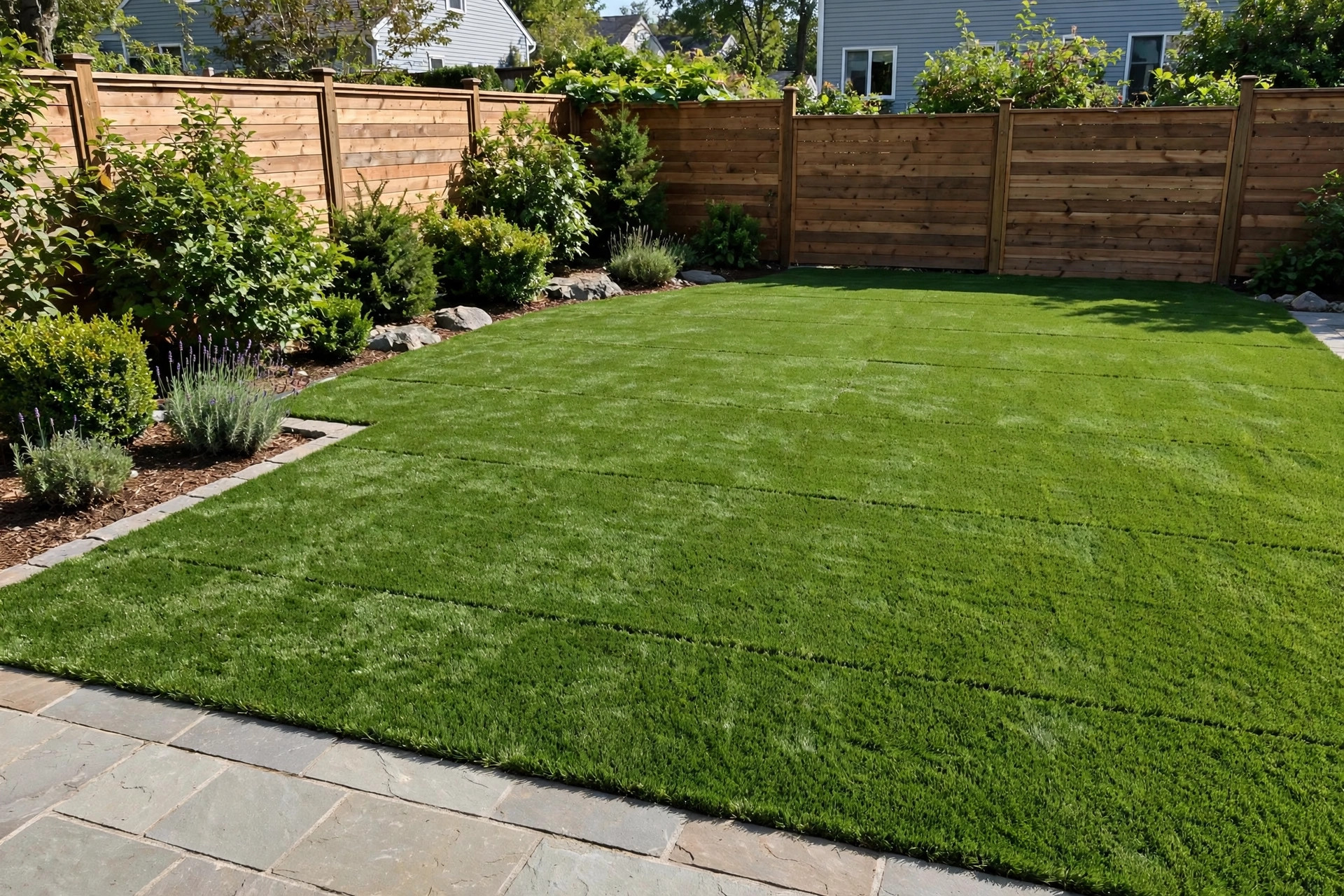
Many home owners now search for affordable artificial grass installation near me when their lawn turns brown each summer. Water bills keep rising. Mowing takes time. Patches and bare spots make the yard look tired. Fake grass, made of plastic blades that look like real turf, gives a green lawn with far less work. It is not for every yard. But for many families, it is worth a hard look.
This guide explains the subject in plain terms. It covers why it matters, how to pick the turf, the main types, what it costs, how to keep it clean, and safety. It also lists common questions and where to learn more.
Why It Matters
A live lawn drinks a great deal of water. In hot states, watering can eat a large share of the home water bill. Some towns now limit outdoor watering. When limits go into force, a natural lawn may die back. Fake grass needs no water at all.
Time is another matter. A lawn needs mowing, edging, feeding, and weed control. Many families have little free time for this. An artificial lawn needs light care but no mowing. This frees the weekend for other things.
Look is a third point. Real grass wears out in spots. Kids play on it. Dogs run on it. Shade trees kill it. Fake grass stays even and green in rain, heat, and snow. It looks the same in January as in June.
There are trade offs. The cost up front is high. It can get hot in strong sun. It does not cool the air the way live plants do. This guide will help you weigh these facts before you spend your money.
How To Choose The Right Turf: Affordable Artificial Grass Installation near Me
Start With Your Yard
Walk your yard with a tape measure. Note the size in square feet. Note where the sun falls. Note low spots where water stands. Installers price the job by area, so a good measure helps you get fair quotes. A clear plan also stops you from buying more turf than you need.
Think about how the yard is used. A play area for kids needs soft turf with a thick pad under it. A dog run needs turf that drains fast and stands up to claws. A front lawn seen from the street needs a fine blade that looks like a fine cut of real grass.
Check The Blade Quality
Not all fake grass is the same. Cheap rolls look flat and shiny. Good turf has blades of varied height and tone, much like real grass. Bend a sample and look at it in daylight. A good sample will not have a plastic shine.
Ask for the weight of the turf. It is given in ounces per square yard. A face weight of 60 to 90 ounces gives a full feel. Below 40 ounces, the turf may look thin and wear fast.
Check The Backing And Drain Holes
Turn the sample over. The backing should feel firm and even. Small holes should run in rows across it. These holes let rain pass through. A rate of 20 to 30 inches of water per hour is common in good turf. If the backing tears easily, the turf will not last.
Types Or Options
Nylon Turf
Nylon is the strong type. It springs back after foot traffic. It keeps its shape in heat. It costs the most of the three main types. It suits busy play areas and sports spots in the yard.
Polyethylene Turf
Polyethylene is the soft type. It looks most like real grass. It feels kind to bare feet. Most home lawns use this type. The price sits in the middle. For a front yard, it is often the best pick.
Polypropylene Turf
Polypropylene is the cheap type. It is often used for patios, balconies, and indoor use. It wears faster outdoors. It can flatten under heavy use. It may suit a small side yard on a tight budget, but it is not the best for a main lawn.
Infill Types
After the turf is laid, workers brush small grains into the blades. This is called infill. It holds the blades up and adds weight. Common infill is silica sand. Coated sand holds less heat. Some brands use olive pits or cork for a more natural feel. Ask what infill the installer plans to use and why.
Cost And Price
What Most Jobs Cost
In the United States, a full install often runs from 8 to 20 dollars per square foot. A 500 square foot lawn might cost 4,000 to 10,000 dollars. The price moves with the turf quality, the state of the ground, and the labor rate in your area. Big cities tend to cost more than small towns.
What Drives The Price
Ground work is a large share. Old grass must be removed. The soil must be leveled. A base of crushed rock must be laid and packed. This base work takes skill and time. Quotes that skip it are a warning sign.
Turf quality is another driver. High face weight and UV safe dyes cost more. Cheap turf may fade in two years. Good turf often carries a 10 to 15 year warranty.
Small jobs cost more per foot. A 200 square foot patch may run 20 dollars a foot or more. A full 1,000 square foot lawn may drop to 10 dollars a foot. Most installers have a minimum job size.
How It Compares To Real Grass
Sod is cheaper to put down. If you search for a cheap sod installation cost per pallet, you will see that live sod can run 1 to 2 dollars a square foot installed in many areas. But sod needs water, mowing, and feeding year after year. Over 10 years, the cost of sod care can pass the cost of fake turf.
Another choice is hydroseeding. If you look up a hydroseeding cost per square foot usa, you will find it often runs 5 to 12 cents a square foot. That is far cheaper than turf. But it is still live grass. It still needs water and mowing for life.
How To Keep The Price Fair
Get at least three written quotes. Make sure each quote lists the same items: tear out, base, turf brand and face weight, infill, seams, edging, and clean up. A quote that hides these lines is hard to trust.
Ask about off season work. Some installers offer lower rates in late fall or winter when work slows. Ask if they have remnant rolls. A remnant is a leftover piece from a large job. It can fit a small yard at a lower price.
Ask about rebates. Some water districts pay home owners to replace live grass with fake turf or drought safe plants. Check your local water agency before you sign a contract.
Care And Upkeep
Weekly Care
Brush the turf with a stiff broom once a week. This lifts the blades and spreads the infill. Pick up leaves and sticks before they mat into the turf. Hose the lawn down now and then to wash off dust.
Monthly Care
Check the seams where two rolls meet. If a seam lifts, call the installer. Do not try to glue it yourself unless you know the right glue. Pull any weeds that sprout at the edges. Weeds can push up through the backing in time.
Pet Care
Dogs use fake grass well, but waste must be picked up fast. Rinse the spot with water. A mix of mild soap and water clears most smells. For more detail on the pros and cons of turf for pets, read our piece on artificial grass for dogs pros cons at /artificial-grass-for-dogs-pros-cons/.
Long Term Care
Every year or two, add a little infill where traffic has thinned it. Keep sharp tools and hot grills off the turf. Hot ash and grease can melt the blades. With fair care, good turf lasts 12 to 20 years.
Safety
Heat
Fake grass gets hot in direct sun. On a 90 degree day, the surface can reach 150 degrees or more. This can burn bare feet and paws. Light colored infill and a rinse of water before play help. Shade from trees or sails helps more. Teach kids to wear shoes on hot days.
Materials
Modern turf in the United States must meet safety rules for lead and other metals. Ask the installer for test papers from the turf maker. The maker should show that the turf passes federal safety rules. You can read general product safety notes at https://www.cpsc.gov.
Drainage
Good turf drains rain fast. Poor turf holds water and grows mold. Ask the installer to show the drain rate of the turf they plan to use. After heavy rain, walk the lawn. It should feel firm, not spongy. Spongy spots mean the base was not packed well.
Fire
Turf is made of plastic. It will melt near flames. Keep grills, fire pits, and fireworks well away from it. Check your home owners rules and local codes. Some towns have rules about fake grass in front yards.
Frequently Asked Questions
How long does artificial grass last?
Good turf lasts 12 to 20 years in a home yard. Cheap turf may last 5 to 8 years. Sun, traffic, and care decide the real life. Ask for the written warranty. Most good brands offer 10 to 15 years against fading and wear.
Does it look real?
Up close, you can tell it is fake. From the street, good turf looks very much like a fine real lawn. Pick a blade color that matches the grass in your area. Too bright a green looks false. A mix of green and tan blades looks most true.
Can I install it myself?
Small flat patches are fine for a skilled home owner. A full yard is hard. Leveling the base and seaming the rolls take tools and practice. Most home owners do better with a pro for yards over 200 square feet. A bad base will show bumps for years.
Will my dog ruin it?
Dogs do well on turf made for pets. It drains urine fast. Solid waste must be picked up and the spot rinsed. Claws can rough up cheap turf, so pick a dense polyethylene or nylon made for pets. Our full look at artificial grass for dogs pros cons lives at /artificial-grass-for-dogs-pros-cons/.
Does it save money?
It saves water and lawn care costs from day one. But the up front price is high. Most families break even in 5 to 10 years. The math works best where water is dear, lawns die in heat, and mowing services cost a lot.
How do I find a good installer?
Search for local reviews and ask for past jobs you can see. A good installer gives a written quote with full line items, names the turf brand, and offers a work warranty of at least one year. Ask how long they have laid turf. Two years of full time work is a fair floor.
Final Word
Affordable artificial grass installation near me is a search that ends in a quote, not a click. Prices swing wide. Turf quality swings wider. The best way to spend well is to learn the basics, get three clear quotes, and check the turf in daylight before you buy. For many dry lawns, the result is a green yard with far less work and far less water.
If turf proves too dear, compare it with sod. A cheap sod installation cost per pallet can be found at /cheap-sod-installation-cost-per-pallet/ for a fair live grass quote. If you want live grass from seed, a hydroseeding cost per square foot usa guide sits at /hydroseeding-cost-per-square-foot-usa/. Weigh the three paths with your own yard and budget in mind.
For tools and brands that make lawn work easier, the makers at https://www.toro.com and https://www.deere.com list gear for grounds care. For independent test notes on outdoor products, see https://www.consumerreports.org.
References
Briggs & Stratton. (n.d.). Outdoor power equipment. https://www.briggsandstratton.com Consumer Reports. (n.d.). Product reviews and ratings. https://www.consumerreports.org Deere & Company. (n.d.). Lawn and grounds care equipment. https://www.deere.com Toro. (n.d.). Lawn care and landscaping equipment. https://www.toro.com U.S. Consumer Product Safety Commission. (n.d.). Product safety information. https://www.cpsc.gov
Was this guide helpful?

About James Carter
The My Garden US editorial team writes practical, in-depth home and garden guides for American homeowners — tested advice, no fluff.