---
Table of Contents
Table of Contents
If you have a dog and a lawn, you probably know the sight: round brown patches with a ring of dark green grass around the edge. Those are pet urine spots, and they are one of the most common lawn problems in homes with dogs. The good news is they are easy to fix, and even easier to prevent once you understand what causes them. Here is what to know about pet urine spots on grass before you start.
Pet Urine Spots on Grass: What Dog Urine Does to Grass
When it comes to pet urine spots on grass, getting the details right makes all the difference.
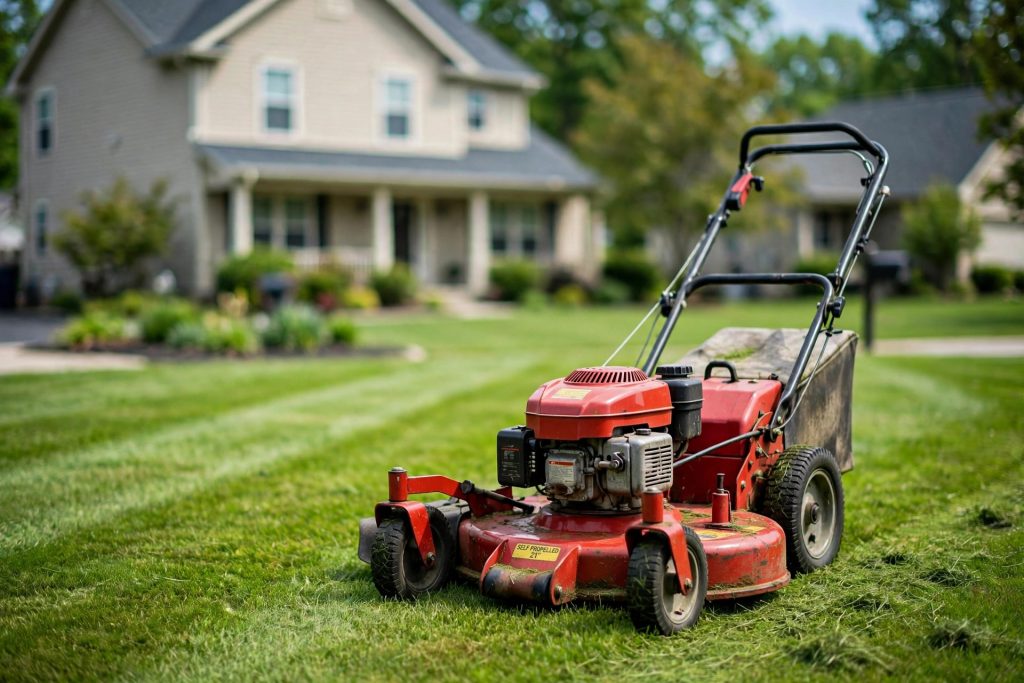
Many homeowners find that pet urine spots on grass is easier than they expected once they know the basics.
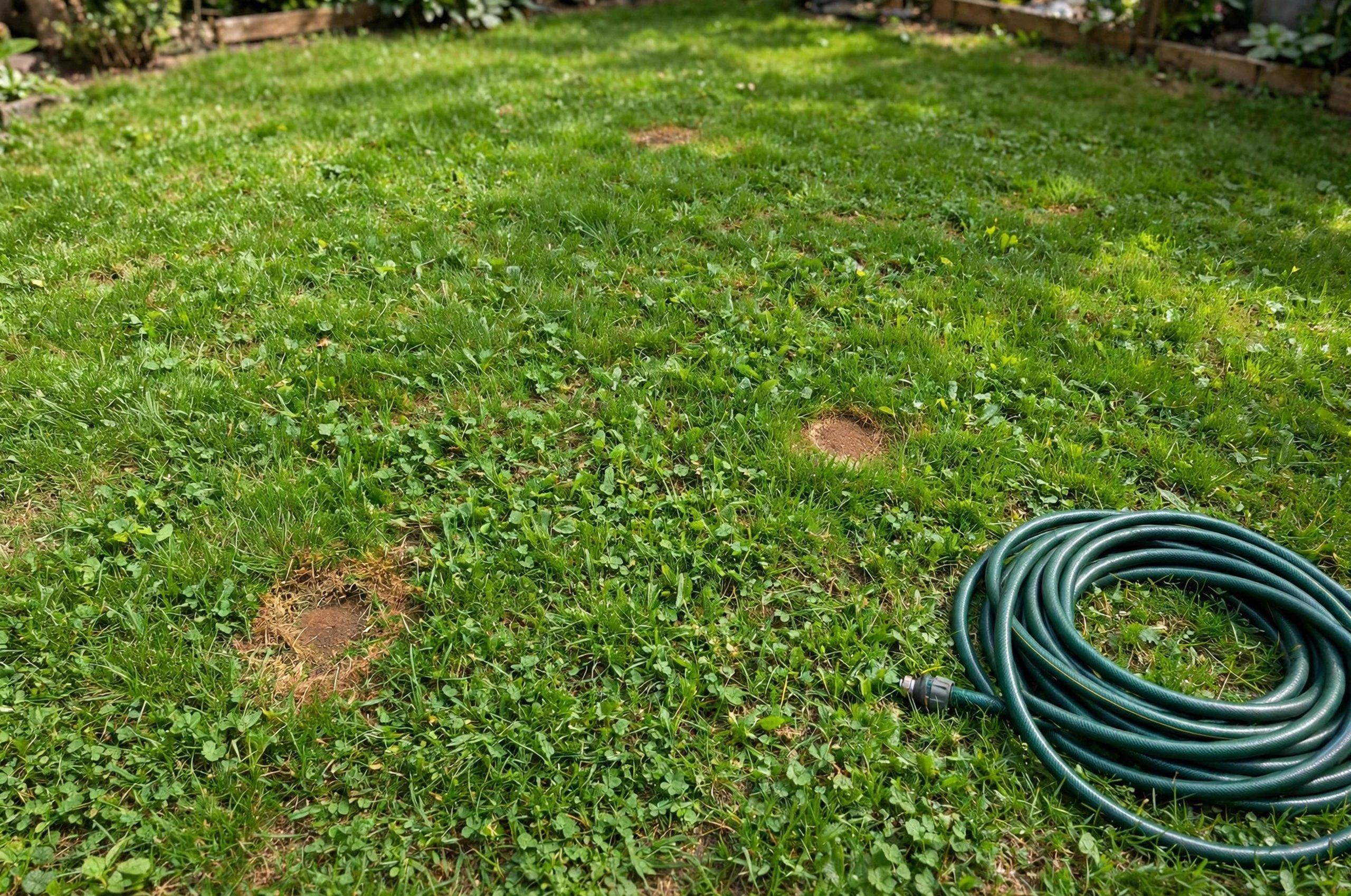
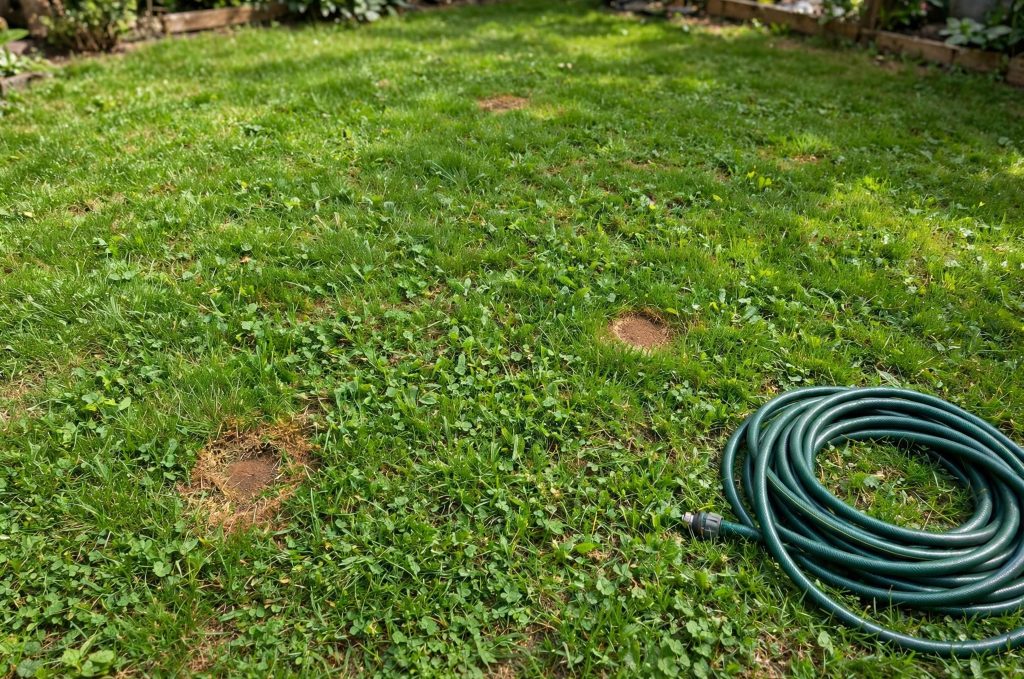
Dog urine is full of nitrogen and salts. In small amounts, nitrogen is fertilizer. In the concentrated dose a dog delivers to one spot, it burns the grass. The center of the spot dies. The edges get a lighter dose, which acts like fertilizer, so the grass there grows extra green and tall. That dead-center, green-ring pattern is the classic sign of urine damage.
Female dogs tend to cause more damage because they empty their bladder in one place. Male dogs often mark several spots with smaller amounts. Big dogs make bigger spots than small dogs. The damage gets worse in hot, dry weather, when the grass is already stressed. A well-hydrated dog produces more dilute urine, which is easier on the grass. That is good for the dog and good for the lawn.
It is worth knowing what does not cause these spots. Changing the pH of a dog's urine through diet has not been shown to help, and it can harm the dog. Supplements that claim to prevent lawn burn are not reliable either. The University of Maryland Extension explains that dog urine damage comes down to nitrogen and salts, not pH. Do not mess with your dog's diet to save the lawn. Fix the lawn instead.
The Fastest Fix: Dilute with Water Right Away
Many homeowners find that pet urine spots on grass is easier than they expected once they know the basics.
The key to pet urine spots on grass is choosing the right approach for your space and budget.
The single best thing you can do is pour water on the spot right after your dog goes. A gallon or two from a watering can, poured within a few minutes, spreads the nitrogen out before it burns the roots. This is the only prevention method that research consistently supports.
Keep a watering can by the back door. It feels silly at first, following your dog around with water. But it works. A guide from Better Lawn Care notes that flushing the spot is effective because it washes urine off the blades and dilutes the nitrogen and salts in the soil, much like cleaning up a fertilizer spill.
This only works when you see the dog go. For the spots you miss, keep the whole lawn watered well through dry spells. Dry turf burns faster and recovers slower. A deep weekly watering keeps the grass strong enough to handle the occasional missed spot.
How to Repair a Dead Urine Spot
The key to pet urine spots on grass is choosing the right approach for your space and budget.
With a little planning, pet urine spots on grass can fit even a busy schedule.
A spot that stays brown after a week of watering is dead. The grass will not come back on its own. Here is how to repair it:
1. Soak the spot. Run the hose on the spot for several minutes. This flushes leftover salts and nitrogen out of the soil. The Garden Professors, a group of university horticulturists, note that the excess nitrogen is what kills the grass, and flushing it out is the first step to recovery. 2. Rake out the dead grass. Use a stiff rake to pull up the dead blades and loosen the top inch of soil. Get down to bare dirt. Seed needs soil contact to sprout. 3. Add a little fresh soil. Spread about half an inch of topsoil or compost over the spot.
This gives the seed a clean bed and helps absorb any urine left in the soil. 4. Seed it. Use the same grass as the rest of your lawn if you know it. If you do not know, perennial ryegrass blends into most cool-season lawns. Sprinkle the seed evenly. Do not pile it on thick. Crowded seed grows weak. 5. Press and cover. Tamp the seed down with your foot or the back of a rake. A light cover of straw holds moisture and keeps birds away.
6. Water lightly every day. Keep the seed moist until it sprouts, usually one to three weeks. Then water less often but deeper as the new grass roots in. 7. Keep the dog off it. Fence the patch off or leash-walk the dog elsewhere until the new grass has been mowed two or three times.
Small spots under six inches across often fill in on their own. The surrounding grass creeps in once the nitrogen washes away. Give those a few weeks of normal watering before you reseed.
For a dead spot too big to seed easily, cut a patch of sod from a healthy hidden corner of the yard and lay it into the dead area. Press it down, water it daily for two weeks, and it will knit into the surrounding lawn. Penn State Extension's guide on dogs versus lawns recommends reseeding with the same grass variety, and sod patching follows the same idea.
A little planning makes pet urine spots on grass much easier.
Prevention: Train the Dog, Not the Lawn
With a little planning, pet urine spots on grass can fit even a busy schedule.
Before you start, it helps to understand how pet urine spots on grass works in real homes.
Repairing spots gets old fast. Prevention is where the real win is. The best long-term fix is to teach your dog to go in one area of the yard.
Pick a spot out of the way, away from where the kids play and where guests look. Clear the grass from that area and cover it with mulch, pea gravel, or pine straw. These materials do not burn, and they are easy to refresh. Take the dog to that spot on a leash every time, especially first thing in the morning. Reward with a treat when the dog goes there. Dogs are creatures of habit. It may take a few weeks, but most dogs learn fast with consistent praise.
For male dogs, put a vertical post or a fake hydrant in the potty area. It gives them something to mark. A low fence or a row of shrubs can screen the area from view. A practical guide to keeping dogs off the lawn covers the same rinse-and-redirect strategy.
Make sure the dog drinks plenty of water. Put fresh water bowls around the house and yard and refill them often. Wet food or moistened kibble also helps. A hydrated dog's urine is weaker, and weaker urine means fewer brown spots. This is also just plain good for the dog's health.
Choose Tougher Grass
Before you start, it helps to understand how pet urine spots on grass works in real homes.
A good plan for pet urine spots on grass saves time, money, and frustration.
Some grasses handle dog traffic better than others. If you are reseeding anyway, or if the lawn is due for an overhaul, pick a variety bred for durability.
Perennial ryegrass germinates fast and recovers well, which makes it a solid choice for patching dog spots. Tall fescue has deep roots and stands up to wear. Kentucky bluegrass spreads by itself and fills in small spots without help. In warm climates, bermuda and zoysia are tough and self-repairing. Our guide to native grass seed for American homes covers how to pick a lawn grass that fits your region and your lifestyle.
If you are in a hot southern climate, the native grass seed guide for Florida homes goes deeper into warm-climate options. The right grass will not make urine harmless, but a tough lawn recovers from damage faster.
What About Products That Claim to Fix Urine Spots?
A good plan for pet urine spots on grass saves time, money, and frustration.
For most people, pet urine spots on grass comes down to a few smart choices.
Garden centers sell a lot of products for this problem. Some are useful. Some are not.
Soil conditioners and gypsum can help flush salts from the soil. They work best as part of the soak-and-reseed repair, not as a magic fix on their own. A Men's Journal guide to stopping dog pee from killing grass walks through the same soak, rake, and reseed steps with a soil treatment in the middle.
Lawn patch kits that include seed, mulch, and a soil conditioner in one bag are convenient for small spots. They save a trip to buy three separate products. Just follow the watering instructions on the bag.
Skip anything that goes into the dog. Pills and treats that claim to neutralize urine are unproven, and some can cause bladder or kidney problems. Your vet will tell you the same thing. Fix the grass, train the dog, and leave the dog's body chemistry alone.
Keep the Rest of the Yard Healthy
For most people, pet urine spots on grass comes down to a few smart choices.
A strong lawn shrugs off damage that would kill a weak one. The basics matter more than any product.
Mow at three inches or higher for cool-season grass. Taller grass has deeper roots and more leaf area to recover from stress. Water deeply once a week instead of a little every day. Fertilize lightly in fall, when cool-season grass grows roots. Avoid heavy nitrogen in summer heat, which pushes weak growth that burns easily.
Deal with pests too. A lawn fighting grubs or chinch bugs has no energy left to recover from urine spots. Our guide to pet-safe ant killer for the yard covers pest control that will not harm your dog, and the fire ant treatment guide for yards with pets handles a southern lawn's worst pest safely.
The Spruce's guide to fixing brown patches covers the full range of brown spot causes, from fungus to chemicals to pets. Urine is only one suspect. If your spots do not match the dead-center, green-ring pattern, read through the other causes before you start digging.
Pet urine spots are a fact of life for dog owners with lawns. They are not a sign of a bad lawn or a bad dog. Rinse what you can, repair what dies, and train the dog to a corner of the yard. Do that, and the brown spots become a rare sight instead of a constant one. Once you try it, pet urine spots on grass gets easier each time.
References
If you are new to pet urine spots on grass, start with the simplest option and build from there.
Penn State Extension. (n.d.). Dogs vs. lawns. https://extension.psu.edu/dogs-vs-lawns
University of Maryland Extension. (n.d.). Dog urine damage on lawns. https://extension.umd.edu/resource/dog-urine-damage-lawns
The Garden Professors. (n.d.). Dog spots. https://gardenprofessors.com/dog-spots/
The Spruce. (n.d.). Don't let brown patches ruin your lawn: 5 simple ways to fix it fast. https://www.thespruce.com/how-to-get-rid-of-brown-patches-on-lawn-12008423
Men's Journal. (n.d.). Stop dog pee from killing your grass. https://www.mensjournal.com/home-living/stop-dog-pee-from-killing-your-grass
Only Natural Pet. (n.d.). How to prevent lawn burns from your dog. https://www.onlynaturalpet.com/blogs/holistic-healthcare-library/how-to-prevent-lawn-burns-from-your-dog
Better Lawn Care. (n.d.). How to prevent dog urine from killing your grass. https://www.better-lawn-care.com/dog-urine-killing-grass/
Oswego County Today. (n.d.). Porky and Buddy pet health: What to do about 'pee' spots on lawn. https://oswegocountytoday.com/community/porky-and-buddy-pet-health-what-to-do-about-pee-spots-on-lawn/
When it comes to pet urine spots on grass, getting the details right makes all the difference.
Many homeowners find that pet urine spots on grass is easier than they expected once they know the basics.
The key to pet urine spots on grass is choosing the right approach for your space and budget.
Was this guide helpful?

About My Garden US
The My Garden US editorial team writes practical, in-depth home and garden guides for American homeowners — tested advice, no fluff.
You May Also Like
Best Lawn Edging for Curved Beds: A Buyer's Guide
February 17, 2026 16 views
Top Rated String Trimmer for Thick Weeds: A Practical Guide
January 17, 2026 16 views
Outdoor Ant Killer for Lawns Reviews: What Works and What Does Not
July 29, 2026 18 views